欽定大清律例 · 滿文本
Hesei toktobuha daicing gurun i fafun i bithe kooli, 第 155–169 頁
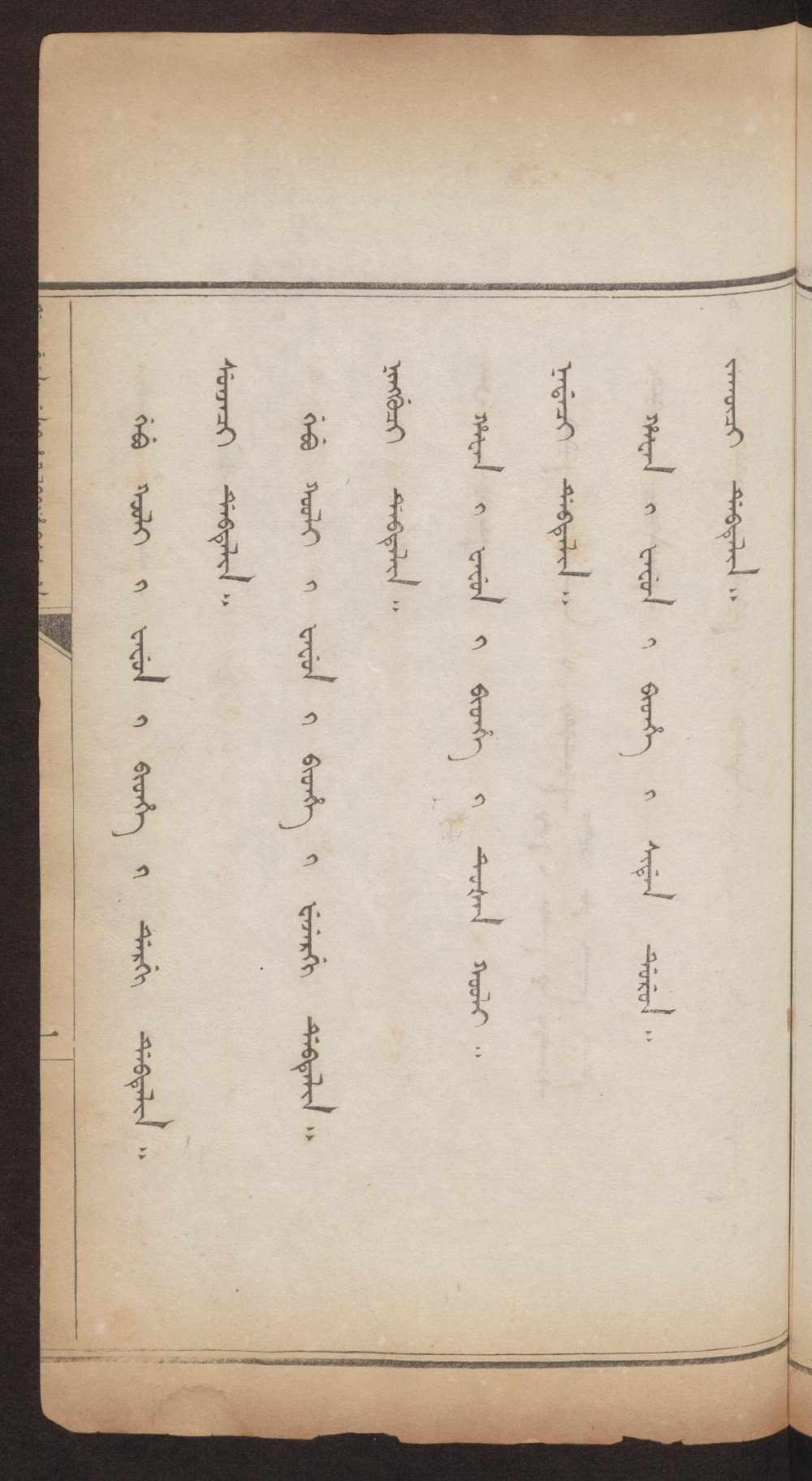
逐詞解析 · word-by-word(31 單元 · 覆蓋 93.5%)
《名例律》上卷、第五卷、《名例律》下卷、第六卷、〈吏律〉之土發例、第七卷、〈吏律〉之上馬絆朱庫〔?〕、第八卷。
EnglishThe Upper Volume of the Name and Precedent Code, Volume 5; the Lower Volume of the Name and Precedent Code, Volume 6; the Tu-fa Regulations of the Civil Officials’ Code, Volume 7; the Sidere Jukū (?) of the Civil Officials’ Code, Volume 8.
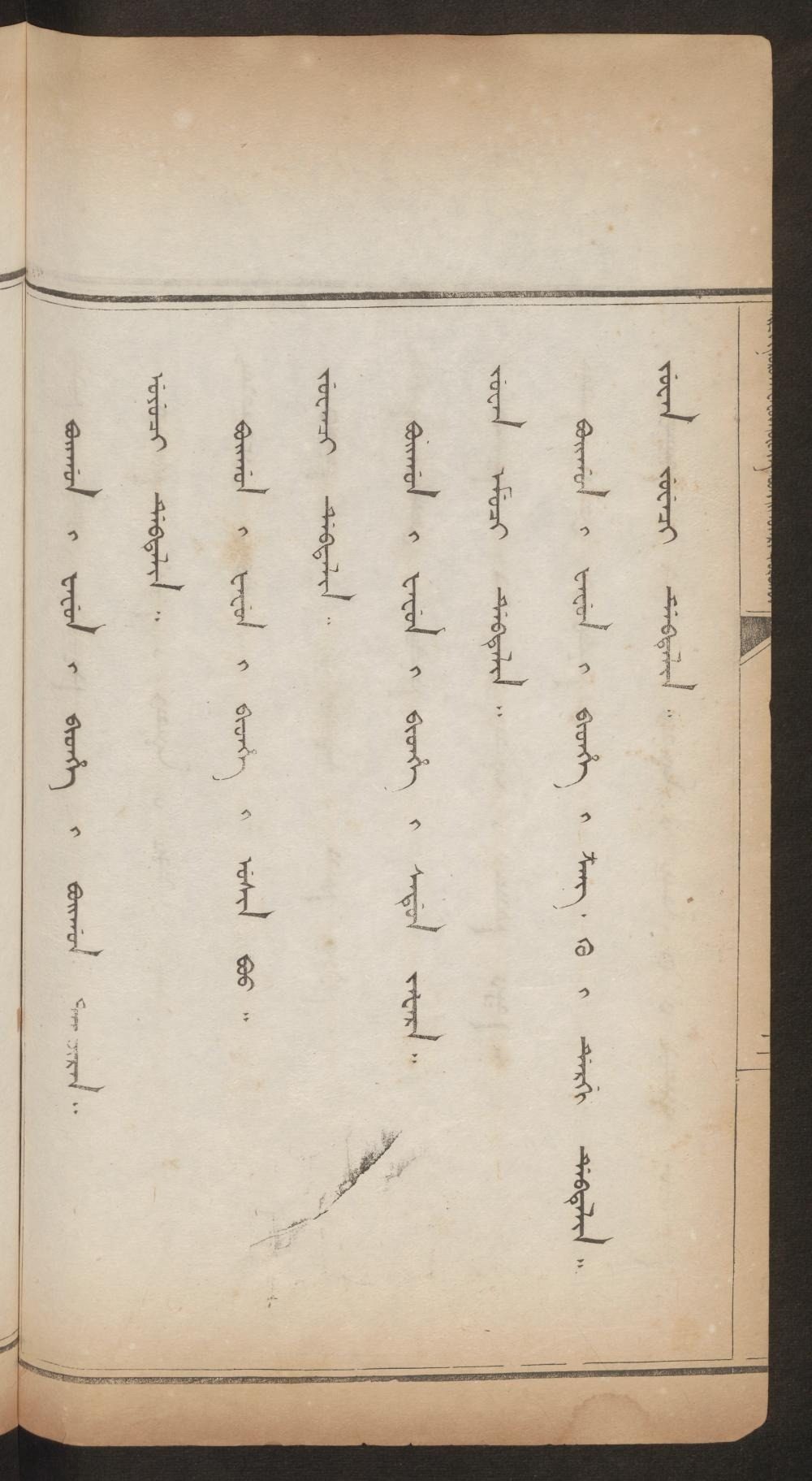
逐詞解析 · word-by-word(37 單元 · 覆蓋 94.6%)
《戶律》之〈戶役〉卷。 《戶律》之〈田宅〉卷第十。 《戶律》之〈薩溫扎法拉〉卷第十一。 《戶律》之〈倉庫上〉卷第十二。
EnglishThe Boigon i Manyuci Volume of the Household Law. The tenth volume, Usin Boo, of the Household Law. The eleventh volume, Saun Jafara, of the Household Law. The twelfth volume, Ts'ang Ku i Dergi Debtelin, of the Household Law.
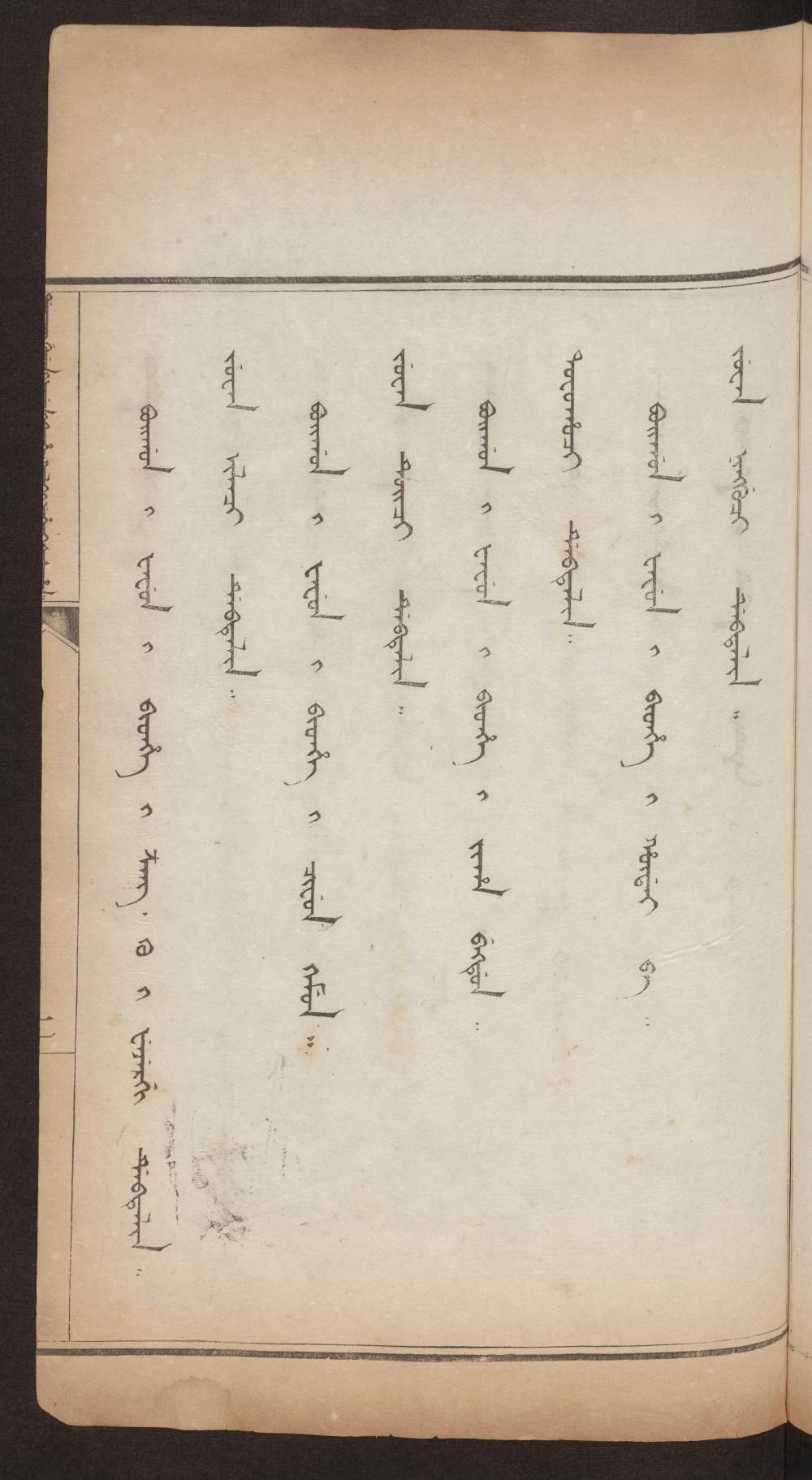
逐詞解析 · word-by-word(36 單元 · 覆蓋 91.7%)
《戶律·倉庫下卷》第十三 《戶律·稅課》第十四 《戶律·錢債》第十五 《戶律·市廛》第十昂吉卷
EnglishHousehold Law: Lower Volume of Granaries and Treasuries, Thirteenth Volume Household Law: Taxes and Regulations, Fourteenth Volume Household Law: Money and Debts, Fifteenth Volume Household Law: Markets, Tenth Anggi Volume
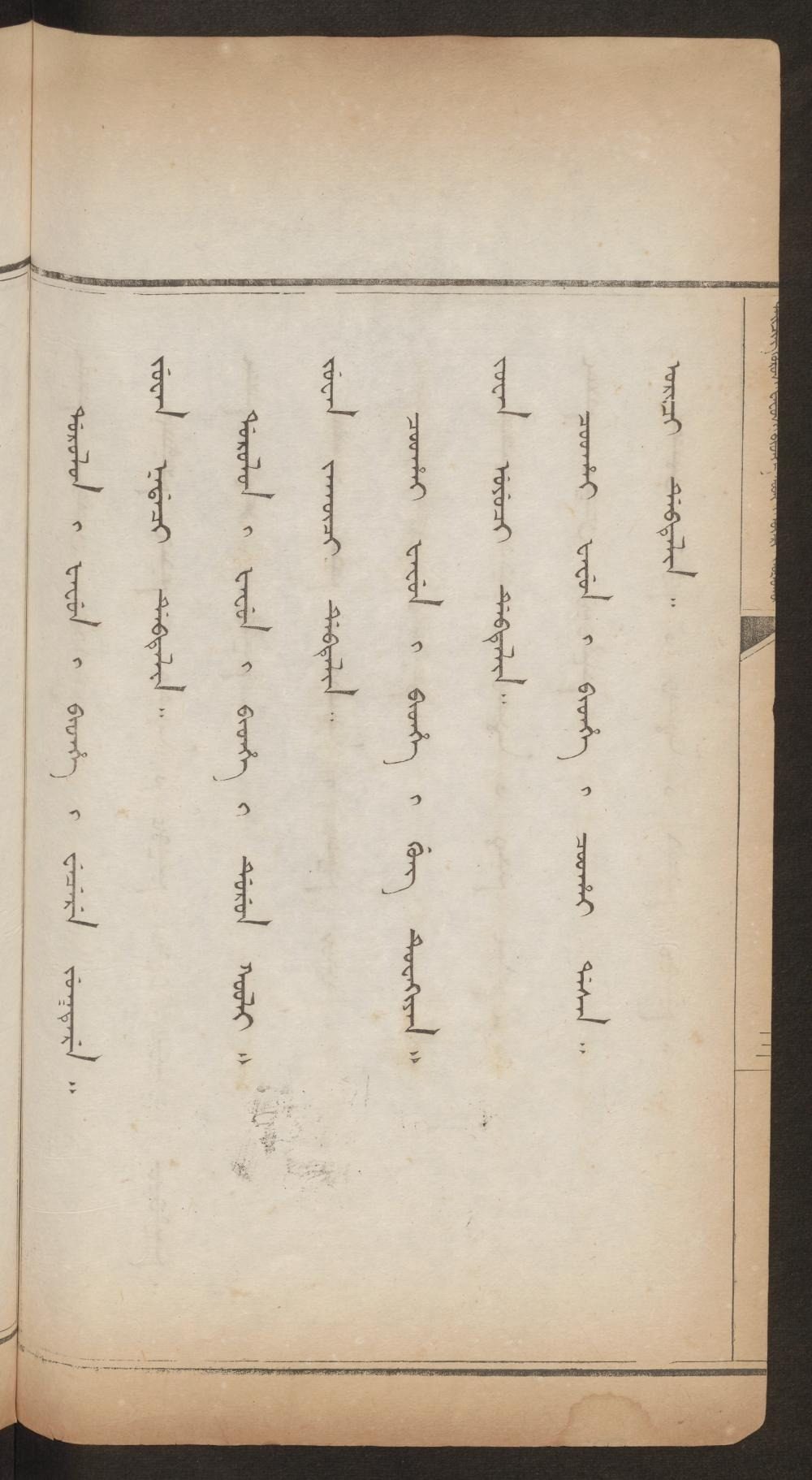
逐詞解析 · word-by-word(33 單元 · 覆蓋 100.0%)
禮律之祭祀第十七卷 禮律之儀制第十八卷 兵律之宮衛第十九卷 兵律之軍政第二十卷
EnglishThe Ritual Laws: Sacrifices, Volume Seventeen; The Ritual Laws: Ceremonial Regulations, Volume Eighteen; The Military Laws: Palace Guards, Volume Nineteen; The Military Laws: Military Administration, Volume Twenty.
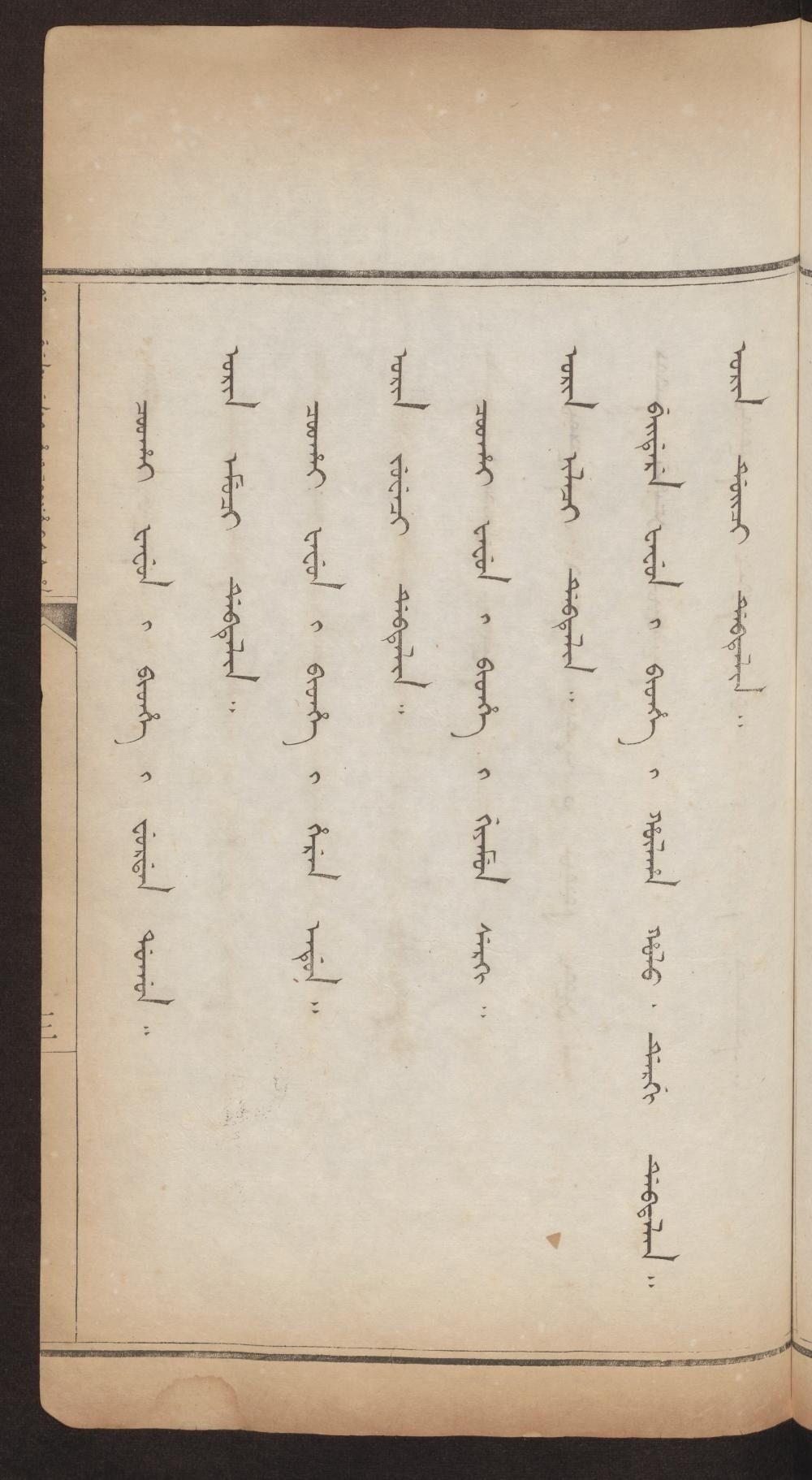
逐詞解析 · word-by-word(35 單元 · 覆蓋 91.4%)
軍律之《關津》第二十一卷 軍律之《厩神》第二卷 軍律之《驛傳》第二十三卷 審訊律之《呼拉瑪谷・上編》第二十四卷
EnglishMilitary Law: Passes and Fords, Vol. 21; Military Law: Stables and the Divine, Vol. 2; Military Law: Postal Stations and Couriers, Vol. 23; Trial Law: Hulama Valley—Upper Part, Vol. 24
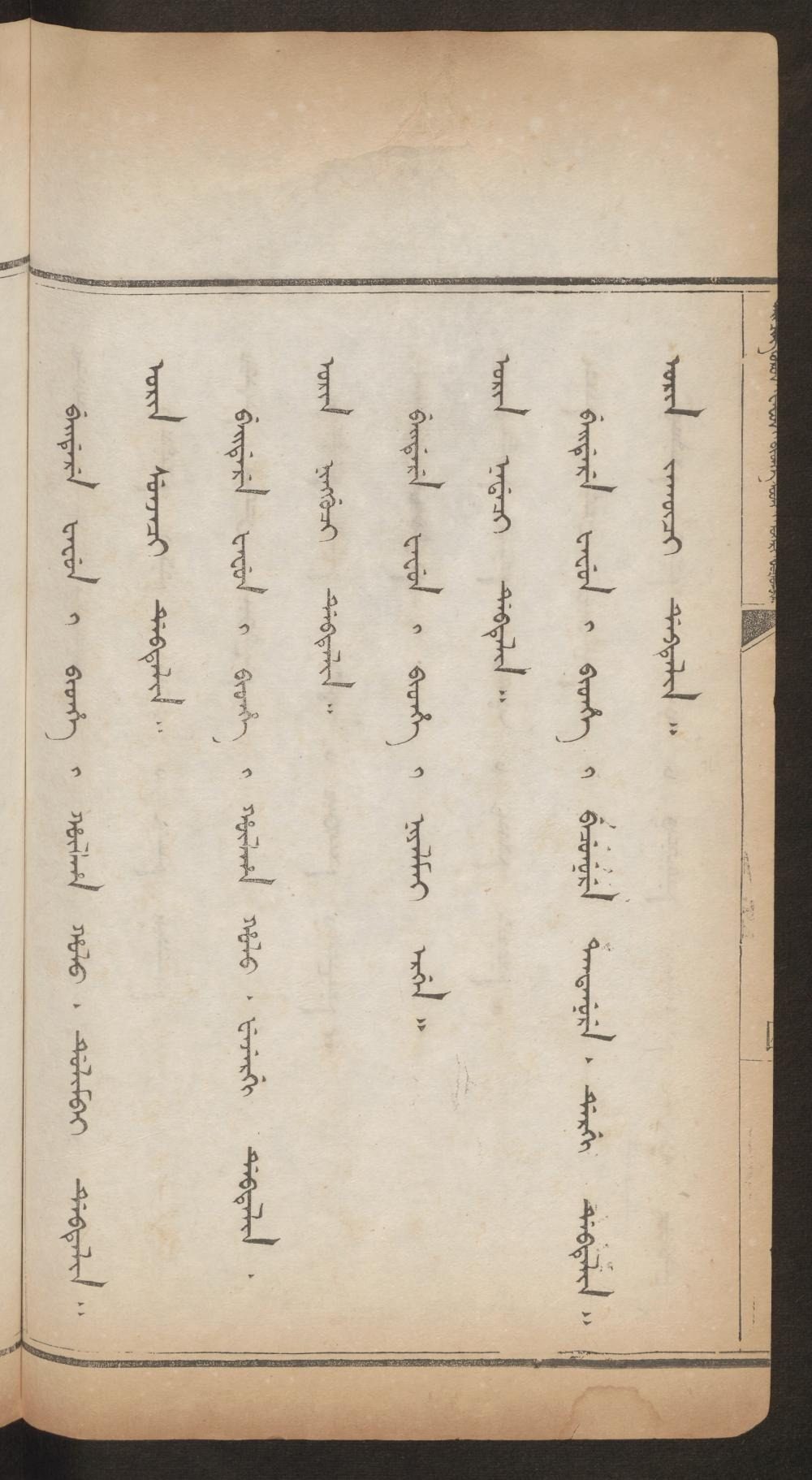
逐詞解析 · word-by-word(37 單元 · 覆蓋 100.0%)
《刑律·賊盜詐偽中卷》第二十五卷 《刑律·賊盜詐偽下卷》第二十六卷 《刑律·人命》第二十七卷 《刑律·鬪毆上卷》第二十八卷
EnglishThe Middle Volume of the Section on Theft and Fraud (Hūlaha Holo) in the Book of the Law of Trials, the twenty-fifth volume. The Lower Volume of the Section on Theft and Fraud (Hūlaha Holo) in the Book of the Law of Trials, the twenty-sixth volume. The Section on Homicide (Niyalmai Ergen) in the Book of the Law of Trials, the twenty-seventh volume. The First Volume of the Section on Affray (Becunure Tantanure) in the Book of the Law of Trials, the twenty-eighth volume.
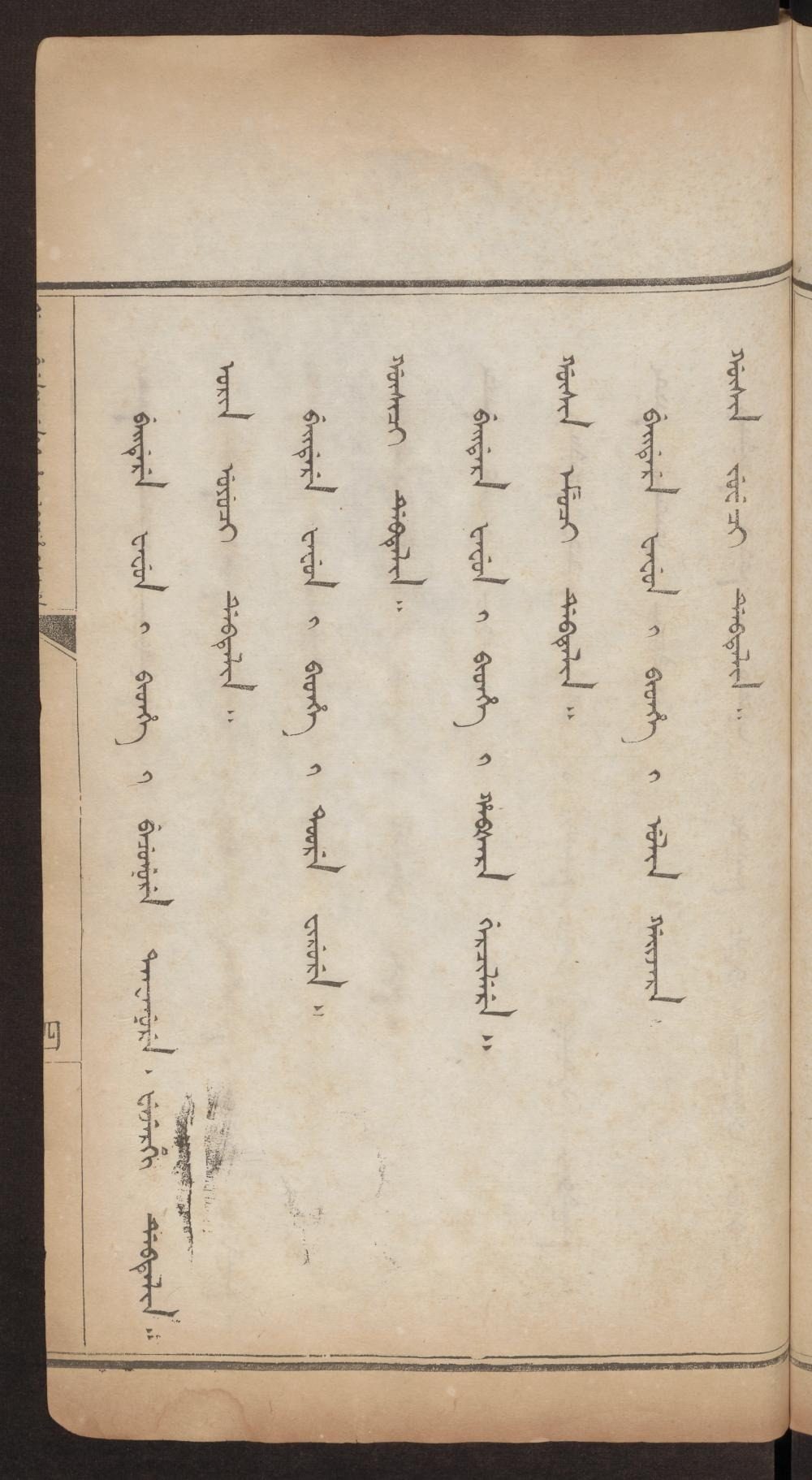
逐詞解析 · word-by-word(33 單元 · 覆蓋 93.9%)
《刑律》之鬥毆毆打下卷第二十九卷、《刑律》之咒罵第三十卷、《刑律》之告狀出首第三十一卷、《刑律》之取財第三十二卷
EnglishThe Code of Laws, Brawling and Beating, Lower Fascicle, Fascicle 29; The Code of Laws, Cursing and Reviling, Fascicle 30; The Code of Laws, Accusing and Reporting, Fascicle 31; The Code of Laws, Taking of Wealth, Fascicle 32
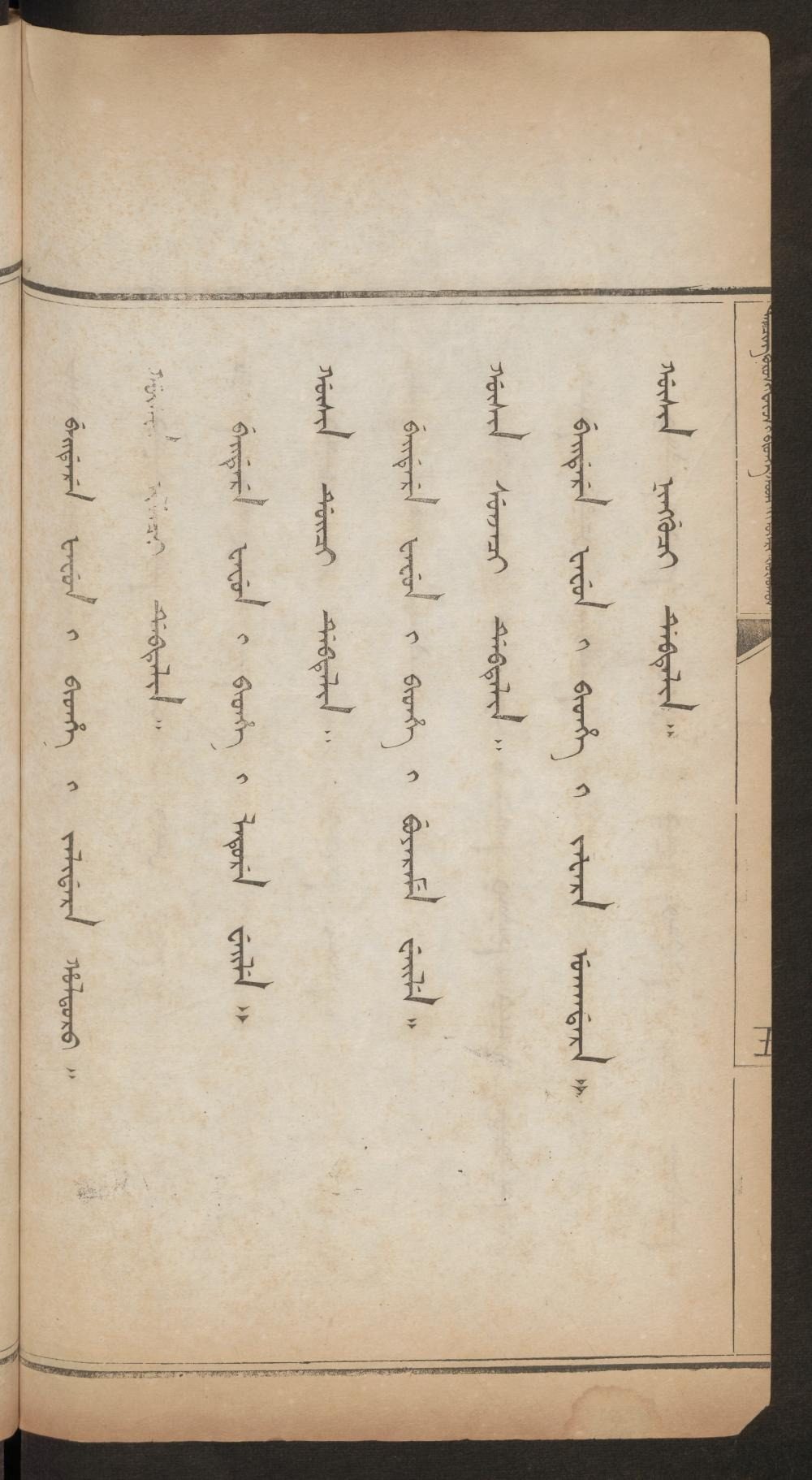
逐詞解析 · word-by-word(27 單元 · 覆蓋 100.0%)
審律之詐偽。審律之奸罪第三十四卷。審律之輕犯第三十五卷。審律之捕亡第三十六卷。
EnglishOn Fraud and Deception in the Trial Code. On the Crime of Adultery in the Trial Code, Volume Thirty-Four. On Misdemeanors in the Trial Code, Volume Thirty-Five. On Arrest and Flight in the Trial Code, Volume Thirty-Six.
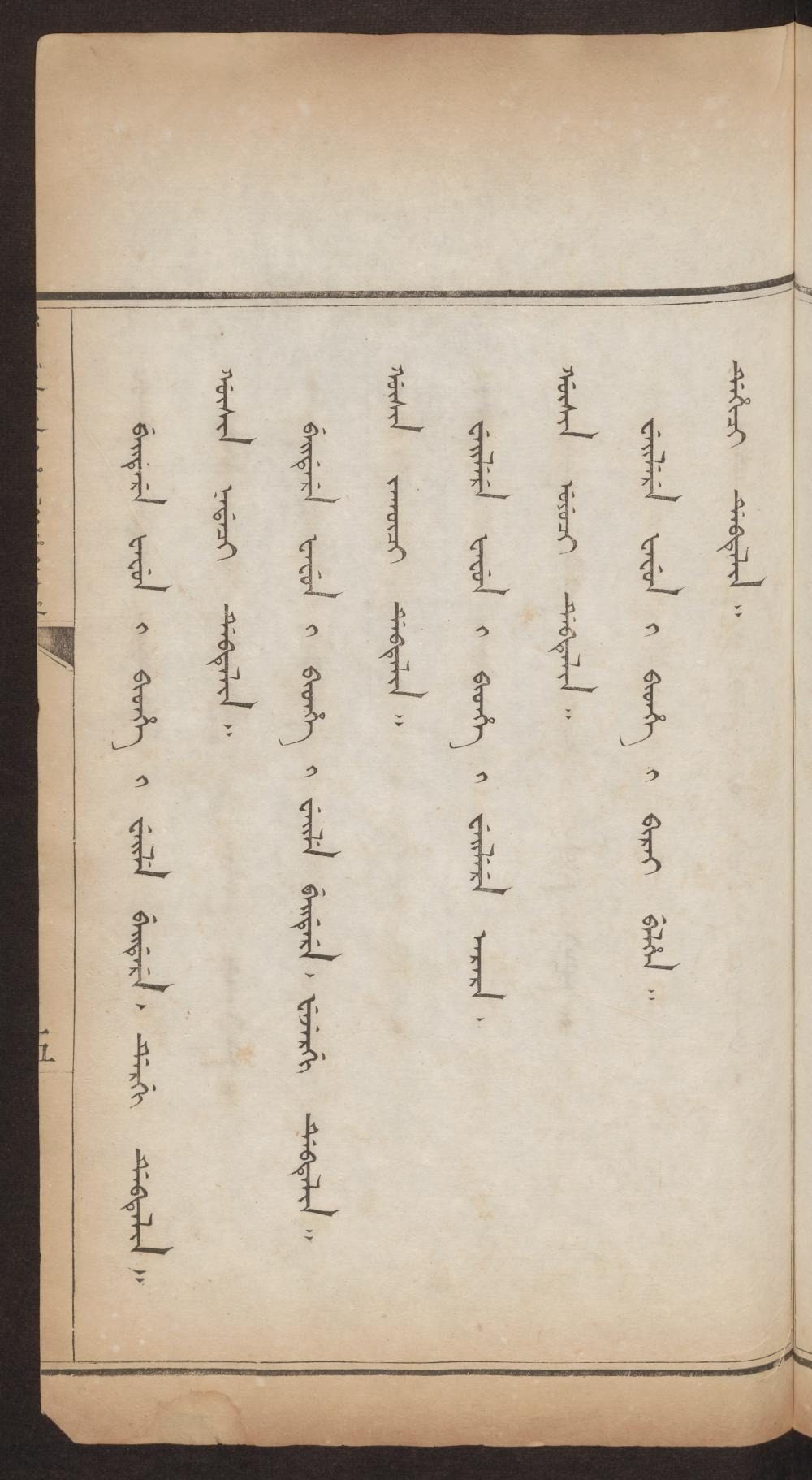
逐詞解析 · word-by-word(34 單元 · 覆蓋 100.0%)
《刑律·審罪上卷》第三十七卷 《刑律·審罪下卷》第三十八卷 《工律·營造》第三十九卷 《工律·河防預備》第四十卷
EnglishBook of the Law on Trials: Trial of Crimes, Upper Volume — Volume 37 Book of the Law on Trials: Trial of Crimes, Lower Volume — Volume 38 Book of the Law on Works: Construction — Volume 39 Book of the Law on Works: River Defenses — Volume 40
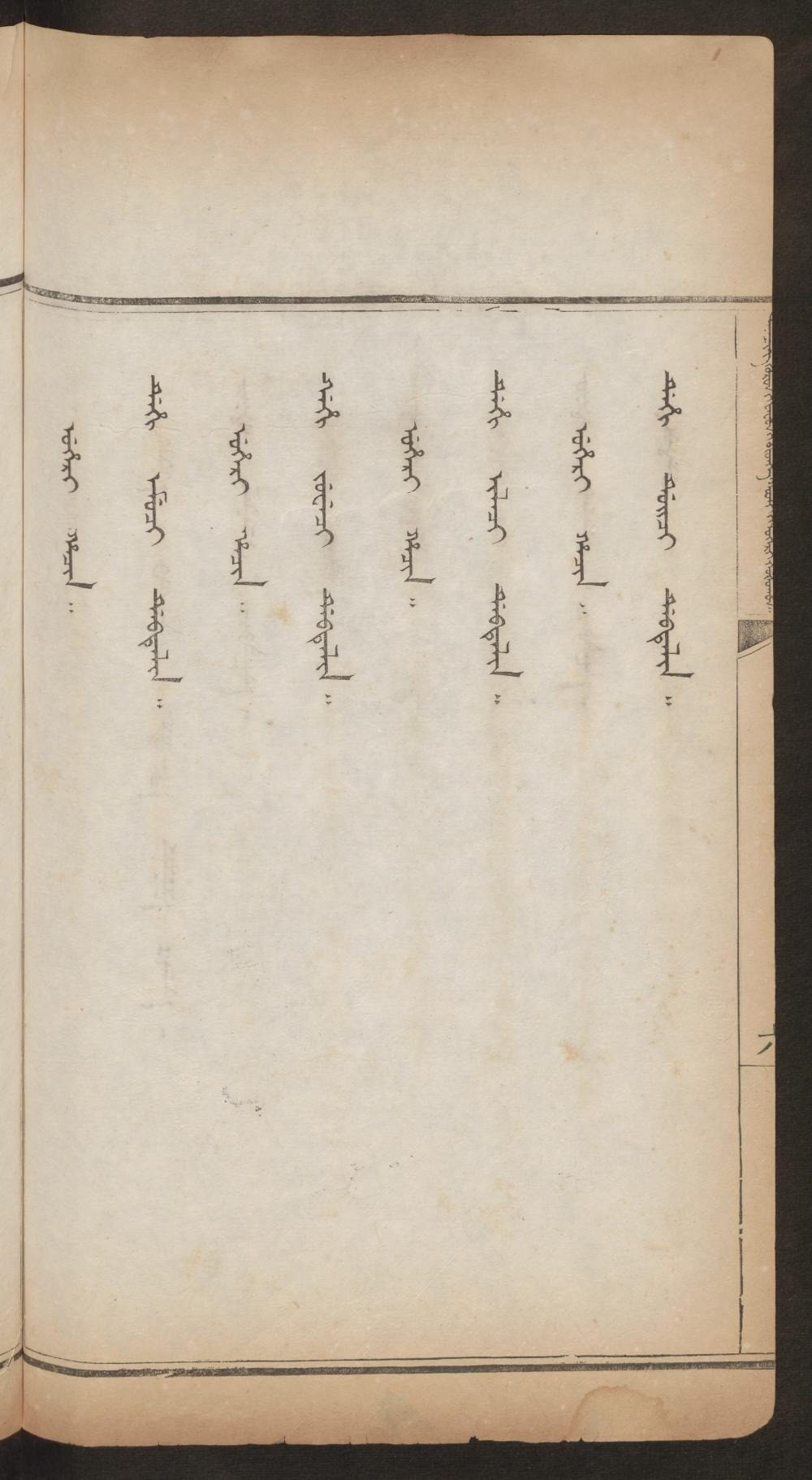
逐詞解析 · word-by-word(24 單元 · 覆蓋 95.8%)
總匯條款第四十一卷 總匯條款第四十二卷 總匯條款第四十三卷 總匯條款第四十四卷〔?〕
EnglishCombined Categories, Volume 41 Combined Categories, Volume 42 Combined Categories, Volume 43 Combined Categories, Volume 44 [?]
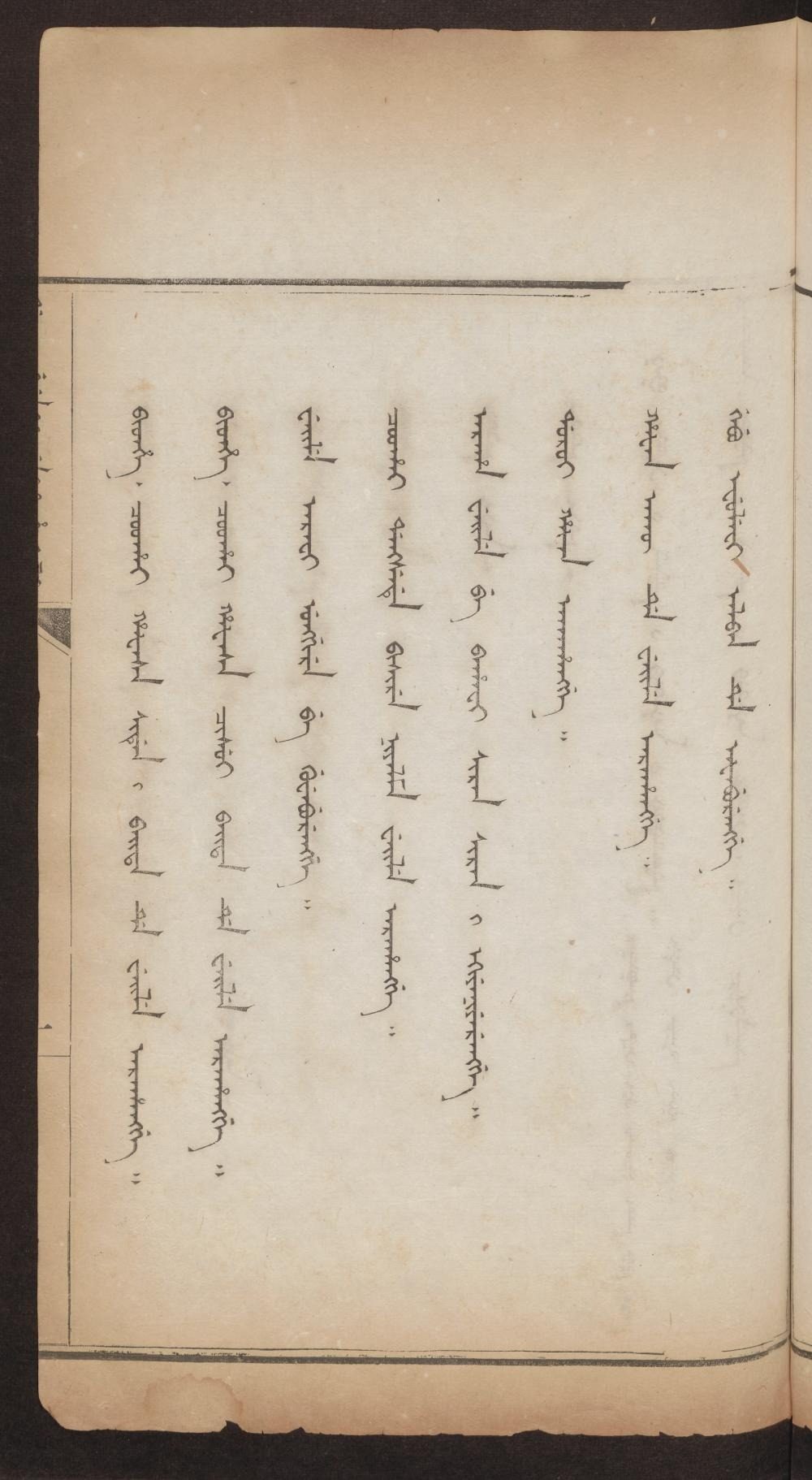
逐詞解析 · word-by-word(43 單元 · 覆蓋 97.7%)
一、文武官員因公務獲罪者;一、文武官員因私事獲罪者;一、犯罪遣送而邀寬免者;一、隸在軍冊之人獲罪者;一、既獲定罪犯人節次減等者;一、無多羅銜官員者;一、無官之人獲罪者;一、削去職名交部枷號發落者。
EnglishThose civil and military officials who commit crimes in public affairs; those civil and military officials who commit crimes in private affairs; the pardoning of those who, after committing a crime, are sent away; those who are listed in the military registers and commit crimes; those whose established offenses are, upon capture, reduced step by step; those without a doroi official rank; those who commit crimes while holding no official position; those who, after their names (titles) are stripped, are turned over to the authorities to be placed in the cangue.
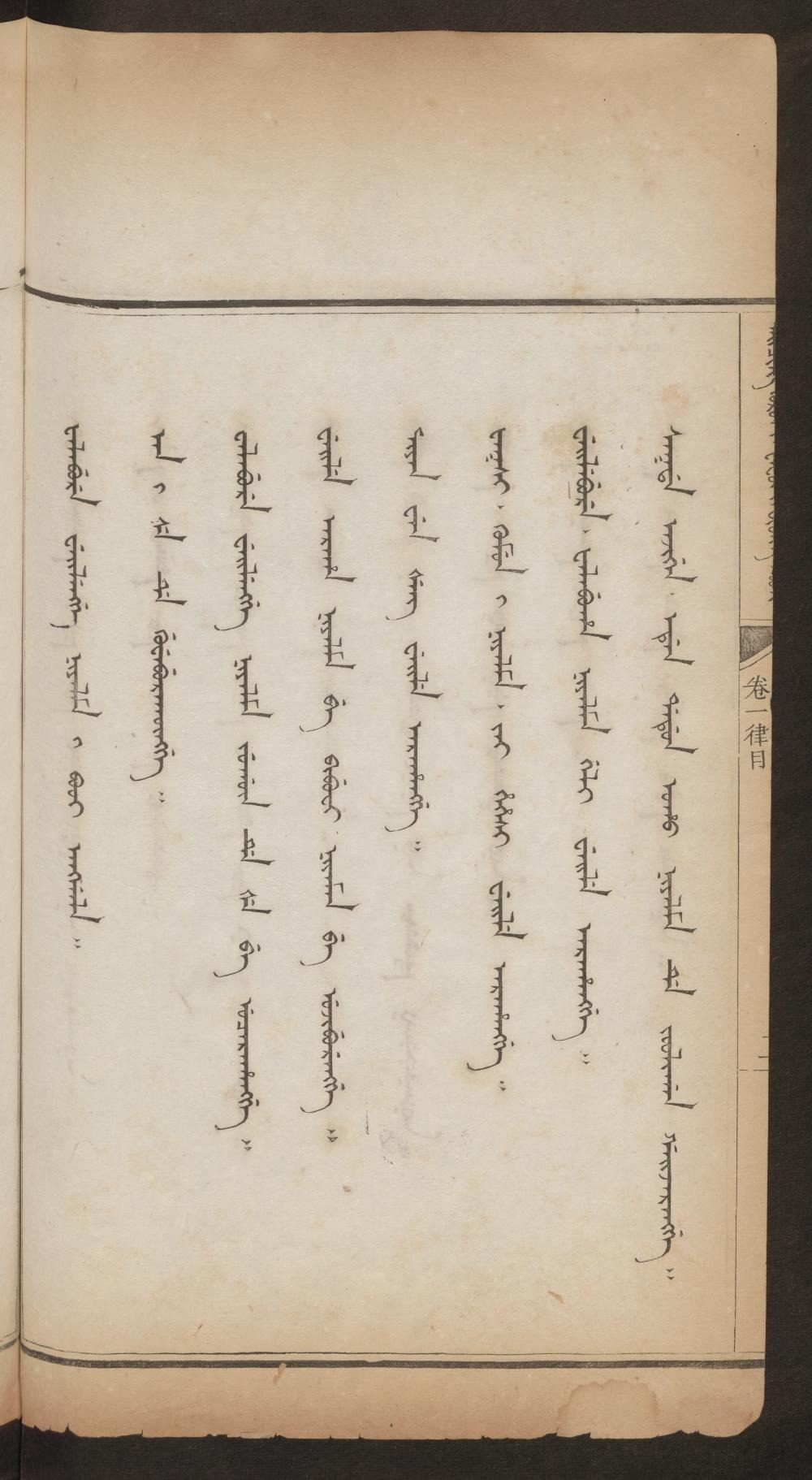
逐詞解析 · word-by-word(47 單元 · 覆蓋 95.7%)
流放罪犯之家口,照例不予寬免者。 發遣罪犯,於途中遇赦者。 將犯罪之人留養其親者。 殿文笙犯罪者。 工匠、樂人及婦女犯罪者。 服役之遣犯復又犯罪者。 年老、幼小、殘疾者,收贖銀者。
EnglishThose cases (where) the household dependents of an offender sentenced to exile are not pardoned according to precedent. Those cases (where) an offender being transported encounters an amnesty on the road. Those cases (where) a person who has committed a crime is kept (from punishment) in order to be raised by his/her parents. Those who committed crimes (related to) Tiyan Wen Šeng. Those cases (where) artisans, musicians, and women commit crimes. Those cases (where) an exiled convict serving at hard labor commits another crime. Those cases (where) redemption money is taken from persons who are old, young, or disabled.
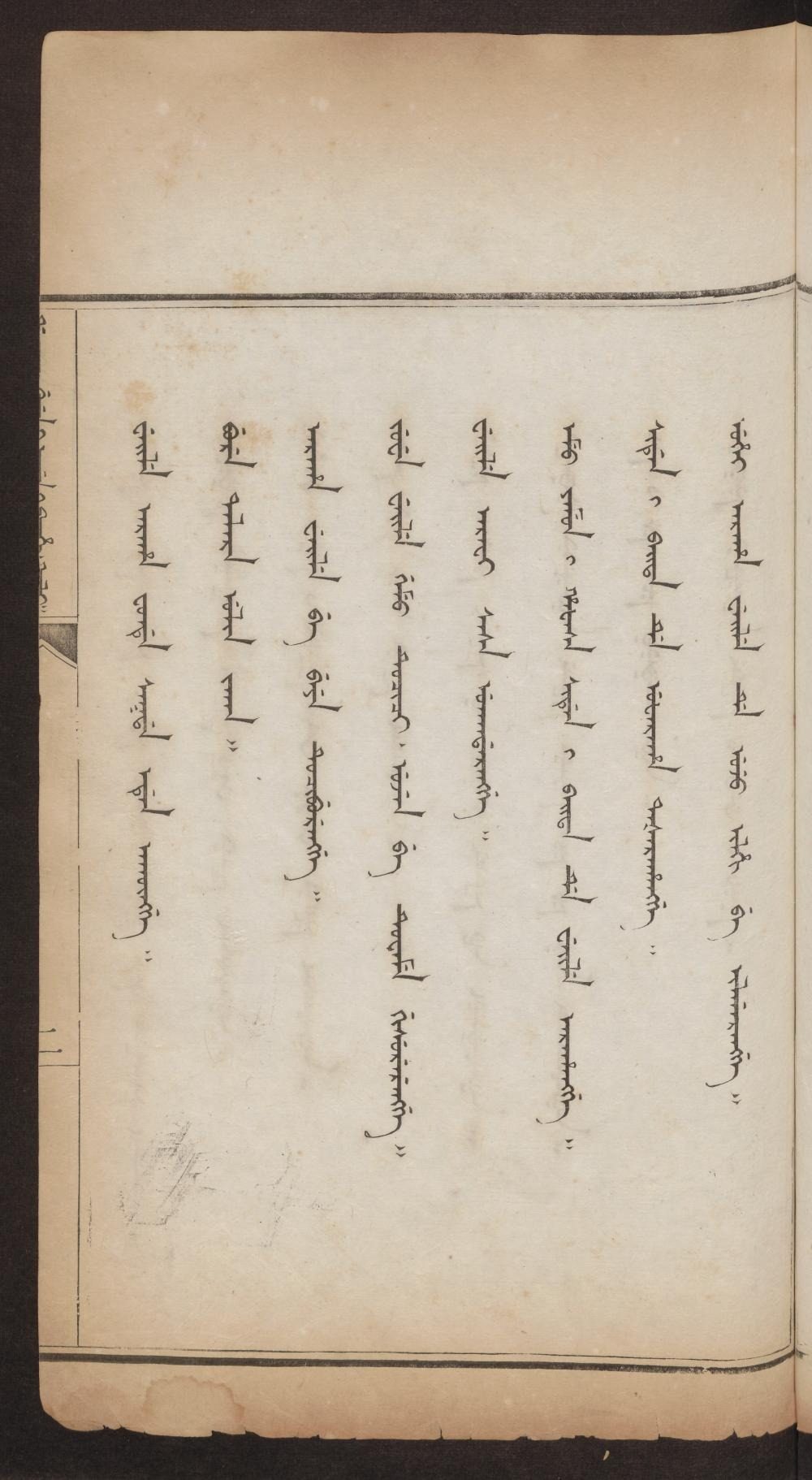
逐詞解析 · word-by-word(45 單元 · 覆蓋 97.8%)
犯罪時非老疾,而犯抄沒財物之罪自首者;二罪俱發自首,視其輕重議處;犯罪後一同逃逸者;同衙門官員於公事犯罪者;於公事有失誤差錯者;同謀犯罪中區分首從者。
EnglishThose who, at the time of committing a crime, are not old or disabled and surrender themselves for a crime involving confiscation of property; when two crimes are both surrendered, discussing (them) according to severity; committing a crime and then fleeing together; officials of the same yamen committing crimes in public affairs; making errors or mistakes in public affairs; distinguishing principal and accessory in jointly committed crimes.
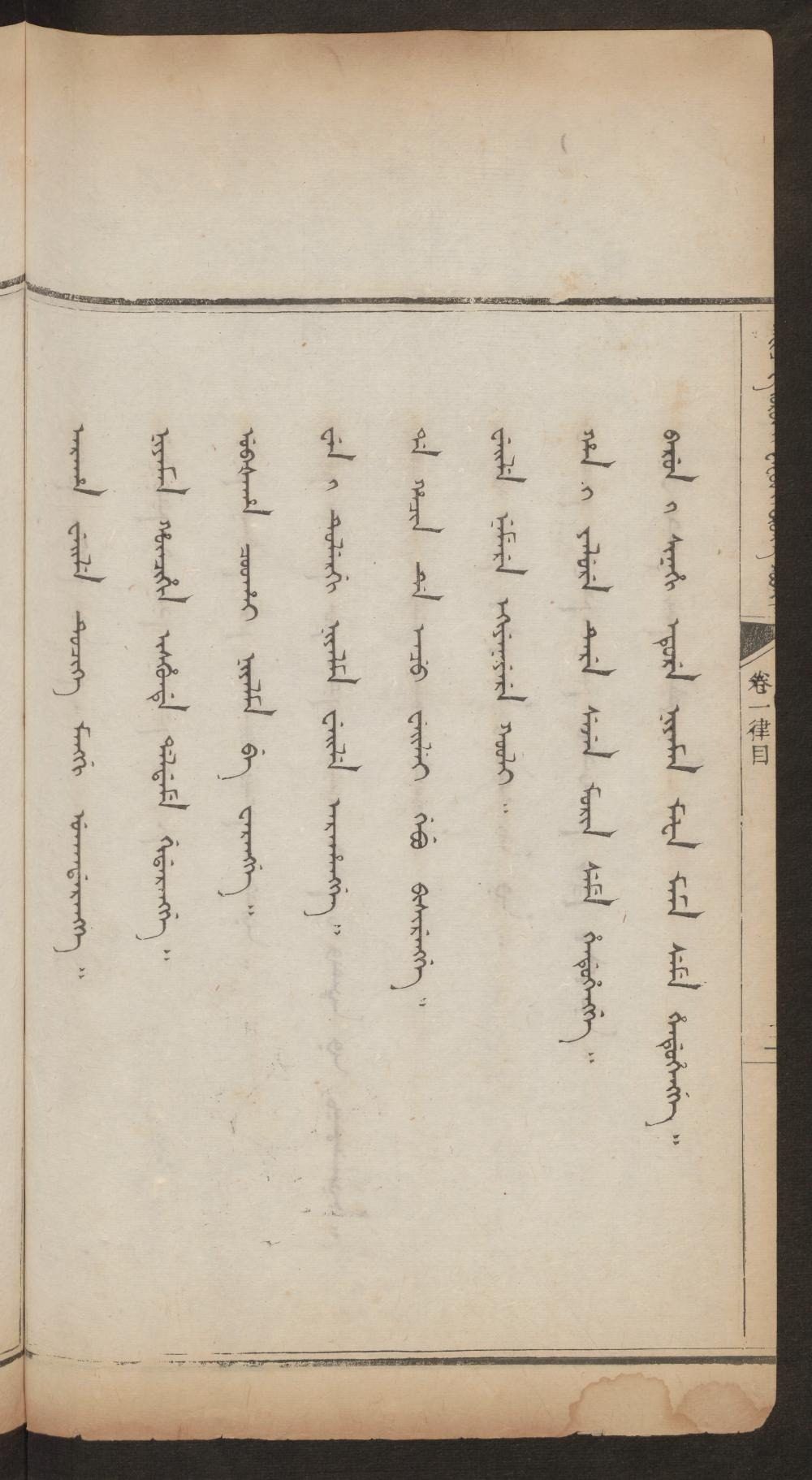
逐詞解析 · word-by-word(46 單元 · 覆蓋 93.5%)
犯罪事發在逃者;親屬互相容隱者;殺死反叛兵丁者;化外人犯罪者;本款內別有罪名者;加減罪例;稱御用車馬者;稱期親祖父母者
EnglishThose who, after committing a crime and it is exposed, flee; Cases where relatives conceal each other; Killing of rebelling soldiers; A person beyond the pale of civilization committing a crime; Where within the original section a separate name of offense exists; The statute for increasing or reducing punishment; What is referred to as “the cart and horse ridden by the Khan”; What is referred to as “the own paternal grandparents for whom anniversary mourning garments are worn”
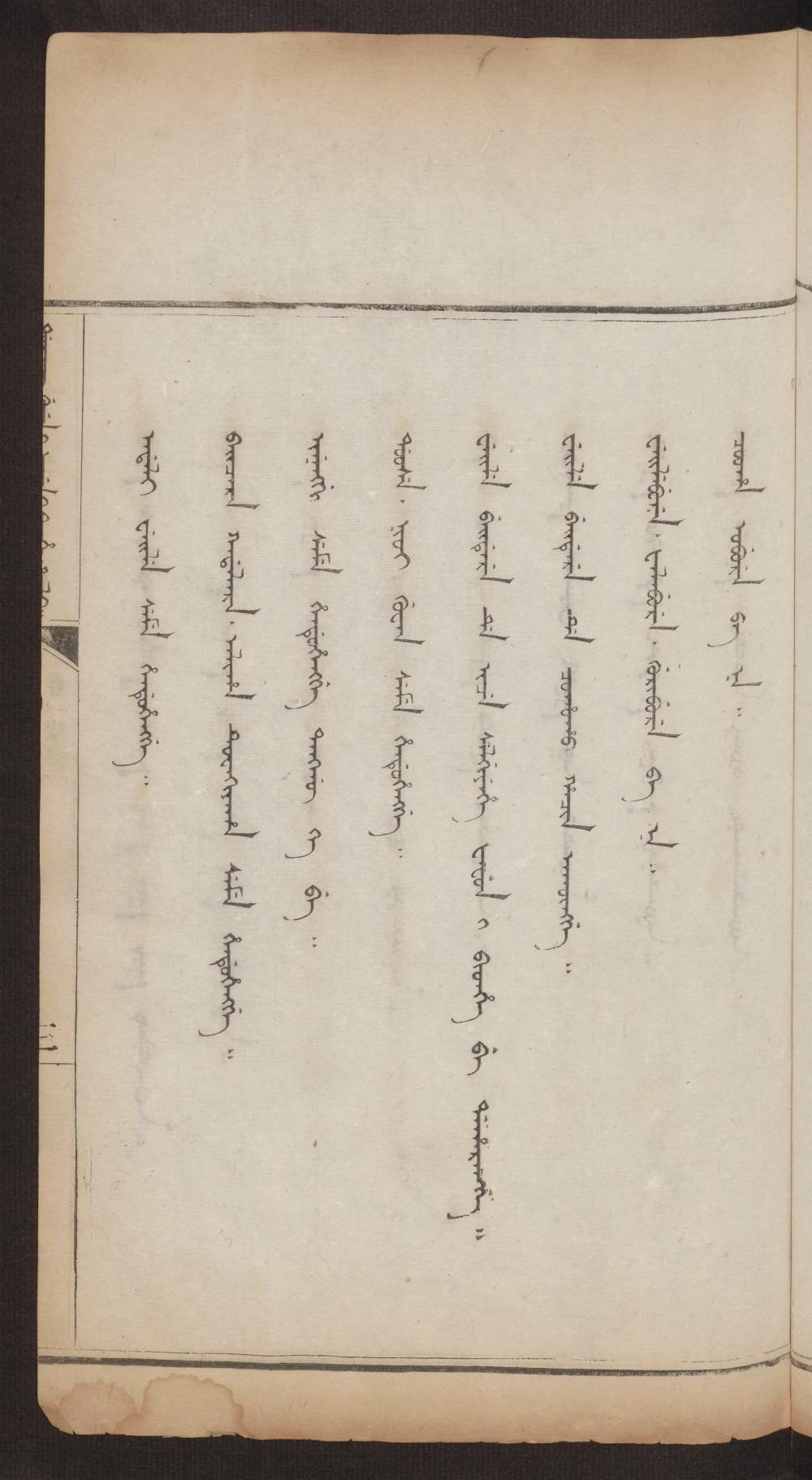
逐詞解析 · word-by-word(43 單元 · 覆蓋 95.3%)
所謂「同罪」;所謂「查、管、領、守」;所謂「日」;所謂「百刻道士玉觀」;所謂「審案時遵依新頒律例者」;所謂「審案時無阻滯者」;所謂「使服勞役、流放、遷移,編入地方行伍」〔?〕
Englishwhat is called “the same crime”; what is called “inspecting, controlling, receiving, guarding”; what is called “day”; what is called “the Daoist jade monastery of the hundred marks”; what is called “(that which) follows the newly promulgated statute book in judging crimes”; what is called “having no obstruction or hindrance in judging crimes”; what is called “making (them) serve penal labor, be exiled, relocated, and be made into local soldiers” 〔?〕