欽定大清律例 · 滿文本
Hesei toktobuha daicing gurun i fafun i bithe kooli, 第 83–152 頁
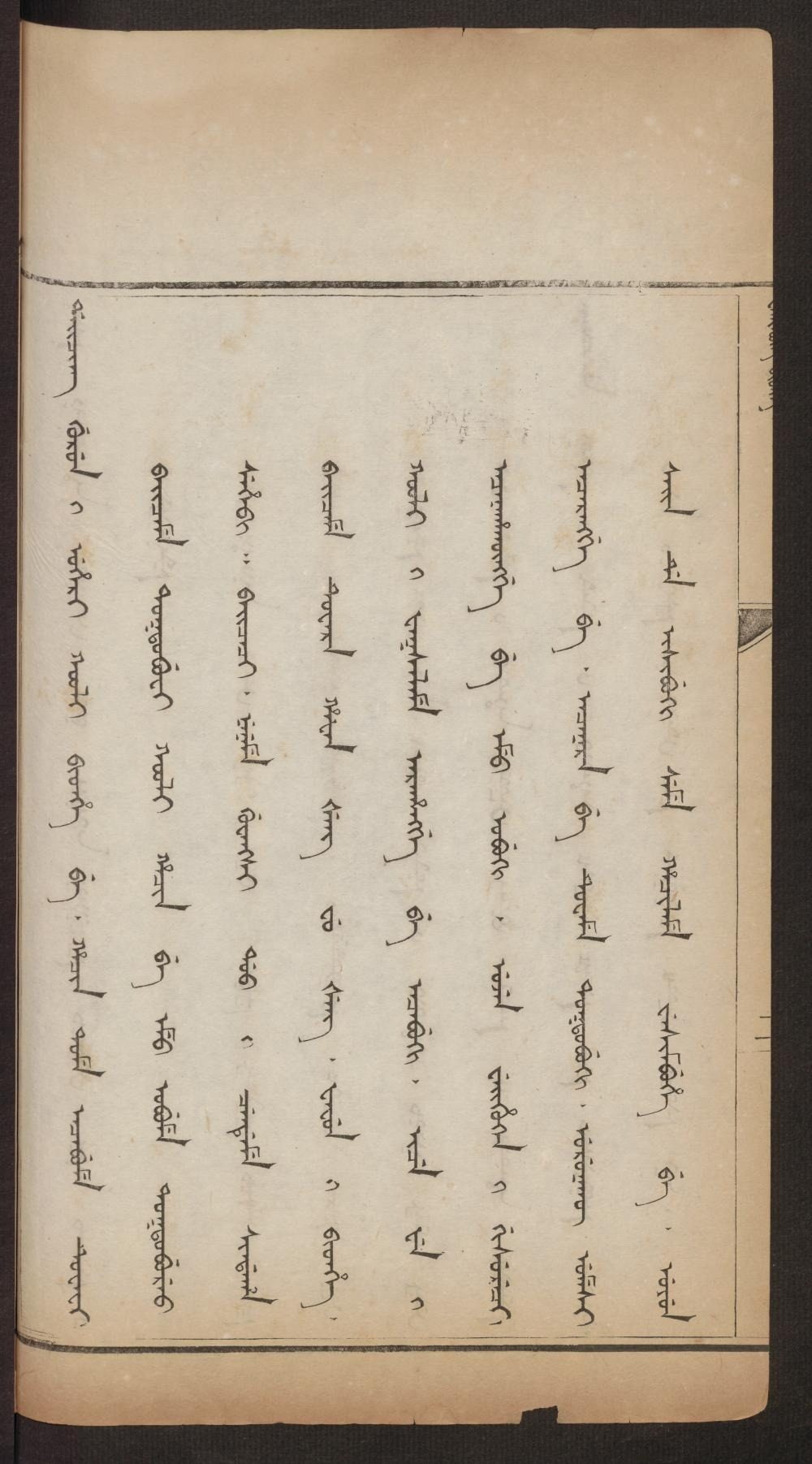
逐詞解析 · word-by-word(55 單元 · 覆蓋 98.2%)
查得,先前廣西道試放監察御史盛福〔?〕,曾將律例中分別編纂者奏請核對;新舊不符者請予統一;輕重應議之處,酌情核定,務期盡善盡美等因,逐款具奏。於九……
EnglishIt has been requested that the "Daicing gurun i uheri kooli bithe" be collated and examined section by section, checked and determined, and the regulations be unified. Upon investigation, previously, the investigating censor of Guangxi Circuit on probation, Sheng Fu [?], had memorialized that the separately compiled statutes and precedents be collated; that the discrepancies between the new and the old be unified; that matters of gravity which require deliberation be determined with due consideration; and that it be brought to utmost perfection. These were memorialized in detail. On the ninth…
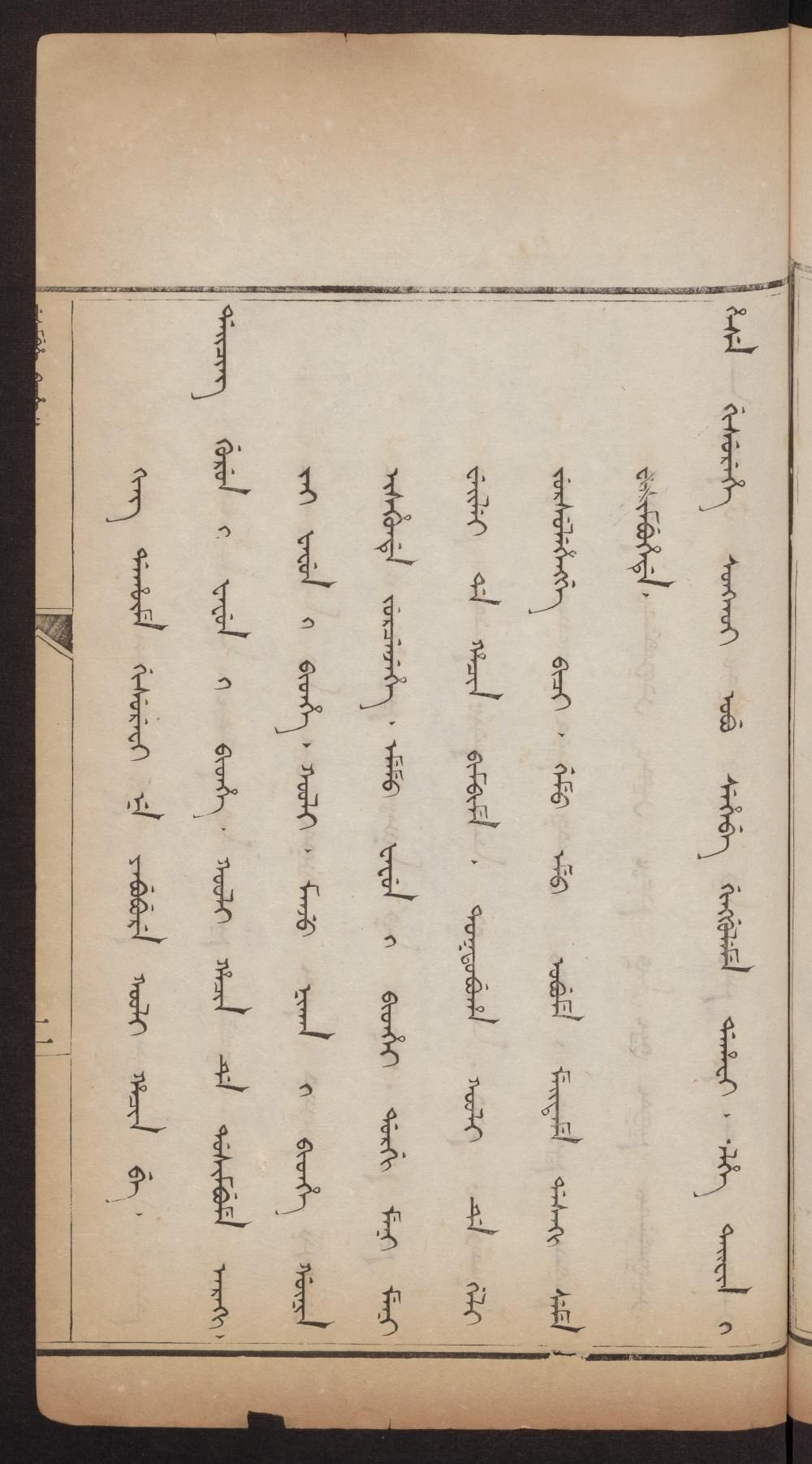
逐詞解析 · word-by-word(49 單元 · 覆蓋 100.0%)
KING 復奏稱:將現行例條款歸入《大清律例》條款內編纂;再,律例之滿、漢文本意思彼此相謬者,某些律例內,各有本罪之原條,而定例中又有重複之處,俱應劃一,裁減修訂。等因具奏時,奉旨:依議。欽此。欽遵。於康熙…
EnglishKING memorialized again, saying: “Let the currently enforced regulations be inserted into the articles of the Great Qing Code and compiled; moreover, concerning the Manchu and Chinese texts of the statutes where the meanings conflict with each other, in some statutes there exist original offense categories, yet there are also duplications in the established regulations; let all be unified and trimmed and revised.” When this was memorialized, an imperial edict said: “Let it be as proposed.” Respectfully obeying. In the Kangxi…
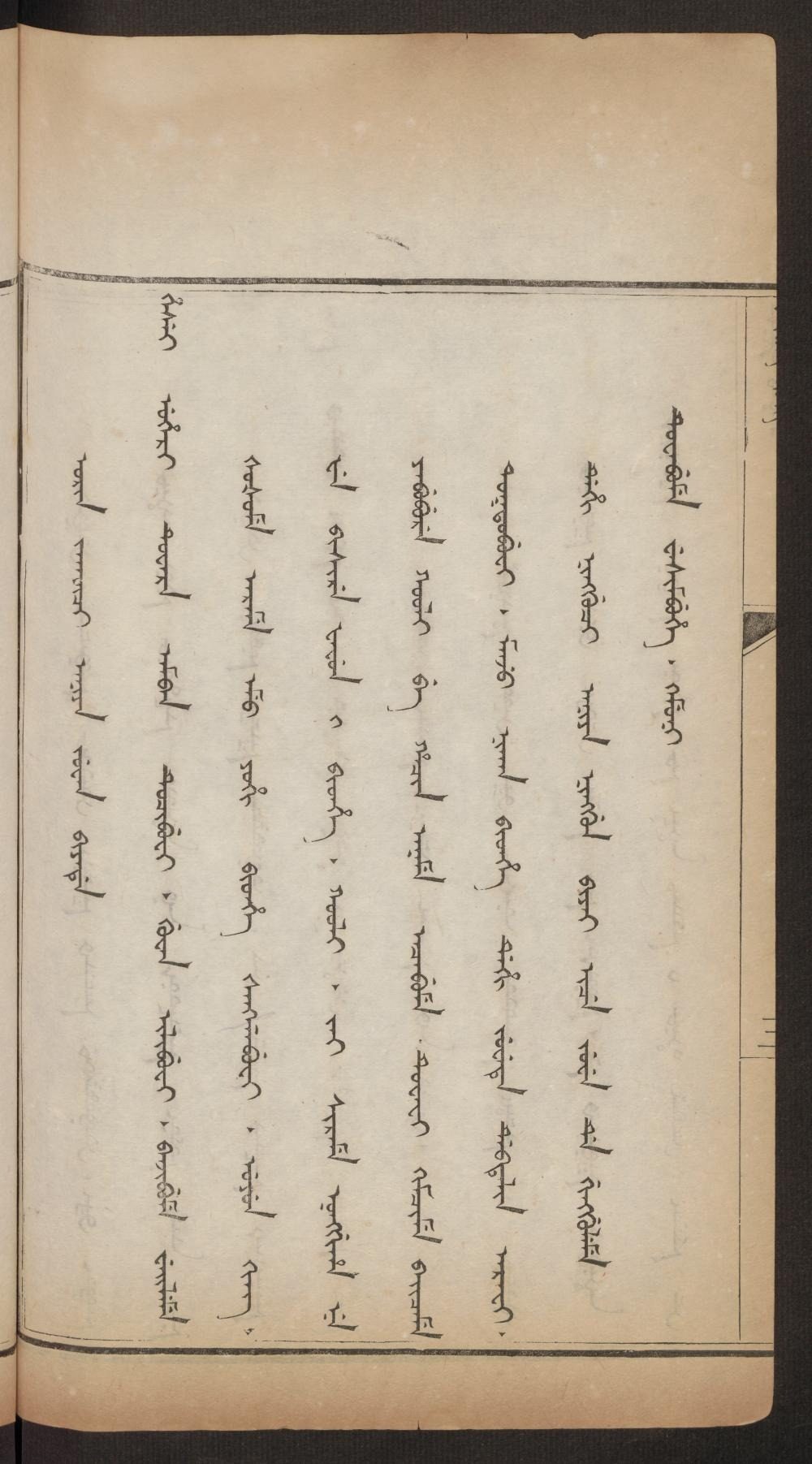
逐詞解析 · word-by-word(51 單元 · 覆蓋 100.0%)
二十八年十月,奉旨派出掌衛事大臣,設館纂修,匯輯成書,將九卿原有律例及續增現行例,逐條比照閱看,詳核審定,寫成滿、漢文各四十二卷,於四十六年六月初二日恭呈御覽。仍〔……〕
EnglishIn the 28th year, in the 10th month, by decree, the Grand Minister of the Imperial Guard was dispatched, a bureau was established, and through compilation and editing a complete set of books was completed. The old existing statutes and precedents of the Nine Chief Ministers, along with the subsequently added current regulations, were collated and examined item by item, carefully scrutinized and fixed, and written in Manchu and Chinese in forty-two volumes each. On the 2nd day of the 6th month of the 46th year, it was respectfully submitted for imperial inspection. Still...
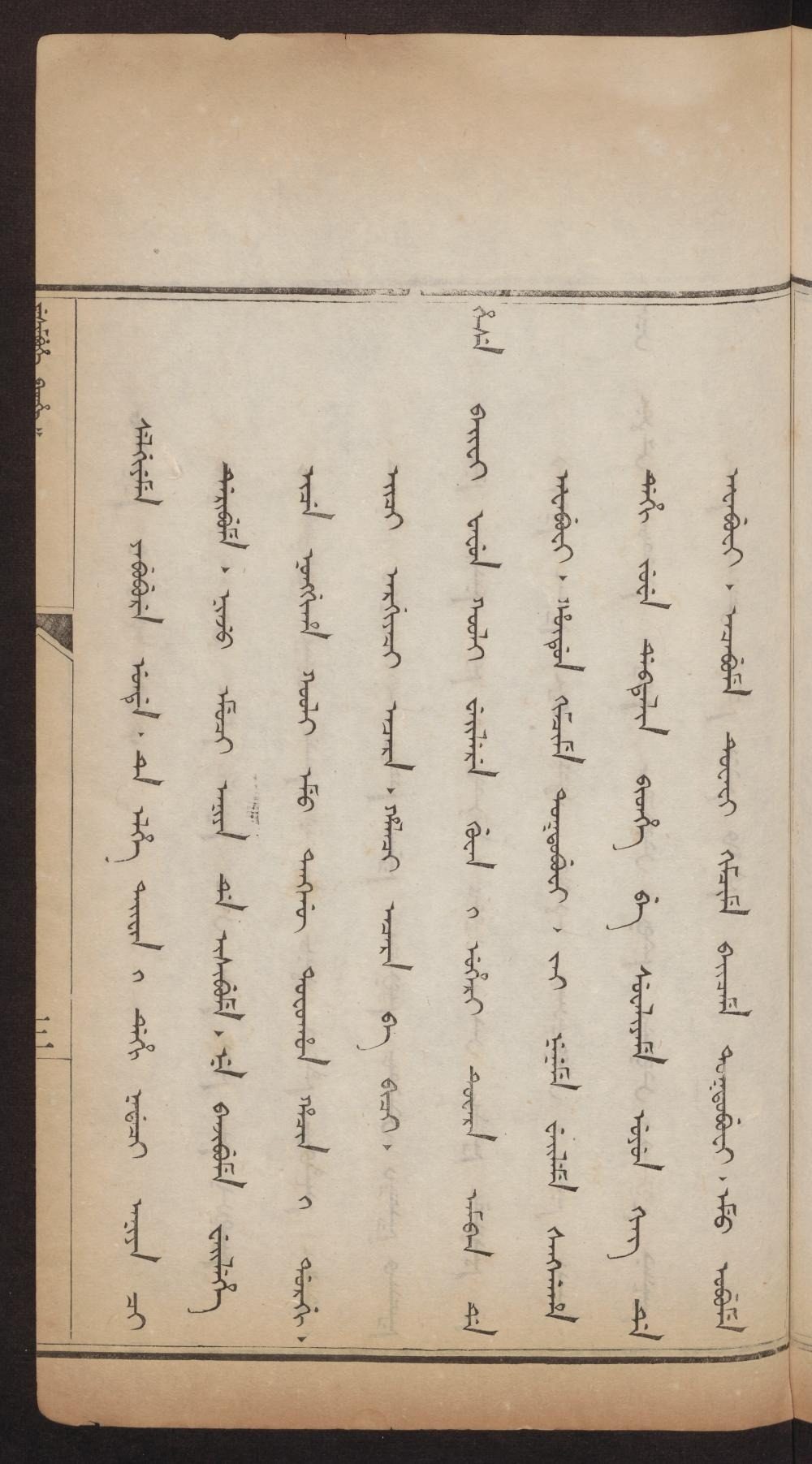
逐詞解析 · word-by-word(66 單元 · 覆蓋 100.0%)
尚未頒行。今自康熙四十七年起,至六十一年止,現纂新增條例一百一十五條之內,若有應刪、應改之處,查出交與律例館總裁大臣,迅速詳核定妥,再將先經纂成之四十二卷書,一併交與九卿,參閱詳察核定,合為一部。
EnglishIt had not yet been promulgated and put into effect. Now, within the one hundred and fifteen articles of newly compiled and added statutes, from the forty-seventh year of Kangxi to the sixty-first year inclusive, if there were any that should be deleted or amended, they were to be identified and handed over to the Grand Minister Superintendent of the Law Codification Office, who was to examine and determine them promptly; thereafter, together with the previously completed work in forty-two volumes, they were to be passed to the Nine Chief Ministers for comparison, scrutiny, verification, and finalization, so that all could be consolidated into a single corpus.
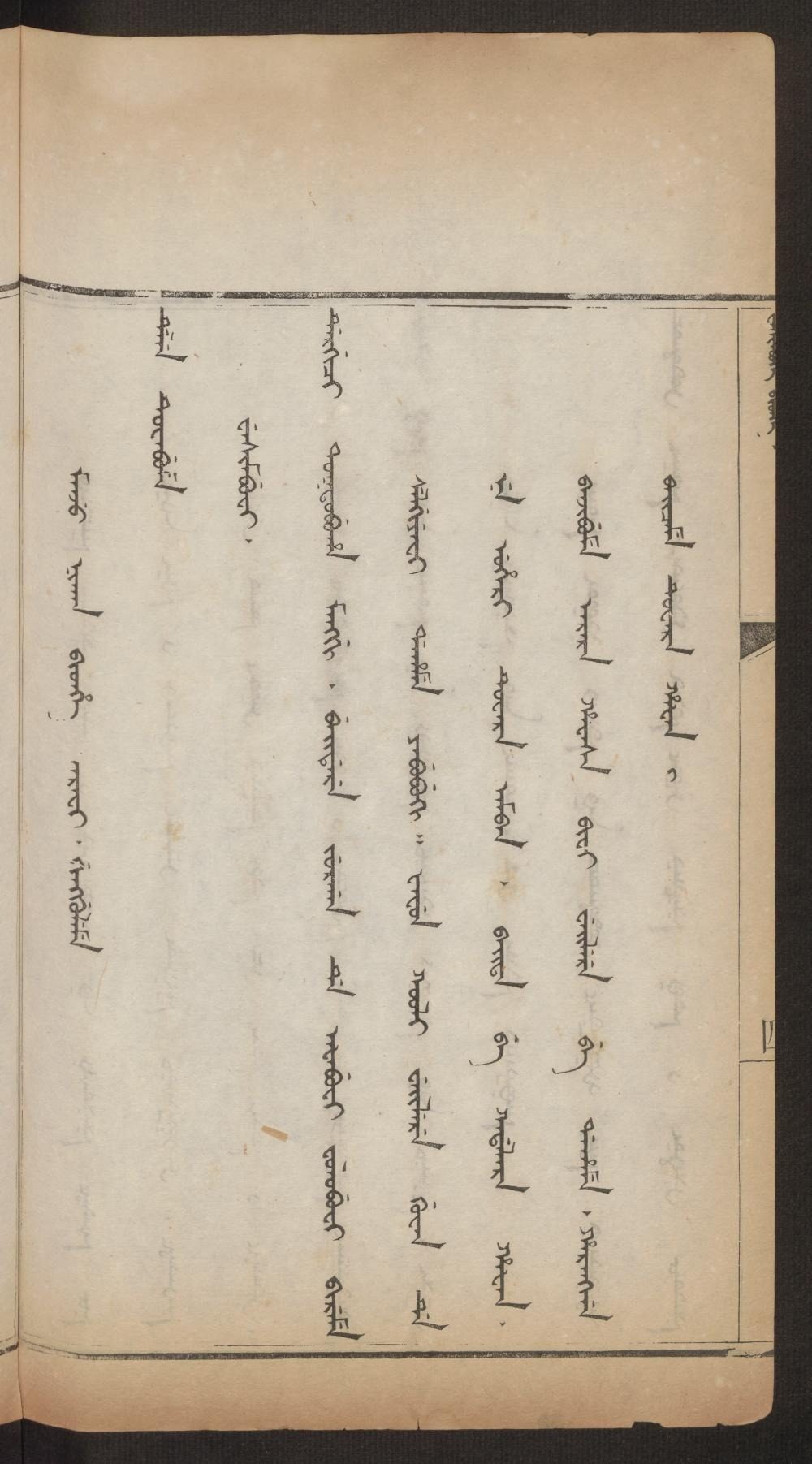
逐詞解析 · word-by-word(34 單元 · 覆蓋 97.1%)
以滿漢文書寫,敬呈御覽,奏請欽定;奉上諭頒定後,交刑部刊刻,通行曉諭,俾令遵行。法律館內現有掌衛事大臣、提調官、編纂官等在館修書,其兼轄之監察御史…
EnglishHaving been written in both Manchu and Chinese, and respectfully presented for imperial inspection and memorialized; after His Majesty has decreed, it is to be handed over to the Board of Punishments for printing and universal promulgation, to be followed and implemented. In the Law Code Compilation Office, there are currently the Grand Minister in Charge, the Supervising Officials, and the Compilers engaged in the compilation work, and the subordinate Censorial Inspectors’…
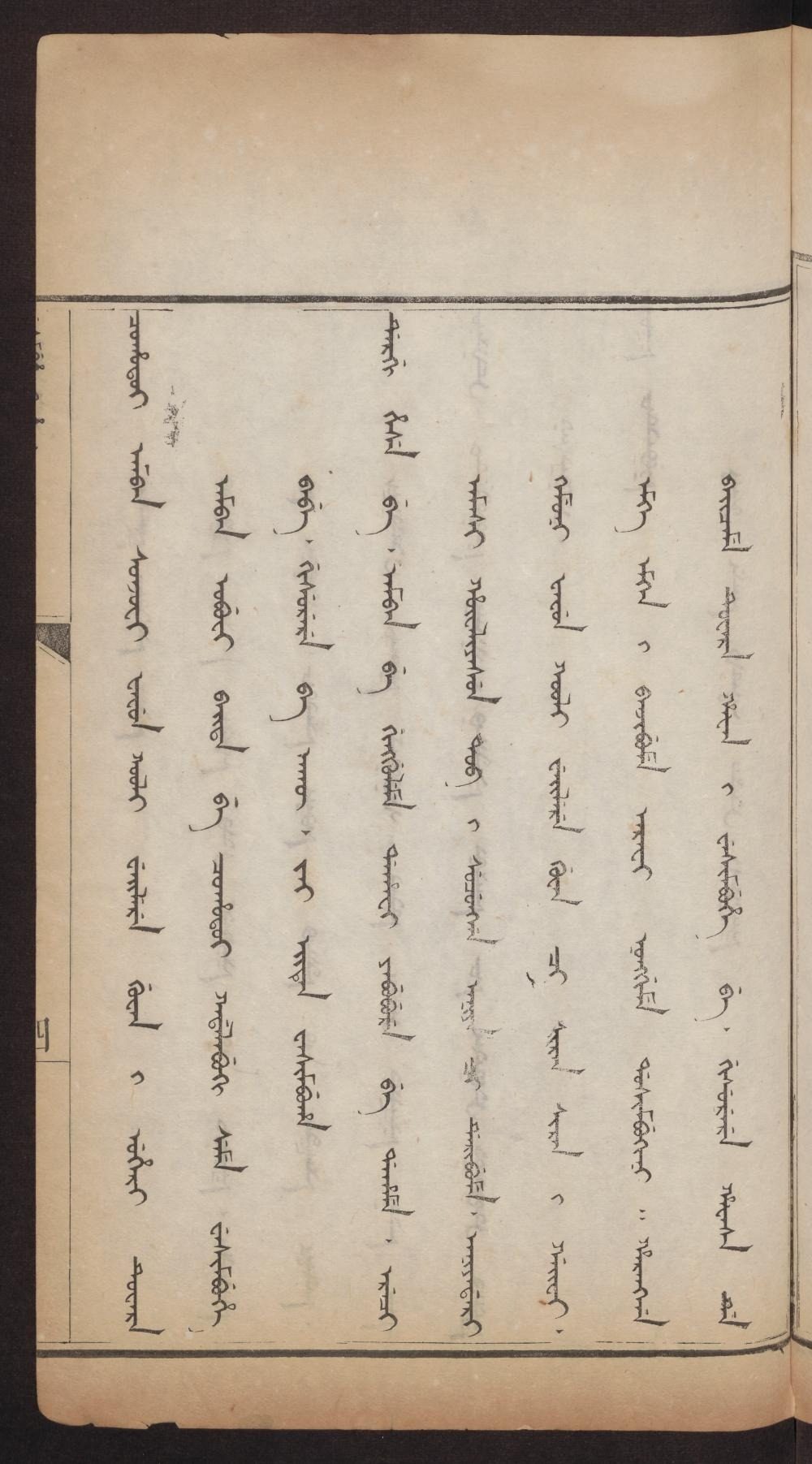
逐詞解析 · word-by-word(54 單元 · 覆蓋 100.0%)
特揀大臣,授為律例館掌衛事大臣,令專管其事等因具奏之處,毋庸議。再,所有降下上諭,臣等既敬謹遵行,嗣後,自雍正元年伊始,每年仍由律例館陸續提取,逐一編纂增添,歸入。所屬監察御史所奏,交議政官員等。
EnglishThe memorial stating that a special minister be selected and appointed as the chief minister of the Law Code Revision Office (fafun kooli weilere guwan) to specially oversee affairs—this point is not to be discussed. Moreover, since we ministers respectfully follow and implement all issued imperial edicts, henceforth, beginning from the first year of Yongzheng, every year let (items) still be successively taken from the Law Code Revision Office, compiled one by one, and added in. The memorials submitted by the subordinate investigating censors (baicame tuwara hafan) are to be referred to the deliberating officials…
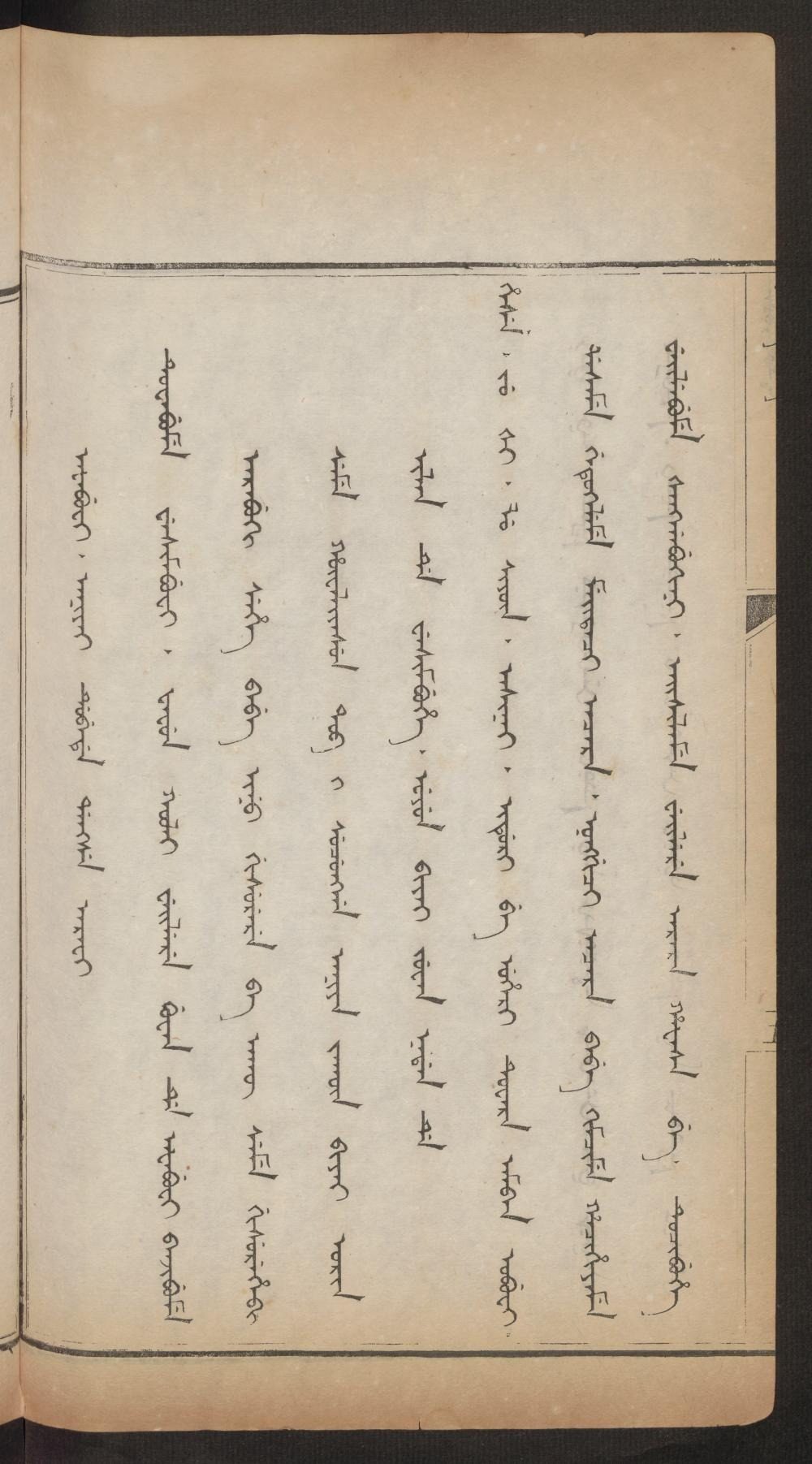
逐詞解析 · word-by-word(62 單元 · 覆蓋 100.0%)
交付之後,年終繕寫檔案呈覽具奏,並將律例交與修例欄柵編纂寫定等語,亦言毋庸議。雍正元年八月二十三日奏,九月十七日奉旨:著將朱軾、魯西雲、阿思海、伊都立授爲掌衛事大臣,復行確查應刪、應增之處,從速詳辦完竣。輔助辦事撰擬之官員,已予推出。
EnglishAfter (its) being handed over, at the year-end a register was written, displayed, and memorialised; the statement that (it) should be delivered to the law-compiling office (guwan) and be compiled and written was also said to be a matter not requiring discussion. (It was) memorialised on the 23rd day of the 8th month of the first year of Hūwaliyasun Tob (Yongzheng 1). On the 17th day of the 9th month an edict: Appoint Ju Ši, Lu Siyūn, Asinai, and Iduri as the Minister in Overall Charge; again do a clarifying check, urgently carry out and complete the matters that should be cut and those that should be added. The officials assisting in the work of drafting were brought forth.
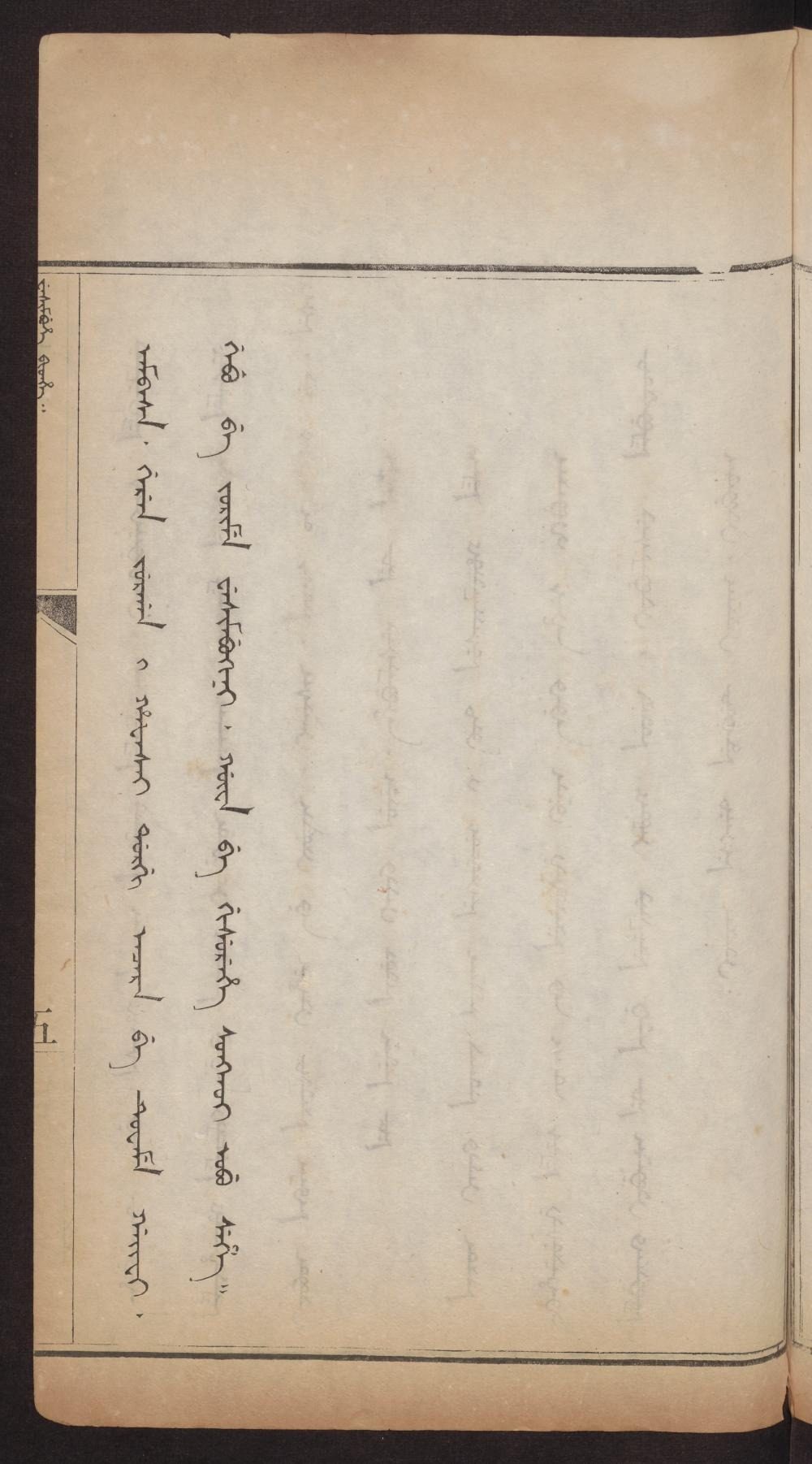
逐詞解析 · word-by-word(14 單元 · 覆蓋 100.0%)
著大臣等於各部院官員內酌量選取,指名具奏;餘依議。欽此。
EnglishLet the grand ministers, selecting appropriately from among the officials of all boards, nominate and submit their names; as for the rest, let it be as proposed. So ordered.
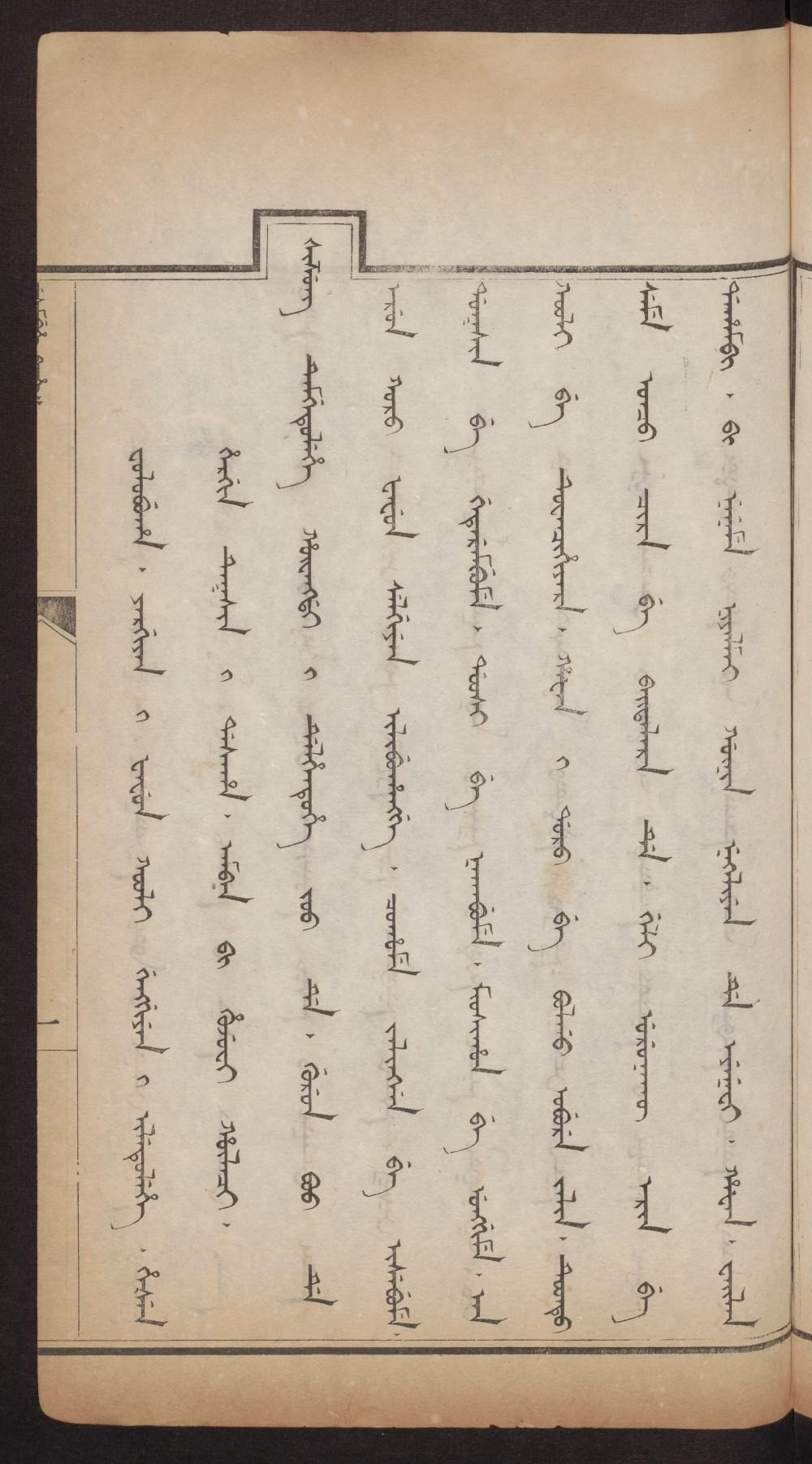
逐詞解析 · word-by-word(67 單元 · 覆蓋 97.0%)
刻頒之真律法,昭明之綱紀,整齊修訂。臣俯伏讀之,世宗憲皇帝遺詔中,於國家內設立刑罰法令,專為懲奸、除甲、止貪、逐邪、矯正常例、澄清官箴之故。雖然,施寬仁之際,亦必順時。臣先於人心之薄處流連,凡官吏……
EnglishThe engraved genuine laws, the brilliantly manifested guiding principles, and the evenly revised regulations—I, your servant, bow down and read them. In the testamentary edict of Emperor Shizong Xian (Temgetulehe Hūwangdi), within the realm, the penal and legal codes were established precisely to punish the treacherous, clear away armored evils, halt the greedy, banish the perverse, rectify regular norms, and purify the official way. Nevertheless, in employing leniency, one must also follow the times. I previously drifted into the frailty of people’s minds, and the officials…
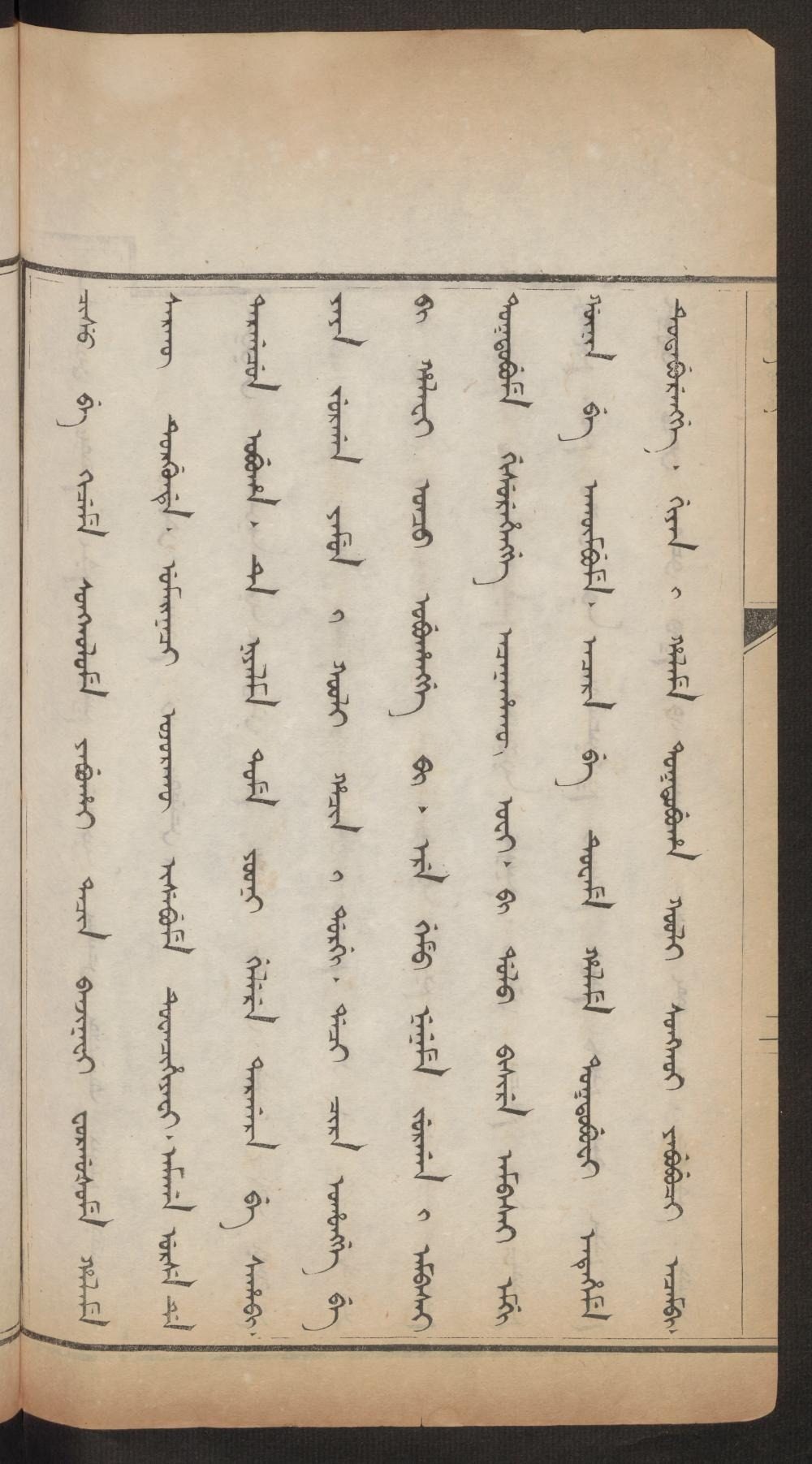
逐詞解析 · word-by-word(68 單元 · 覆蓋 100.0%)
因追逐私利、相沿效仿,習以成風,而昧於時勢變遷,不得已乃懲處矯正,垂為後人之戒。今人人皆深曉畏忌。凡部院章程內,原屬嚴厲者,朕改從寬大。此皆因先前部臣議定未協,朕與在廷大臣共竭心力,斟酌改定,垂為永久。理應遵照新定之例施行。
EnglishBecause a habit formed through pursuing private interests and following one another in like manner, and because (they) knew not to adapt amidst vicissitudes and changes, there was no choice but to punish and correct, making it a warning for later generations. Now every person fully knows to fear and shun. In the regulations and rules of all boards and courts, those that were originally strict, I have changed to lenient. All this being that the previous deliberations of the high officials of the boards did not accord properly, I, together with the ministers present at court, have exhausted (our) thoughts, revised and settled them after due consideration, and made them perpetual. It is proper that they be implemented in accordance with the newly revised regulations.
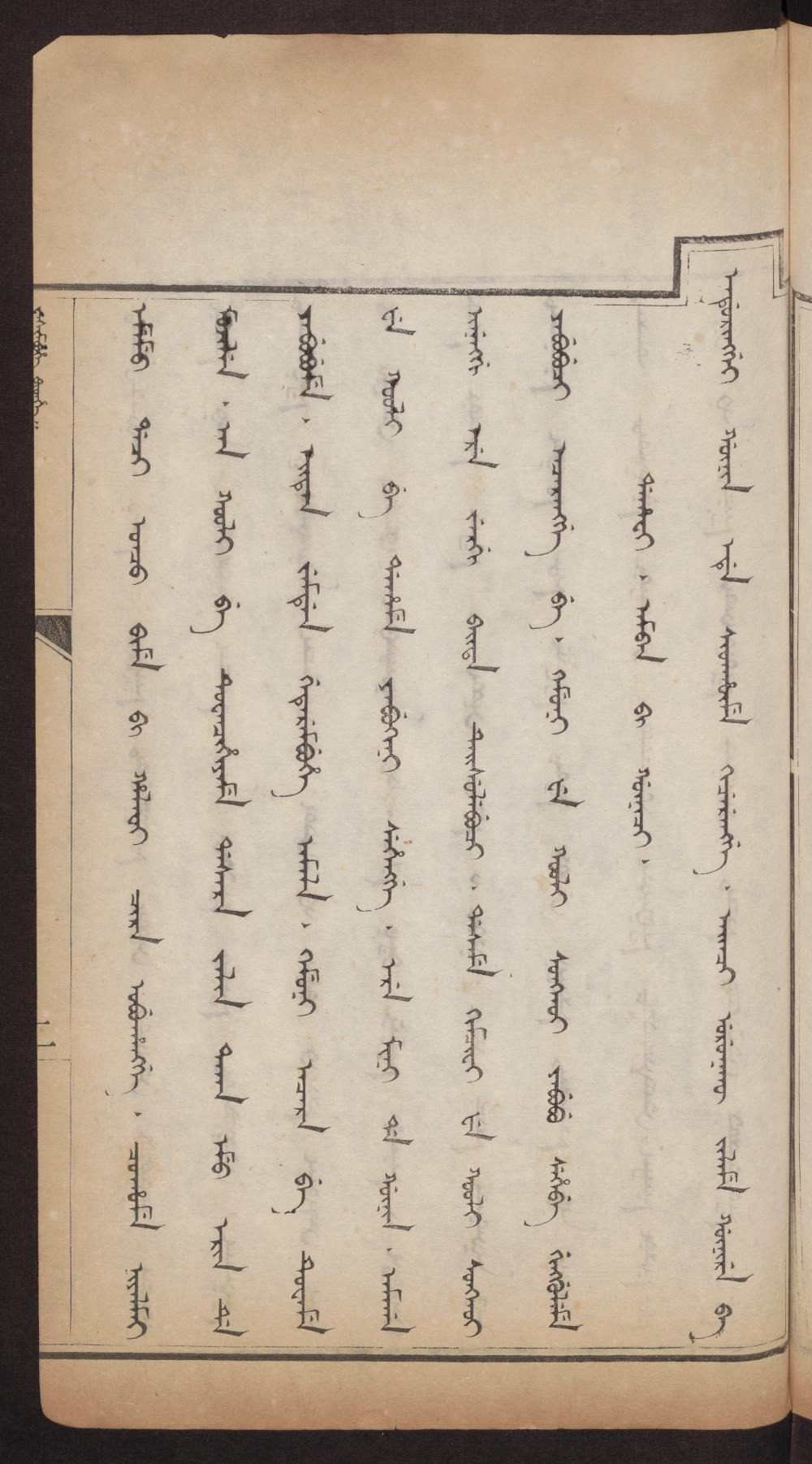
逐詞解析 · word-by-word(63 單元 · 覆蓋 100.0%)
有些向來寬緩而朕改為從嚴者,特為整飭人心風俗,暫行一時,俟一切弊端清除之後,仍當酌量,令其循依舊例。此乃朕之本意。日後若遇此等事件,再加覆查,應照舊例辦理者,仍照舊例辦理。臣恭謹遵奉,竊思聖心於此專精用力,想必有矯正考量之處。
EnglishThose which were originally lenient but (which) I changed and made strict—(this) was specially done in order to rectify people’s hearts and customs, (and) to be implemented temporarily for one season. After all abuses have been eliminated, let (them) still deliberate and follow the old regulations. This was my original intention. In future days, should matters of this sort be encountered, after re-examining, what ought to be carried out according to the old regulations shall still be carried out according to the old regulations. [I/your minister] respectfully obey. I, your minister, think: the sage heart’s diligent exertions herein must surely have a place for corrective contemplation.
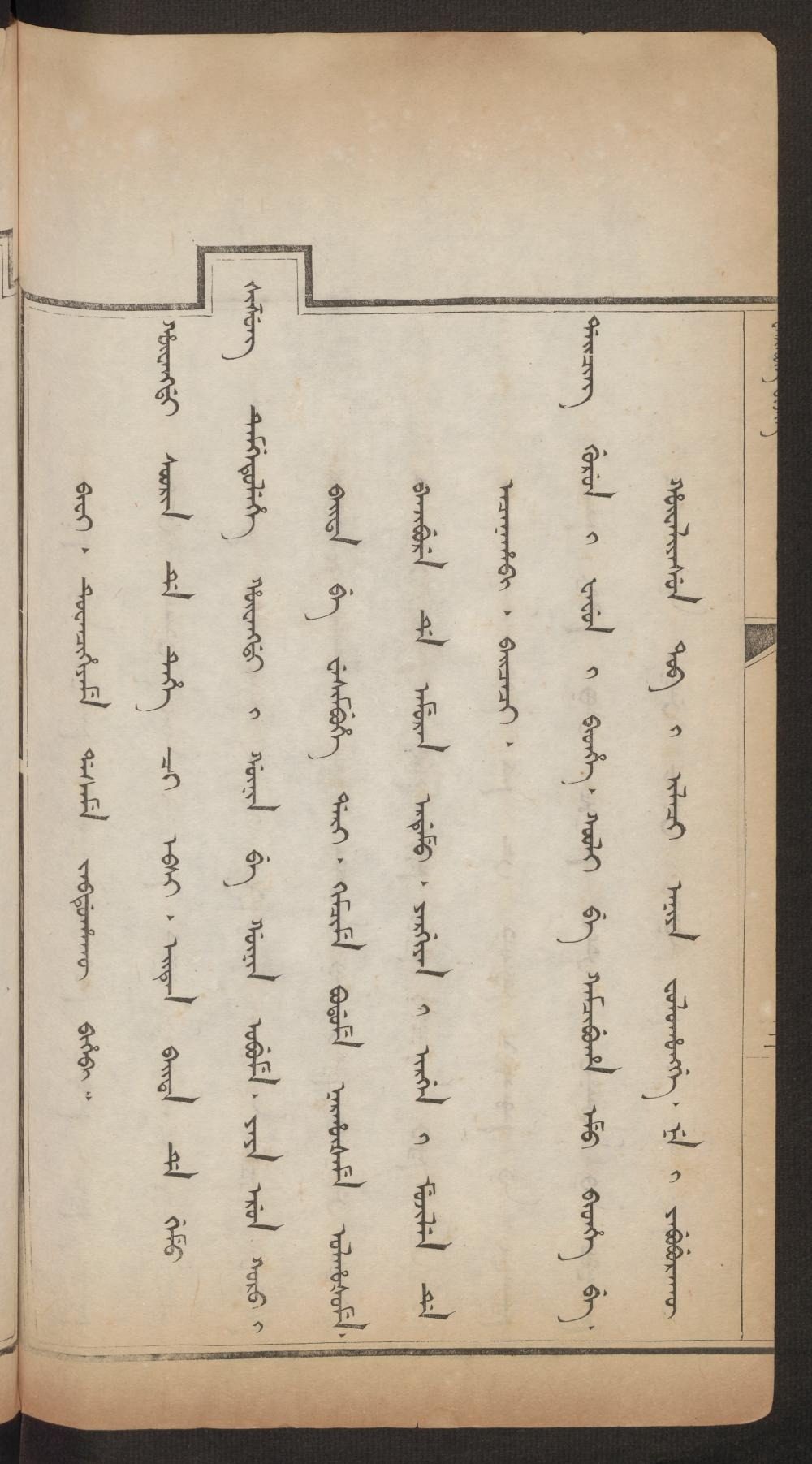
逐詞解析 · word-by-word(59 單元 · 覆蓋 98.3%)
而事先詳察未能周全。皇帝自登極以來,諸凡事務皆以世宗憲皇帝之心為心。凡刑名案件,每於奏上之時,必詳核謀算,細慎密裁,性之所好。實德誠與民心相合。查得,大淸律例合編一書,刻於雍正三年,今已不行。
EnglishThere were oversights in which advance scrutiny was not fully conducted. Since ascending the throne, the Emperor has taken the mind of the Shizong Xian Emperor as His own in every affair. Whenever matters of punishment and justice were memorialized, (s)he carefully calculated, scrutinized minutely, and decided cautiously, being fond of doing so. True virtue indeed accorded with the hearts of the people. Upon investigation, a book combining the statutes and precedents of the Great Qing, carved in the third year of Yongzheng, is no longer enforced.
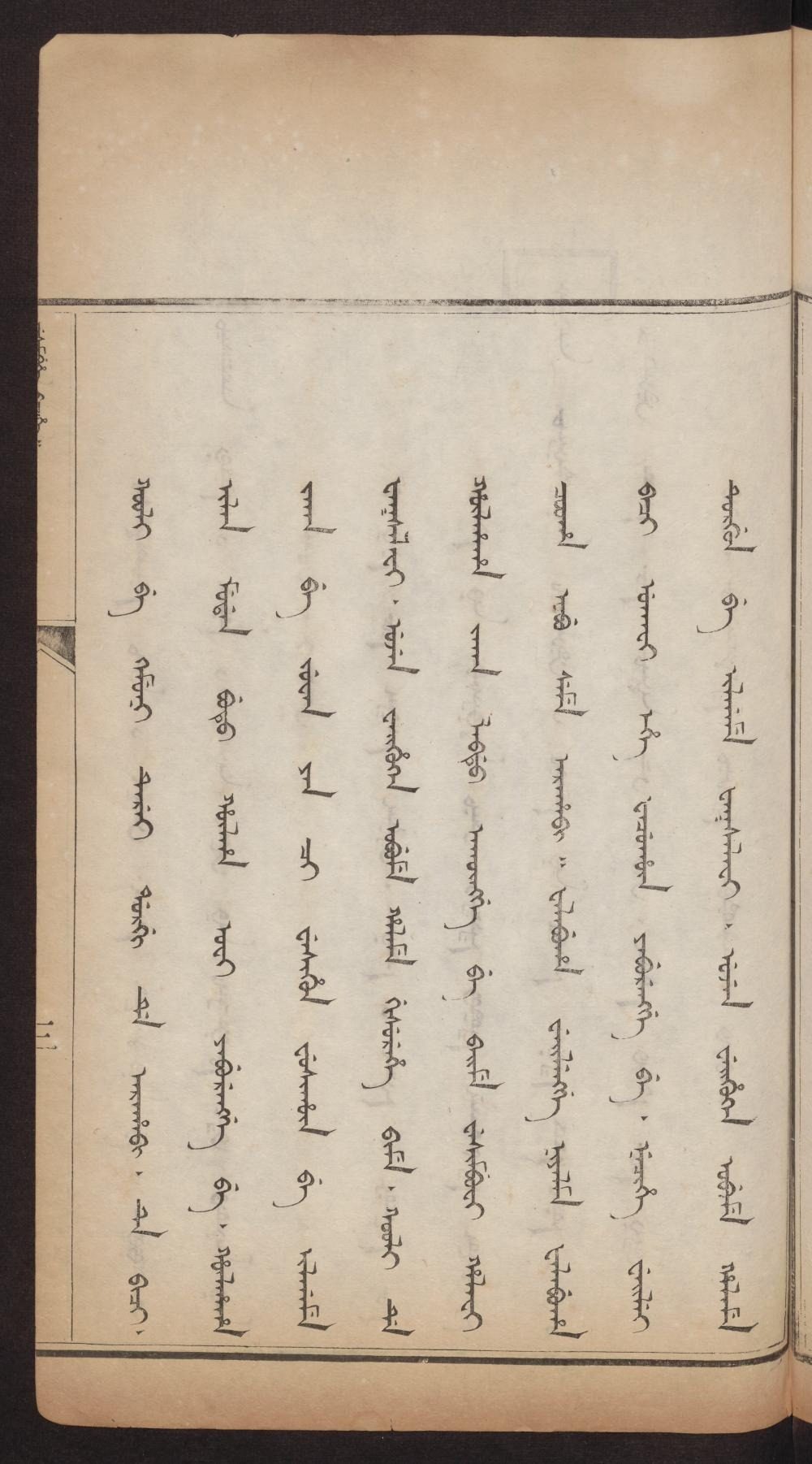
逐詞解析 · word-by-word(62 單元 · 覆蓋 96.8%)
其律例仍載於該書之中。今有三次為竊盜而行者,將所竊財物以十兩為界,區分上下,改定輕重之例;而律例中對於竊盜財物不多者,經奏請修改,寫有「兵……」等語。又,將流放罪犯從流放地逃逸、為非作亂者,區分其原犯罪由,分別輕重,予以修改。
EnglishThe statutes are still written within that [book]. Now, regarding those who act as thieves three times, the stolen goods have been distinguished as above or below ten taels, and [the penalties] have been revised to heavy or light, and it has been so spoken of; and in the statutes, for cases where the stolen goods are not many, after memorializing to request a change, it has been written “cooha abu…” (?). Also, regarding exiled criminals who escape from their place of exile and engage in evil and disorder, the circumstances of their original crimes have been distinguished, and [the penalties] have been revised to heavy or light.
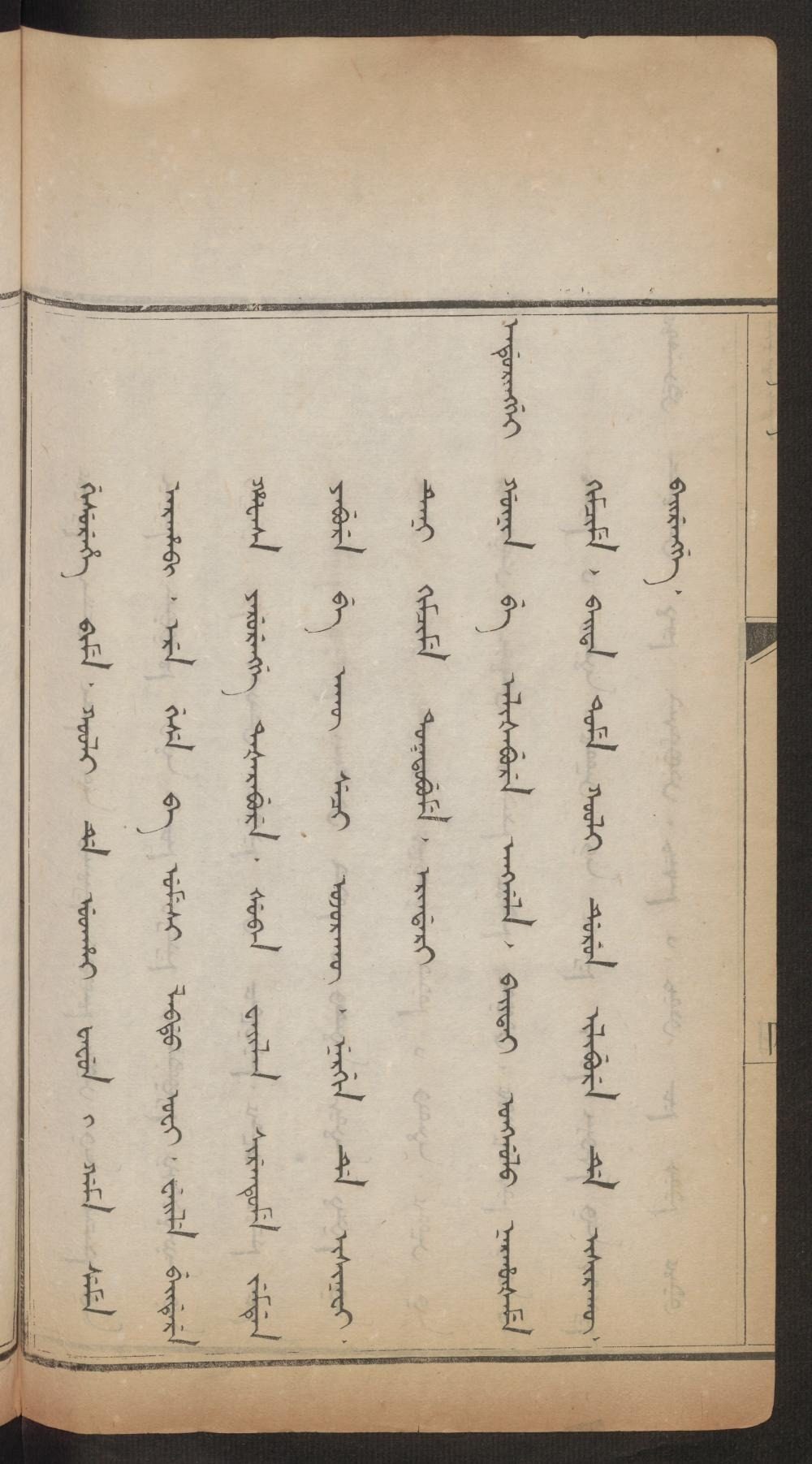
逐詞解析 · word-by-word(50 單元 · 覆蓋 100.0%)
業經奏明,並於律例內即寫定「隨即依法究辦」等語。因此等情事極多,審案各官援引致誤,書吏外郎勾通舞弊,難言必無。及至臨事始行詳核定擬,時煩聖慮,與其如此,不如於事前詳加酌核,每事預立章程規制。伏乞
EnglishIt has been stated, and in the statutes it has been written “immediately handle according to the law.” Because such situations are extremely numerous, the citations by the case-investigating officials cause mistakes, and (clerical) scribes and petty officials collude to practice corruption—it cannot be claimed that there is none. Only when it reaches the point (of action or sentencing) do (they) examine and determine (the matter) in detail, and from time to time the Sagely mind is troubled. Rather than this, it is requested that beforehand, (they) examine and deliberate minutely, and for each matter set up statutes and regulations. (This is) what is humbly prayed.
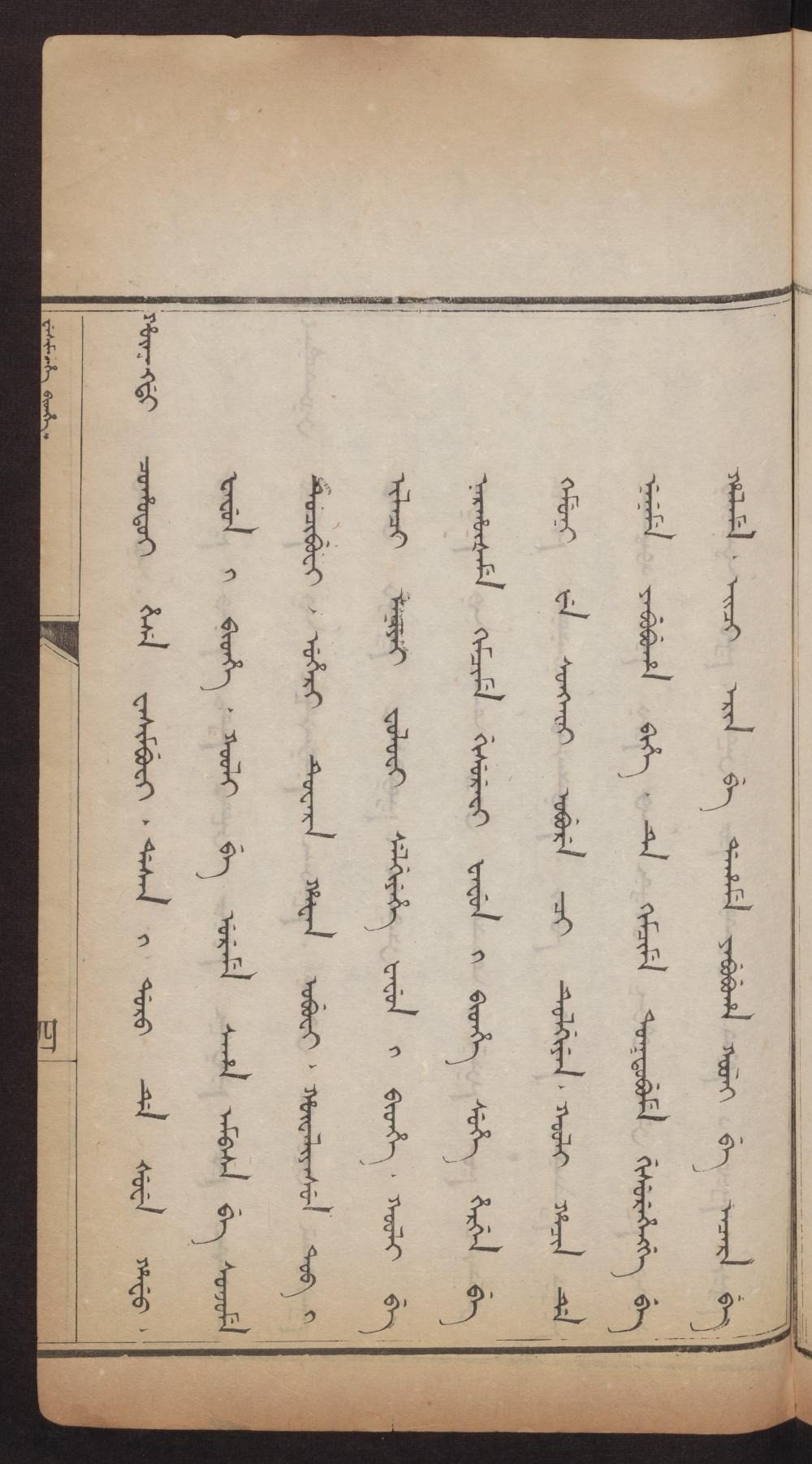
逐詞解析 · word-by-word(58 單元 · 覆蓋 96.6%)
皇帝特降特旨,於治國之道,揀選熟諳律例之大臣,任命為總裁官,將雍正三年刊刻頒行之律例詳慎討論,除律文注解仍依舊例之外,於各項條例中,其先前曾經施行者,現今詳定更易,或隨時勢施行之條例,其適宜之處……
EnglishThe Emperor issued a special decree; in the way of governance, ministers who were thoroughly versed in the legal code were selected and appointed as general editors, and after carefully discussing the legal code engraved and promulgated in the third year of Yongzheng, apart from keeping the legal annotations as before, among the various statutes, those previously implemented were now to be revised if they had been carefully determined and discussed, or the statutes that had been implemented according to the times were to be made appropriate…
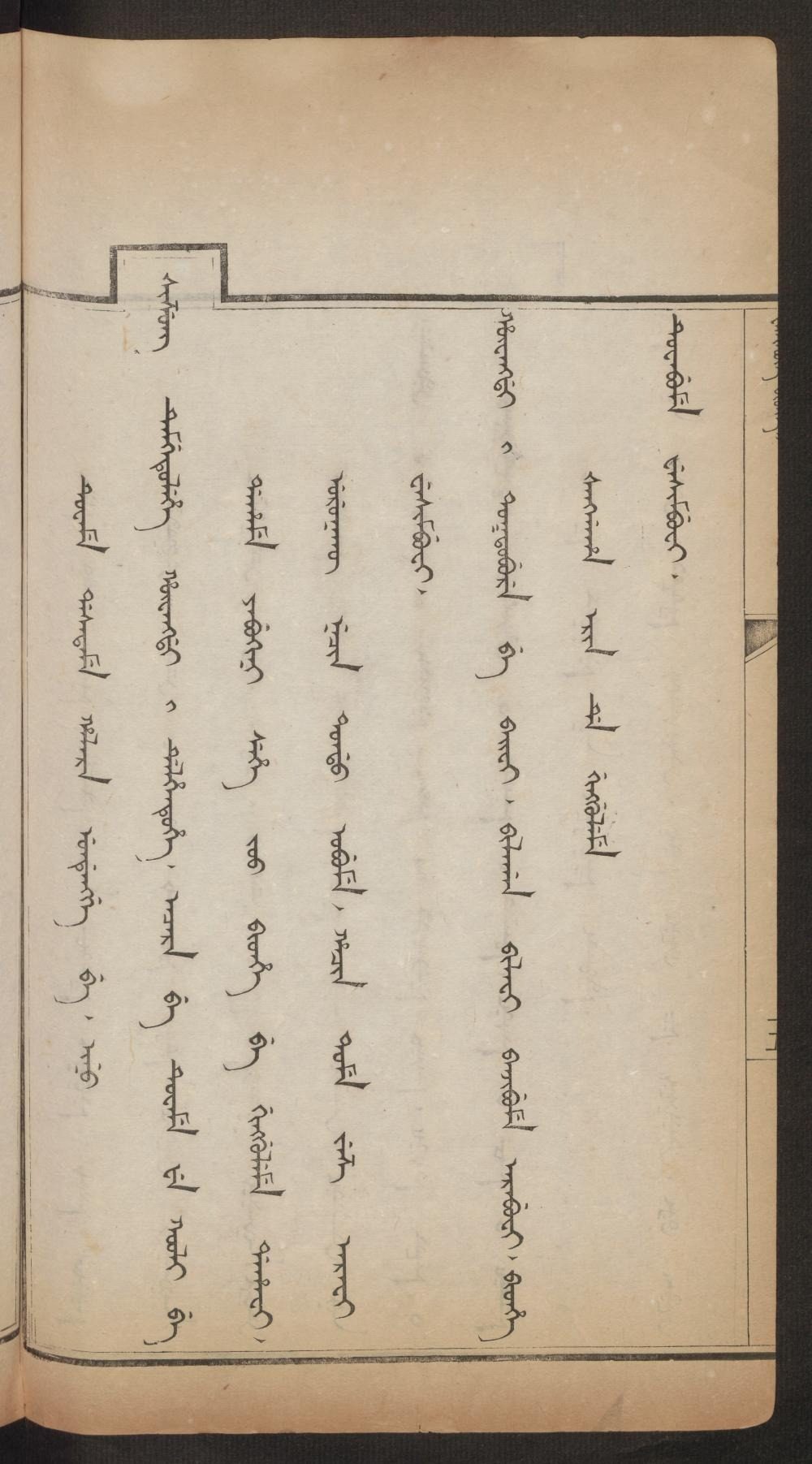
逐詞解析 · word-by-word(43 單元 · 覆蓋 93.0%)
其有酌量修整改易之處,亦遵世宗憲皇帝裁奪,酌照舊例令其遵行之詔書,恭謹遵行,務歸平允,逐款擬具摺奏,請旨欽定,限期編纂成書,書成之時,恭繕進呈,
EnglishThose matters that were to be examined, revised, and amended were also to be handled in accordance with the edict of Emperor Shizong Xian, who decreed that after due consideration they should be carried out following the old regulations. Respectfully obeying this, they were to be rendered fair and impartial. Item by item, memorials were drafted and submitted, requesting the emperor’s determination. A deadline was set, and the text was compiled and edited. When the book was completed, it was respectfully presented for imperial perusal.
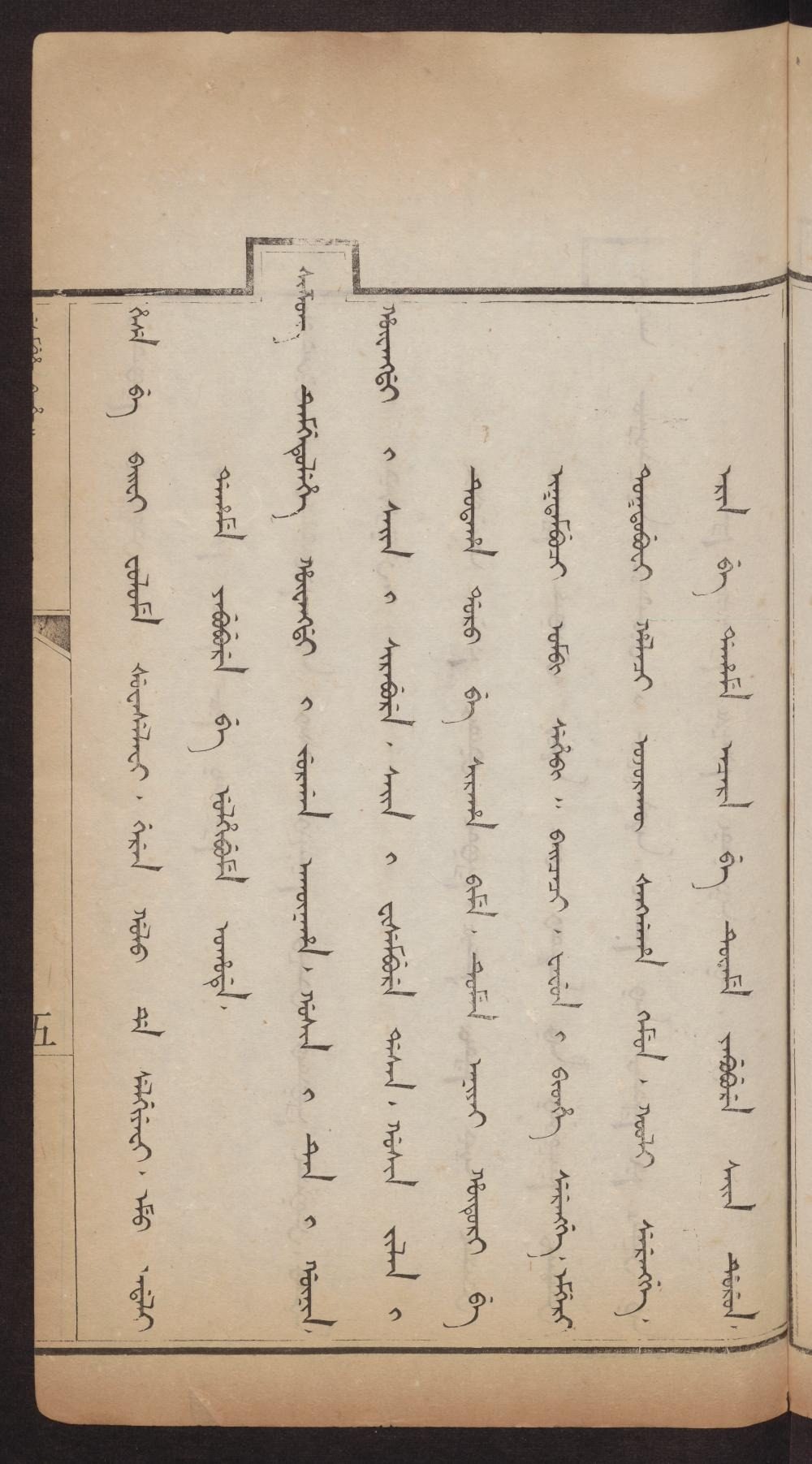
逐詞解析 · word-by-word(62 單元 · 覆蓋 98.4%)
若請旨刊刻刷印,頒行各省,曉諭令其一體遵行,則憲皇帝義藴周詳、仁愛之至意,與皇上善繼善述,仁政慈愛所留之道得以延續,兼可積萬年之福,曾有是言。查律例一書,業經制定不可更易,斯為完備;而準則規章者,乃隨時制宜、酌量應對之善式。
EnglishIf, by requesting an imperial edict, carving, printing, proclaiming to all provinces, and making known that (it) is to be uniformly obeyed and implemented, then the perfectly exhaustive righteousness and utmost benevolence of Emperor Temgetulehe (the Yongzheng Emperor), and the Emperor’s good succession and good transmission, along with the continuation of the way left by governance, benevolence, and compassion, can accumulate blessing for ten thousand years—so it has been said. Upon investigation, the book of laws, once established, cannot be altered and is complete; standards and regulations, however, are good models that, following the times and considering circumstances, make appropriate responses.
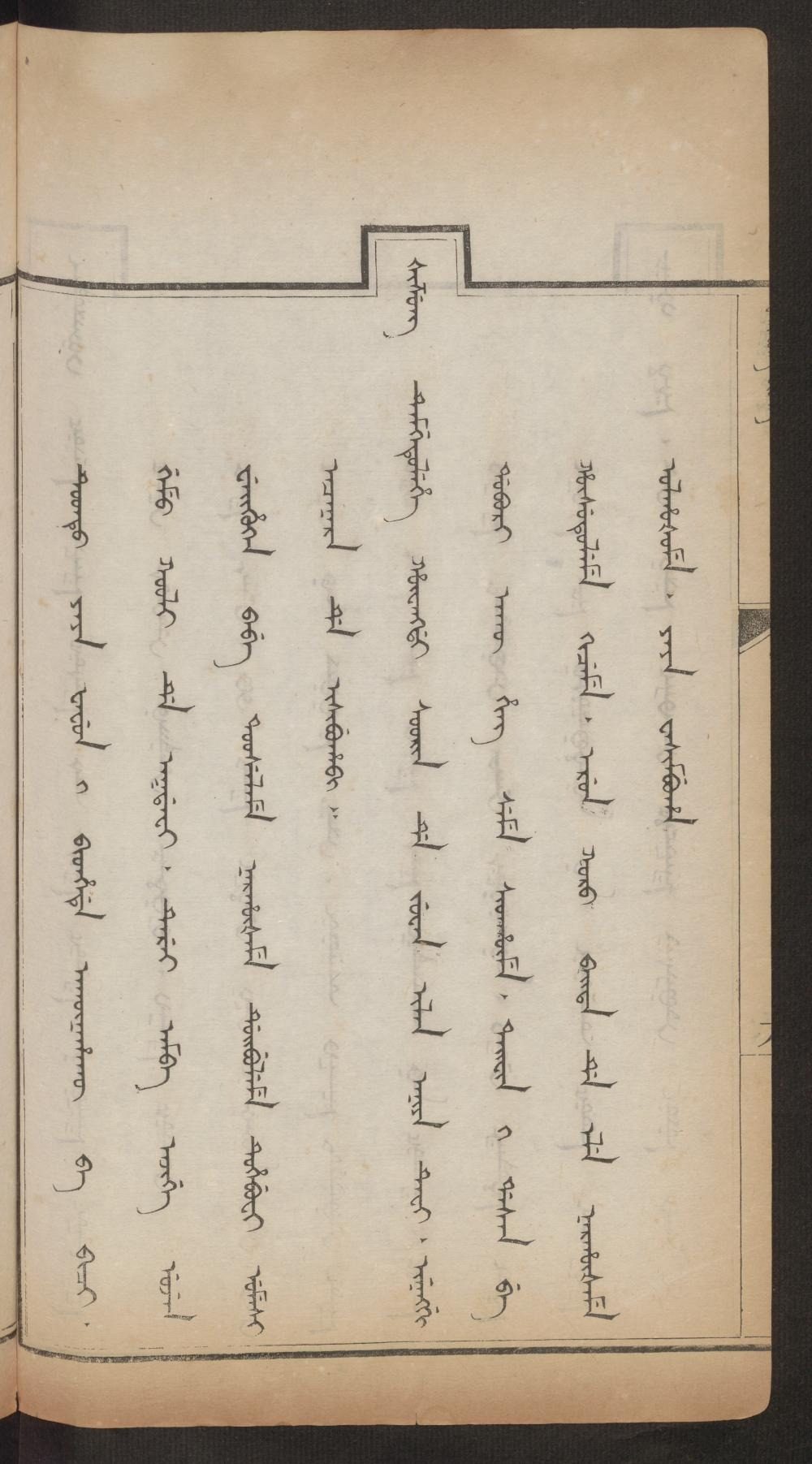
逐詞解析 · word-by-word(52 單元 · 覆蓋 96.2%)
故凡法書有未周之處,悉依成例,權其大小輕重,詳加比擬,務歸至當。世宗憲皇帝御宇十有三載,宵旰勤求,殫心郅治;於刑名諸務,尤加詳慎,凡所降……
EnglishTherefore, wherever there were points not exhaustively covered in the statute books, in all cases reliance was placed upon the sub-statutes; the great and small, grave and light aspects were weighed with discretion, carefully compared, and determined, so as to reach a perfectly fitting resolution. The Šidzung Temgetulehe Hūwangdi (Emperor Shizong Xian) occupied the throne for thirteen years, and without distinction of day and night, with sincere devotion, he strove assiduously for the governance of peace; in matters of punishments and penalties, he was all the more discreet and vigilant, and all that he issued…
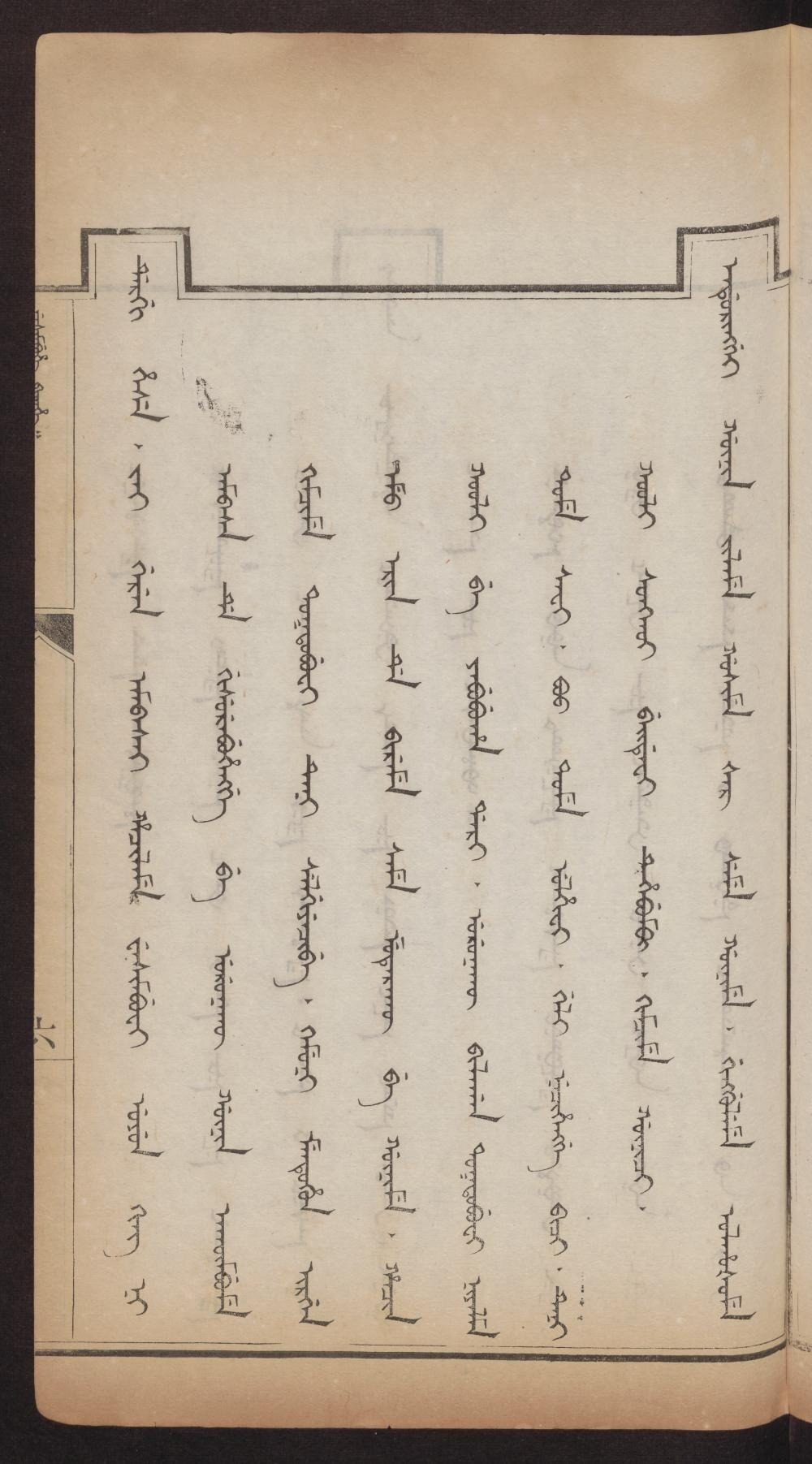
逐詞解析 · word-by-word(59 單元 · 覆蓋 98.3%)
上諭及諸大臣條奏,經九卿議覆者,必悉心詳核定議,方始頒行,猶慮愚民一時未能徧曉,每頒條例,必立期限,俾人人知情,戶戶通曉,復有干犯者,始照例審擬結案。伏惟聖心慈愛,周詳籌慮,敬慎從事。
EnglishThe imperial edicts and the memorials presented by the various ministers, which have been deliberated by the Nine Chief Ministers, must be exhaustively considered with utmost care and determined before they are promulgated; yet, still considering that the ignorant people may not all comprehend at once, whenever a statute is to be enforced, a time limit must be set so that every person may know, every household may understand, and only if there are offenders shall they then be tried and convicted according to the statute. Reflecting carefully, the sage’s intention is merciful and loving, considering comprehensively and acting with reverence and caution.
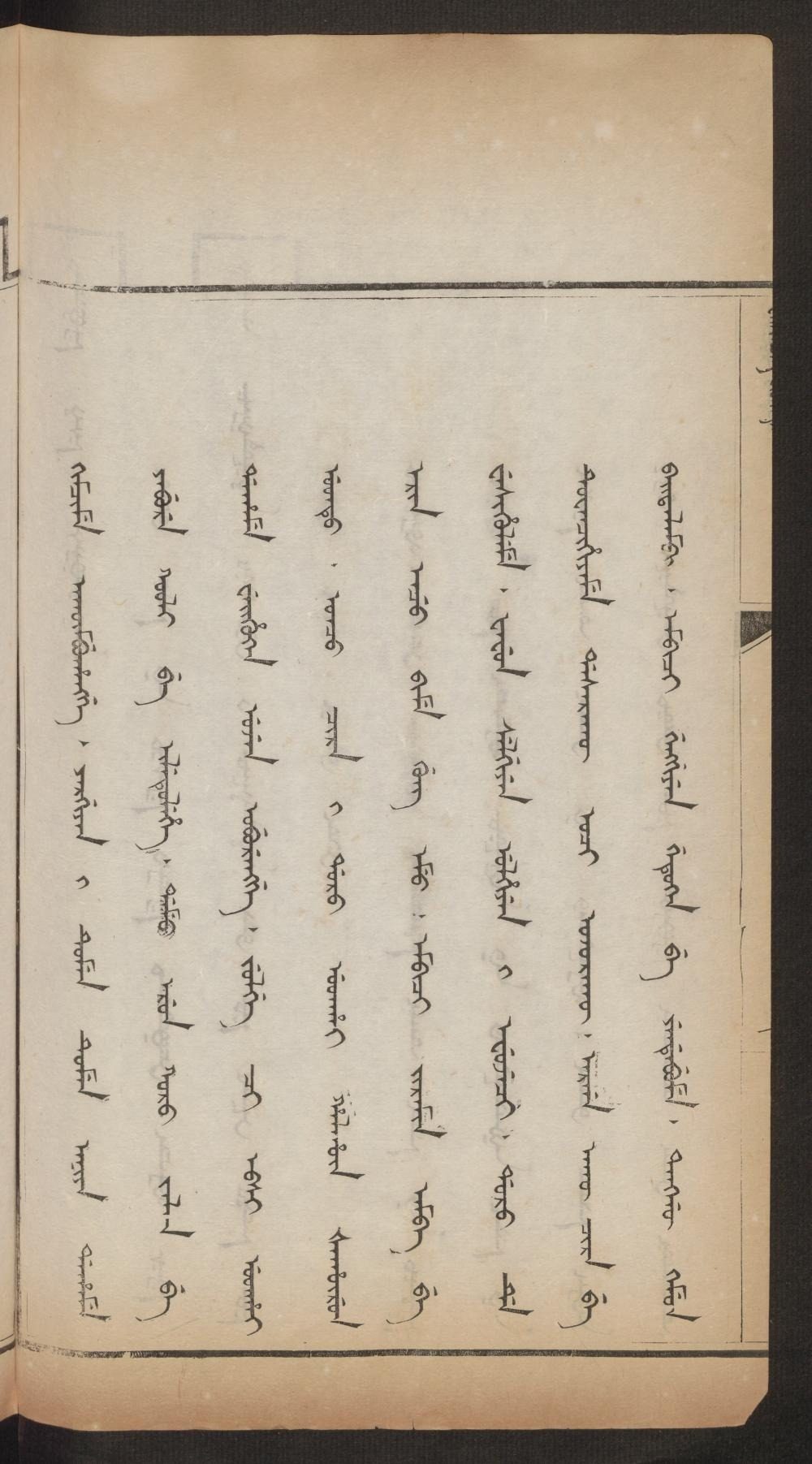
逐詞解析 · word-by-word(60 單元 · 覆蓋 100.0%)
詳加推究,確實彰顯了萬世遵行之典。惟刑罰隨時而輕重,自古已然。寬嚴之道,正如寒暑之季節不同。或崇尚其敦龐宏大;法令若日漸懈弛,於道義上不加整治則不可,不得已乃用嚴;或爲振揚清明,百般準則……
EnglishThat which was thoroughly investigated indeed clearly revealed the laws followed for myriad years. However, punishments are made light or heavy according to the times; from antiquity it has been thus. The way of leniency and strictness is just as the seasons of hot and cold differ. Sometimes, venerating the profound and great; if laws and decrees gradually deteriorate, one must rectify them according to the Way, and when there is no alternative, strictness is employed. Sometimes, to invigorate clarity and brightness, the hundred standards...
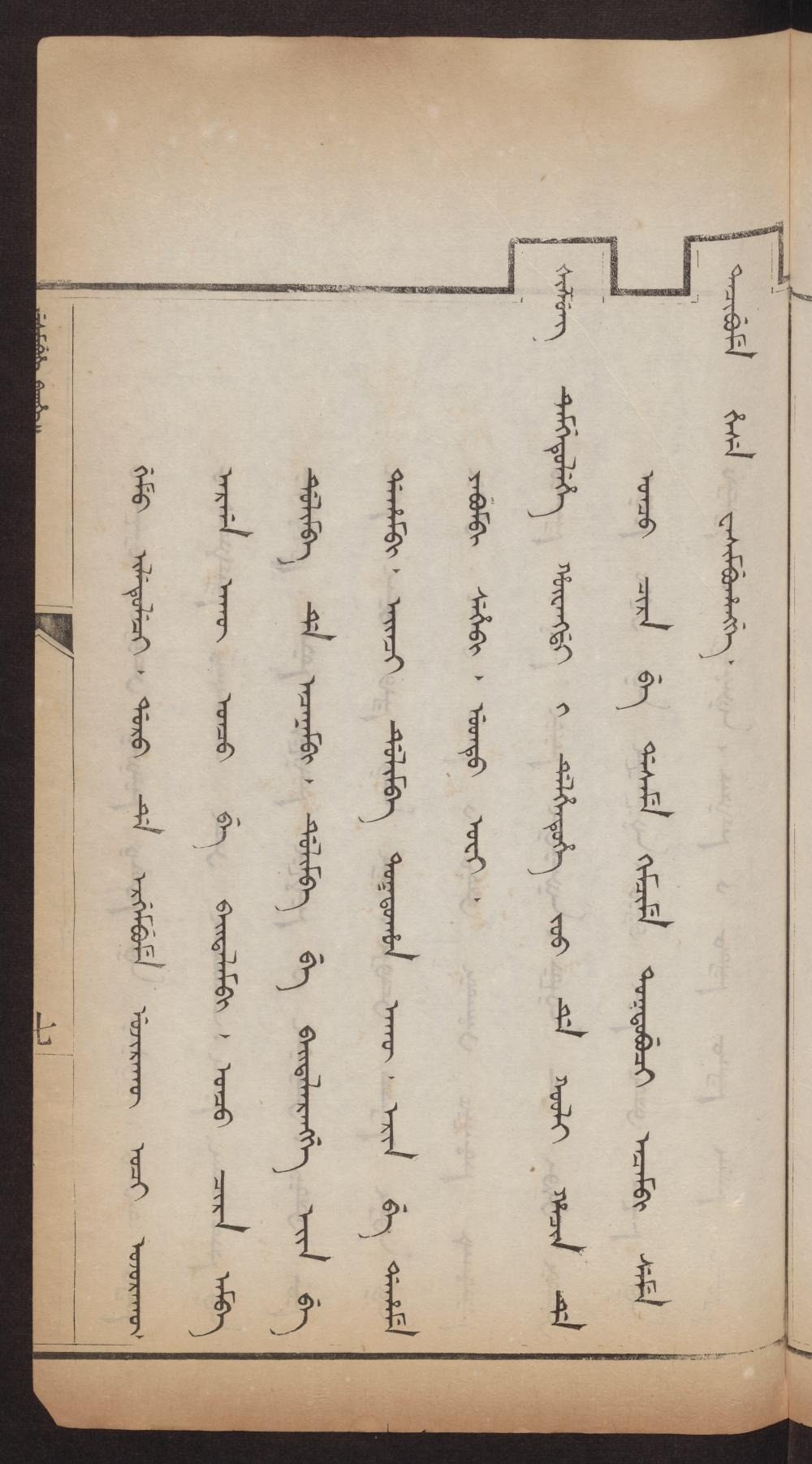
逐詞解析 · word-by-word(51 單元 · 覆蓋 98.0%)
若俱顯明之,則於道無以休養,故不得不用寬;寬嚴相濟,當合於中道。用中者,蓋隨乎時宜,想必因時無定而行之謂也。因此,世宗憲皇帝敕諭有云:「於章程條例,應將寬嚴詳加酌定。」
EnglishIf all were to be made manifest, then the way would not be fostered in repose, so there is no choice but to employ leniency. Leniency and strictness mutually align in the mean; to employ the mean follows the circumstances, as it is said, presumably acting in accordance with times of uncertainty. Therefore, the Shizong Xian Emperor decreed in an edict: "Concerning regulations and precedents, leniency and strictness should be re-examined and determined with deliberation."
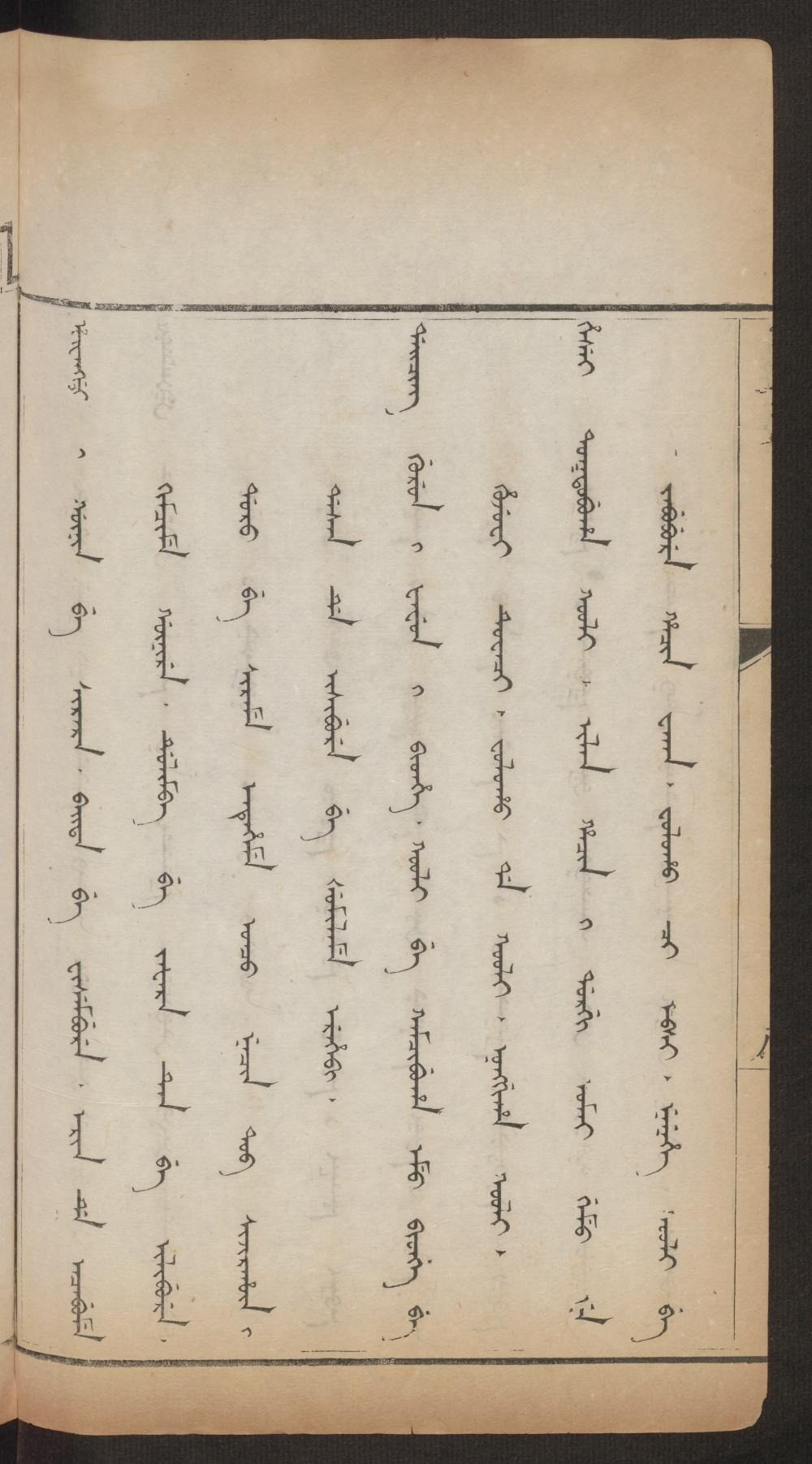
逐詞解析 · word-by-word(62 單元 · 覆蓋 93.5%)
接續寧心之事,按時敷陳,詳審思維,執中建極,繼之以道,期致永久寬平正直之治,深所冀望。將合編《大清律例》之書,伏而觀之,其中原雕定例、增例、欽定例三種之內,俱非現今應對之條。自雕版以來,將先前之例……
EnglishWhen continuing the matter of Ning's will, at the time of spreading it forth, (one) considered it carefully in a timely manner, grasping the mean and establishing the foundation, continuing the way, and deeply desired to bring about eternally broad, peaceful, upright and just governance. Prostrating and examining the book that combines the statutes and precedents of the Great Qing Code, among the three types—the originally carved precedents, the added precedents, and the imperially established precedents—none are of the sort to be implemented at present. Since the carving, the previous precedents...
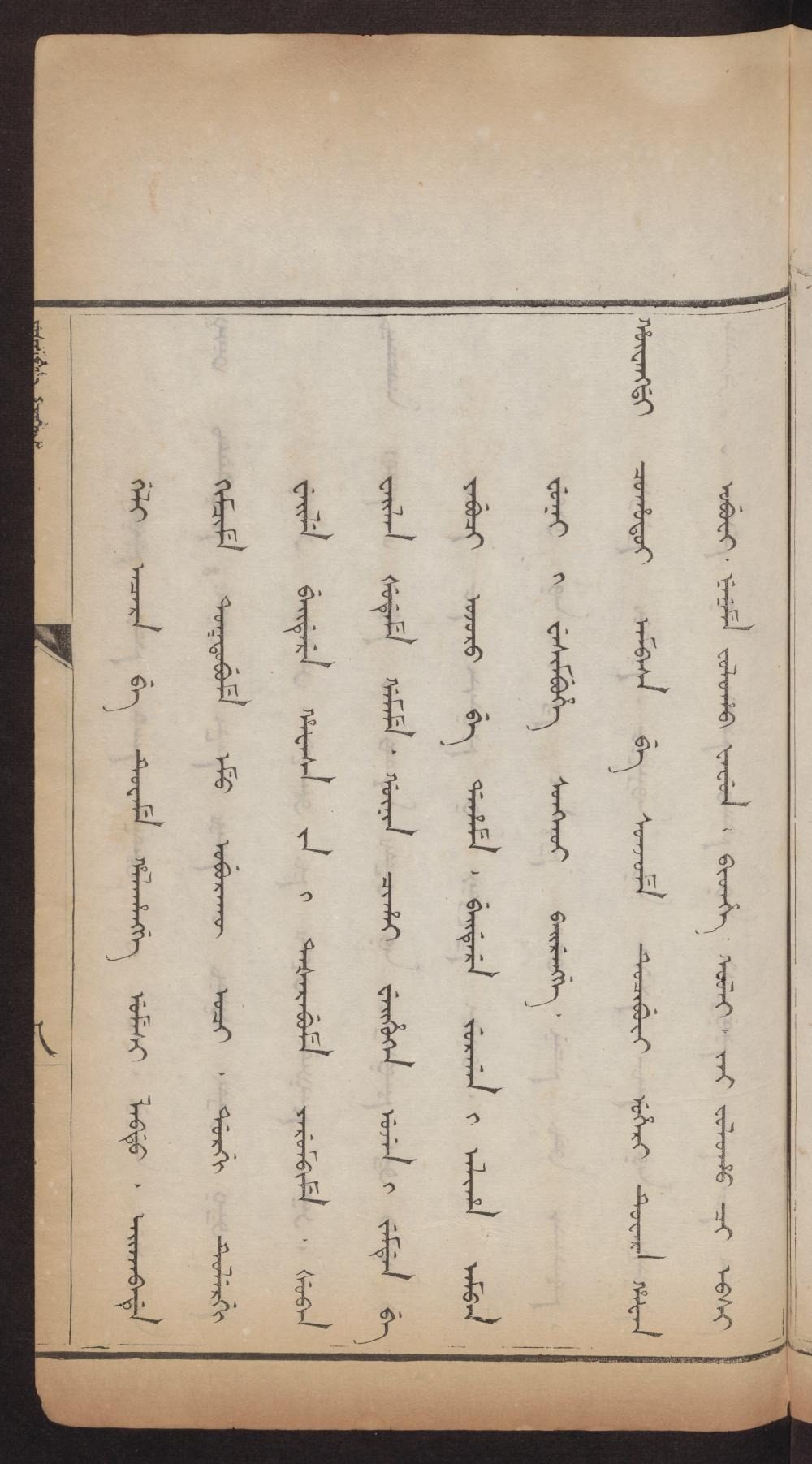
逐詞解析 · word-by-word(57 單元 · 覆蓋 98.2%)
又酌量更改之處甚多,倘不詳定頒發,則內外審案官員易致差錯,以致吏員、外郎等隨意處置,任意輕重、行其弊端。既如此,依刑部尚書傅鼐所奏,伏乞皇上特選大臣數員,授為總裁官,先將原刻律例,及自纂刻以來……
EnglishMoreover, the places where changes have been made according to circumstances are extremely numerous. If (these) are not thoroughly settled and issued, then the officials who judge cases inside and outside the court will easily be led into error, and consequently clerks and scribes will handle (cases) arbitrarily, acting upon corrupt practices of lightening or aggravating (punishments) at will. Since this is so, in accordance with what Fukai, the President of the Board of Punishments, has memorialized, it is requested that the Emperor specially select a number of high officials, appoint them as Supervising Compilers, and first [have them] take the originally carved legal code and precedents, and from the time of carving onward...
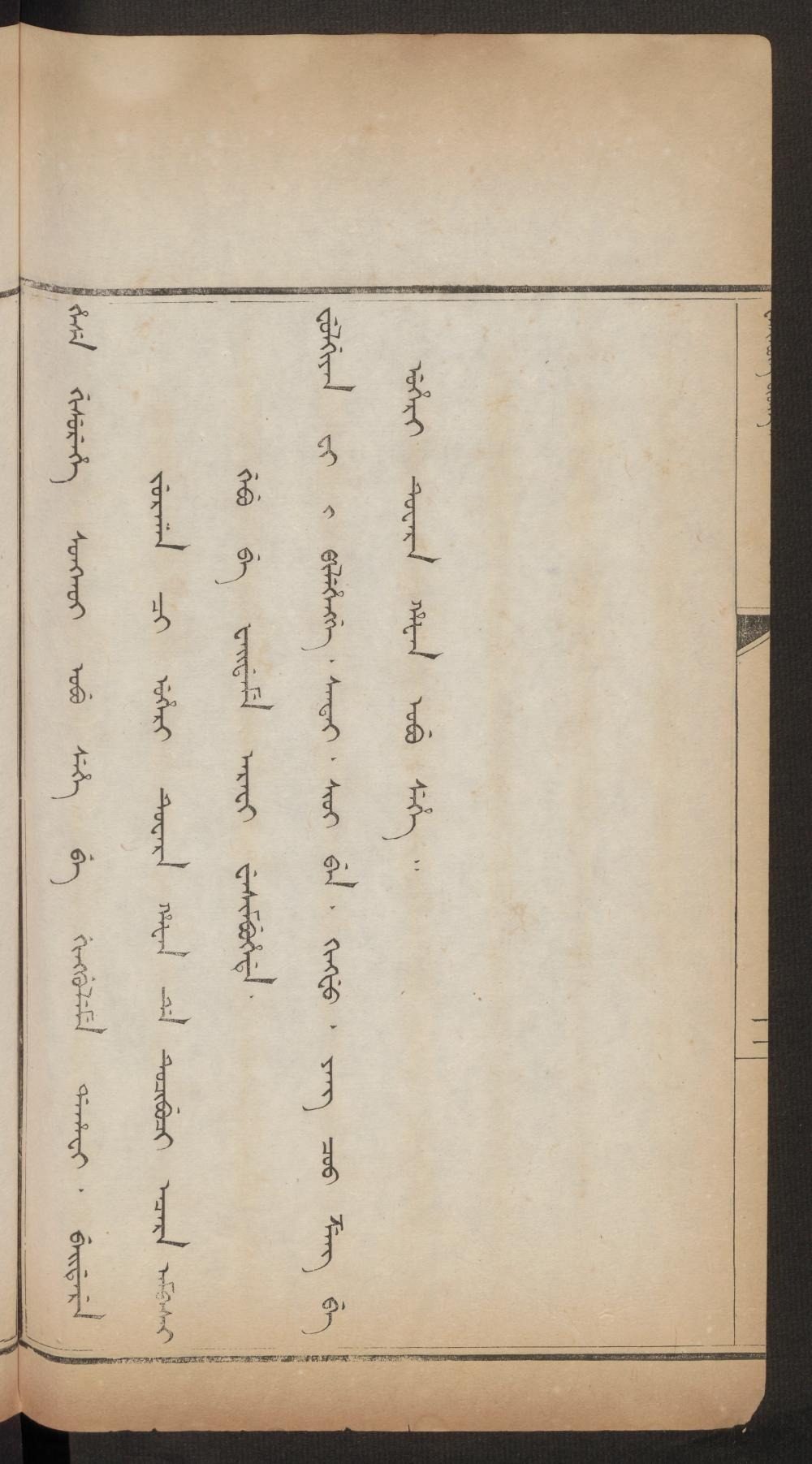
逐詞解析 · word-by-word(30 單元 · 覆蓋 96.7%)
謹遵「依議欽此」諭旨,將由刑部應行派出之總裁官銜名開列具奏,奉硃批:散泰、徐本、慶福、楊朝曾,著為總裁官。欽此。
EnglishIn respectful compliance with the decree "Let it be as recommended," a list of the names of those who should be appointed Presidents from the Board of Punishments was drawn up and submitted. The vermilion rescript read: "Appoint Santai, Siuiben, Kingfu, and Yang Coo Dzeng as Presidents." Thus commanded.
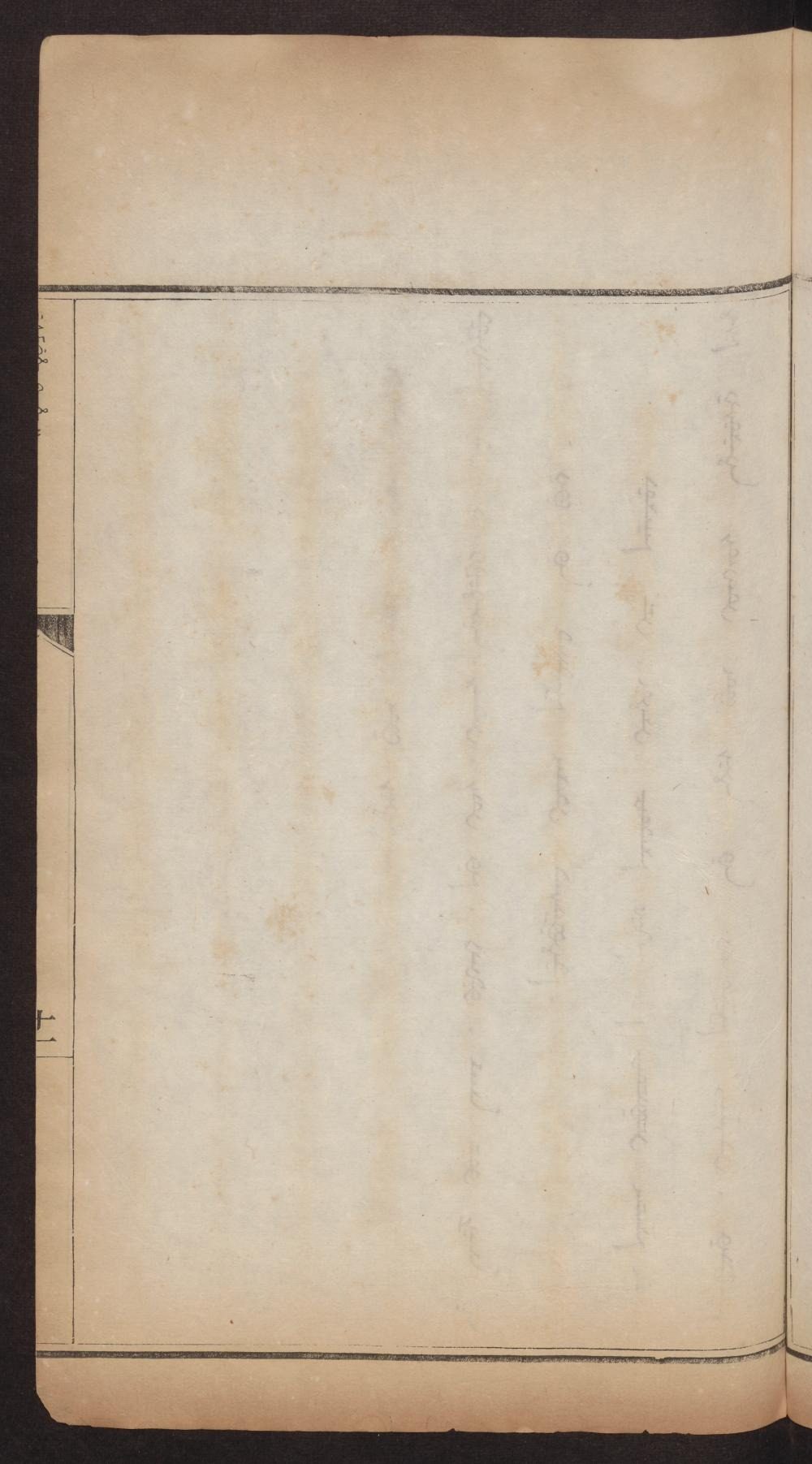
逐詞解析 · word-by-word(43 單元 · 覆蓋 100.0%)
圈點檔第十六載:聖汗諭旨定例,看守和碩親王門者、看守多羅郡王門者,止於內院值班之人,毋得任意滋擾;旗人聚集,皆於外門;若因事有入內之人聚至
EnglishIn the circle-and-dot archives, volume sixteen, it is set down by the Sacred Khan’s decree: those guarding the gate of the Prince of the First Rank and those guarding the gate of the Prince of the Second Rank are merely the duty personnel in the inner office, and there shall be no disorderly conduct. When bannermen gather, they all assemble at the outer gate. If persons who need to enter on business gather…
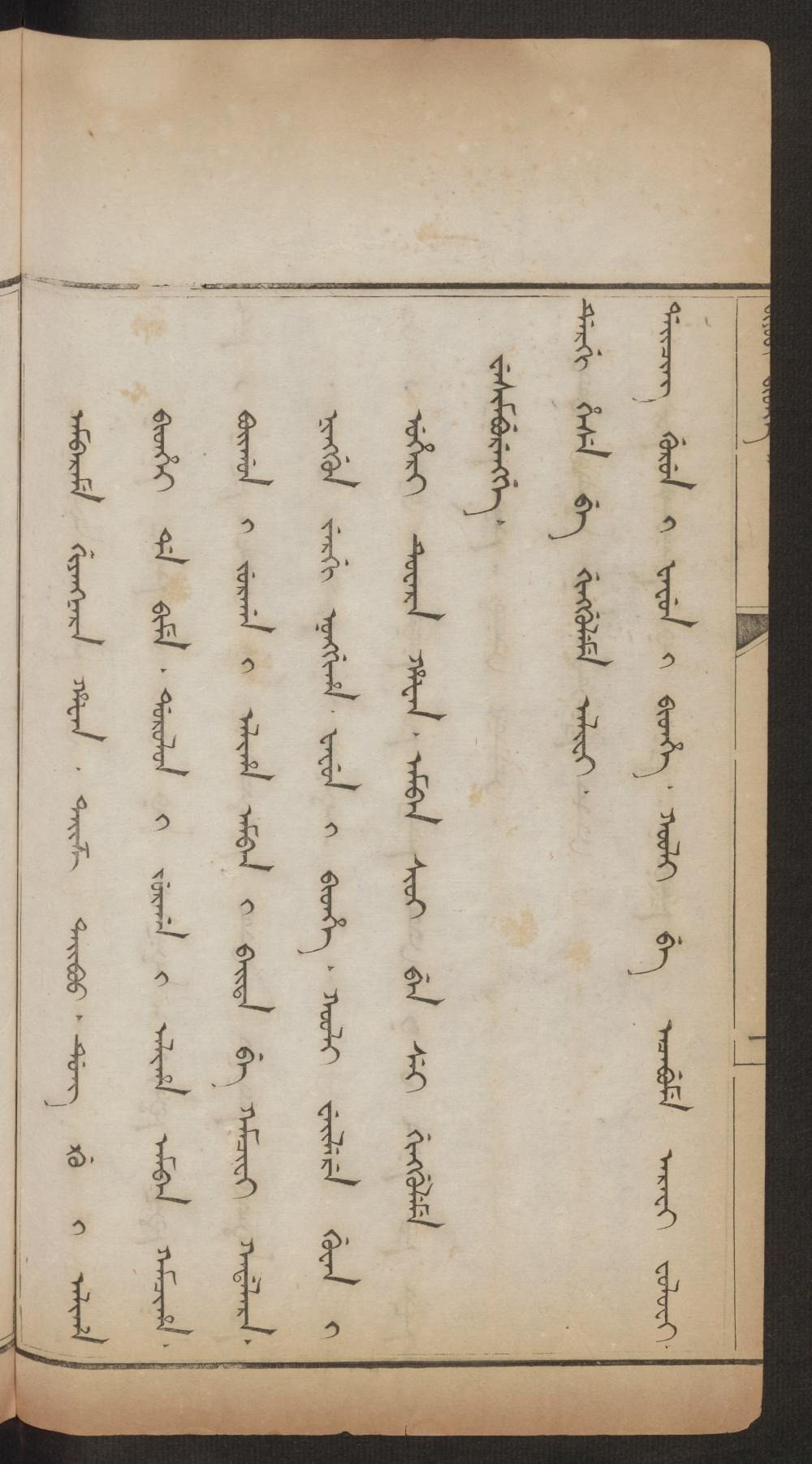
逐詞解析 · word-by-word(41 單元 · 覆蓋 100.0%)
經筵講官太子太保東閣大學士兼禮部尚書兼管戶部尚書事務加六級律例館總裁官臣徐本等謹奏:為恭奉上諭,將《大清律例》彙編繕寫刊刻,
EnglishThe Grand Colloquium Expositor, Grand Guardian of the Heir Apparent, Grand Secretary of the Eastern Pavilion, concurrently Minister of Rites and concurrently supervising the affairs of the Minister of Revenue, with six additional grades, Director of the Office for Compiling the Code, your ministers Xu Ben and others respectfully memorialize: Having reverently received the Imperial Edict, (we) collated, transcribed, and carved (the blocks for) the Great Qing Code,
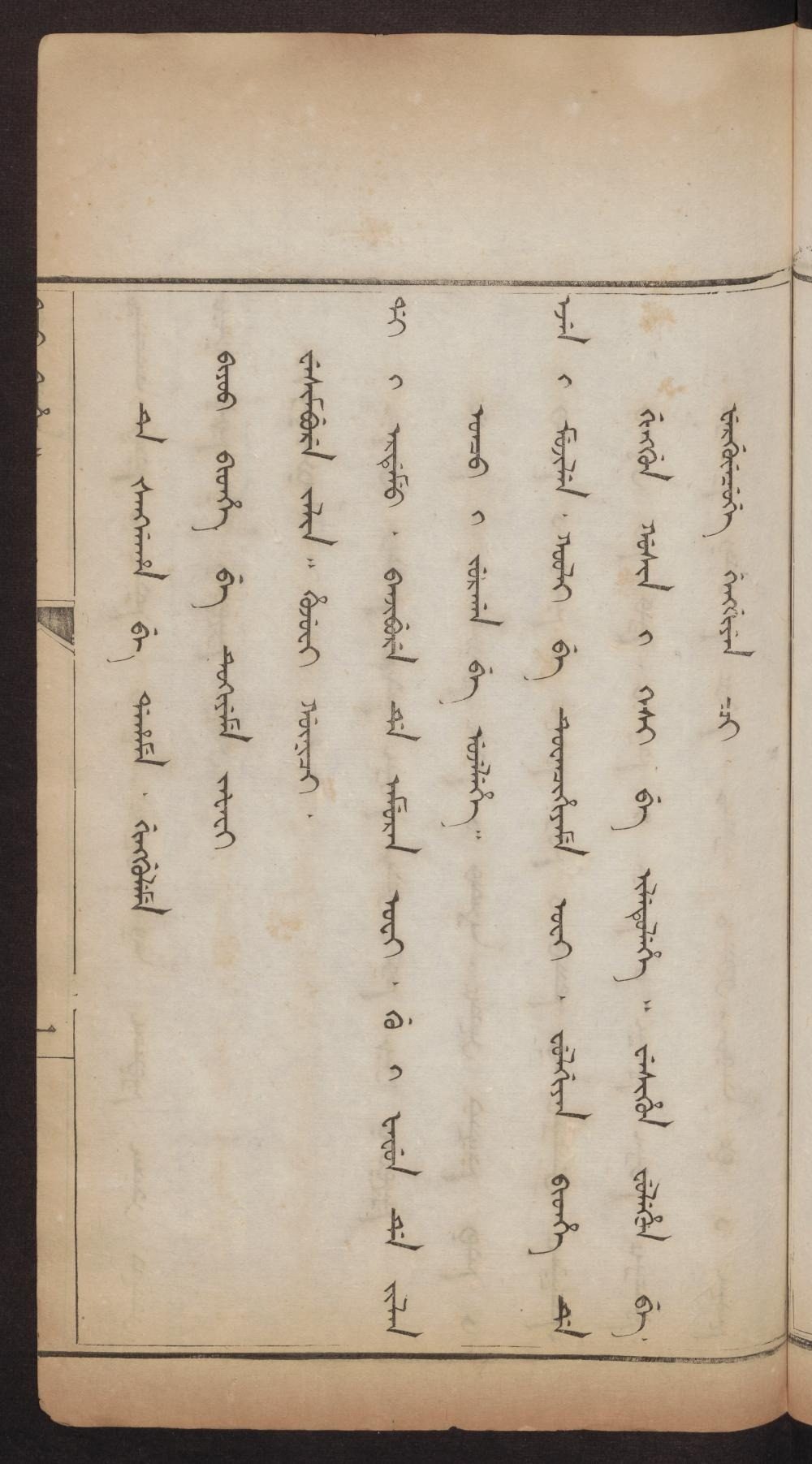
逐詞解析 · word-by-word(50 單元 · 覆蓋 98.0%)
今既已編纂告成,謹捧表文恭呈,為此俯伏竊惟:大(清)以化育為篤好,故於玉律中特重慈仁寬厚之義;聖心整飭典則,故於紅本上昭示恭敬仁愛之恩;仰惟崇渥,奇哉,自昭明之……
EnglishNow that the compilation has been completed, we respectfully hold up the biyoo bithe and present it. Prostrating ourselves, we consider: Because the Great (Qing) delights in fostering virtue, it has emphasized the principle of compassion and leniency within the jade law; because the sovereign’s mind has rectified the statutes, it has manifested the grace of reverence and benevolence in the red document. The sublime grace is wondrous— from the luminous...
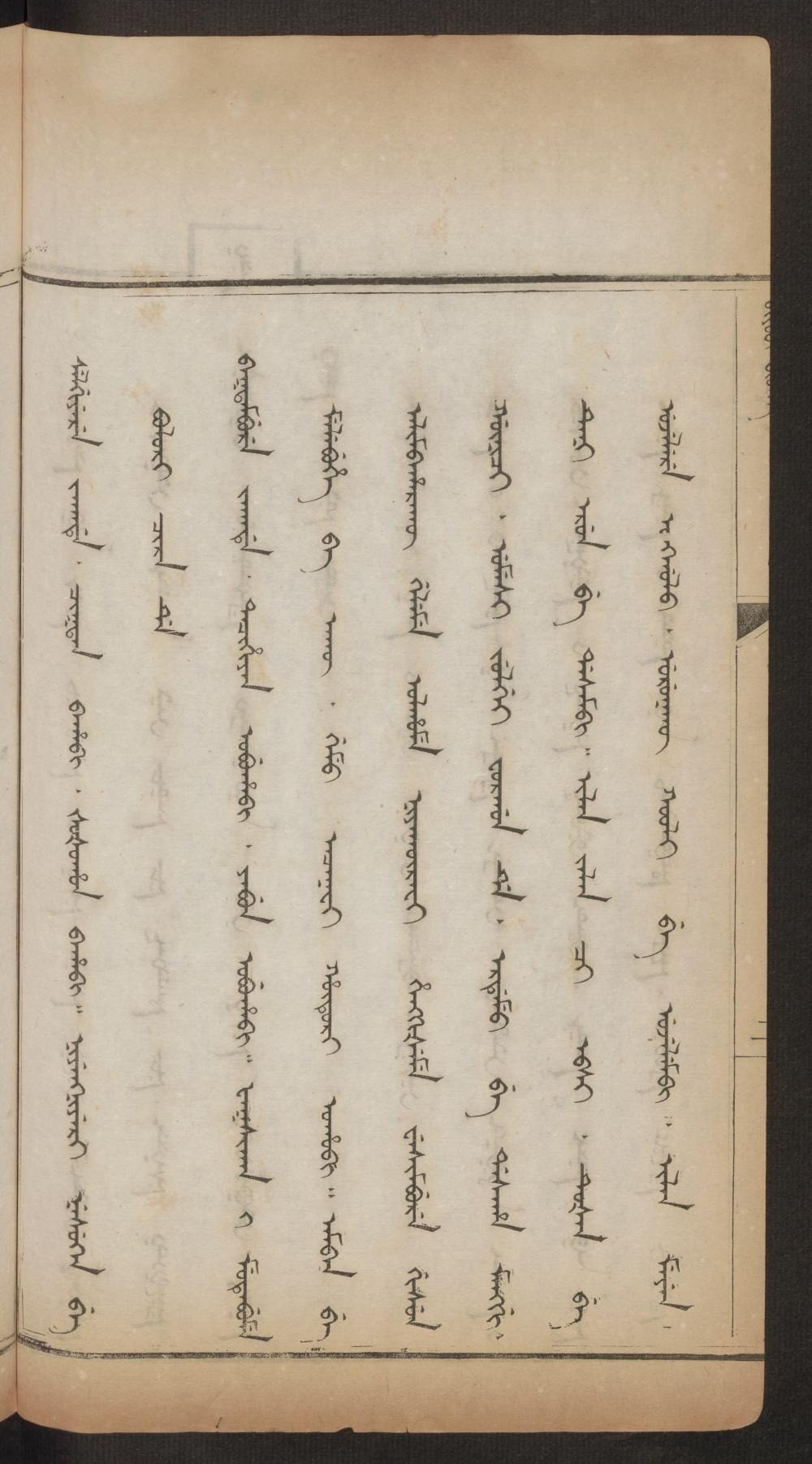
逐詞解析 · word-by-word(64 單元 · 覆蓋 96.9%)
竊因宣布聖諭之故,倫常得立,綱紀得明;以春陽之和煦,涵融秋令之肅殺,乃成教化,乃立品行;巧妙成就,無有疏漏,悉皆允協,遂為福瑞。臣等不勝惶悚,謹跽叩謹奏之言:仰惟上古之世,先修德而後治刑;自三代以降,重職守之勤恪,必隆典憲,分為三編〔此句似盡,下頁續以九編,此處從闕〕。
EnglishBecause of the proclamation, the moral principles were established and the essentials were obtained; because the gentleness of spring was contained within the severity of autumn, it was made into instruction and conduct; by skillfully accomplishing [it] without any omission, all things accorded and became a blessing. We, the ministers, overcome with awe and caution, kneeling and repeatedly bowing, present this memorial: when we reflect, in the times of high antiquity, [they] first cultivated virtue and only then regulated punishments; since the three dynasties, in the diligence of honoring office, [they] invariably emphasized the laws and statutes [in] three sections.
逐詞解析 · word-by-word(59 單元 · 覆蓋 100.0%)
九條之法制定後,更張改飾,修治漸致紛繁。五刑之五種施用,追索細究,鞭笞使記,其所矜恤之判定,理應歸於劃一。我朝國法,經眾聖賢細究詳察,綱舉紀飭,懸於西微門,使百姓敬謹遵從,曉然平如衡桿、明如鑑鏡。
EnglishAfter the law in nine sections was fixed, by overturning, altering, adorning, and rectifying, it gradually became numerous and confused. In tracing and scrutinizing the application of the five punishments in five categories, the judgments that were beaten into record — the pitiable ones — ought in principle to be unified. The statutes and regulations of our state, having been meticulously examined by the many sages, the outlines were raised and the margins were corrected, and when they were hung at the Syangwei Gate, the people reverently complied and knew them to be as level as a pole and as clear as a mirror.
逐詞解析 · word-by-word(44 單元 · 覆蓋 97.7%)
因此,法令一經頒布,官吏便止息了侵漁勒索。恭惟皇帝,治道均平,輔弼超群,德備中和。祥瑞彰於春疇,萬民遂享豐亨之樂;明秋之月朗照,囹圄之中乃生靈芝。
EnglishThus, when the laws and ordinances were proclaimed, the officials ceased their harassment and extortion. Reverently considering, the Emperor’s Way is well-balanced, (his) assisting virtue surpasses all, (his) perfect virtue embodies central harmony. Since the auspicious omen revealed itself in the spring fields, the multitudes of people obtained abundant and plentiful joy. Since the bright autumn moon shed its light, inside the prison, lingzhi grass grew.
逐詞解析 · word-by-word(67 單元 · 覆蓋 98.5%)
生息極繁,復以節度,寬宏處置,時以痌瘝為念。治罪從輕,論功惟重,慈愛之忱,極其殷切。況乎乾隆元年,世宗憲皇帝之明諭,敬謹遵循,釐定《律例全書》之際,教化黎民,期臻恆常,惟執兩端之中而用之,蘊蓄德行,仁愛……
EnglishWhen [the populace] had greatly multiplied, [the ruler] again, with moderation and magnanimous handling, kept pains and sufferings ever in mind. Punishments were made light, while merits were regarded as weighty; the imperial solicitude and compassion were utterly sincere. Moreover, in the first year of the Qianlong reign, reverently following the luminous edict of Emperor Shizong Xian, when the Complete Book of Laws and Statutes was being revised and scrutinized, the people were to be edified and constancy perfected; holding fast only to the two extremes, yet employing the mean, storing up virtue, and benevolence…
逐詞解析 · word-by-word(52 單元 · 覆蓋 100.0%)
推行仁愛,猶欲挽回人心,使之歸於正道。特降諭旨,命臣等悉心詳究,細察細核,揆度事理,因應事宜,審察情由,制定法度。其寬嚴之處,悉皆允協,胥由聖明洞鑒;於極精細處所生疑惑、相類之款,盡行裁斷。
EnglishBenevolence was practiced, and (it was) still thought to turn back the people's hearts and cause them to turn toward the Way. By special decree, the ministers were charged to exhaust their minds, scrutinize in detail, weigh principles, adapt to affairs, examine causes, and establish laws. The aspects of leniency and severity all being fitting were entirely illuminated by brilliance; the kinds of doubts and similarities that arose from extreme fineness were all completely cut off.
逐詞解析 · word-by-word(73 單元 · 覆蓋 100.0%)
皇上聖心神明洞鑒,所降恩旨,再三垂問三項寬免,反覆申詳,是以千百邦國自然遵奉帝王之準則而行;五番曉諭五條訓辭,詳覈確立,是以億萬斯年無窮,循守王道而奉行之。臣等審讞斷獄,乏才抱愧,惟以敬恪謹畏之心,誠摯持平之意,殫竭心力,幸賴恩佑,勉底於成,伏願……
EnglishThat which came forth from the Sovereign’s wondrously enlightened mind, having thrice inquired and thrice examined into the remission (or pardon) of three kinds, thereby the thousand hundred nations of their own accord follow and act according to the imperial standard; having scrutinized and verified the words of five kinds proclaimed five times, thereby for endless myriads of years (they) observe and uphold the kingly Way. We, your servants, being ashamed at our lack of virtue in adjudicating and deciding cases, yet with reverent and cautious hearts, and with sincere and steady intention to carry out, exerted ourselves to the utmost, and by good fortune brought it to completion; we only humbly wish…
逐詞解析 · word-by-word(64 單元 · 覆蓋 98.4%)
擬定臺省之道,體乾德之大,修五教以導民,納入學校以躋於從教之境,合三才以立極。使遠近之民,皆合於仁愛;顯文章於天象,使貫索之星終不復見。棄刑具於草莽,刑罰不用,以致長治久安。
EnglishEstablishing the statutes of the supreme Dao, emulating the greatness of the Qian virtue, the Five Teachings are cultivated and the people are guided; (they) are brought into the schools and led to follow the teachings. In accord with the Three Powers, the foundation is established. Those from near and far are all united in love. Literature is made manifest in the celestial patterns, so that the star Guansuo (Coiled Cord, associated with prisons) is never seen again. Instruments of torture are cast away into the grass, and punishments and torture are not used; may there thus be long-lasting peace.
逐詞解析 · word-by-word(20 單元 · 覆蓋 100.0%)
臣等仰瞻天顏,覲見聖明,不勝懇切,屏棄橫心,恭繕表文,上達天聽謹奏
EnglishWe ministers, looking up to Heaven and beholding the Sageliness, with utmost sincerity, casting aside all wayward thoughts, reverently wrote a memorial and submitted it to be heard.
逐詞解析 · word-by-word(41 單元 · 覆蓋 100.0%)
管理武英殿事務和碩和親王臣弘晝,總管內務府大臣,經筵講官,太子太保,東閣大學士,兼禮部尚書,兼管戶部尚書事務,加六級,序班〔?〕經筵講官,議政大臣,內閣之……
EnglishThe one who oversees and administers the Wuying Palace, Prince He of the First Rank, Your Servant Hongzhou, Superintendent-general of the Imperial Household Department, Expositor-in-waiting, Grand Guardian of the Heir Apparent, Grand Secretary of the Eastern Pavilion, concurrently Minister of Rites, concurrently supervising the affairs of the Minister of Revenue, with six additional ranks, Xu Ban〔?〕 Expositor-in-waiting, Deliberative Minister, of the Grand Secretariat…
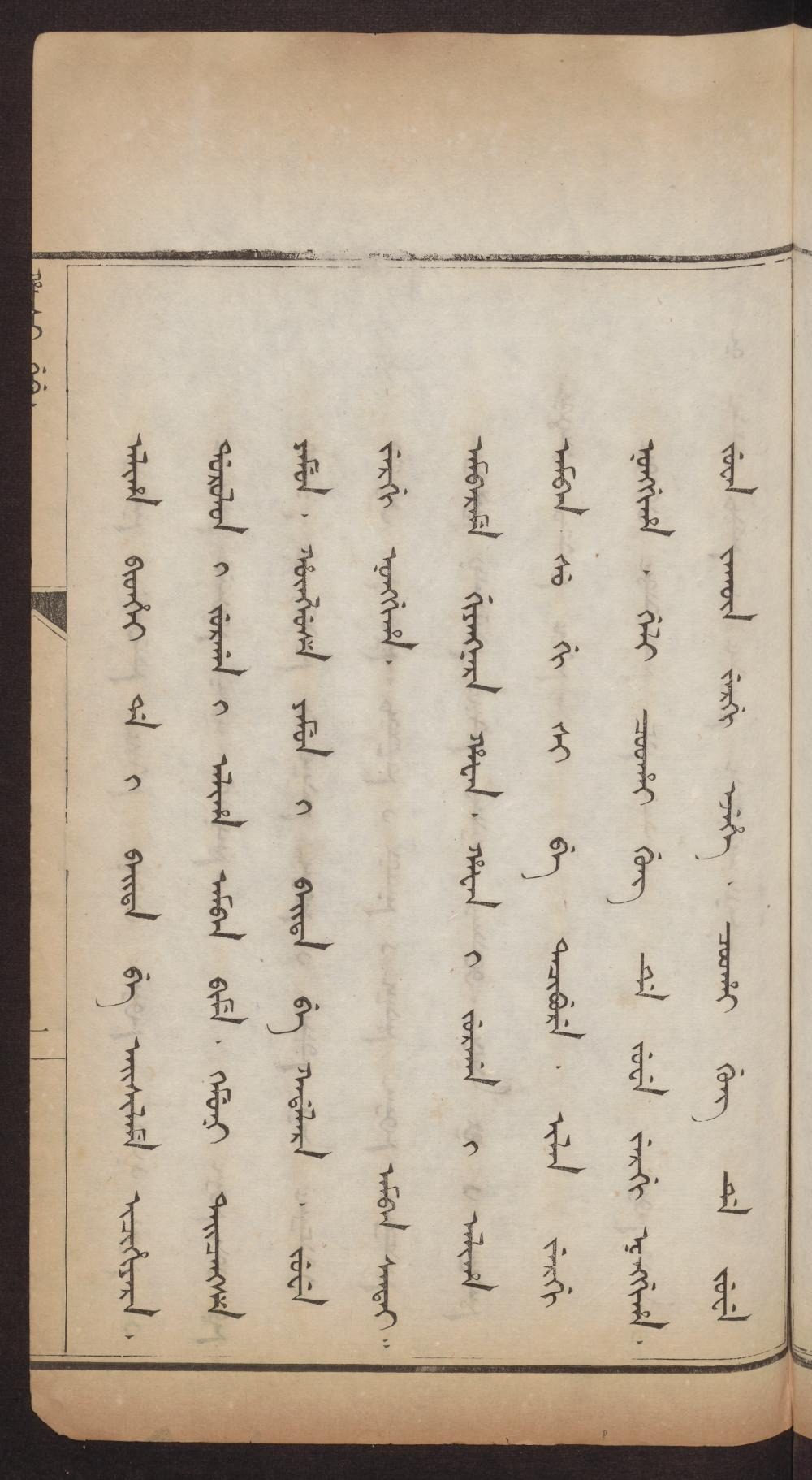
逐詞解析 · word-by-word(50 單元 · 覆蓋 94.0%)
協辦大學士事務、禮部尚書,仍兼管太常寺、鴻臚寺事務,加二級;〔大臣銜?〕經筵講官、吏部尚書、教習庶吉士,加三級;又軍功加二級,紀錄十八次,軍功紀錄二次。
EnglishAssisting in handling the affairs of the Grand Secretary, Minister of the Ministry of Rites, concurrently still supervising the affairs of the Court of Imperial Sacrifices and the Court of State Ceremonials, with two grades added; Grand Minister [?], Expositor of the Classics, Minister of the Ministry of Personnel, Instructor of the Hanlin Academy bachelors, with three grades added; moreover, for military merit two grades added, eighteen records, and two records for military merit.
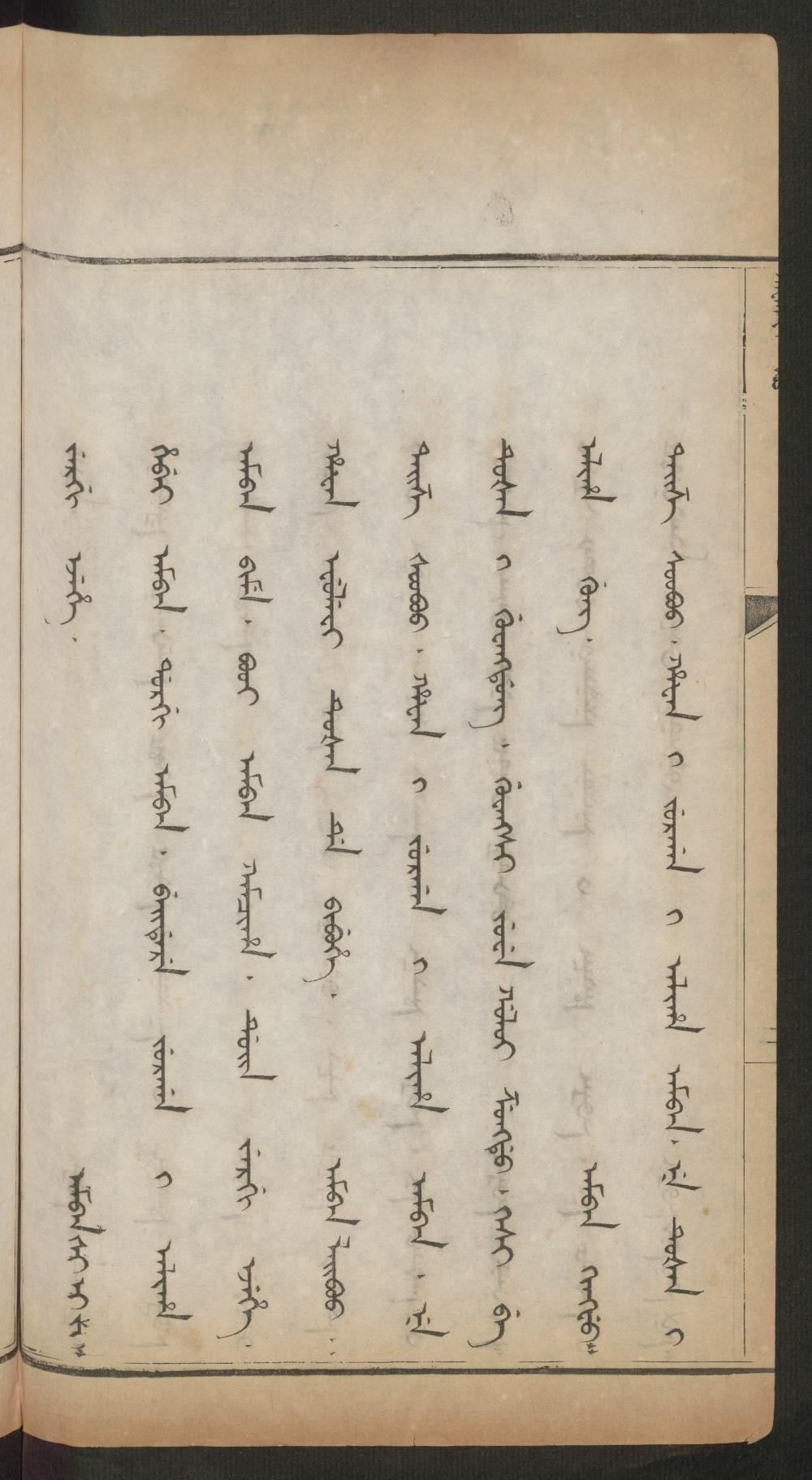
逐詞解析 · word-by-word(41 單元 · 覆蓋 97.6%)
紀錄一次議政大臣內大臣刑部尚書兼內務府總管紀錄四次革職留任臣來保 太子少保吏部尚書現任兩廣總督 承恩公太子少保吏部尚書現任
EnglishWith one merit record, Grand Minister Consultant, Grand Minister of the Interior, President of the Board of Punishments concurrently serving as Minister of the Imperial Household Department, with four merit records, dismissed from office but retained at post, Minister Laibao; Junior Guardian of the Heir Apparent, President of the Board of Civil Office, currently serving as Governor-General of Guangdong and Guangxi; Grace-Receiving Duke, Junior Guardian of the Heir Apparent, President of the Board of Civil Office, currently serving as
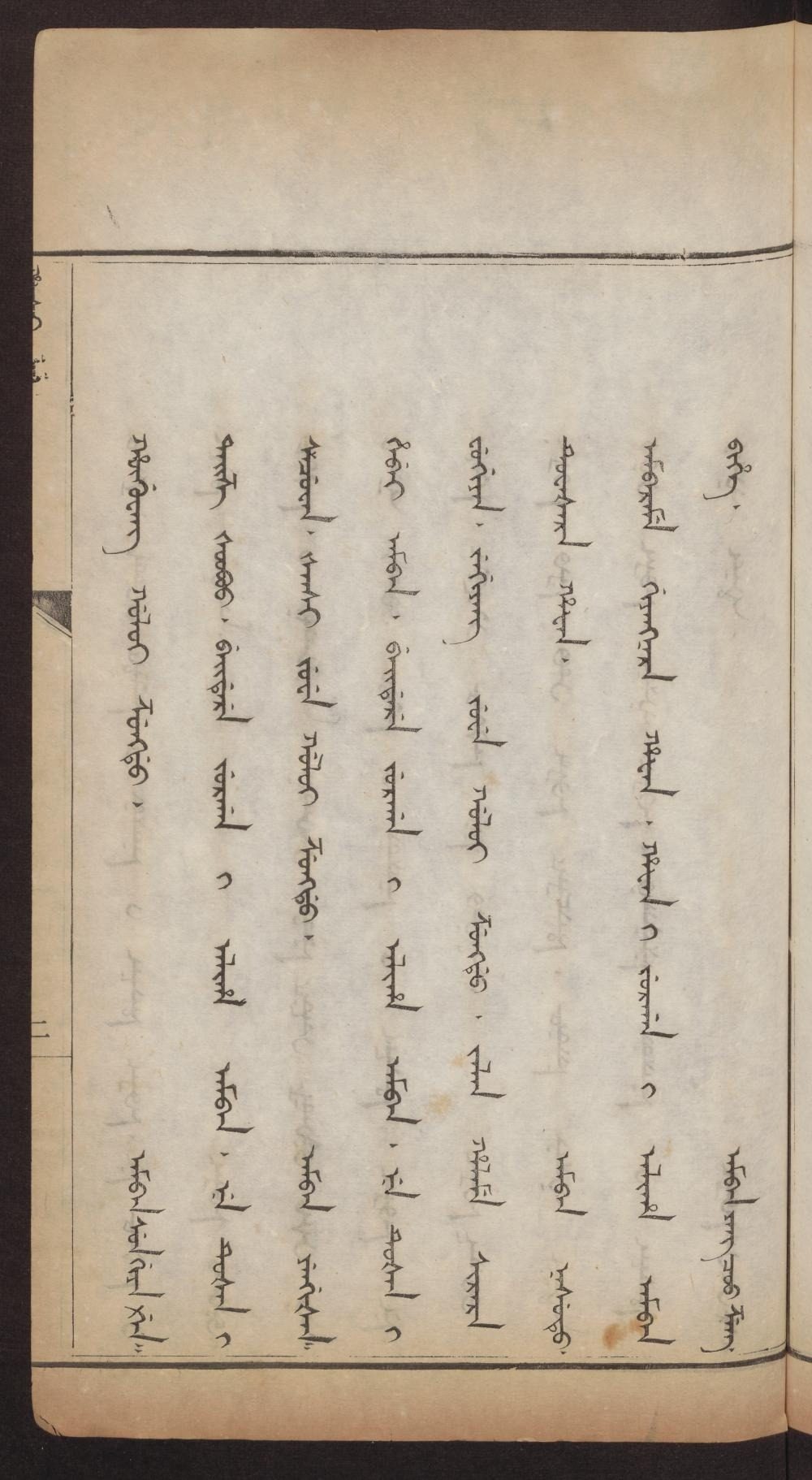
逐詞解析 · word-by-word(45 單元 · 覆蓋 91.1%)
湖廣總督臣孫嘉淦,太子少保,刑部尚書,現任; 川陝總督臣延信,議政大臣,刑部尚書,現任; 閩浙總督、世襲雲騎尉臣性桂, 經筵講官、前任吏部尚書臣楊超曾。
EnglishHuguang Governor-General Minister Sun Giya G' an, Junior Guardian of the Heir Apparent, Minister of the Board of Punishments, currently in office; Sichuan-Shaanxi Governor-General Minister Yengišan, Grand Minister of the Deliberative Council, Minister of the Board of Punishments, currently in office; Fujian-Zhejiang Governor-General, hereditary Cloud Cavalry Commandant, Minister Nesutu; Expositor of the Classics, formerly Minister of the Board of Civil Office, Minister Yang Coo Dzeng.
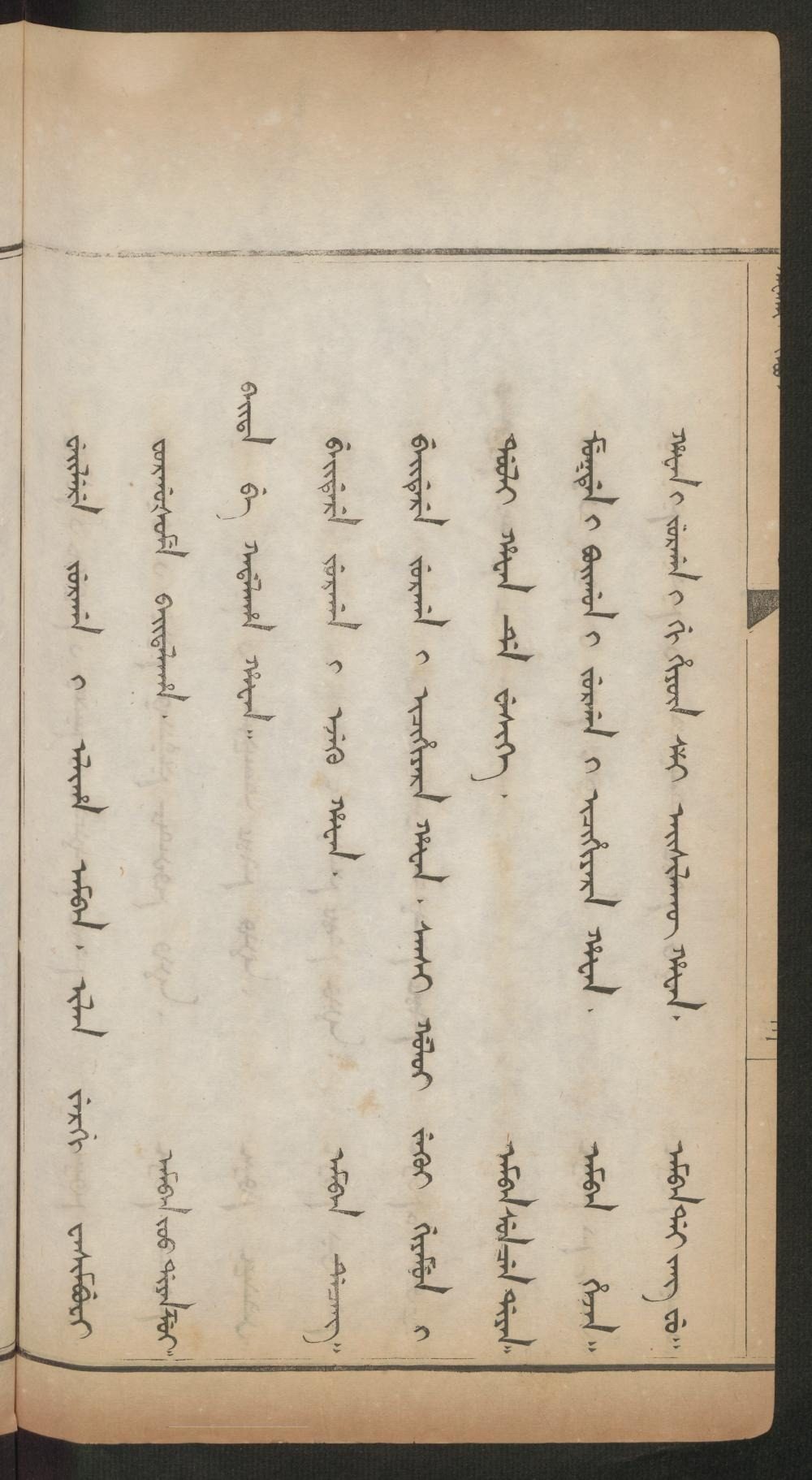
逐詞解析 · word-by-word(50 單元 · 覆蓋 96.0%)
工部尚書降三級調用臣趙殿最 管理事務官、刑部主事臣德廷 刑部郎中陞任山西糧臺道員臣孫岑殿 盛京戶部郎中臣赫占 吏部稽勳司員外郎臣戴章福
EnglishPresident of the Board of Works, demoted three grades by imperial decree and transferred in office, Official Joo Diyan Dzui (Zhao Dianzui). Official in charge of affairs and Secretary of the Board of Punishments, Official Detin. Director of the Board of Punishments, promoted to Circuit Intendant of the Grain Station of Shanxi Province, Official Sun Cen Diyan (Sun Cendian). Director of the Mukden Board of Revenue, Official Hejan. Vice Director of the Bureau of Evaluations, Board of Personnel, Official Dai Jang Fu (Dai Zhangfu).
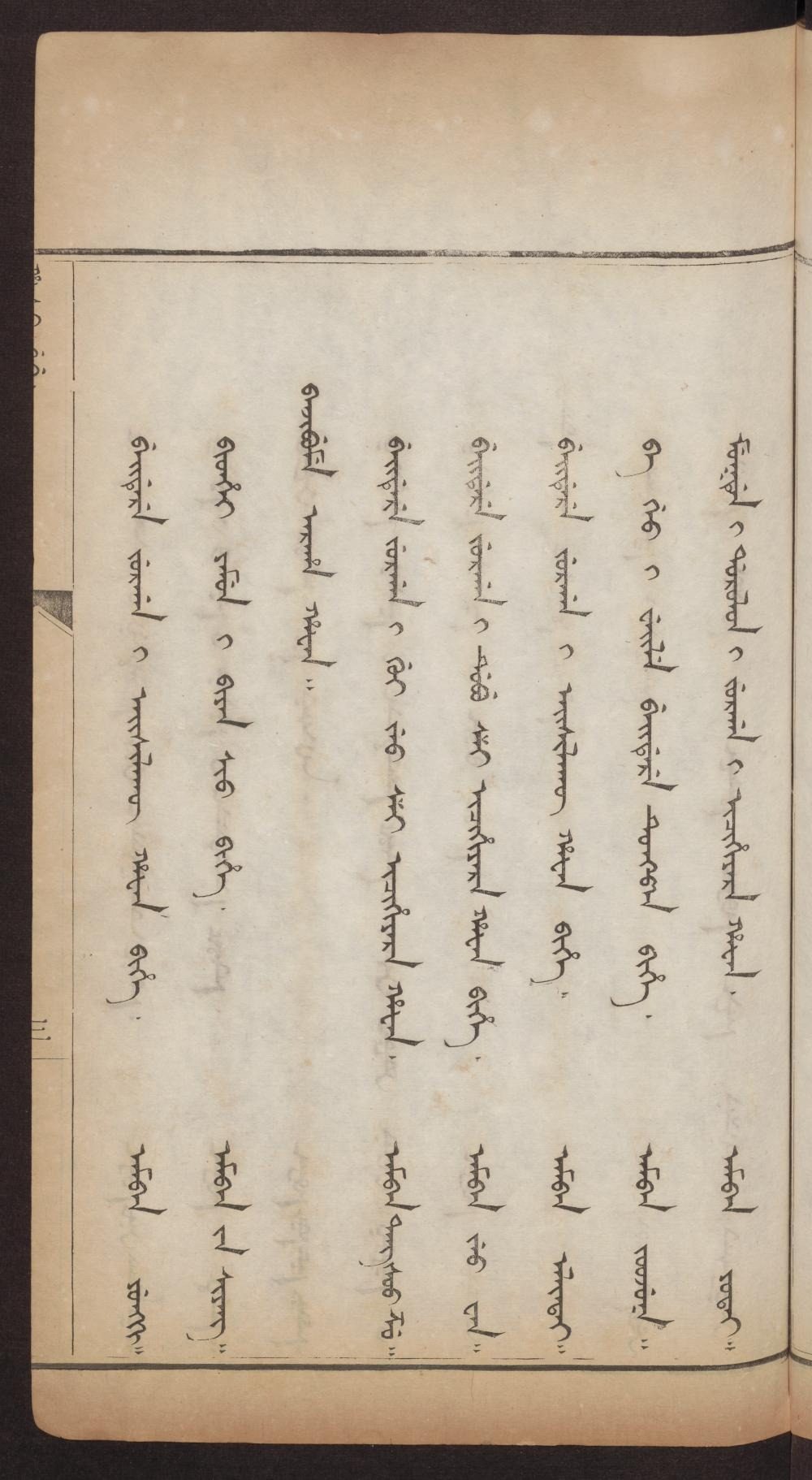
逐詞解析 · word-by-word(54 單元 · 覆蓋 94.4%)
曾任刑部員外郎臣永琪、曾任翰林院編修臣查祥、委官刑部貴州司郎中臣唐紹祖、曾任刑部督捕司郎中臣周琬、曾任刑部員外郎臣阿林台、曾任巴葛地方讞獄通判臣卓朱納、盛京禮部郎中臣約泰。
EnglishAisilakū hafan (Assistant Director) of the Board of Punishments, who was formerly Amban Yungki; Biyan Sio (Compiler) of the Hanlin Academy, who was formerly Amban Ja Siyang; Banjibume Araha Hafan (appointed official) serving as Iciliyara hafan (Director) of the Guizhou Department of the Board of Punishments, Amban Tang Šoo Dzu; Iciliyara hafan (Director) of the Dubu Sei (Arrest Department) of the Board of Punishments, who was formerly Amban Jeo Wan; Aisilakū hafan (Assistant Director) of the Board of Punishments, who was formerly Amban Alintai; Weile Beidere Tungban (Judicial Subprefect) of Ba Geo, who was formerly Amban Joojuna; Iciliyara hafan (Director) of the Mukden Ministry of Rites, Amban Yotai.
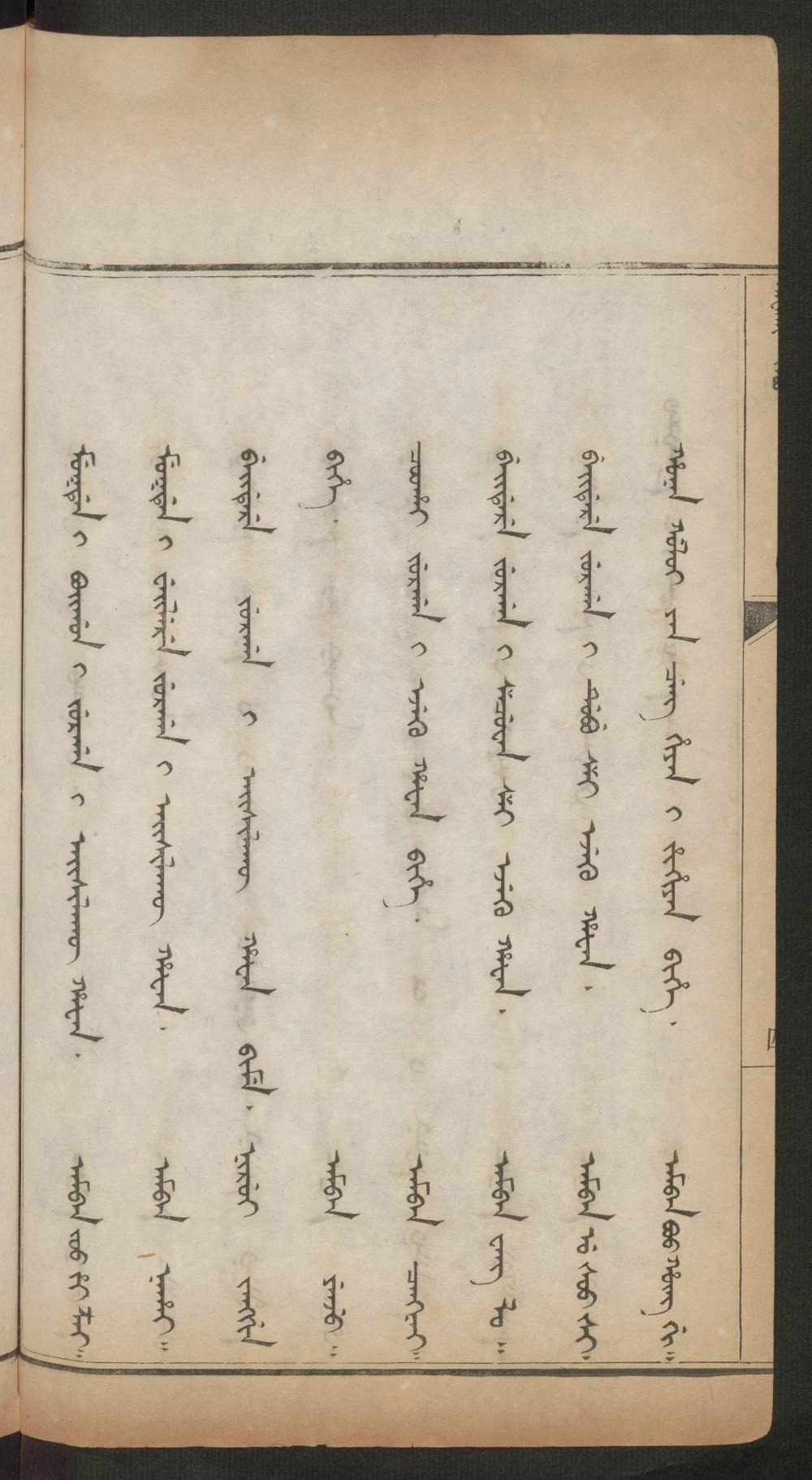
逐詞解析 · word-by-word(57 單元 · 覆蓋 94.7%)
盛京戶部員外郎臣趙雉、又盛京工部員外郎臣那海、刑部員外郎兼原任佐領臣延柱、兵部原任主事臣常鼐、刑部四川司主事臣王洛、刑部督捕司主事臣吳韶詩、河南省郾城縣原任知縣臣包鴻基
EnglishThe Vice Director of the Mukden Board of Revenue, Your Servant Joo Jy; further, the Vice Director of the Mukden Board of Works, Your Servant Nahai; the Vice Director of the Board of Punishments concurrently holding the former post of Company Captain, Your Servant Yenju; the former Secretary of the Board of War, Your Servant Cangnai; the Secretary of the Sichuan Bureau of the Board of Punishments, Your Servant Wang Lo; the Secretary of the Arrest Bureau of the Board of Punishments, Your Servant U Šoo Ši; the former District Magistrate of Yancheng County in Henan Province, Your Servant Boo Hūng Gi.
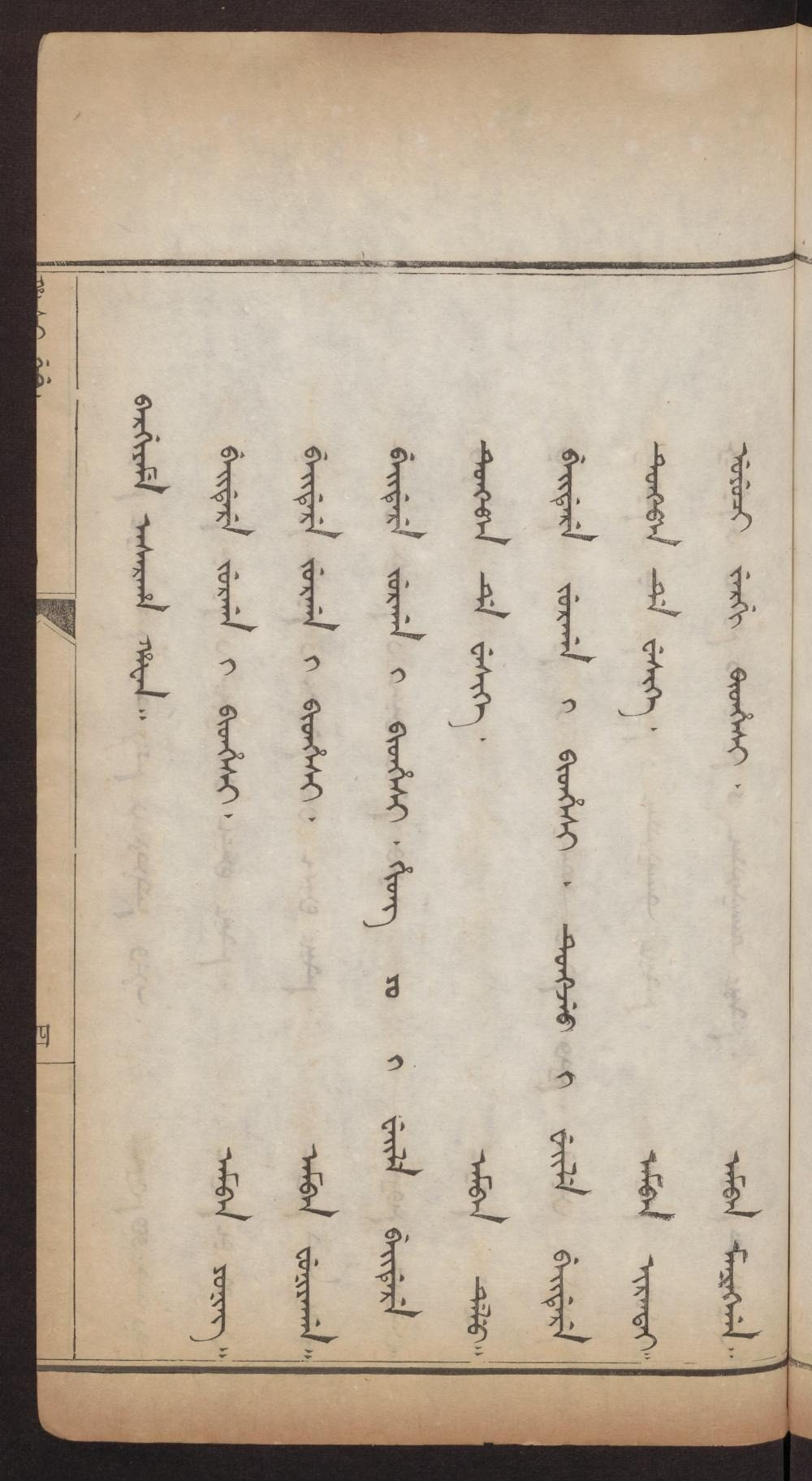
逐詞解析 · word-by-word(40 單元 · 覆蓋 90.0%)
收掌官臣岳寧 刑部筆帖式臣富尼雅甘 刑部筆帖式臣熊燿 升授理刑通判臣德祿 刑部筆帖式臣佟柱 升授理刑通判臣伊蘭泰 九品筆帖式臣明安
EnglishBargiyame Asaraha Hafan (Receiving and Keeping Official), Amban Yoning, Bithesi (Secretary) of the Board of Punishments, Amban Funiyagan, Bithesi of the Board of Punishments, Hiong Yo, promoted to Weile Beidere Tungban (Vice Prefect for Judicial Affairs), Amban Delu, Bithesi of the Board of Punishments, Tungjeo, promoted to Weile Beidere Tungban, Amban Irantai, Uyuci Jergi Bithesi (Ninth-Rank Secretary), Amban Mainggan.
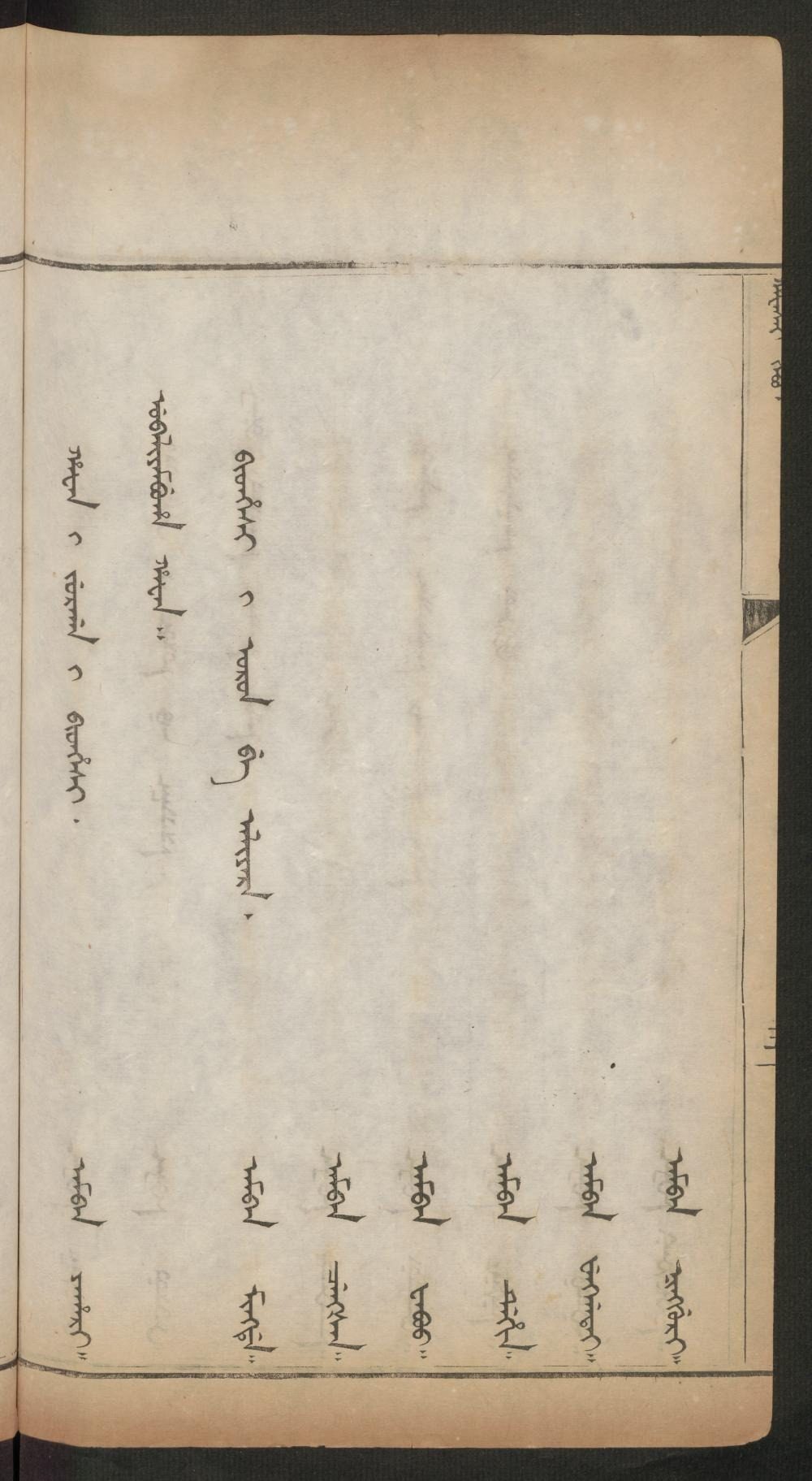
逐詞解析 · word-by-word(16 單元 · 覆蓋 81.2%)
吏部筆帖式、繙譯官大臣成山、大臣法保、大臣德馨、於費克森特樂任上大臣寧古里
EnglishSecretary of the Board of Personnel, Translator Official Amban Cengšan, Amban Faboo, Amban Dehin, Amban Ningguri at Feksentelere
逐詞解析 · word-by-word(21 單元 · 覆蓋 81.0%)
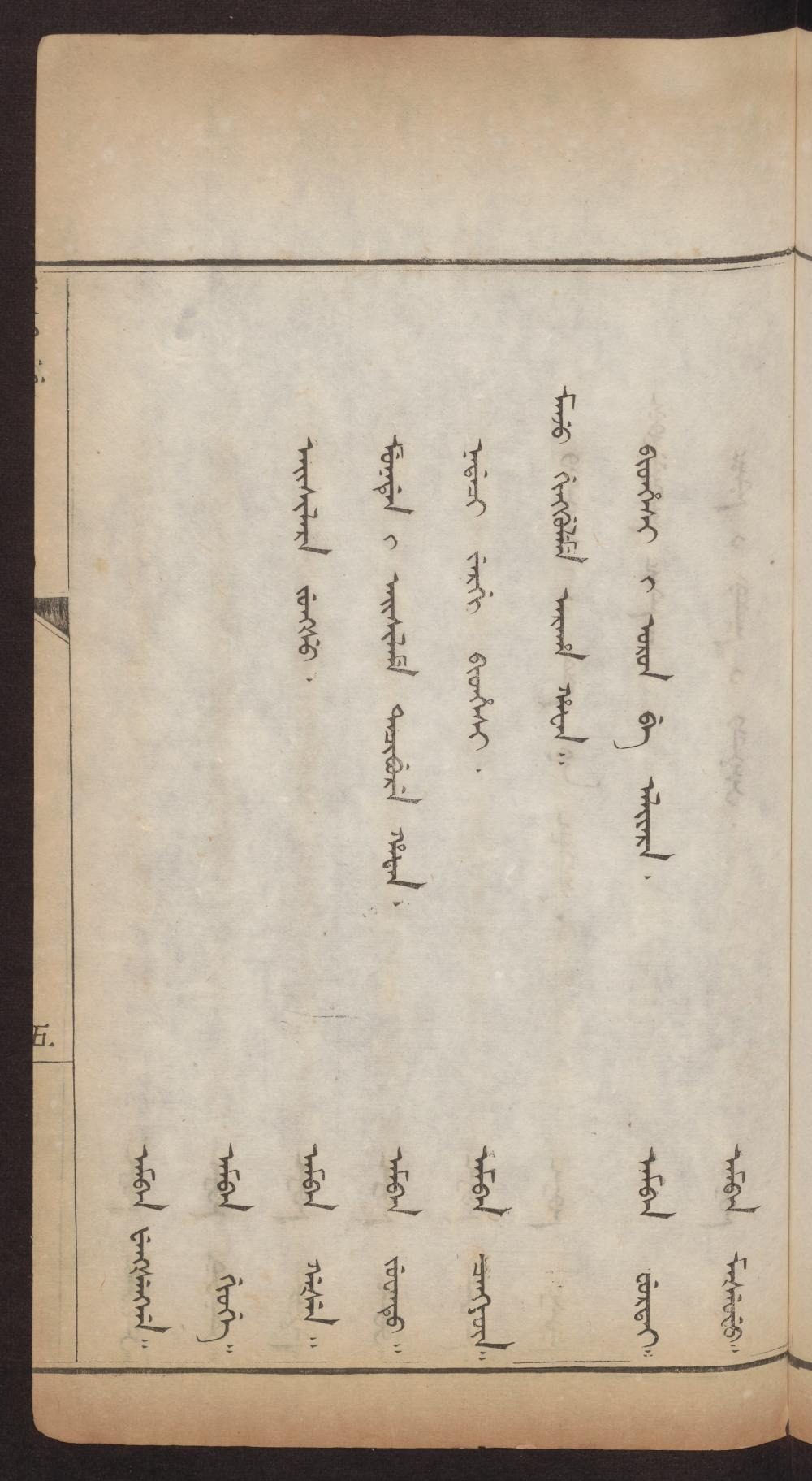
臣豐紳阿、臣交格、臣噶善、臣柱圖,第七級筆帖式・恭繕滿洲文之委官,候缺筆帖式臣瑪沙福。
EnglishMinister Fengšengga, Minister Gioge, Minister Gašen, Minister Juwantu, a seventh-rank clerk, an appointed official who respectfully drafted in Manchu, and Minister Mašafu, awaiting a vacancy for the post of clerk.
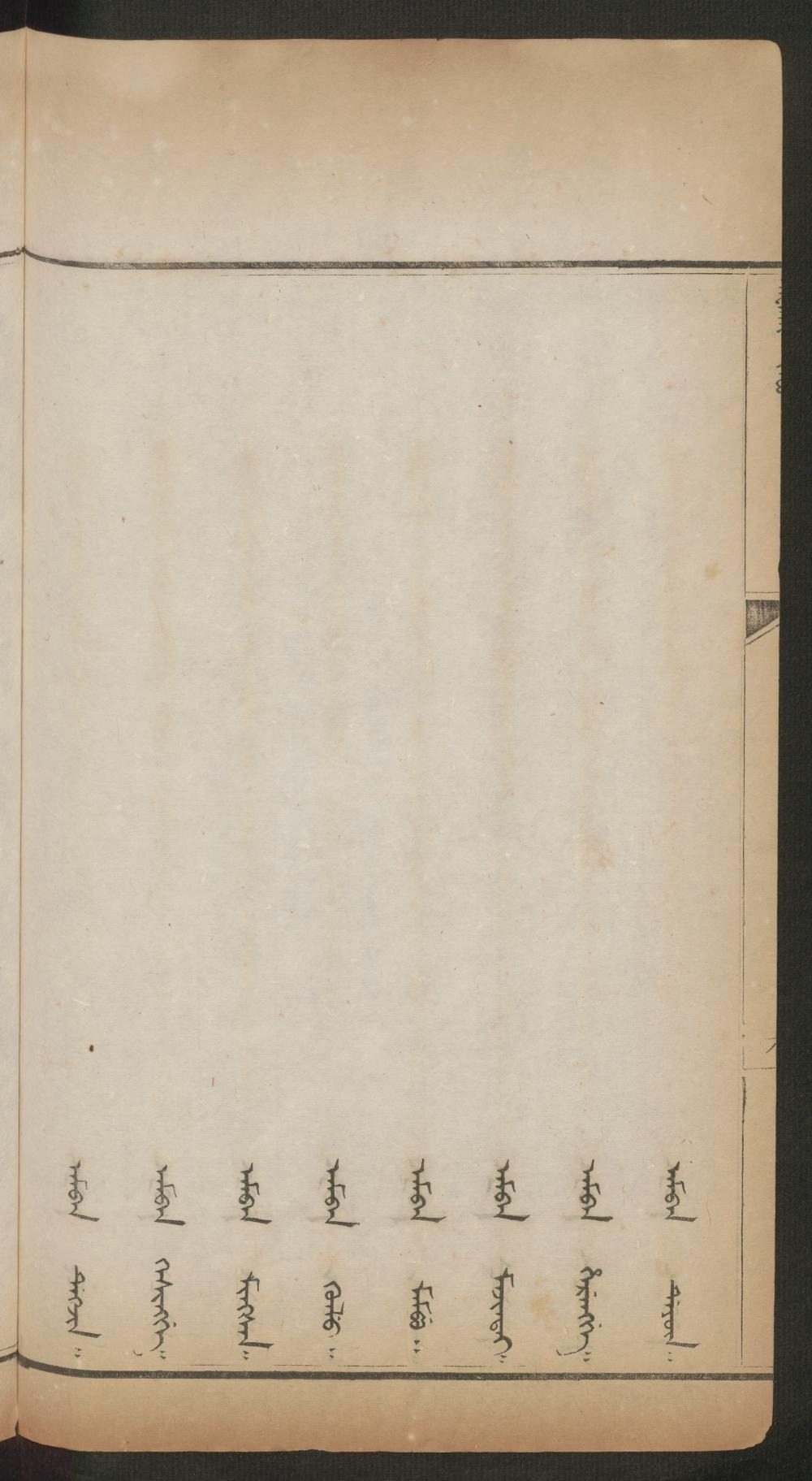
逐詞解析 · word-by-word(16 單元 · 覆蓋 93.8%)
臣特勤、臣克興額、臣明山、臣庫魯、臣滿布、臣瑪金泰、臣赫楞格、臣德雲
EnglishMinister Tekjin, Minister Kesingge, Minister Mingsan, Minister Kulu, Minister Mambu, Minister Majintai, Minister Herengge, Minister Deyūn
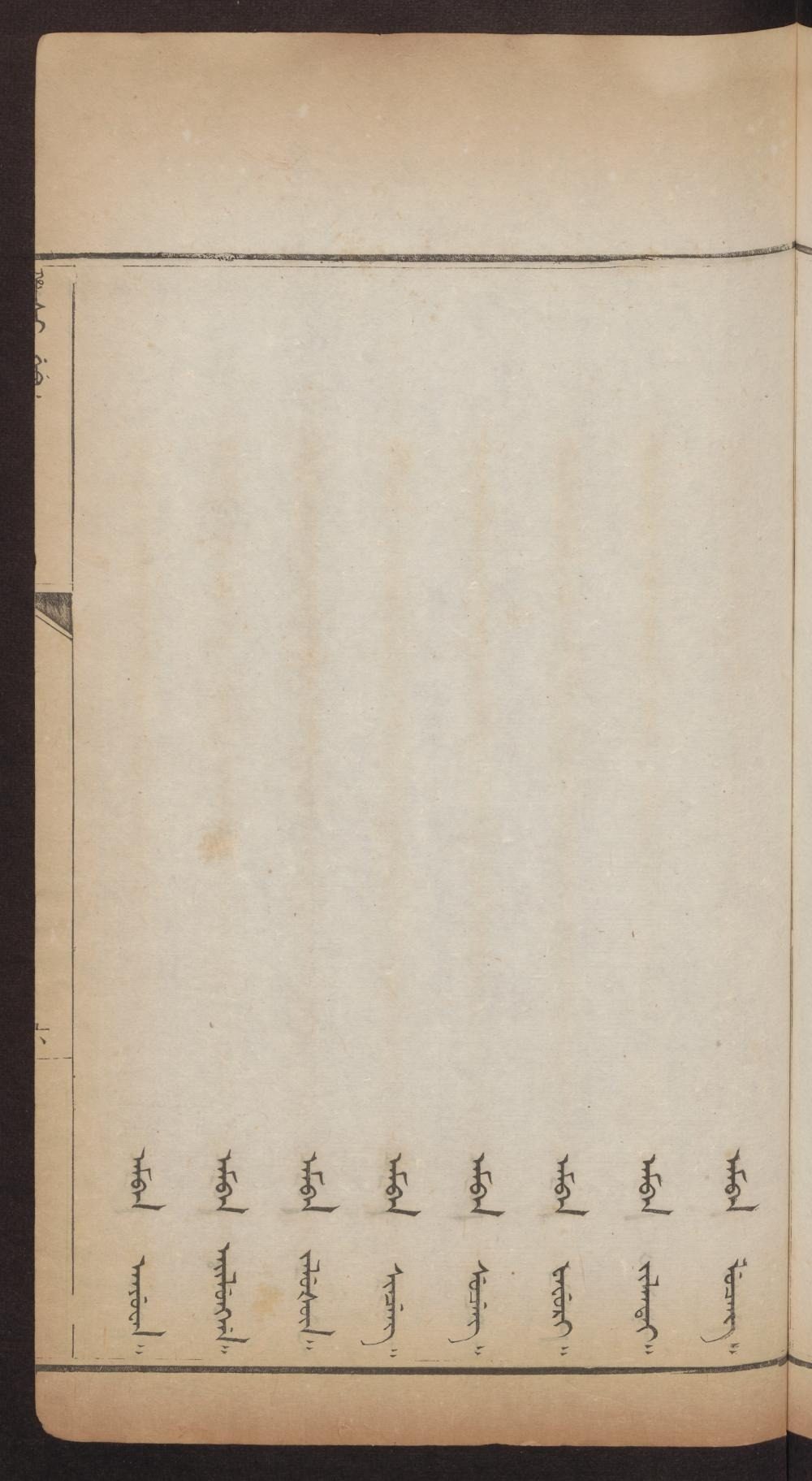
逐詞解析 · word-by-word(16 單元 · 覆蓋 68.8%)
臣安祐萬、臣愛隆阿、臣雅魯順、臣辛成、臣蘇成、臣法富禮、臣吉蘭泰、臣烏昌
EnglishYour servants Anyuwan, Ailungga, Jalushūn, Sinceng, Suceng, Fafuri, Jilantai and Ucang
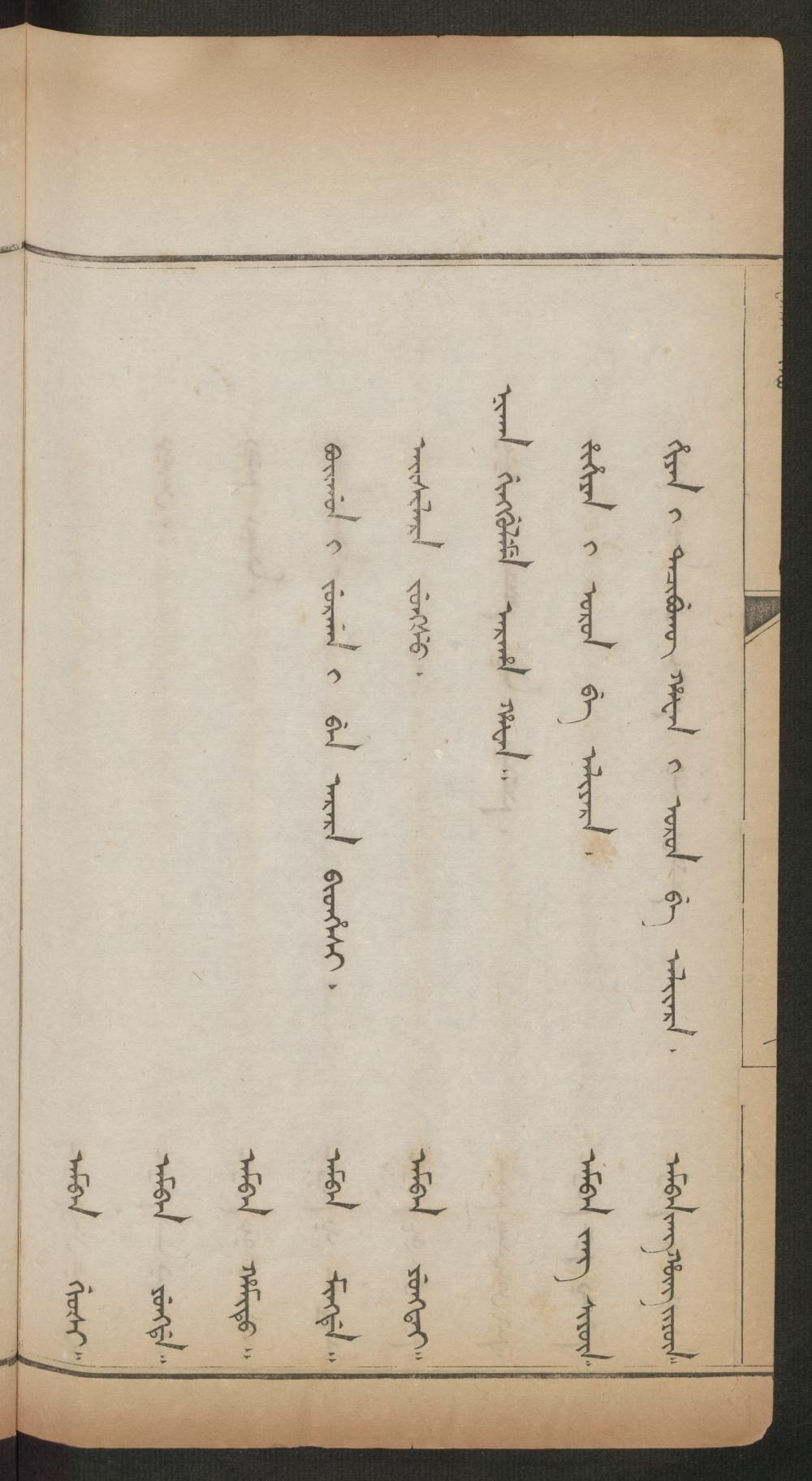
逐詞解析 · word-by-word(29 單元 · 覆蓋 89.7%)
臣覺羅什、臣伊本、行走筆帖式、助理中書、漢恭謹委官、候補知縣臣張西雲、教諭缺候補臣張宏俊
EnglishOfficial Gioši, Official I Ben, Acting Bithesi, Assistant Secretary, Cautiously Appointed Officer for the Han Chinese, Official Jhang Siyūn Awaiting the Magistracy Vacancy, Official Jhang Hongjiyun Awaiting the County Instructor Vacancy
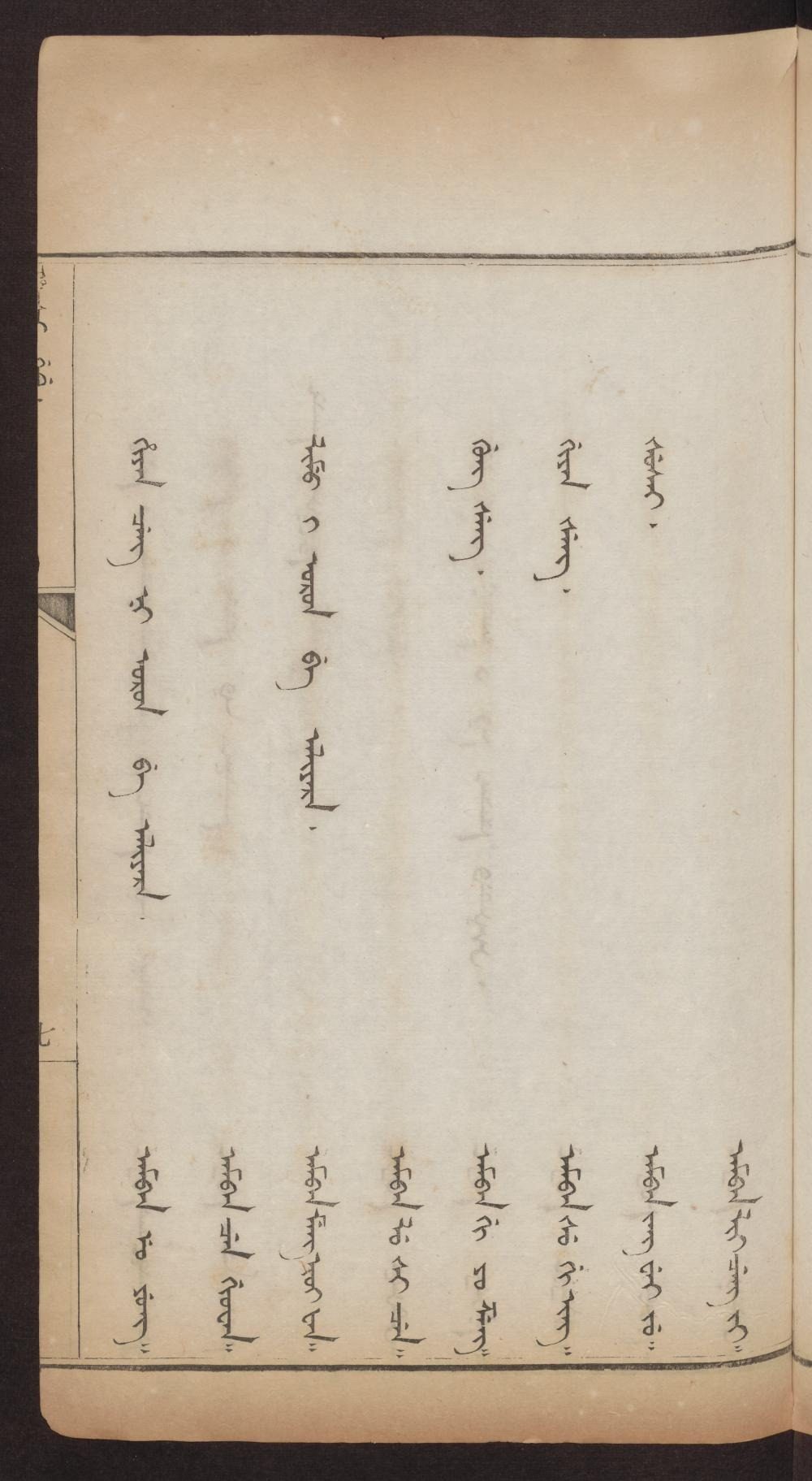
逐詞解析 · word-by-word(35 單元 · 覆蓋 88.6%)
候補縣丞臣吳永、臣陳全、臣梅尼于範、臣魯世臣、臣吉岳曾簡書吉英、臣敬偉柱、臣李成基
EnglishMinister U Yung, minister Cen Giowan, minister Meni Ioi Fan, minister Lu Ši Cen, minister Gi Yo Dzeng Giyan Šu Gi Ing, minister Jing Wei Ju, minister Lii Ceng Ji, awaiting the vacancy of county vice-magistrate.
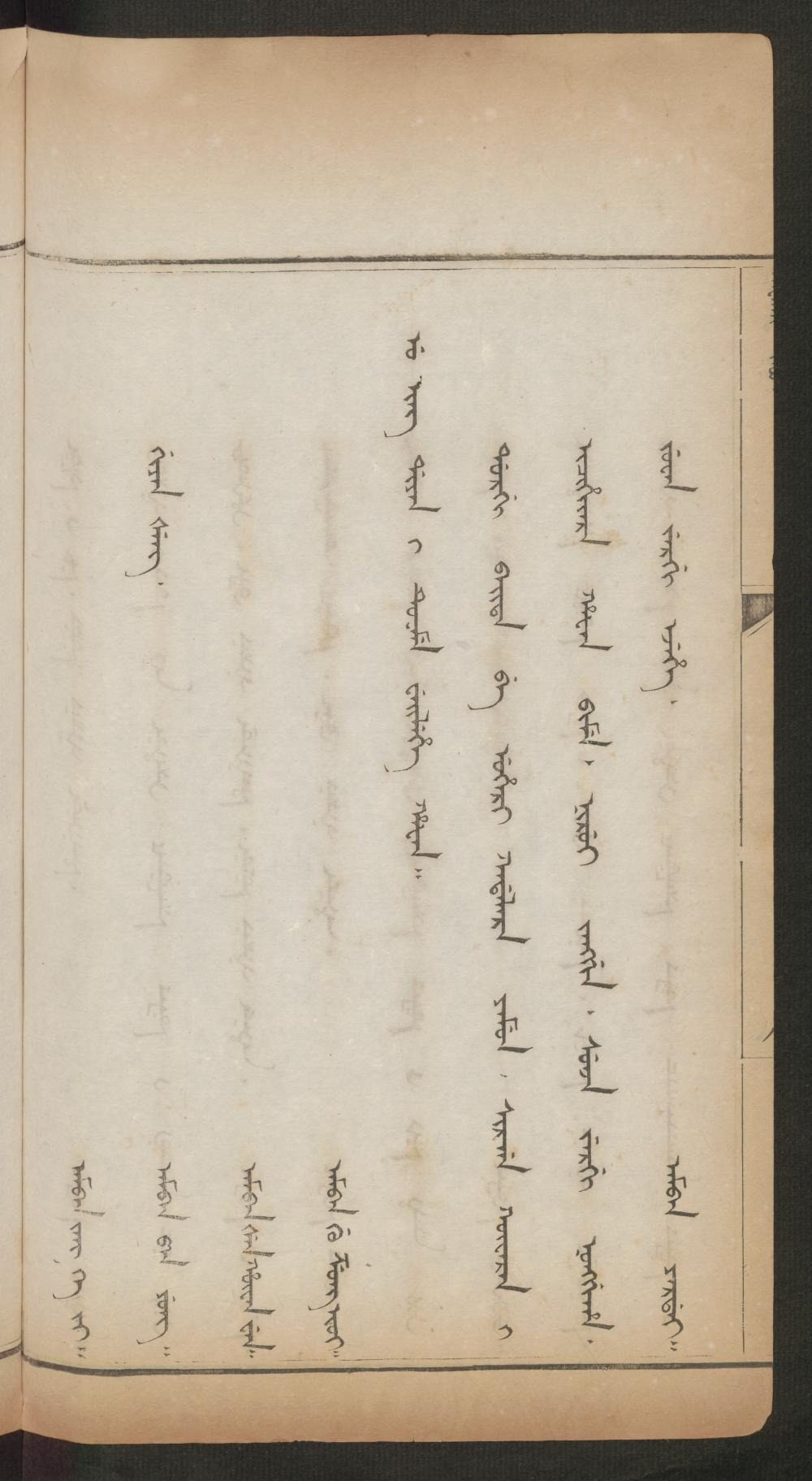
逐詞解析 · word-by-word(25 單元 · 覆蓋 96.0%)
章珂積安雅四殿硨磲作官、總管內務府南苑郎中兼佐領,加五級紀錄十次,臣雅爾岱。
EnglishOfficial of the tridacna workshop at the Jang Ke Ji An Ya Four Halls, Director (icihiyara hafan) of the Southern Park (Sirga Kūwaran) of the Imperial Household Department (Dorgi Baita be Uheri Kadalara Yamun), concurrently Niru-i Janggin, with five added ranks and ten records of merit, Grand Minister Yardai.
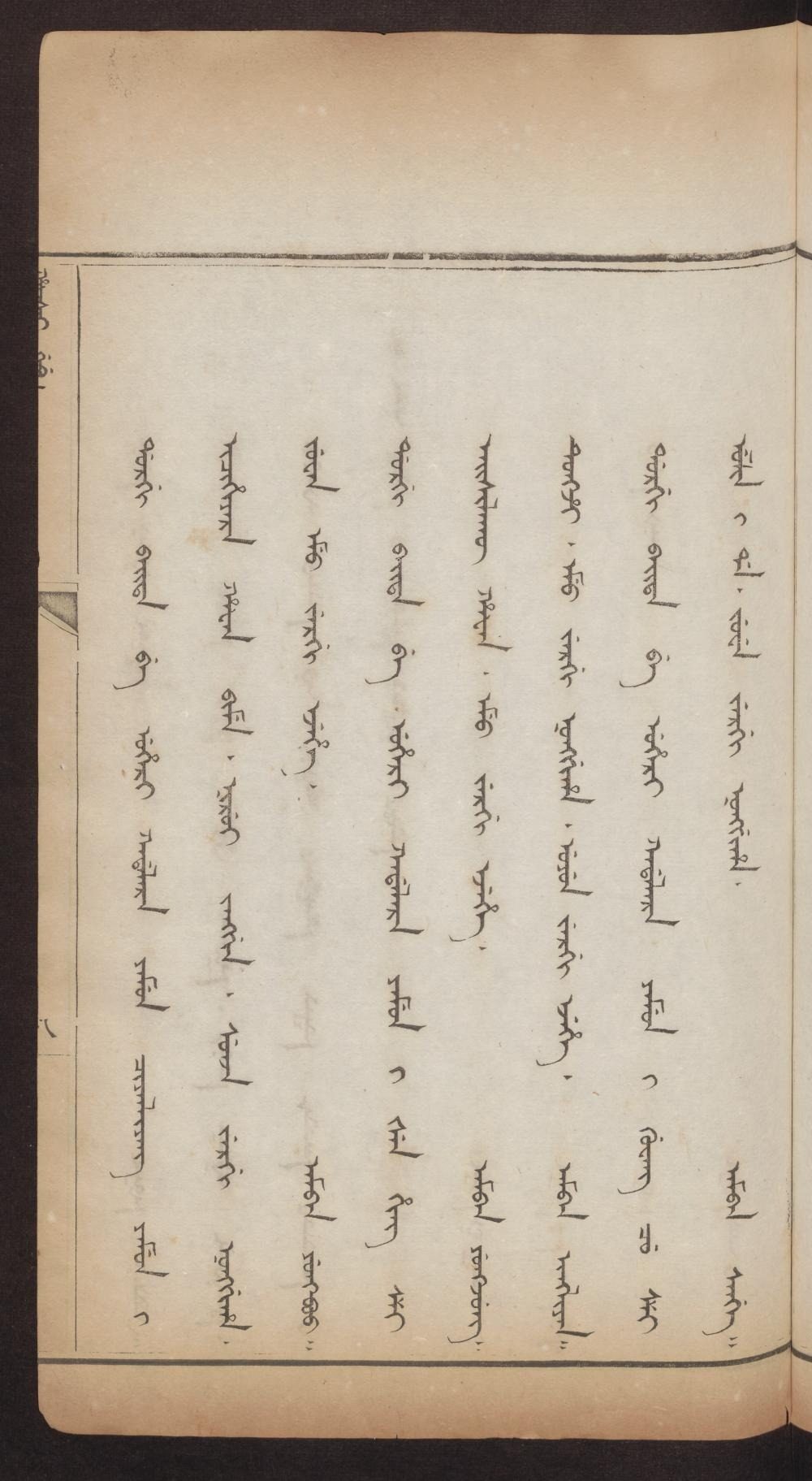
逐詞解析 · word-by-word(42 單元 · 覆蓋 92.9%)
總管內務府錢糧衙門郎中兼佐領加五級紀錄十一次臣永保,總管內務府慎刑司員外郎紀錄一次臣永忠,同知加一級紀錄九次臣英岩,總管內務府廣儲司司庫加二級臣三格
EnglishMinister Yongboo, Director of the Bureau of Funds and Granaries of the Imperial Household Department, concurrently Company Commander, with an addition of five grades and eleven records of merit; Minister Yungjung, Vice Director of the Bureau of Punishments of the Imperial Household Department, with one record of merit; Minister Ing-giyan, Sub-Prefect, with an addition of one grade and nine records of merit; Minister Sange, Storekeeper of the Bureau of the Imperial Storehouse of the Imperial Household Department, with an addition of two grades.
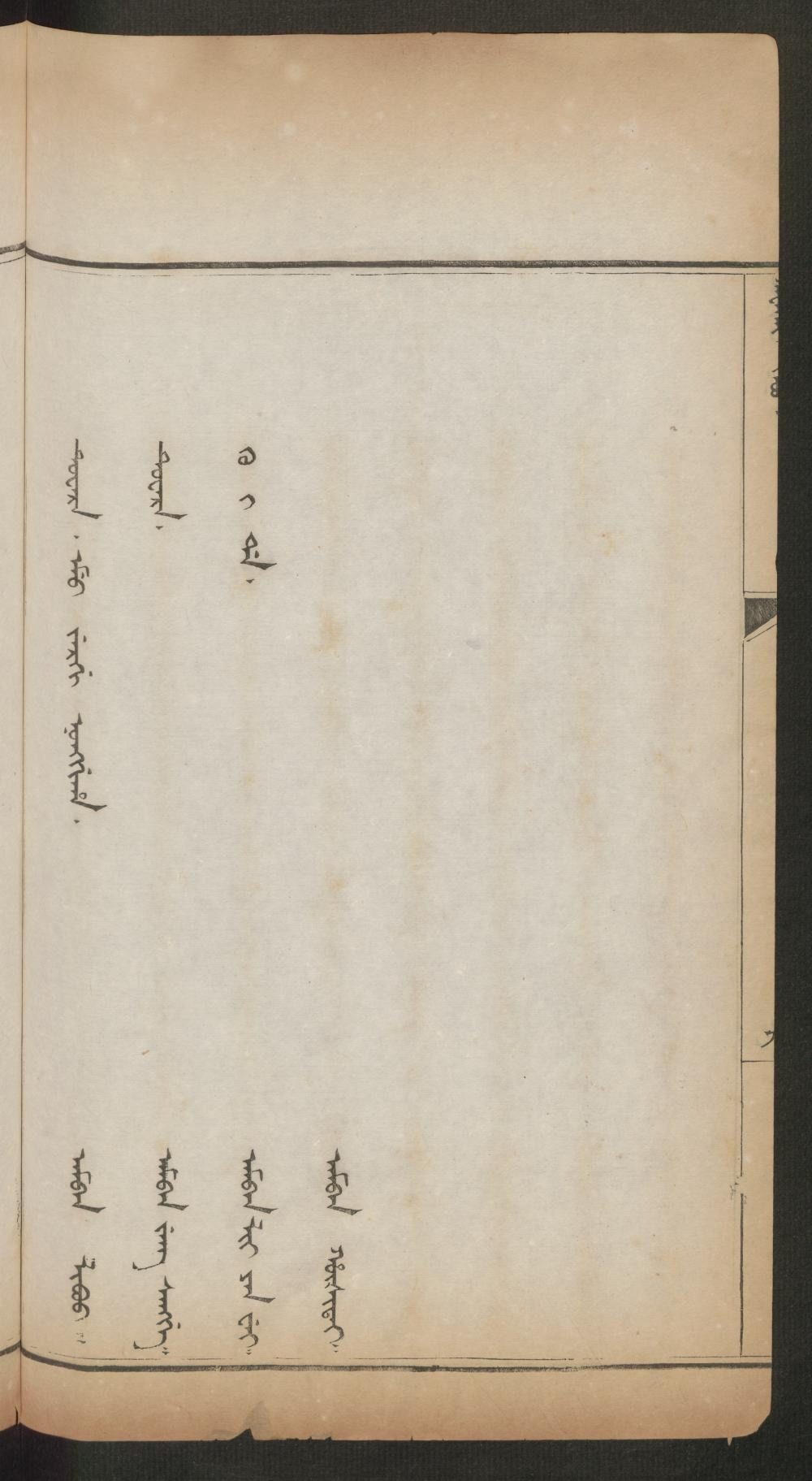
逐詞解析 · word-by-word(14 單元 · 覆蓋 92.9%)
閱看事務加一級大臣立保、大臣正三格、大臣李延威、大臣瑚什泰
EnglishMinister of Inspection with an additional first rank, Liboo; Minister Jeng Sange; Minister Lii Yan Wei; Minister Hūsitai.
逐詞解析 · word-by-word(44 單元 · 覆蓋 100.0%)
圈點檔冊第十六冊內,聖汗諭旨制定:看守和碩親王門者、看守多羅郡王門者,內閣惟值班之人而已,不得任意喧亂。旗人聚集時,俱於外門聚集。若有事情須進入之人,則為值班者
EnglishIn the dotted archives, volume sixteen, by the holy emperor's decree it was established: those guarding the gate of the Prince of the First Rank and those guarding the gate of the Prince of the Second Rank, in the Grand Secretariat there are only the duty personnel, and no disorder whatsoever is permitted. When bannermen assemble, they all gather at the outer gate. If there is business and someone needs to enter, then it is the duty person
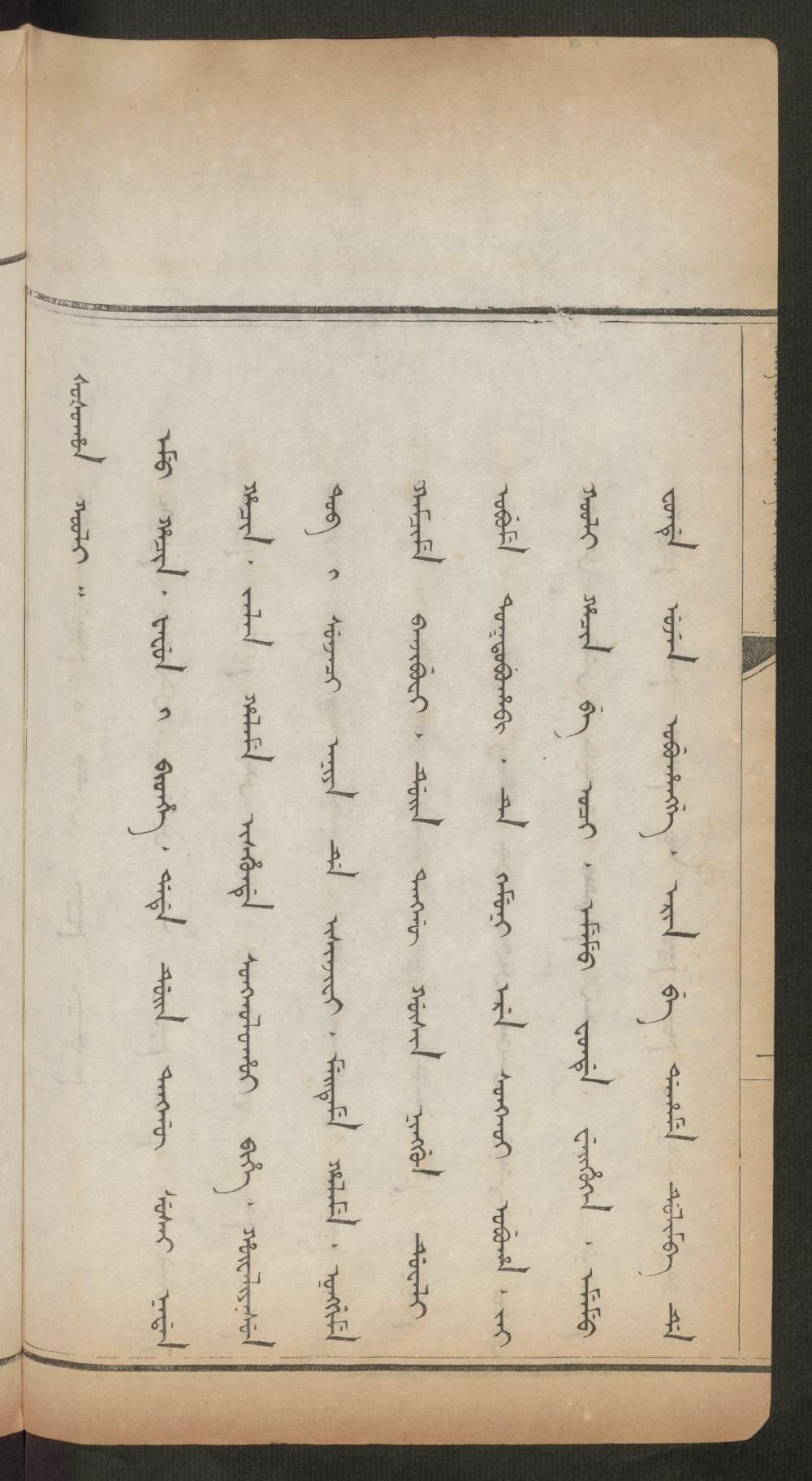
逐詞解析 · word-by-word(50 單元 · 覆蓋 96.0%)
總例一項:律書原爲四百五十七條,世代相循遵守。至雍正五年,經删削、改訂、增補、合併,編定爲四百三十六類,已著爲定例。現今仍依此辦理。至於條例一項,則時輕時重,因時制宜,於彙纂之際……
EnglishOne item of the general regulations: The code originally had four hundred fifty-seven articles, and was mutually followed from generation to generation. Upon reaching the fifth year of Yongzheng, it was compiled by deleting, altering, supplementing, and merging, and was established as four hundred thirty-six categories. Now it is still made in accordance with this. As for the sub-statutes, sometimes they are made light, sometimes they are made heavy, following the times, when compiling…
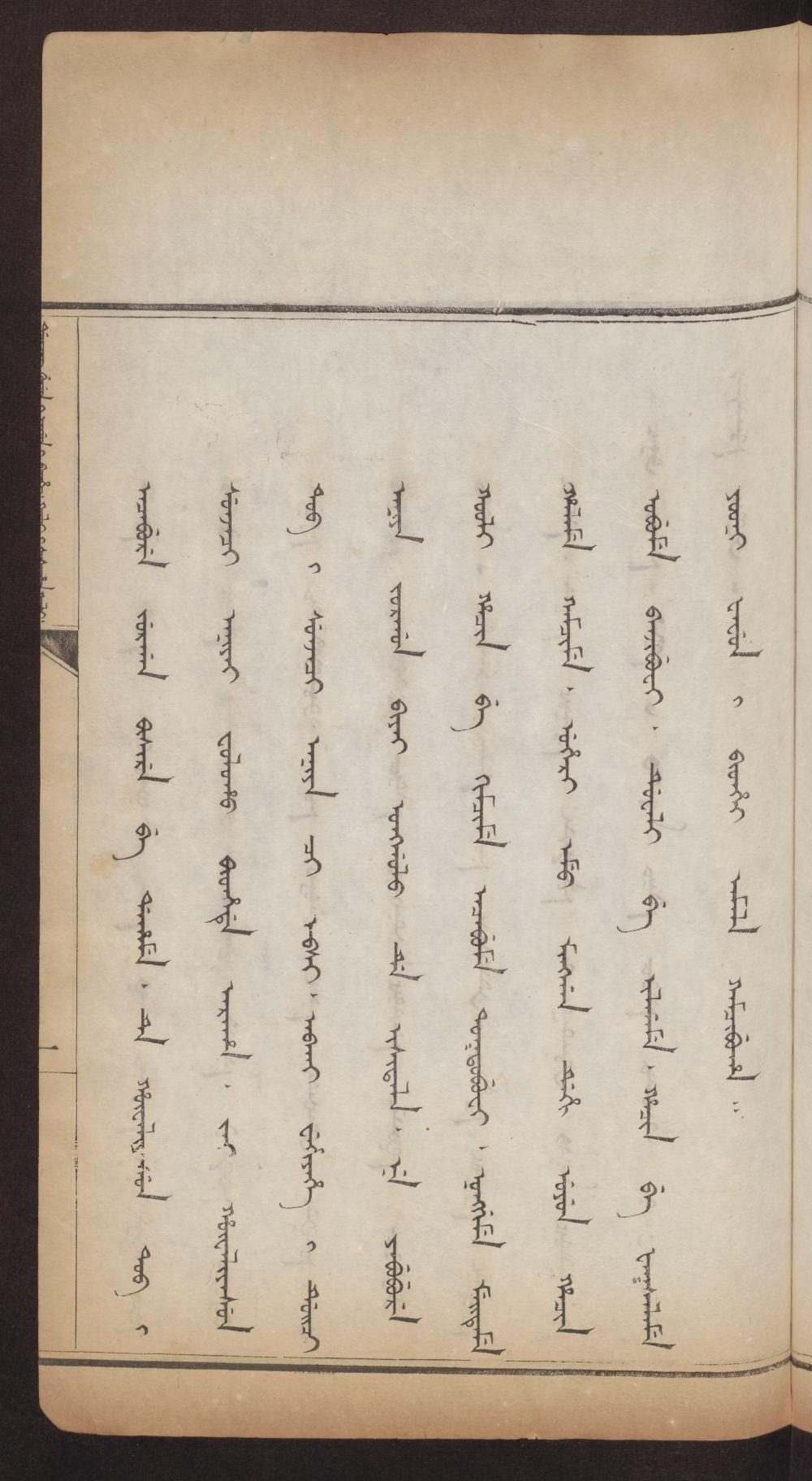
逐詞解析 · word-by-word(59 單元 · 覆蓋 98.3%)
因須參酌核校之處,今雍正五年刻本所載,並自雍正五年以降,至乾隆四年十二月以前,將現行條例逐一詳覈吻合,增刪改併,總成一四九條,分類別款,悉附於律書之後。
EnglishSince there are parts that need to be harmonized, what was written in the engraved edition of the fifth year of Yongzheng, and from the fifth year of Yongzheng onward until before the twelfth month of the fourth year of Qianlong, the current operative statutes were examined and reconciled, decided upon, supplemented, cut, altered, merged, and altogether compiled into one thousand and forty-nine articles; the categories were distinguished, the articles were separated, and all were appended at the end of the law book.
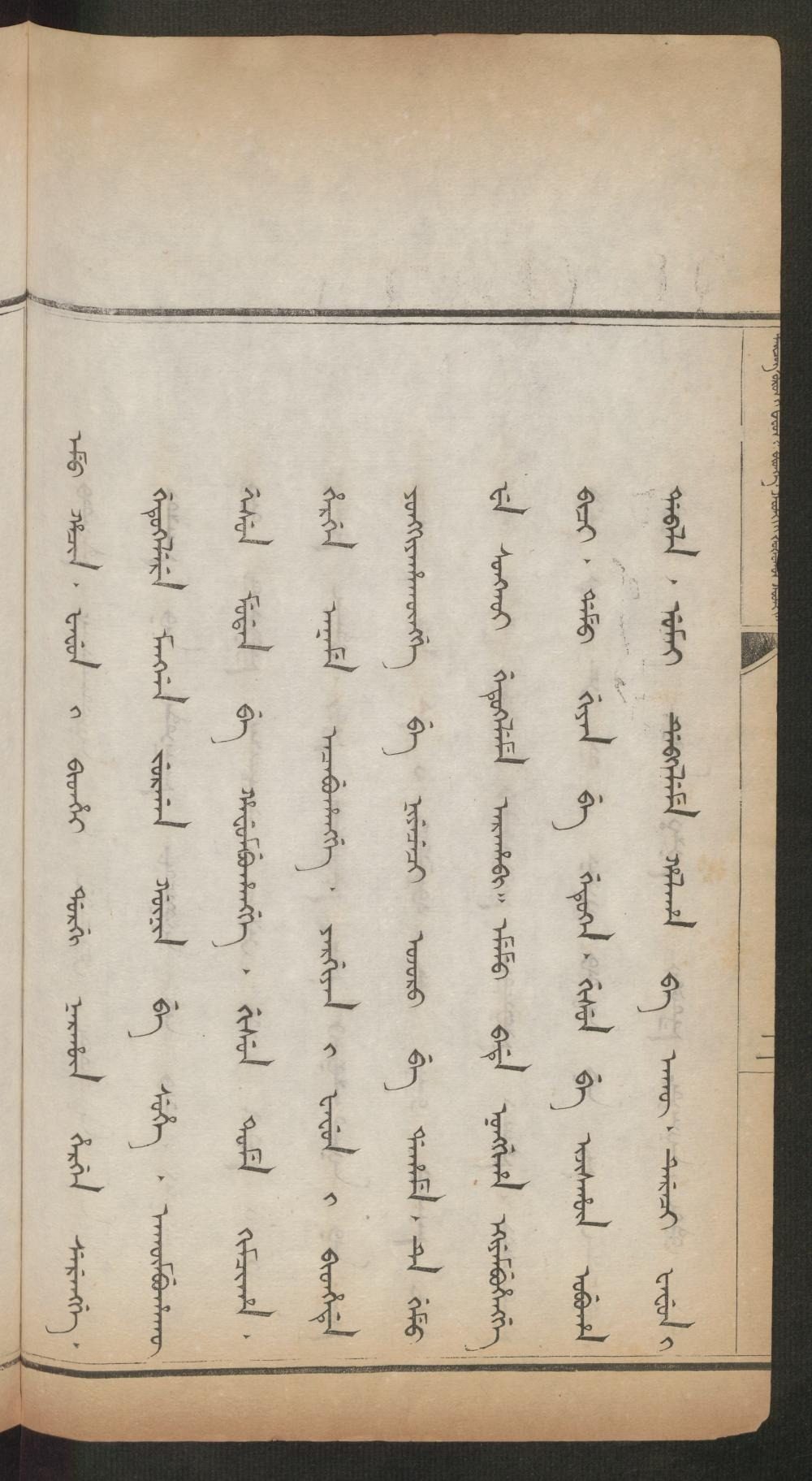
逐詞解析 · word-by-word(59 單元 · 覆蓋 96.6%)
一條,律書中之小注者,乃解說難明之義理,疏解心意未盡其致,貫通辭氣者,乃逐語詳核、逐字斟合者也。誠以律書中未備之處既可補綴,故今皆照舊詳明書寫。間有增刪之處,惟使理致明晰、語氣和順而已,未嘗擅改一字。由是,律……
EnglishOne item: The small-print commentaries within the law code are (those passages) which explain difficult principles, the explications of intention that have not been fully exhausted, and the renderings that penetrate the tone of the wording; (they are materials) wherein every phrase has been scrutinized and every character has been matched. Since what is incomplete in the actual code may be supplemented, now all have been written out clearly according to the old precedents. Where there are additions or deletions in certain places, (they) merely make the reasoning clear and the language smooth; by no means have any alterations been made arbitrarily. Henceforth, the law…
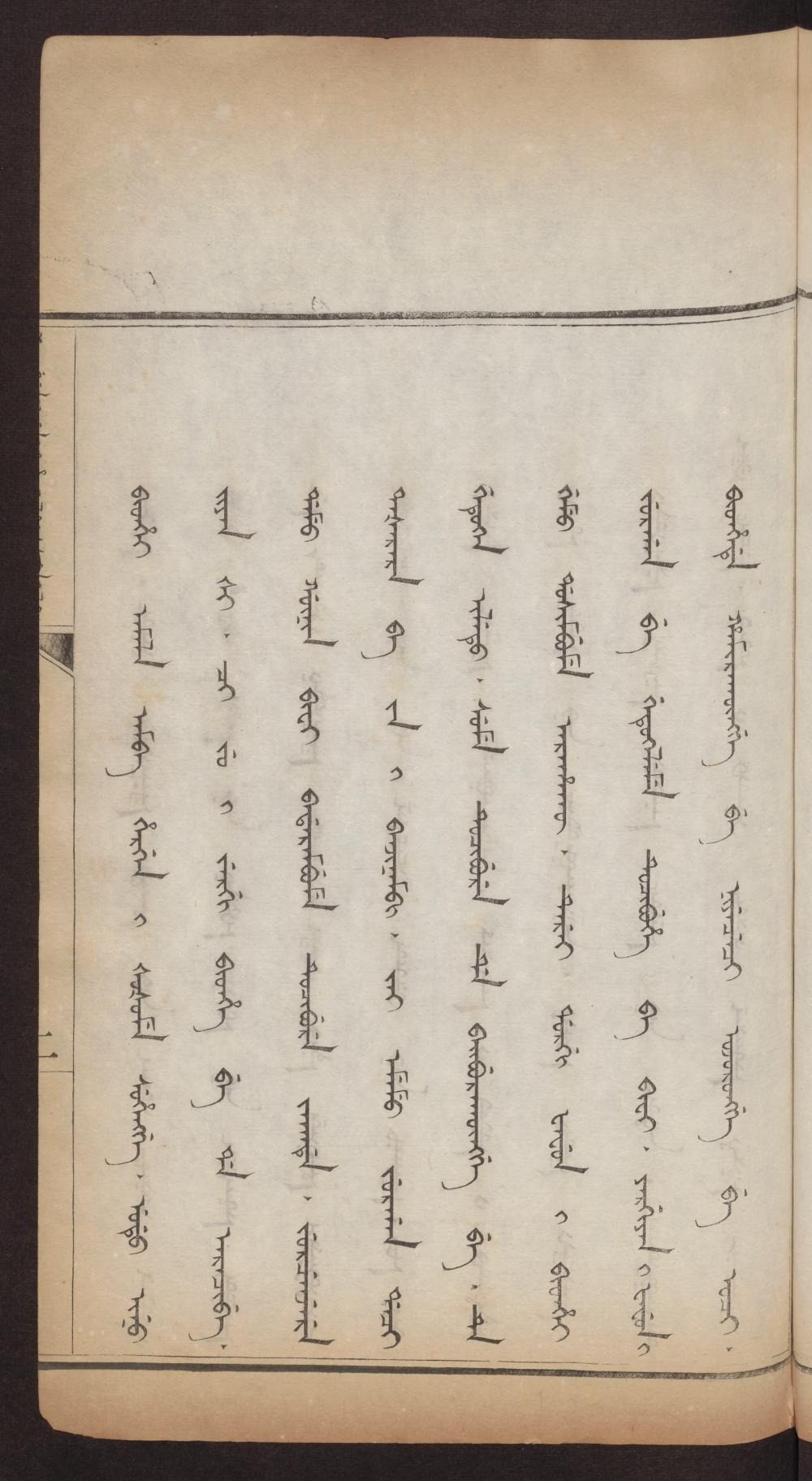
逐詞解析 · word-by-word(67 單元 · 覆蓋 95.5%)
在律書之後,用大字撮要者,雖亦如《鑑史辭注》之類書籍照原樣寫出,只因有意推廣闡發,故矛盾錯訛之處易於滋生。再者,若干條目素來無須明白解說者,今皆未予列入。其中,有將律書條目闡明指出之處存在;至於確屬律書所不能盡括而可補綴者,若……(下頁續)
EnglishAfter the book, the summaries in large characters, though also originally written from books such as the Jiyan ši ci ju, merely because there was an intention to expand and expound, contradictions and errors easily arise. Moreover, some articles that originally did not need to be clearly and explicitly explained have now all been omitted. Among these, where the articles of the law book have been clearly pointed out and explained; as for that which truly cannot be covered by the law book and can be supplemented, if …
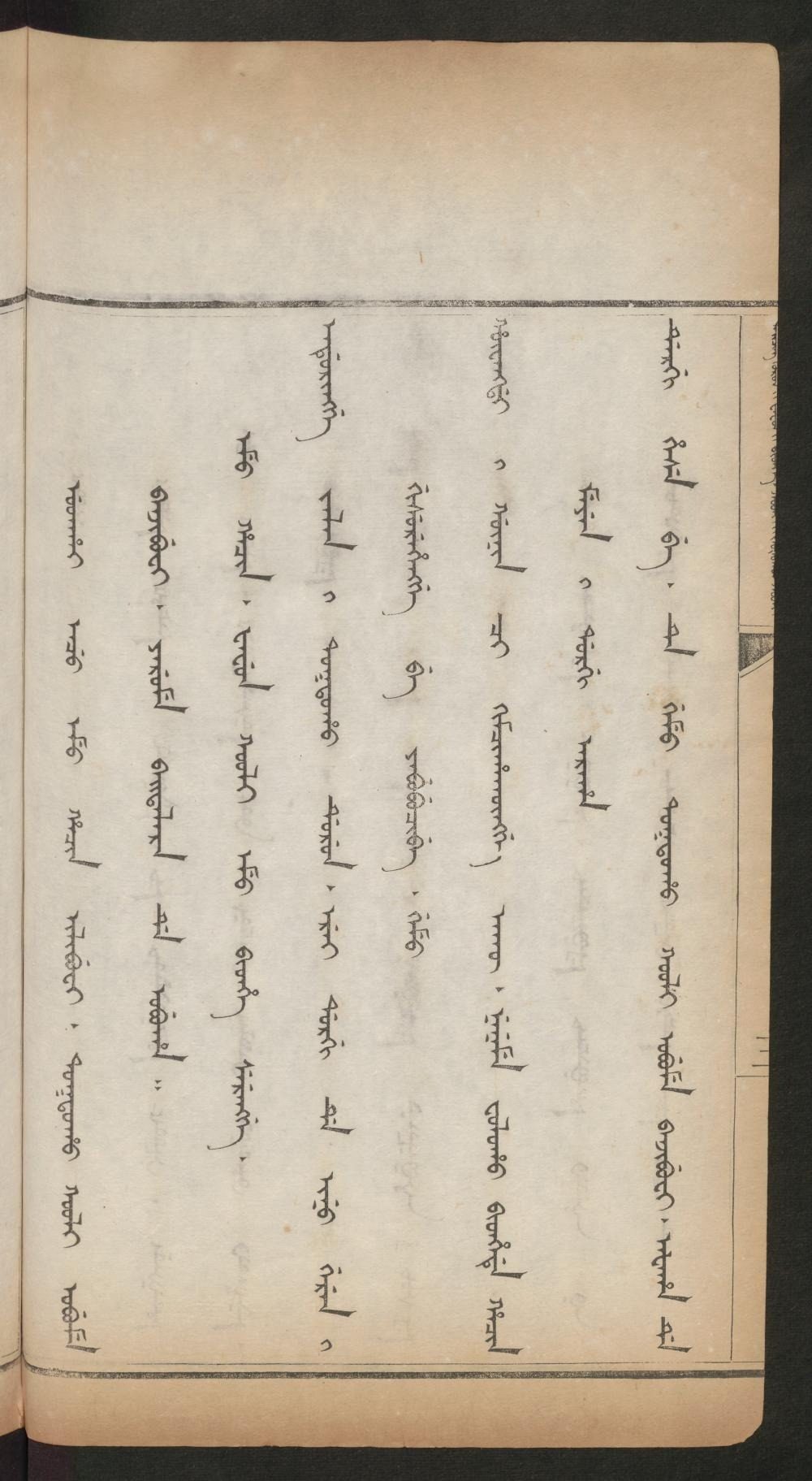
逐詞解析 · word-by-word(52 單元 · 覆蓋 98.1%)
即另立一條,編為定例,以資援引,成為一種法令之書,乃聖世之定式也。其中雖亦施行眾人所議,然無不經皇帝聖心詳察者。先前刻本中,凡於條目內所載上諭,今皆編為定例,於篇頁——
EnglishImmediately establishing a separate category and compiling it as a fixed statute, making it into a kind of legal code to be cited and applied—such a legal book is the established model of the sagely era. Within it, although matters deliberated by the multitude were also implemented, there was none that was not meticulously examined by the Emperor's mind. In the previously carved woodblock edition, the imperial edicts recorded within the sections and items are now all compiled as fixed statutes, and on the pages—
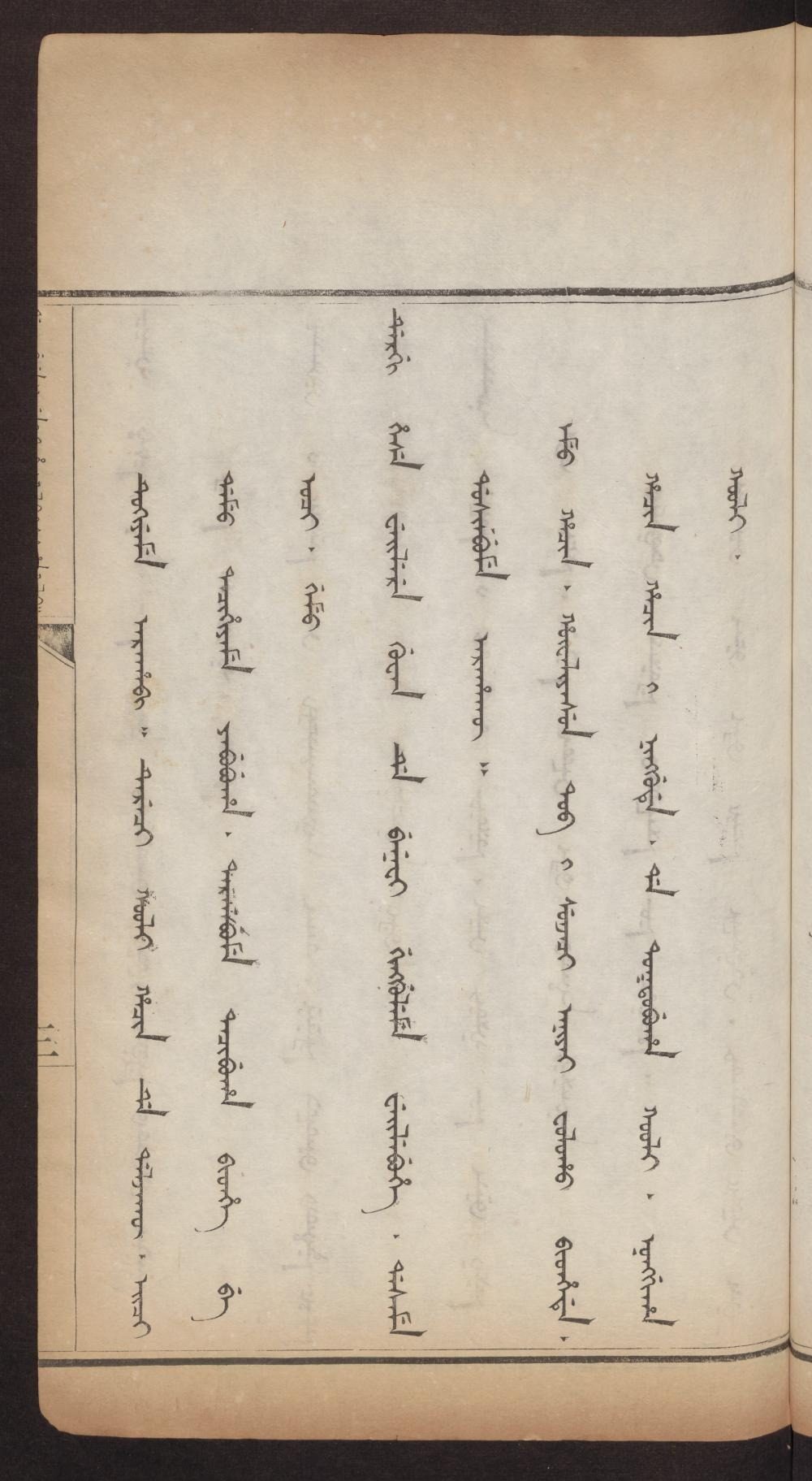
逐詞解析 · word-by-word(39 單元 · 覆蓋 100.0%)
遂予抬寫。至與條例無涉者,或僅為訓示施行、誡諭教授之書,則俱送交上諭辦理館,恭行辦竣,未再編入。一條,雍正五年刻本中,各項之上原有定例、增例
EnglishThey were written in raised form. Thereupon, those that were unrelated to the regulations, or were merely books issued for instruction and admonishment — all were sent to the Office for Handling Imperial Edicts, respectfully processed, and not re-incorporated into the compilation. One entry: in the block-printed book of the fifth year of Yongzheng, atop the various categories, the original established regulations and the supplementary regulations
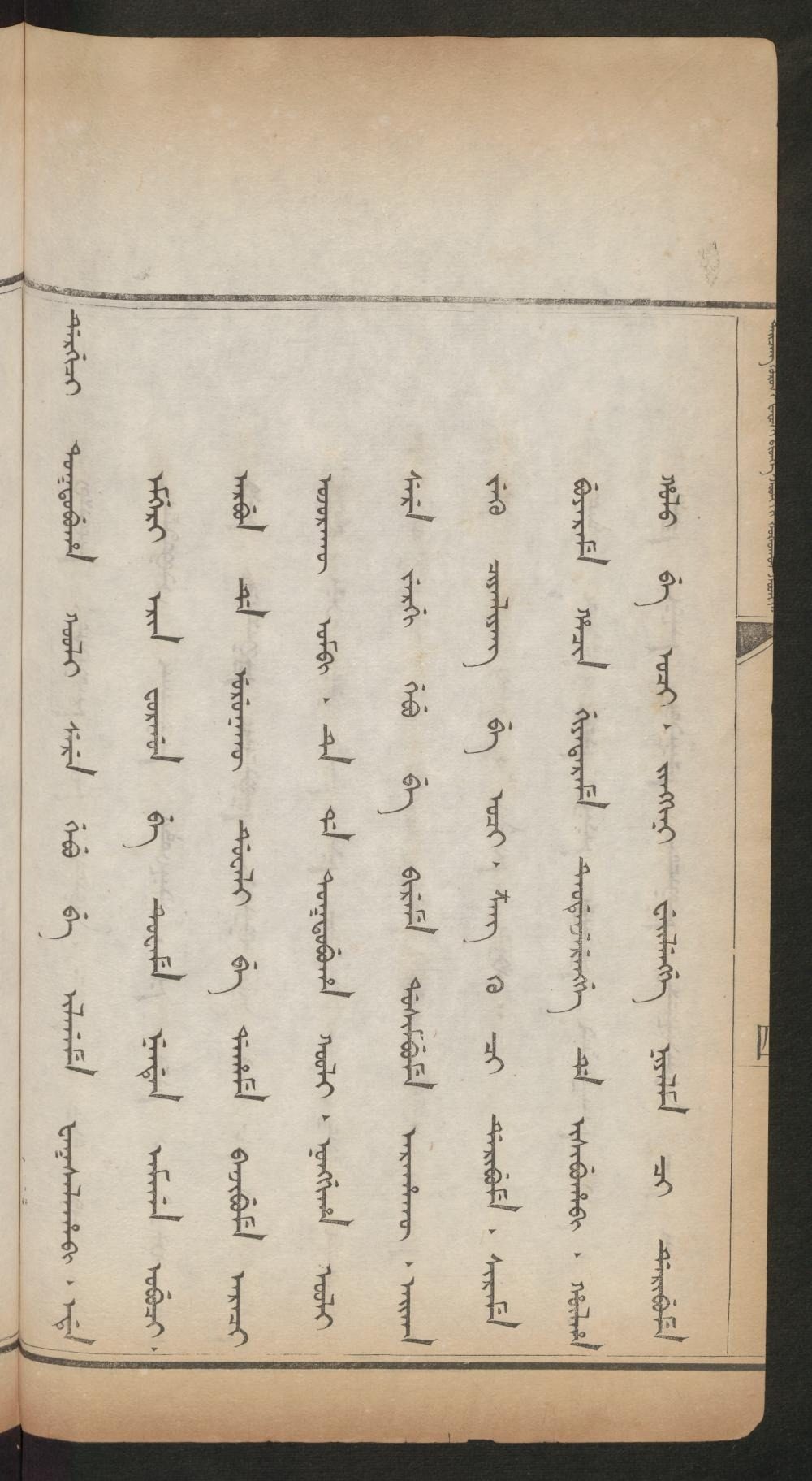
逐詞解析 · word-by-word(55 單元 · 覆蓋 98.2%)
上諭所定之例,其名稱已予釐析區分。因而,若先後以時序為次,勢必隨類編排,不可行也。今未將「原定例」、「增例」等名目一併歸入。若屬糧餉錢糧,則自藏庫始,遞至雜項剋扣挪移等事。若屬誆騙訛詐,則自正犯始,
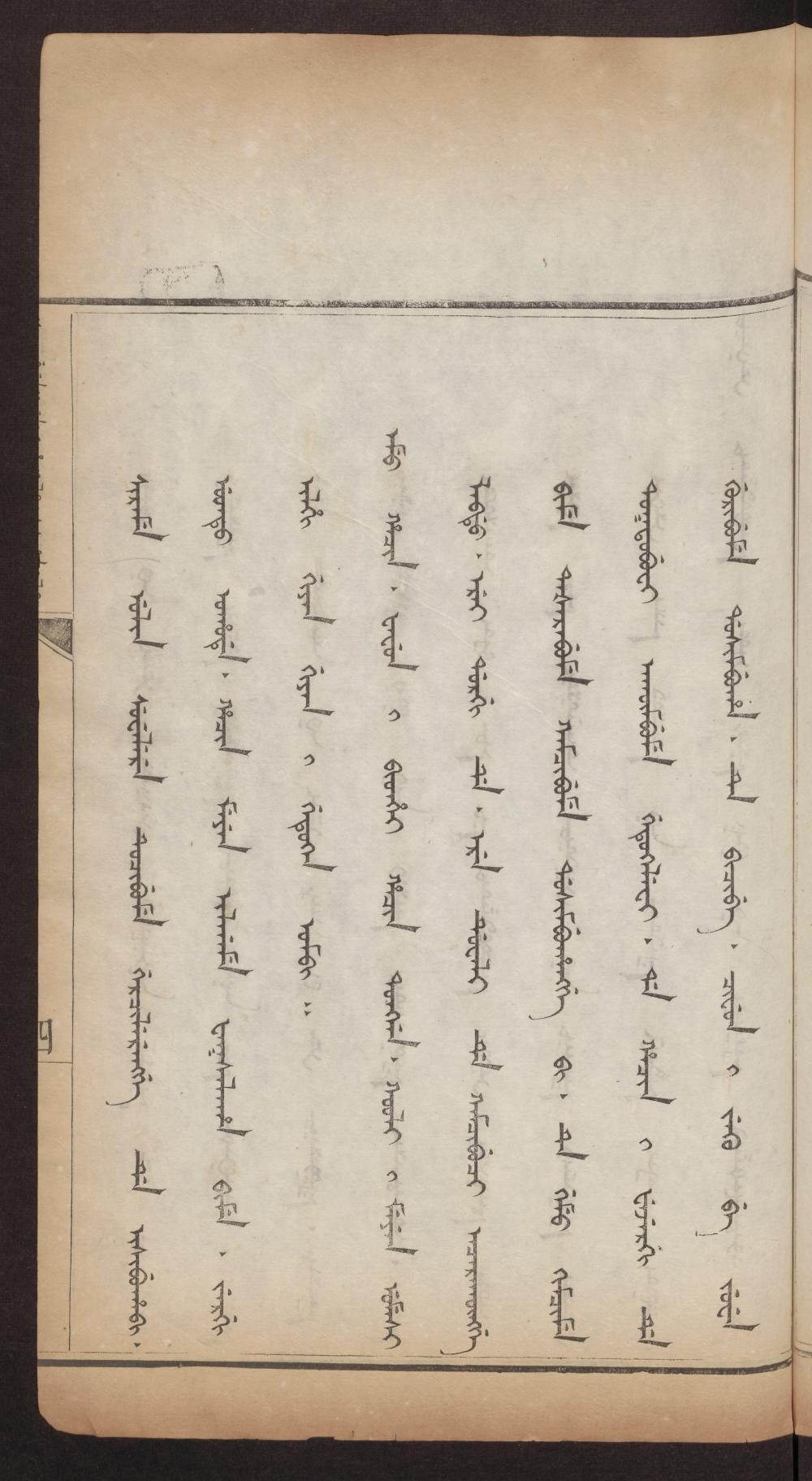
EnglishThe term “imperially codified regulations” has been differentiated and separated. Therefore, if (one) were to sequence them by time, it would inevitably become necessary to arrange them according to categories in compliance with the circumstances, which is impracticable. At present, the designations such as “original codified regulations” and “supplementary regulations” have not been incorporated all together. In the case of provisions concerning grain and monetary stipends, they have been arranged starting from the treasury (dzang ku), and continuing down to matters of miscellaneous deductions, embezzlement, and transfers. In the case of false claims and fraud, they have been arranged starting from the principal offender,
逐詞解析 · word-by-word(58 單元 · 覆蓋 94.8%)
接續,將搜查財物、出首告發等條,依次列入。若是這樣,各條目區分開來,次序便件件分明。一部律書的條目有限,而條例的款項卻極爲繁多。其中,有本不該歸於此類,卻被錯誤地合併列入者。現今都已逐一查實釐清,移入原屬該條目之下。至於稅糧一事,分爲二
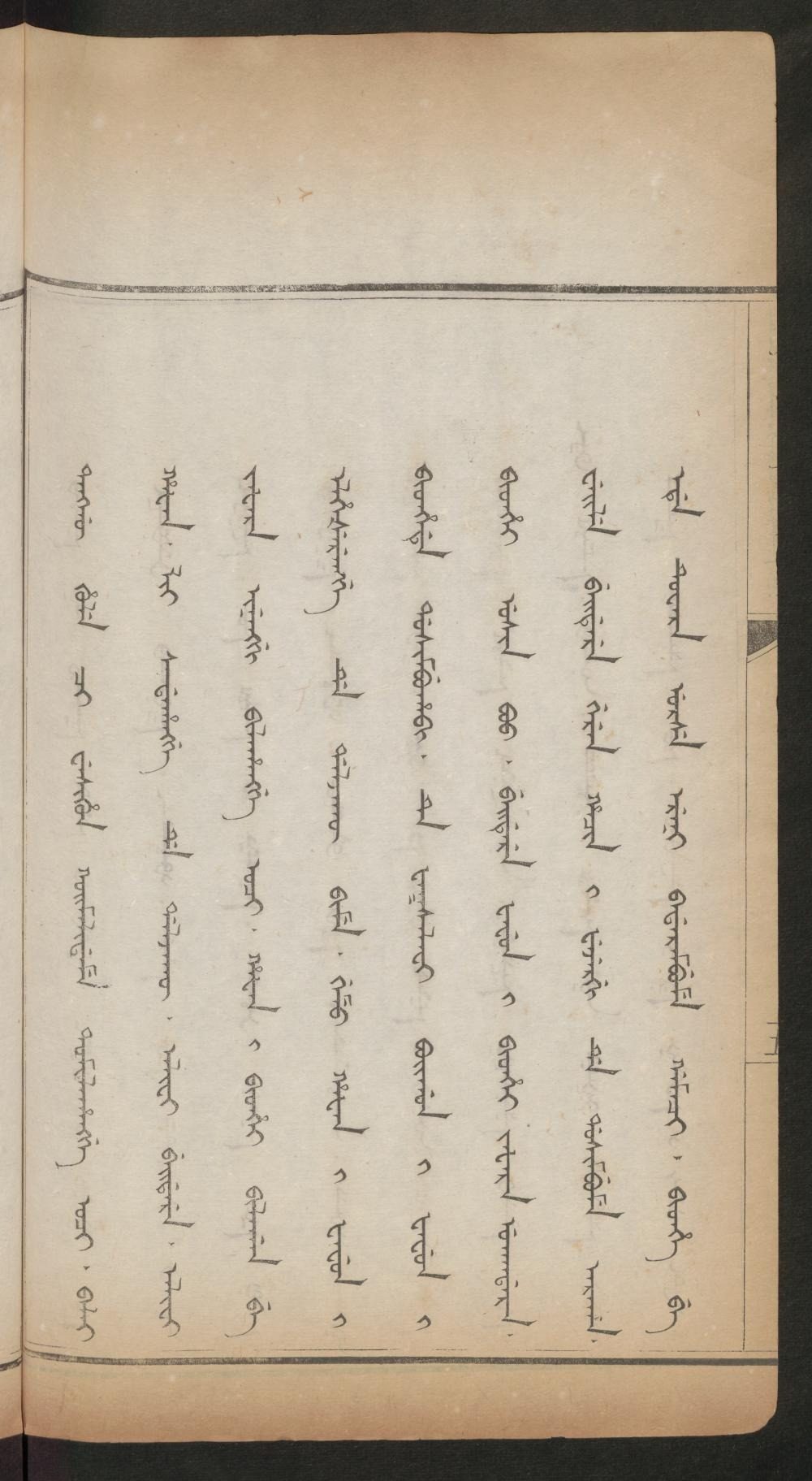
EnglishNext, the items concerning searching for property and making denunciation were successively included. If so, the items are differentiated and the sequence becomes distinct item by item. The categories of the legal code are limited, yet the sub-items of the regulations are exceedingly numerous. Among them, there are those that should not have been included in this category but were erroneously incorporated. Now, all have been carefully examined and clarified, and moved under their original categories. However, as for the matter of tax grain, it is two
逐詞解析 · word-by-word(67 單元 · 覆蓋 92.5%)
凡百石以上虛冒計量者,因與吏官釐薩達哈等無涉,其受理審訊逮捕之限期者,因與筆帖式巴蘭甘之延緩無干,俱已載入官律書中。今將上述分別歸入戶律之田宅門、審律之捕逃罪審理諸款下。如此,研閱者若由此推廣施行,則此書……
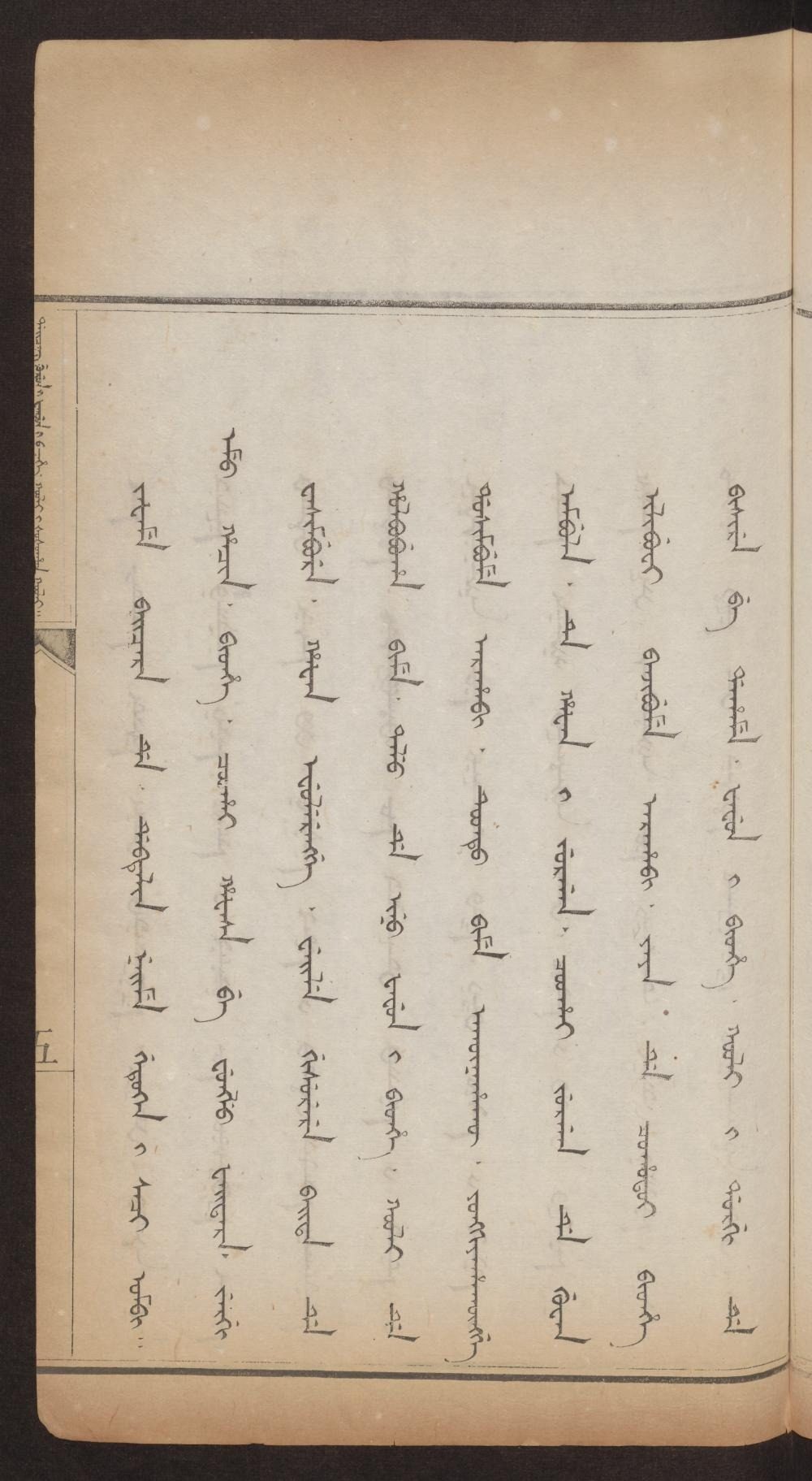
EnglishWhere the grain measure is fraudulently reported for amounts over one hundred shi, it is unrelated to the Lii Sadahangge of the Lai officials, and where a deadline is set for accepting the trial and making the arrest, it is unrelated to the delay on the part of the clerk Balagan — all have been entered into the official legal code. Now, after being separated out, these have been placed under the respective categories of “Fields and Houses” in the Household Law and “Trial of Arrest and Fugitive Offenses” in the Trial Law. Therefore, if readers proceed to expand and apply these accordingly, the book …
逐詞解析 · word-by-word(54 單元 · 覆蓋 96.3%)
查辦之時,開卷即可了然。有一種文書,係關涉軍官罰俸、降級、革職等議罪事件,且間亦載入律例。然其中不周詳、不完備者甚多。現今吏部、兵部立為專條編纂。凡既有專條者,即在律例之內。
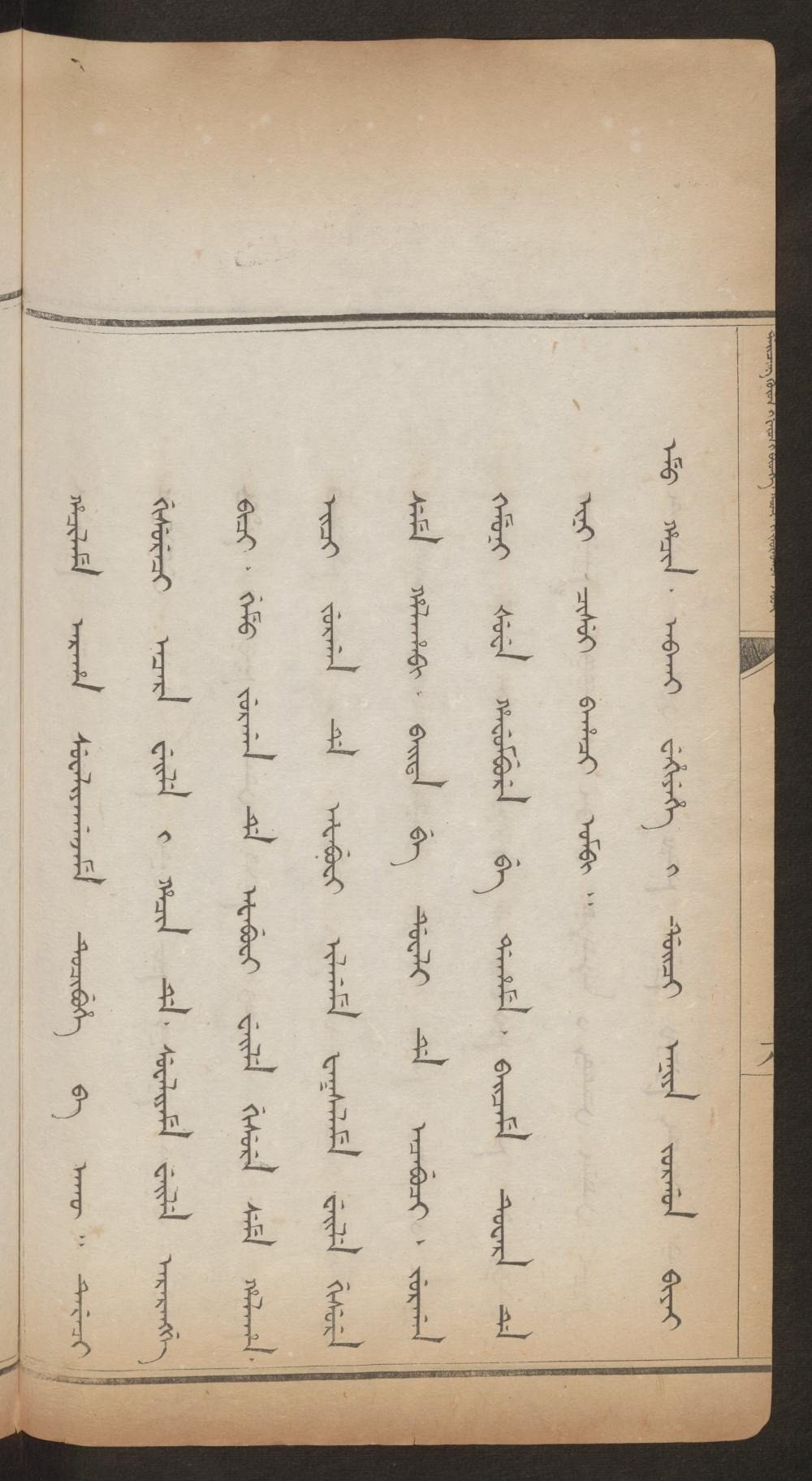
EnglishWhen apprehending and investigating, by opening the volumes one may clearly know. There is a kind of document connected with the adjudication of cases involving military officers’ fines of salary, demotion, and dismissal from office, and occasionally such matters have also been entered into the legal codes and regulations. However, what is not thorough and not complete is considerable. Now the Board of Civil Office and the Board of War have established special sections and compiled them. Since there exists a special regulation for each matter, within the legal codes and regulations.
逐詞解析 · word-by-word(57 單元 · 覆蓋 100.0%)
逐條纂輯,並無攙雜牴牾之處。嗣後凡遇應議罪名款項,內有牽連科斷者,俱改交該部議罪;或交部分別辨析議罪。若將案件依類歸併,部中仍得直接貫通,故於按查披覽之際,自可獲見一條。乾隆四年十二月。
EnglishWhere provisions are compiled item by item, there is no place of conflation or inconsistency. Henceforth, whenever among the categories of offences that ought to be discussed, there are instances where penalties are imposed in a mixed or overlapping manner, (the practice) has all been changed to: “deliver to the (respective) board and discuss the penalty”; or it has been changed to: “deliver to the board, and after distinguishing and separating, discuss the penalty.” If cases are grouped according to their category, the boards still penetrate (the matters) directly. Therefore, when examining and looking through them, one may naturally obtain one item. (The) fourth year of Abkai Wehiyehe, twelfth month.
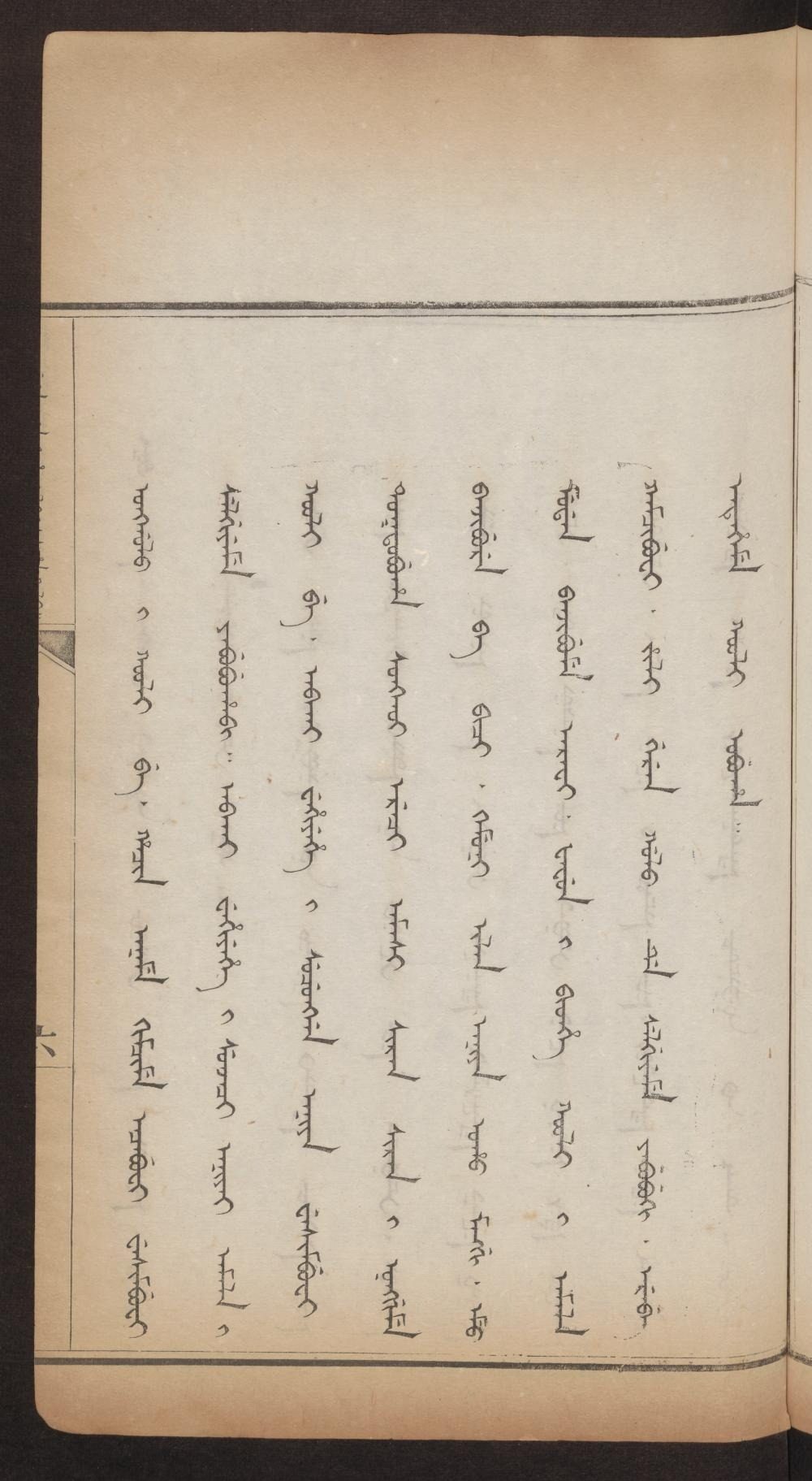
逐詞解析 · word-by-word(52 單元 · 覆蓋 100.0%)
先前的條例業已逐條詳核,奏准頒行。乾隆五年,將後續條例依照乾隆元年奏准訂定之規,嗣後凡有陸續增纂之處,仍每屆三年纂修一次,附入律例之後,頒行直隸各省。著為永例。
EnglishThe previous regulations have been item-by-item carefully examined, memorialized, and promulgated for implementation. In the fifth year of Qianlong, the later regulations were, in accordance with the manner memorialized and established in the first year of Qianlong, [ordered that] henceforth, should there be successive additions and compilations, still, upon the completion of every three-year period, they are to be compiled and written once, appended to the Code of Laws and Precedents, and promulgated in Zhili and the various provinces for implementation. This is made a permanent regulation.
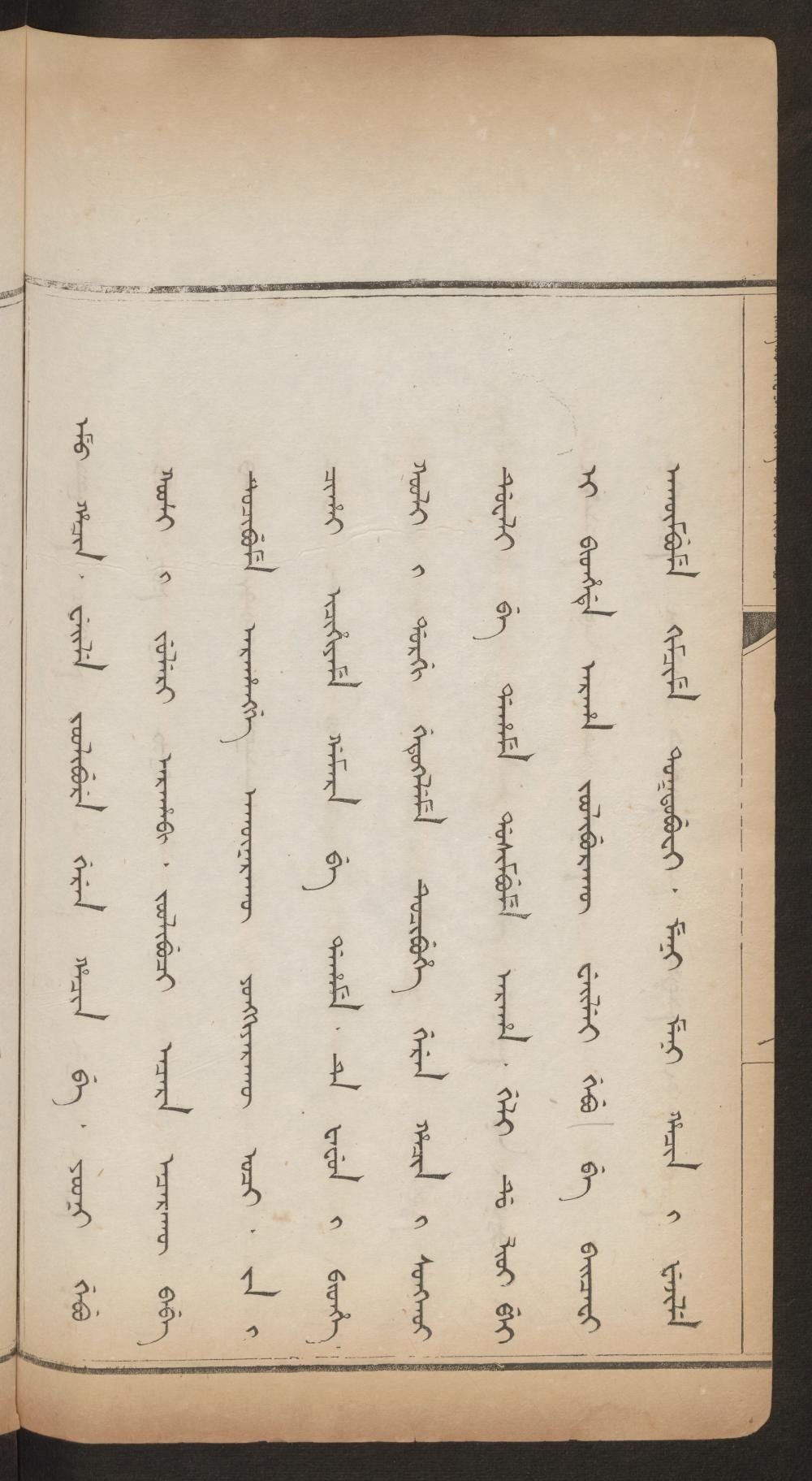
逐詞解析 · word-by-word(56 單元 · 覆蓋 100.0%)
一條罪贖各款,將其名例全行開列於前;所載應否准贖之處,倘未能周詳完備,恐滋任意辦理之弊,故今於律例內明列各款,依類歸入編纂。又將《DU LIOI PEI》〔?〕書內所載不准贖各罪名,逐一詳查,覈實釐定,分註於每款之下
EnglishOne item of crime redemption: the names and regulations of all its categories have been written out in full at the front. If what is written to specify whether redemption is appropriate or not is incomplete and insufficient, then because cases might be handled arbitrarily at will, now, following the various categories clearly set forth in the statutes and substantes, they have been classified and compiled accordingly. Furthermore, the names of crimes not subject to redemption recorded in the book “DU LIOI PEI” (?) have been searched, exhaustively examined, and carefully determined, [to be placed] under each respective category
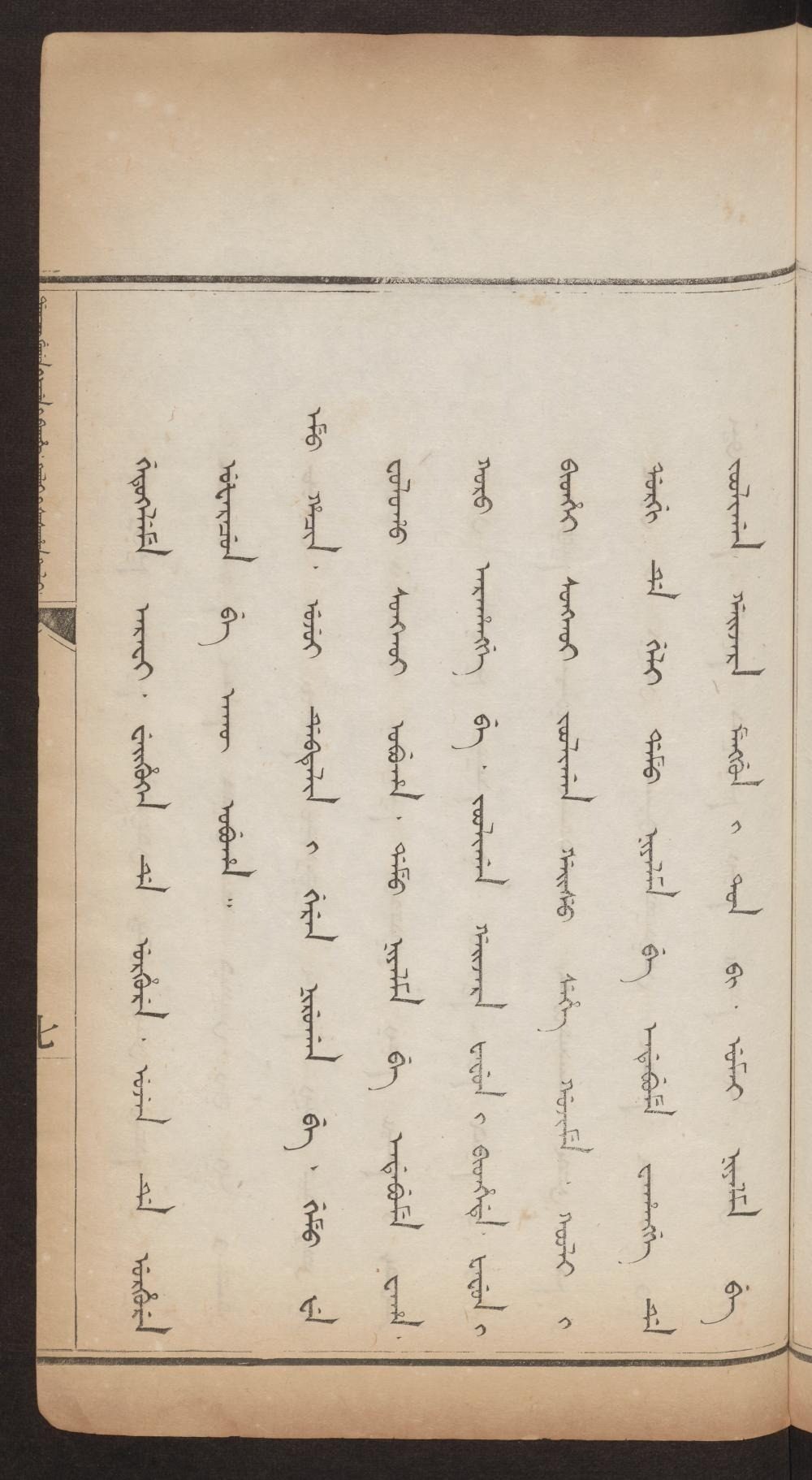
逐詞解析 · word-by-word(64 單元 · 覆蓋 98.4%)
詳明編列,務使輕重偏倚、毫釐無失。其卷一諸圖,悉依舊刻原式。惟於過失殺傷人者,律文內稱:依律收贖。然揆其義,僅有過失殺人者贖銀之數,而於人全未……
EnglishHaving set it forth with clarity, bias towards lightness or heaviness was entirely eliminated, and no mistake was made. All the illustrations in the first volume were rendered exactly according to the old engravings. But as regards those who negligently killed or injured a person, the code stated: let (them) redeem in accordance with the statute. Yet within its reasoning, only the amount of silver for redeeming negligent homicide existed, and as for persons, (it) completely...〔text continues on next page〕
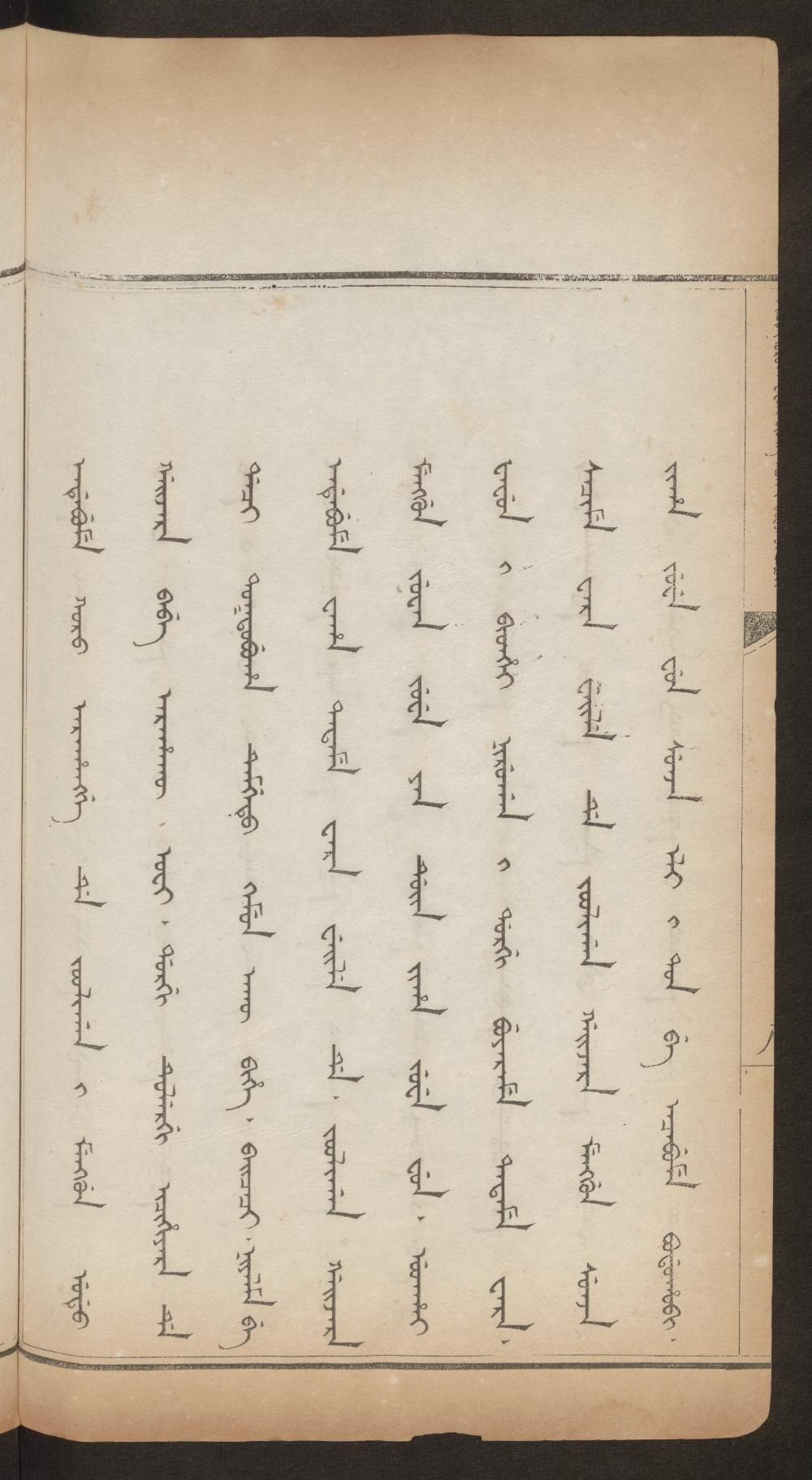
逐詞解析 · word-by-word(64 單元 · 覆蓋 100.0%)
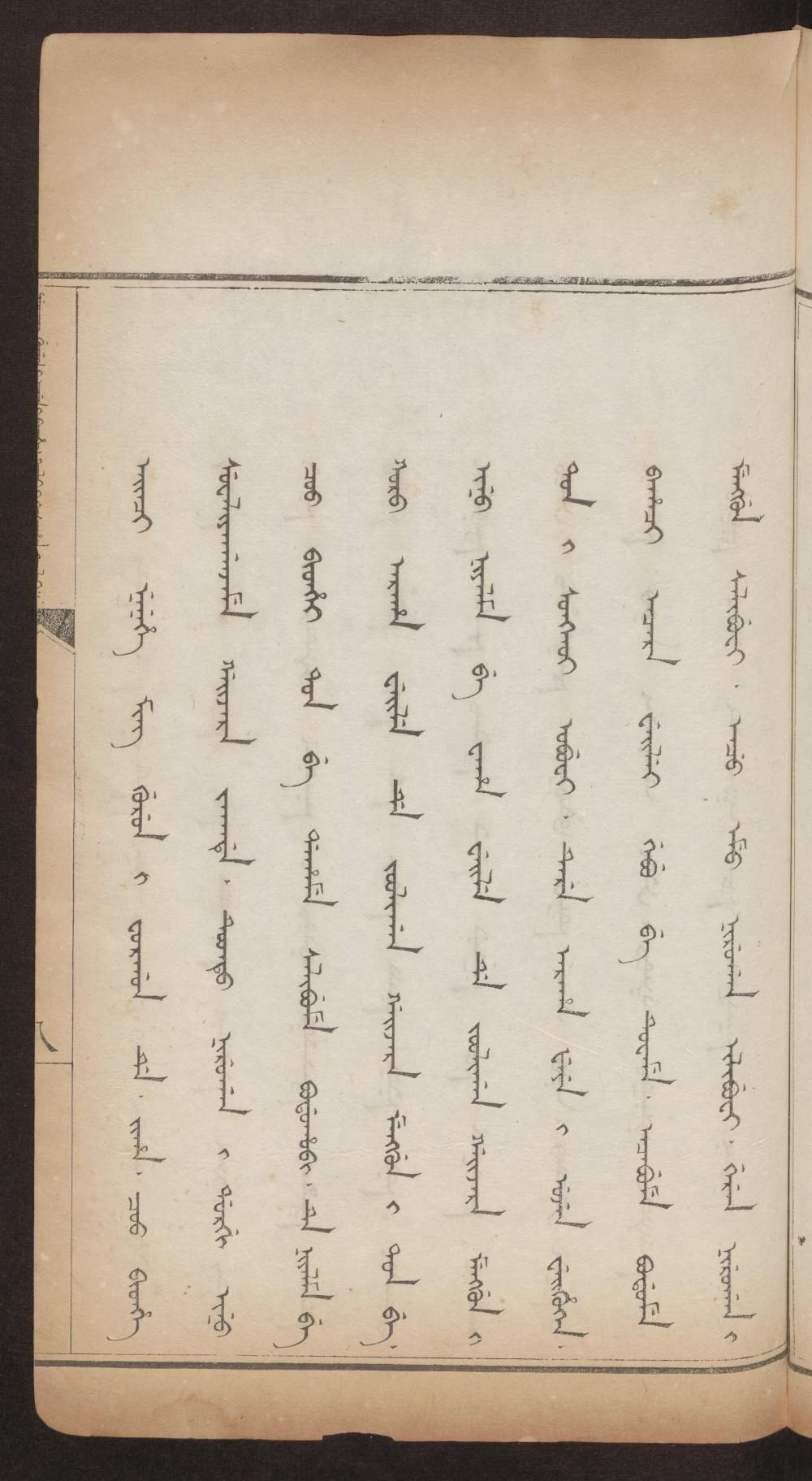
因誤致傷害者,應贖銀若干之處未經載明,是以內外辦理之際,向無定準憑據。查得,誤殺人應擬絞罪者,贖銀為十二兩四錢二分。即按律例圖內雜犯絞斬罪贖銀五錢二分五釐之數,合算之。
EnglishFor the matter of causing injury by mistake, because the amount of redemption silver to be collected was not specified, when handling (such cases) internally and externally, there was never a fixed standard. Upon investigation, for the crime of mistakenly killing a person, punishable by strangulation, the redemption silver collected is twelve taels, four mace, two candareens. Accordingly, it was calculated by matching the amount of five mace, two candareens, five li for miscellaneous crimes of strangulation and decapitation in the diagram within the statute book.
逐詞解析 · word-by-word(70 單元 · 覆蓋 100.0%)
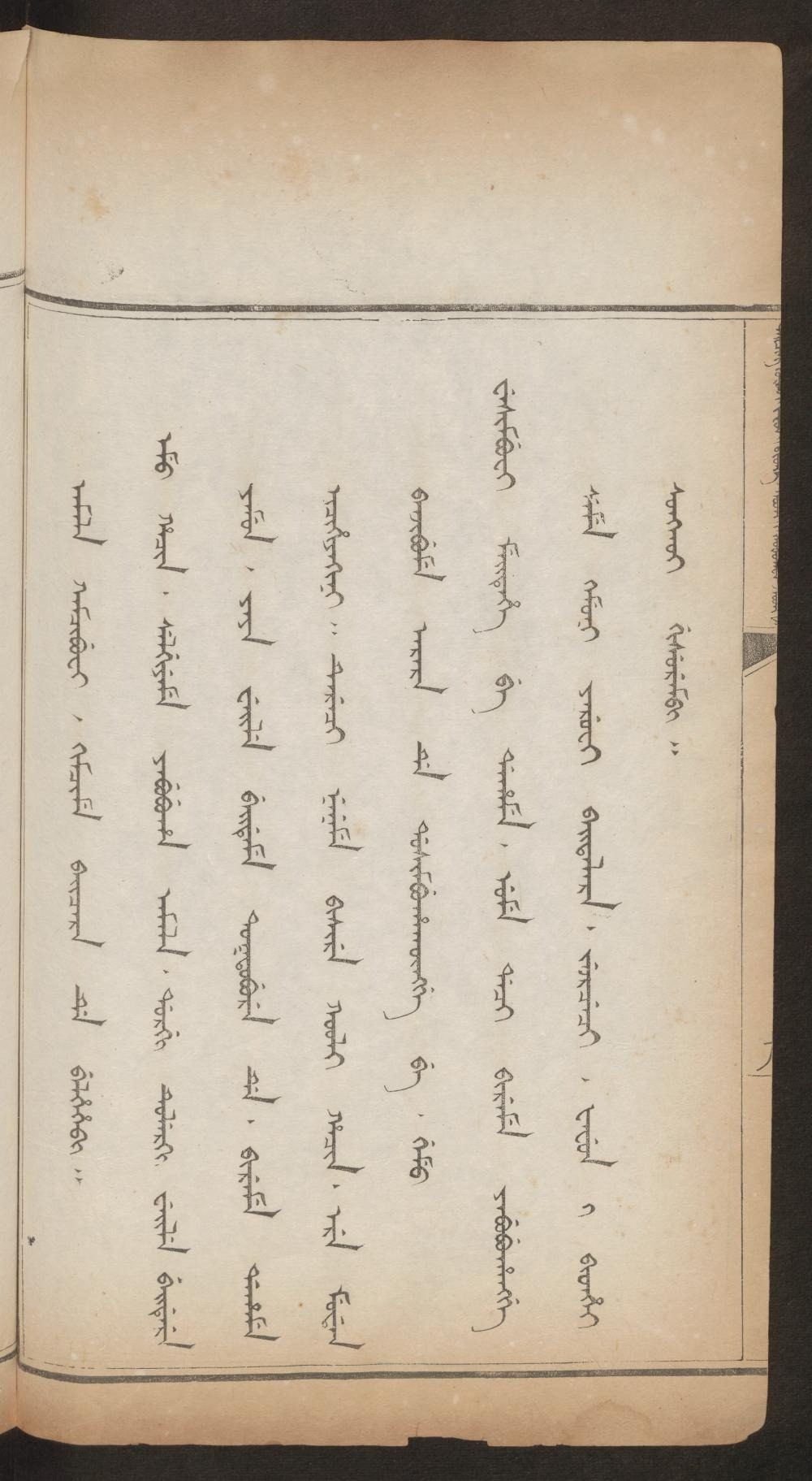
想是先前明朝之時,錢鈔文書混雜收取,是以圖內亦照鈔書之數折合計算。今將致人傷害罪收贖銀之數,亦比照殺人罪收贖銀之數,按照其所成傷之輕重、應得之罪名,比照折合銀兩,另立一圖,於諸圖之——
EnglishIt is presumed that in the former Ming dynasty period, because coins and paper notes (coo bithe) were collected mixedly, therefore within the illustrations the numbers were also calculated by converting according to the numbers of the paper notes. Now, the amounts of redemption silver for the offense of causing bodily harm are also made to follow the amounts of redemption silver for the offense of killing a person; according to the severity of the wounds inflicted and the designation of the crime that should be assigned, by proportionally calculating and converting the silver, a separate illustration is established, and among the various illustrations—
逐詞解析 · word-by-word(50 單元 · 覆蓋 96.0%)
並合為一,以備詳查。一項頒行之後,內外問刑衙門,凡審理定案之際,俱著循例辦理。嗣後,先前所有章程條例,此次編纂未經收入者,悉行奏進。若援引蛇(?),毋以向來一概施行為辭,仍復行用;倘〔?〕,則依律論處。
EnglishCombined into one, (it) was prepared for detailed examination. After one regulation was promulgated and put into effect, the Inner and Outer Judicial Tribunals, whenever trying and determining any case, uniformly followed and handled (it). Thereupon, regarding all previously existing statutes and regulations that were not incorporated into this compilation, (they) were all memorialised upward. If following the serpent(?), do not, on the grounds that it was formerly uniformly implemented, still resort to and use it; if 〔?〕, according to the legal code, (it) is adjudicated.