奏請內閣軍機處等衙門大小臣工當各守其分勿有夤緣阿諛之風以正官箴(附件:諭旨一道圖理琛此奏禁止內務府有閒雜人等一項議行漢官追隨漢大臣一項無庸議tulišen i wesimbuhe dorgi yamun de balai niyalma) yabure be fafulabure emu hacin be gisurefi yabubuha nikan hafasa be nikan ambasa de dahalabure emu hacin be gisurehekū。
Yongzheng-era memorial
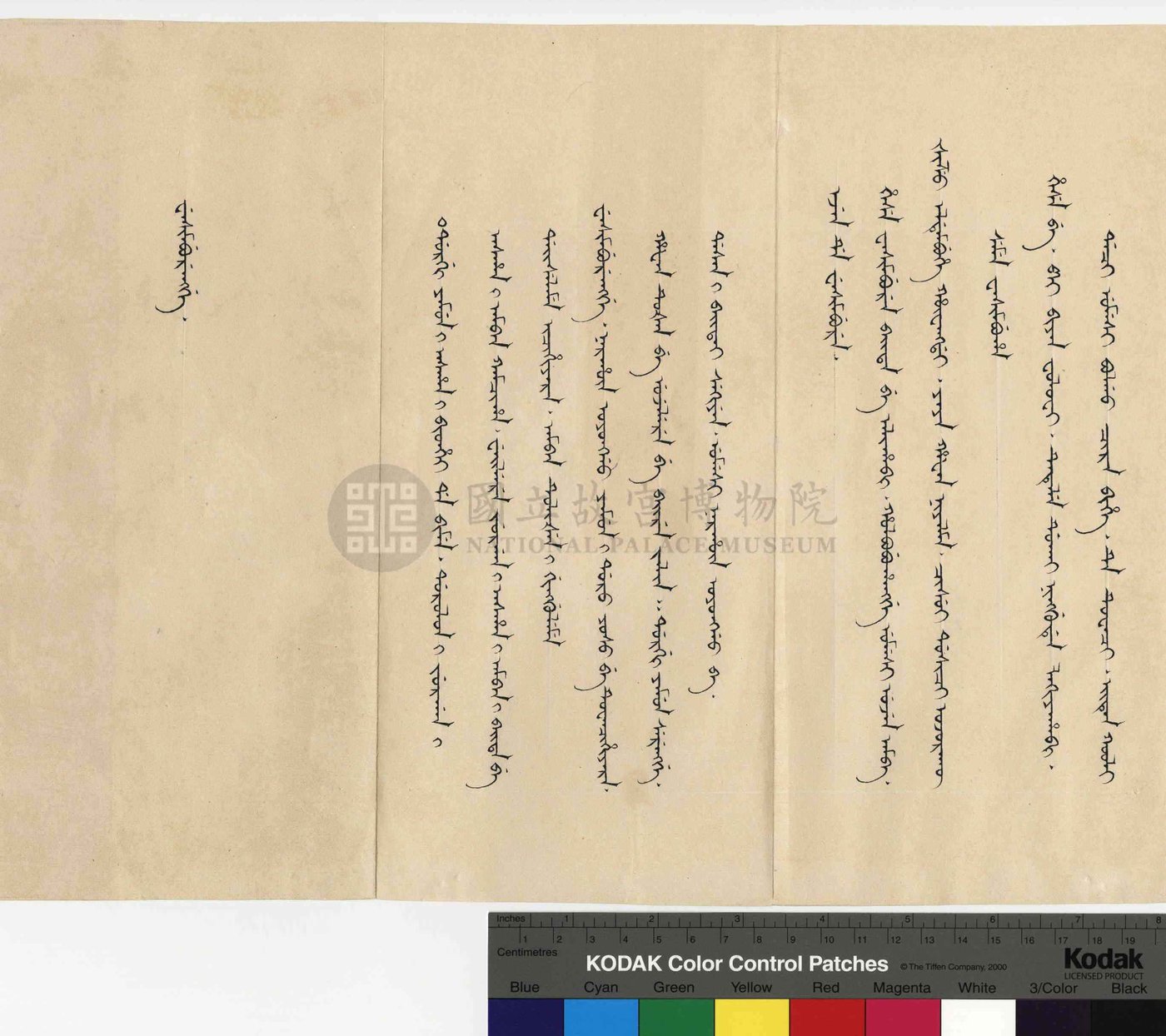
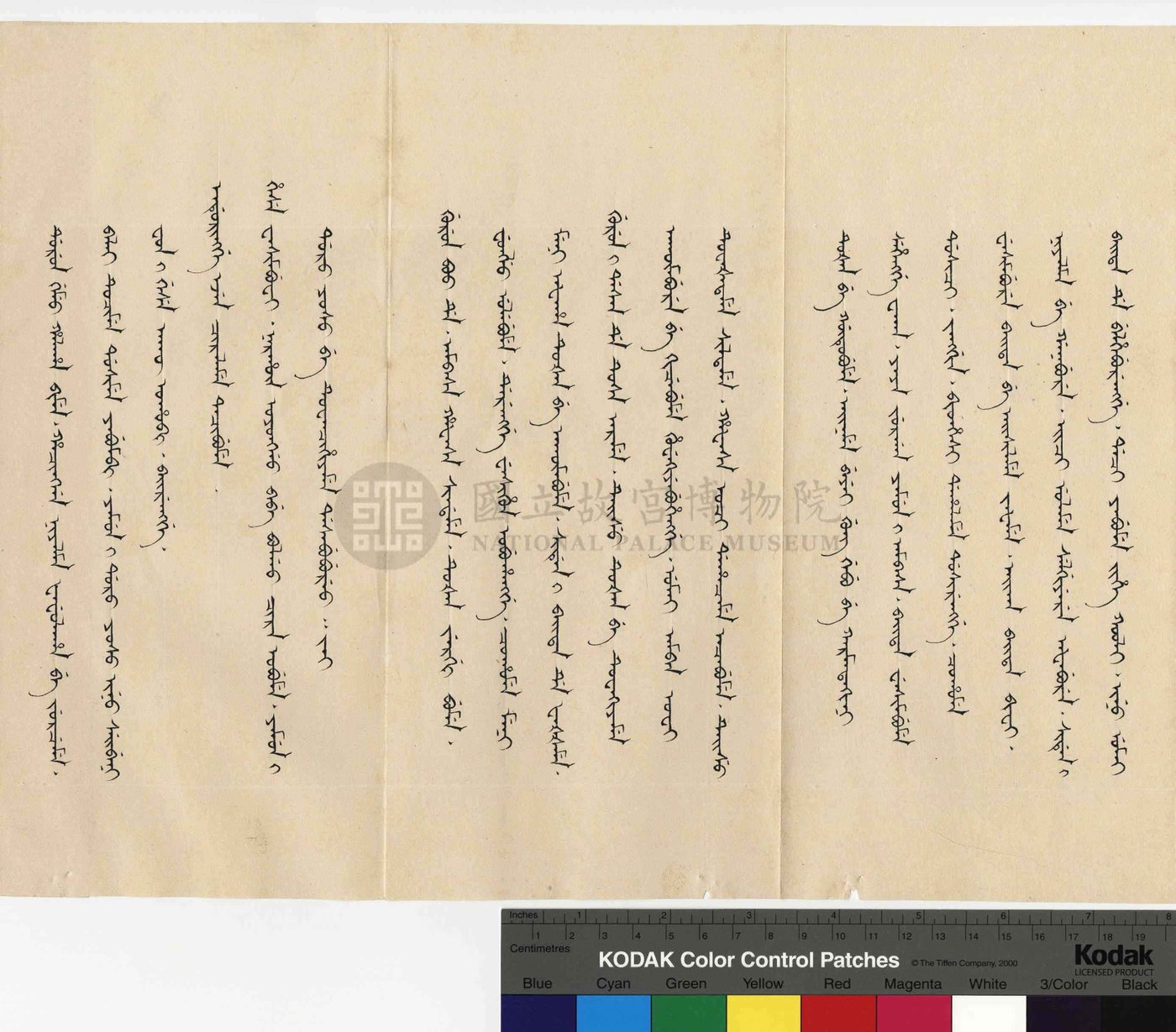
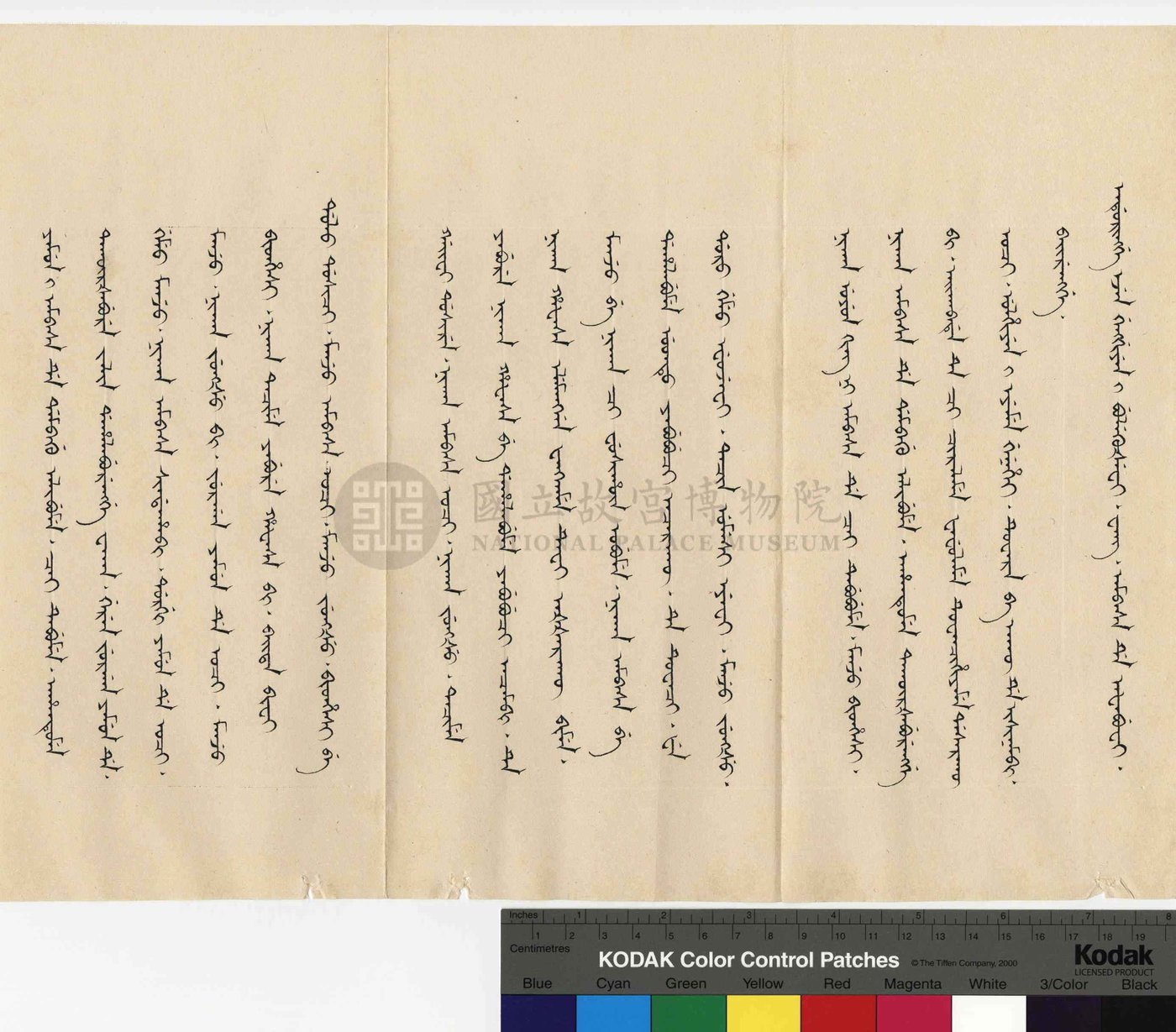
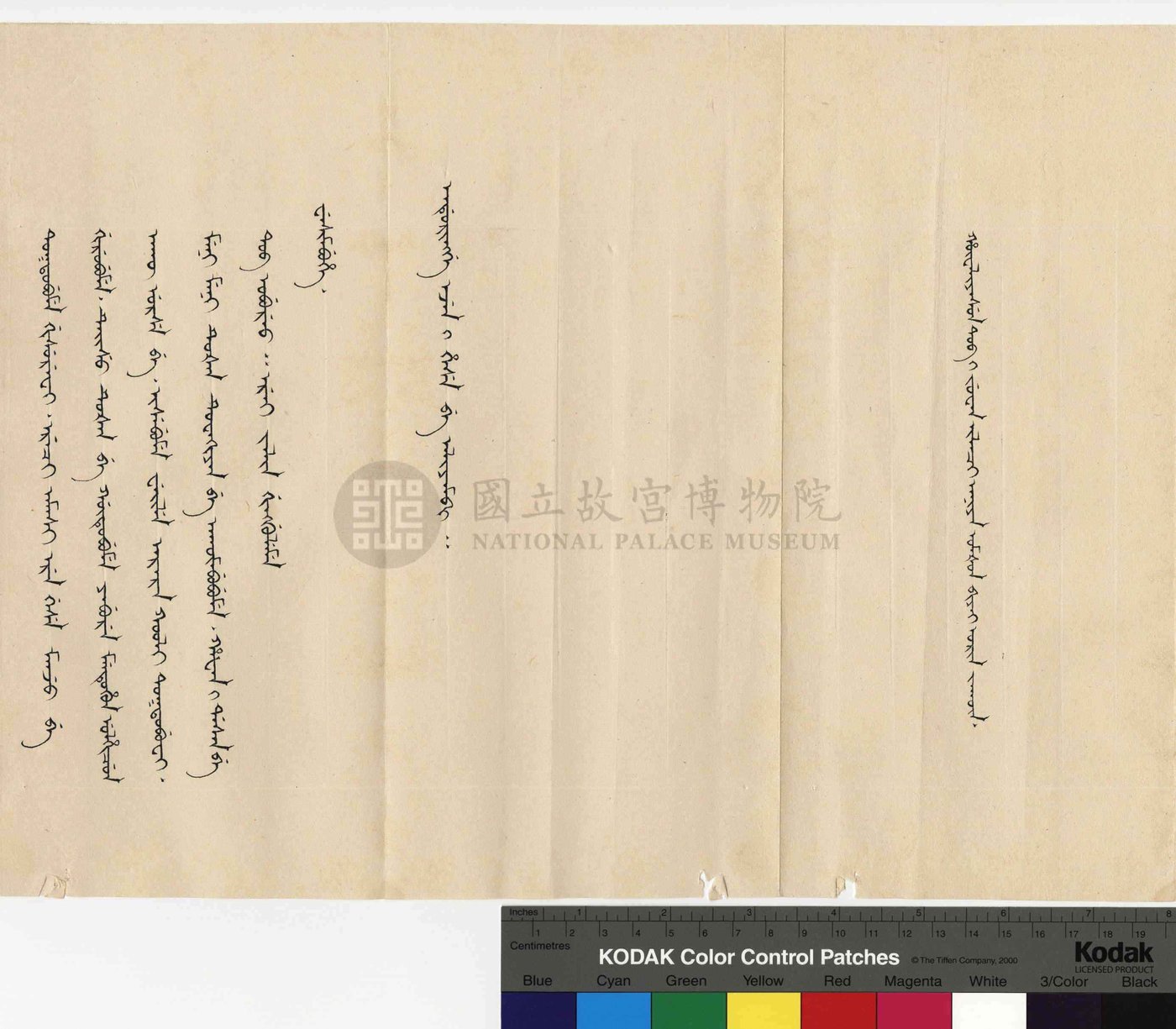
(無)
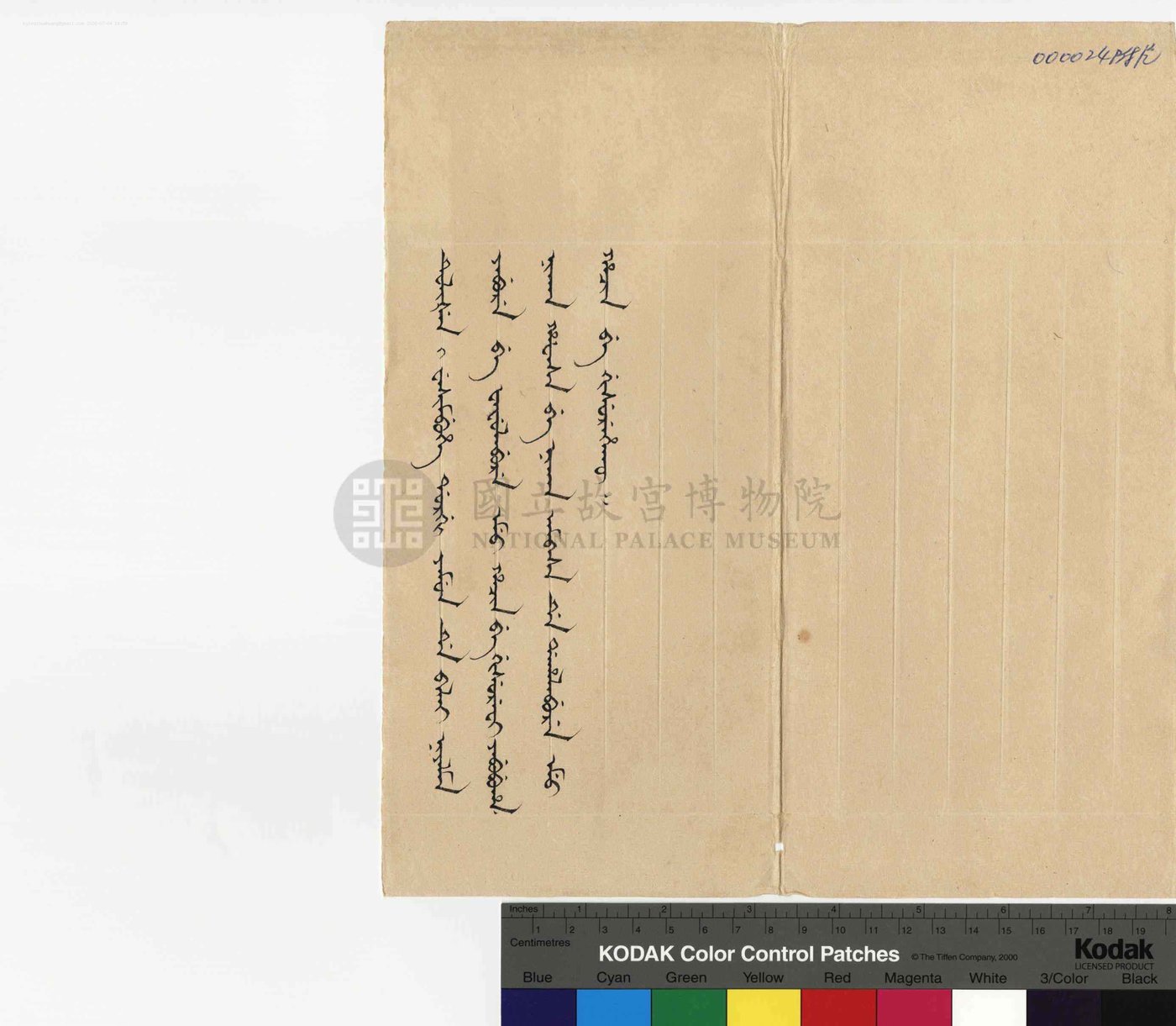
圖理琛上奏說:我是內閣的侍讀學士,同時兼任禮部侍郎,還署理工部侍郎的事務,現在爲了整頓機密重地的規矩、嚴肅相關官職的責任這一件事,恭敬地呈上奏摺。 內閣是處理國家政務的源頭,極爲機密重要。從前皇上頒發諭旨,明確規定任何官員都不許私自進入,並把諭旨刻在木牌上懸掛在門額,直到現在還在。剛開始的時候,規矩非常嚴肅清淨,可如今再看,各種舊例、章程全都變了樣,各色人等違抗禁令,胡亂出入走動,衙門裏的風氣、規矩也遠不如從前。請求皇上嚴厲頒發諭旨,把機密要地再次整頓得嚴肅清靜,把衙門的風氣規矩矯正過來。 另外,國家給大臣們授予官職、發放俸祿,讓他們享有尊貴的地位,原本是希望每個人都能盡心盡力辦好自己的差事,爲國家政務出力,而不是讓大臣們靠官位混日子、敷衍迎合,苟且保住自己的功名。各部各衙門的大臣進內奏事,章京、筆帖式隨同進去,原本是爲了幫着拿奏摺文書,遇到有事需要傳人,或者傳達諭旨、交代公事的時候,事先有所預備。這都是多年一直沿行的規矩,絕不是爲了讓衙門的大臣帶他們進去端茶遞煙、當僕人使喚。各部院衙門都設有滿漢大臣,內閣裏設有滿洲、漢人中書;各部院有滿洲筆帖式,還有學習行走的漢官。有事進內時,滿洲大臣應當帶着漢人中書、學習行走的漢官一同進去隨行辦事。可現在,漢官反倒大模大樣坐着不動,把滿洲官員看得比漢人還低賤,卻讓漢大臣帶着滿洲官員這樣進出,太不應該。眼下看來,舊有的規矩全被破壞,風氣已經壞透了,竟然有滿洲中書院、漢九卿的大臣給端茶,滿洲筆帖式給漢大臣遞煙侍奉的事。如果從現在起還不嚴厲禁止、加緊整頓,風氣會一天比一天壞,最終將不堪設想。 請求皇上明察如鏡,責成王大臣們議定章程,從今往後,再有像這樣羞辱滿洲官員、攪亂法定職分、行事愚蠢愚昧不明事理的人,就訂下治罪的條例,讓每個人都嚴守自己的職分,把官場規矩端正起來。爲此恭敬上奏,恭候皇上批示。 雍正十三年十一月二十八日,圖理琛具奏。此前,關於嚴禁閒人進入內閣一事,已議奏施行,但關於讓漢官跟隨漢大臣進內的事,則沒有議及。
奏為內務府侍讀學士兼禮部侍郎、署理刑部侍郎事務大臣杜理蓀,謹奏:為慎重機密衙門之道統、整飭官職事。內務府者,政事之源,甚為機密重要,承受奏上諭下之事,所繫極為重大。聖祖光華皇帝曾降旨,凡官員人等不得私自進入,並將諭旨按月刻寫,至今懸掛門首。向來極為潔淨嚴密,而今觀之,一切規則榜樣俱已變更,且各色人等違禁任意出入行走,衙門之道統亦不如昔時。伏乞聖主嚴加訓諭降旨,將機密重要之處整飭潔淨,將衙門之道統予以整頓。再者,國家設官授職、給以品級、食以俸祿、予以榮顯者,原為各人克盡所職,於公事效力,裨益國政,各守其位,勉其盡職,並非使之為大臣者瞻徇庇護,為屬員者迎合依違,以致曠廢職位,只圖保全一己功名。凡各衙門大臣有事入奏,章京、筆帖式跟隨進入者,原為協助辦理奏事事件,若有傳喚人員、或傳令交辦等公務,在在需人預備,此乃向來遵行之例,並非為伺候大臣、獻煙倒茶而令隨從。各衙門俱設有滿漢大臣,內務府有滿洲、漢軍中書,各部院衙門有滿洲筆帖式、漢員學習行走。若有公務進入,滿洲大臣可以帶同漢軍中書及學習行走之漢員一併進去方是。今漢員反而昂然端坐不動,且視滿洲比漢人為低賤,使滿洲反隨漢大臣之後,如此行之,甚不相宜。今觀之,舊規盡已敗壞,陋習甚為盛行,滿洲中書、漢軍九卿大臣等人,被使之端茶獻煙。(此等行徑)若再不行嚴加禁止、整頓辦理,則將日漸敗壞,以至於不堪入目之地。伏乞聖主明鑒,交王大臣等定議,嗣後凡有此等屈辱滿洲、亂其職分而行之愚蠢無知之人,定以懲治治罪之例,使各盡其職守,以正官治。為此謹奏,恭候聖主諭旨。乾隆十三年十一月二十八日。圖理琛奏:內務府禁止閒人行走一款,已議論施行;漢員隨行漢大臣一款,未經議論。
A memorial by Dulisun, the Reader-in-Waiting of the Imperial Household Department, concurrently Vice-Minister of the Board of Rites, and Acting Vice-Minister of the Board of Punishments, respectfully submitted: in regard to the importance of upholding the decorum and principles of the confidential offices and clarifying the duties of officials. The Imperial Household Department is the wellspring of government affairs, a place of utmost secrecy and importance, responsible for presenting memorials and issuing edicts, and its functions are extremely consequential. Emperor Shengzu, the Illustrious Uplifter, issued a decree that no official or person was permitted to enter without authorization; the decree was inscribed monthly and has been hung over the entrance to this day. Formerly, it was maintained with the utmost cleanliness and strictness. But now, every established rule and pattern has been altered, and all manner of people violate the prohibitions, coming and going as they please; the decorum of the department is no longer what it once was. We humbly beseech the Sacred Lord to issue a strict edict of instruction, to clean up and rectify the confidential and important places, and to restore order to the department’s decorum and principles. Furthermore, the state sets up officials, grants them rank, provides them with salaries, and bestows distinction upon them precisely so that each may fulfill his appointed duties, exert himself in public affairs, benefit the governance of the nation, keep to his post, and be urged to do his utmost—not so that high officials may protect and favor, or so that subordinates may ingratiate themselves and follow along, neglecting their duties and merely safeguarding their own reputation and merit. Whenever the ministers of various boards and offices enter to present memorials, the attendant clerks (janggin) and scribes (bithesi) who accompany them are meant to assist in handling the business of memorializing. If there is a need to summon someone or issue a relayed order regarding public affairs, they stand ready to serve in the public interest. This has been the customary practice from the beginning, and is by no means for the purpose of having them wait upon the ministers, offering tobacco or pouring tea. Every board and office has both Manchu and Han Chinese officials appointed. Within the Imperial Household Department, there are members of the Manchu and Chinese Banners serving as secretaries (jungšu); within the boards and offices, there are Manchu bithesi and Han Chinese officials learning through practical service. When public business requires entry, Manchu ministers ought to be accompanied by Chinese Banner secretaries and the Han officials in training. Yet now, the Han officials sit aloof and motionless, and moreover regard the Manchus as inferior to the Han Chinese, making the Manchus walk behind the Han Chinese ministers. This manner of proceeding is utterly inappropriate. As things now appear, old rules are all broken, and depraved habits are rampant: Manchu secretaries and officials of the Nine Chief Ministers are being made to serve tea and present tobacco. If strict prohibition and rectification are not now imposed, matters will gradually deteriorate beyond control. We beseech the Sacred Lord to shed his brilliant light on this and to entrust the matter to the princes and ministers for deliberation, so that from now on those ignorant and uncomprehending individuals who humiliate the Manchus and confuse the proper order of offices may be punished, with regulations established for their condemnation, and so that each person may fully perform the duties of his post and thereby set aright the administration of officials. Respectfully submitted, awaiting the Sacred Lord’s edict. Qianlong 13th year, 11th month, 28th day. Tulisen memorializes: The item concerning the prohibition of unauthorized persons in the Imperial Household Department has been deliberated and implemented; the item concerning Han officials following Han Chinese ministers has not been discussed.