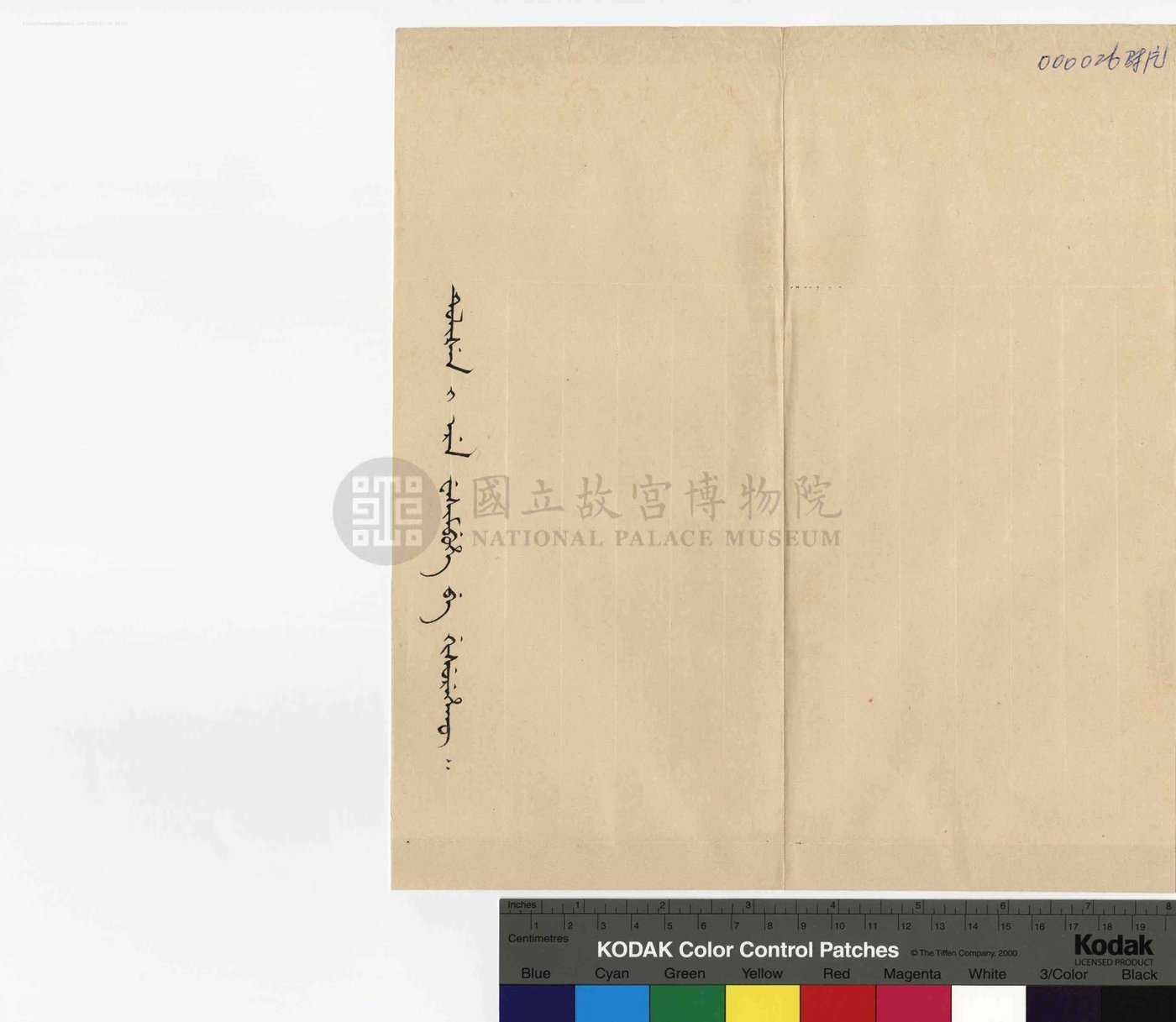
奏請此後內外大小官員凡子孫為官祖父得頒封誥(附件:諭旨一道圖理琛此奏無庸議tulišen i ere wesimbuhe be gisurehekū)
Yongzheng-era memorial
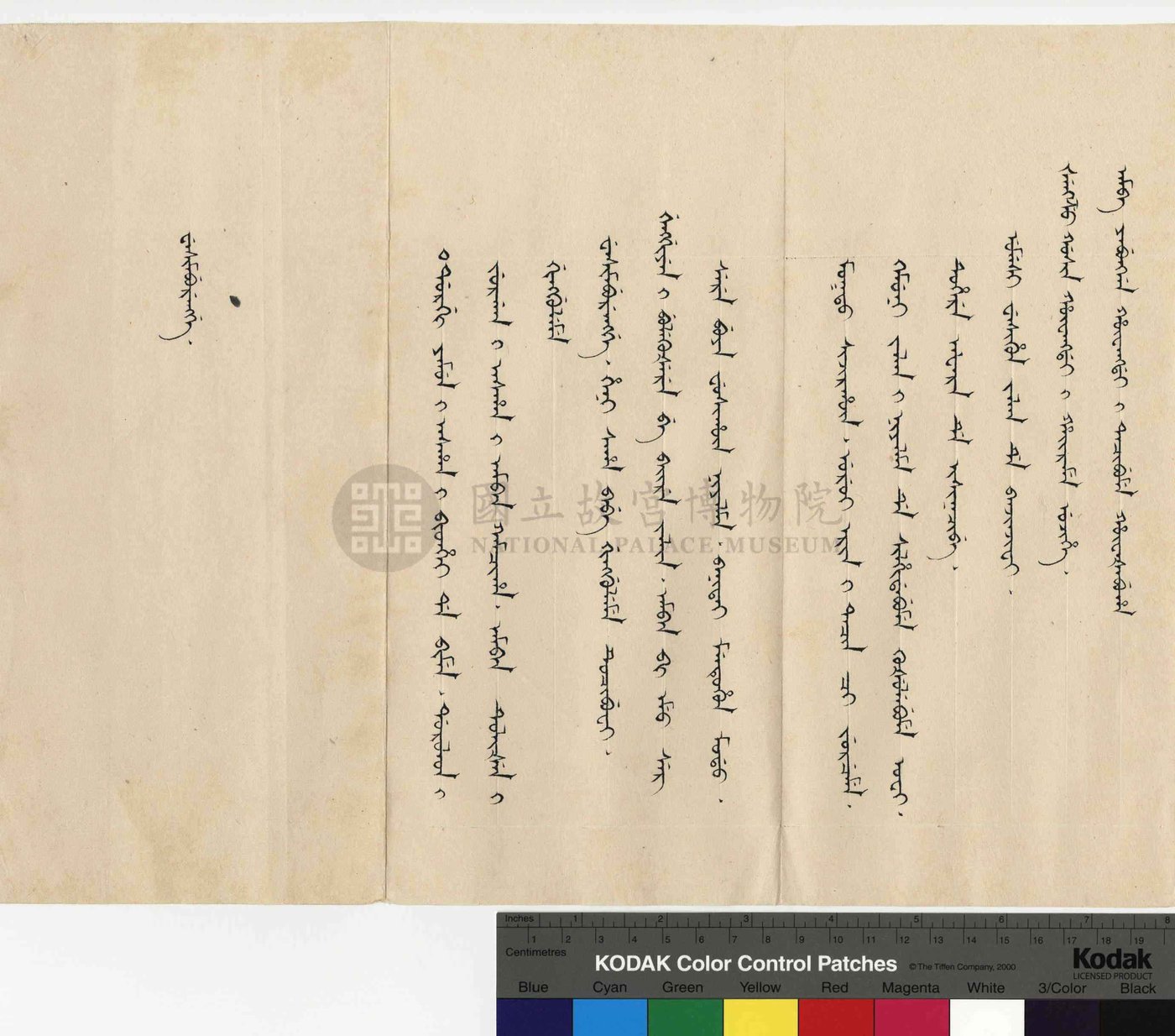
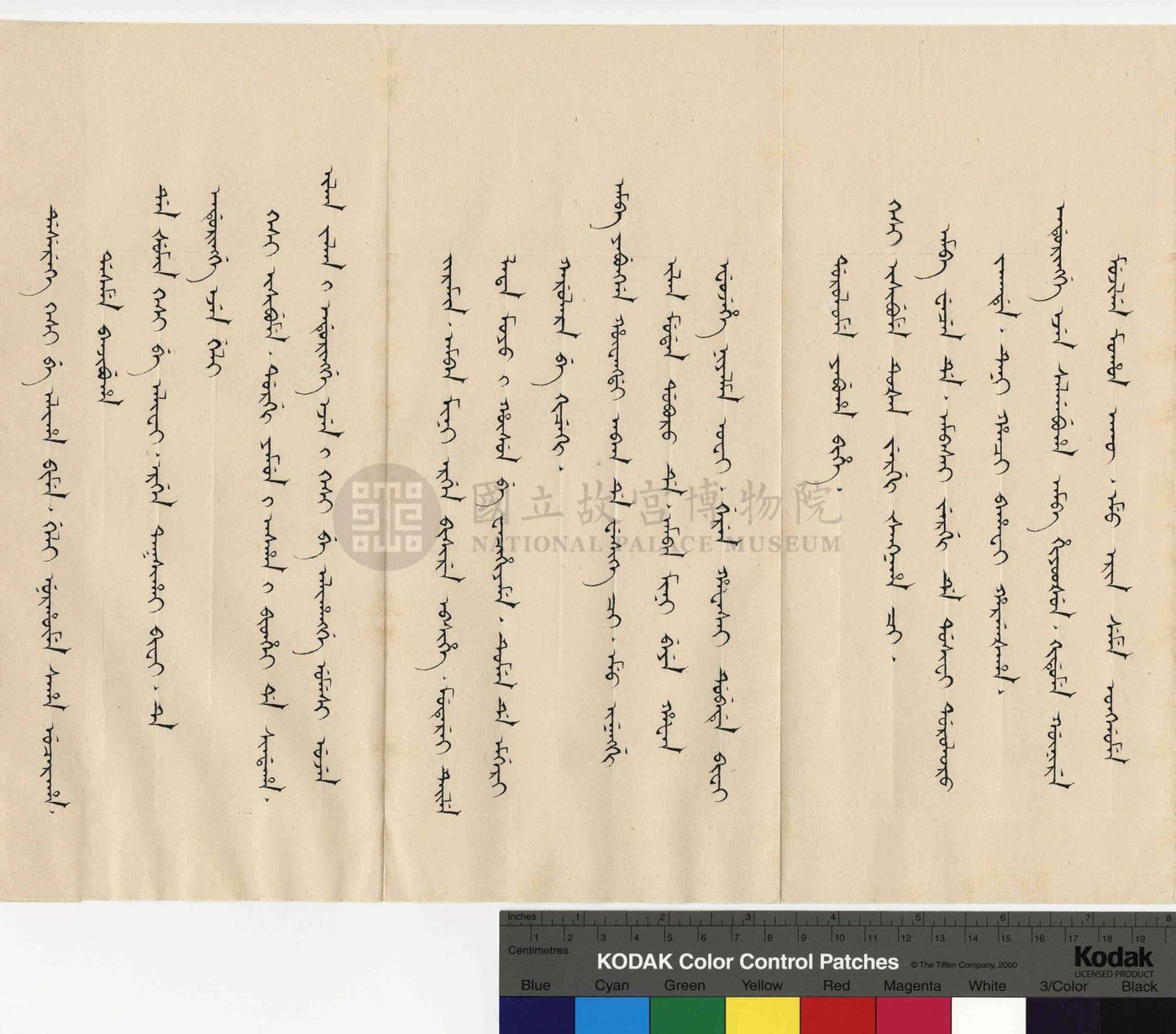
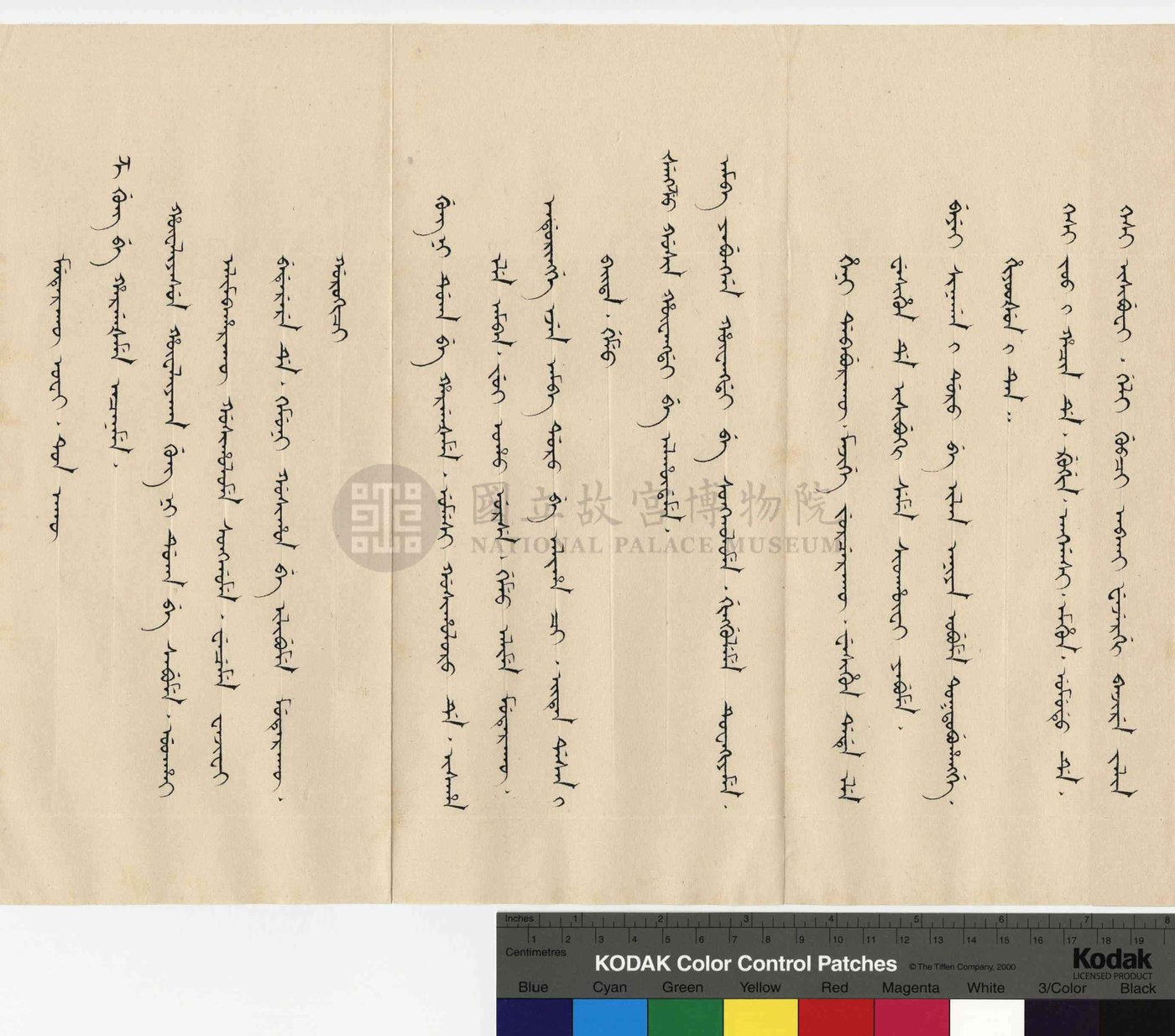
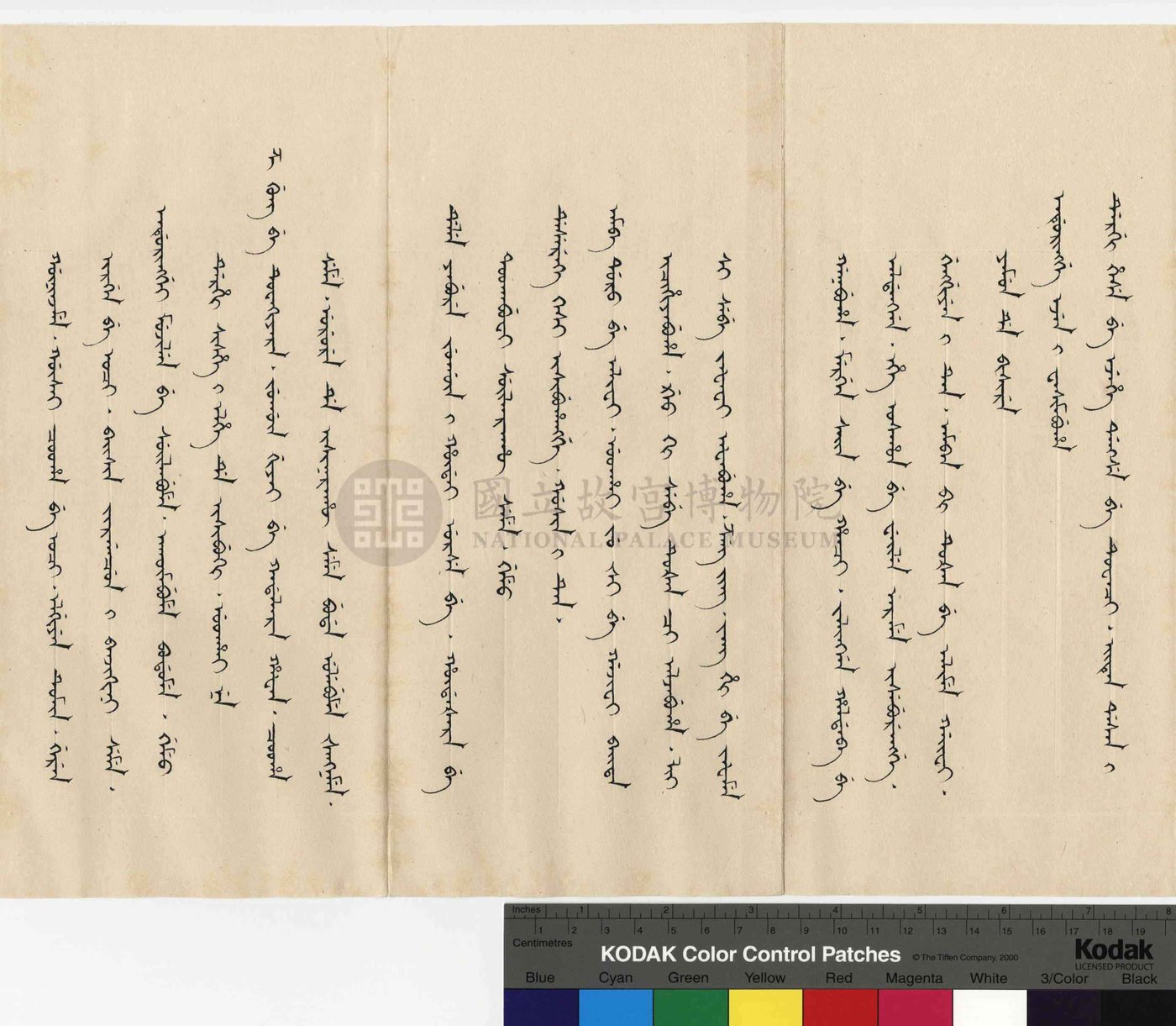
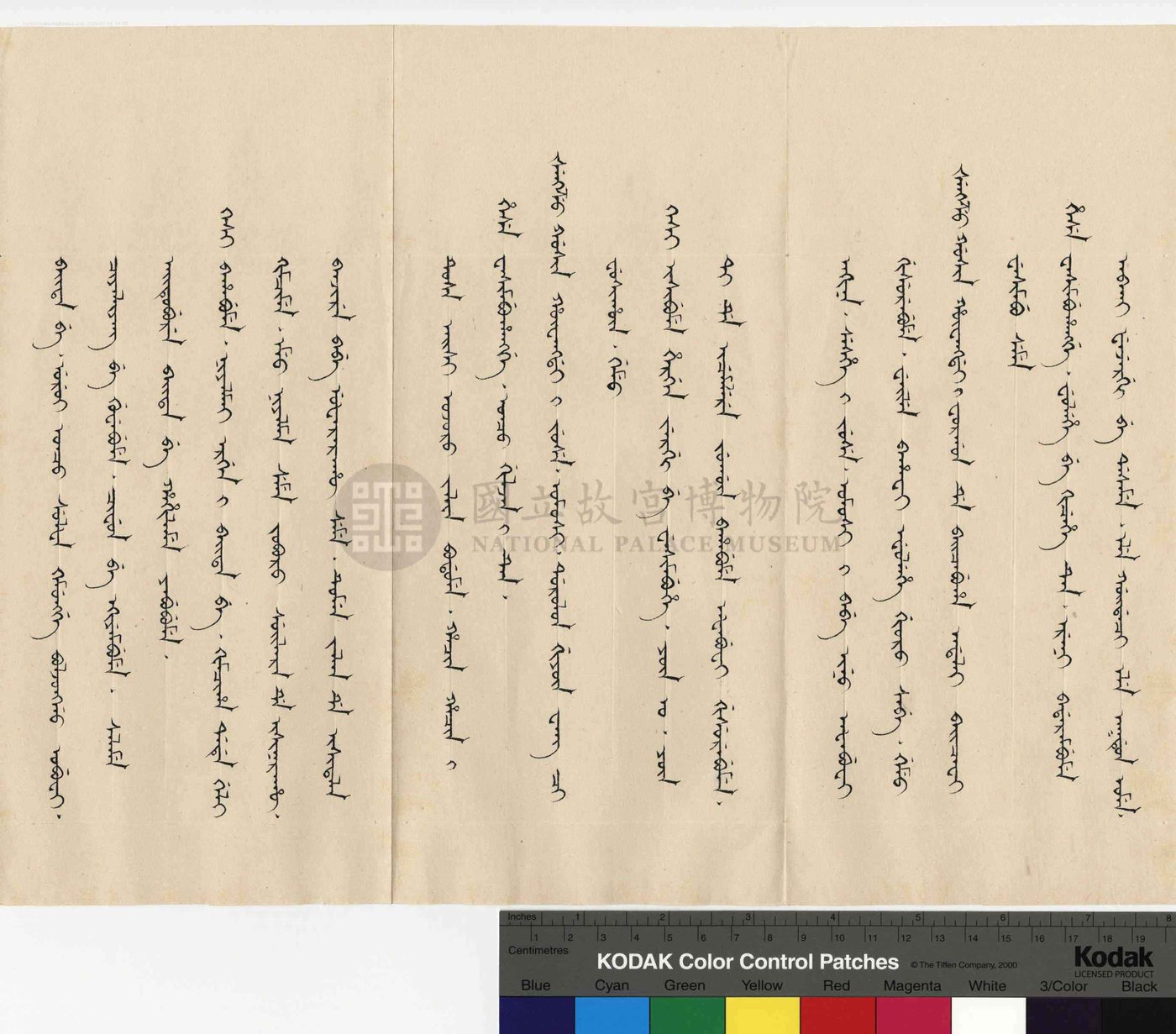
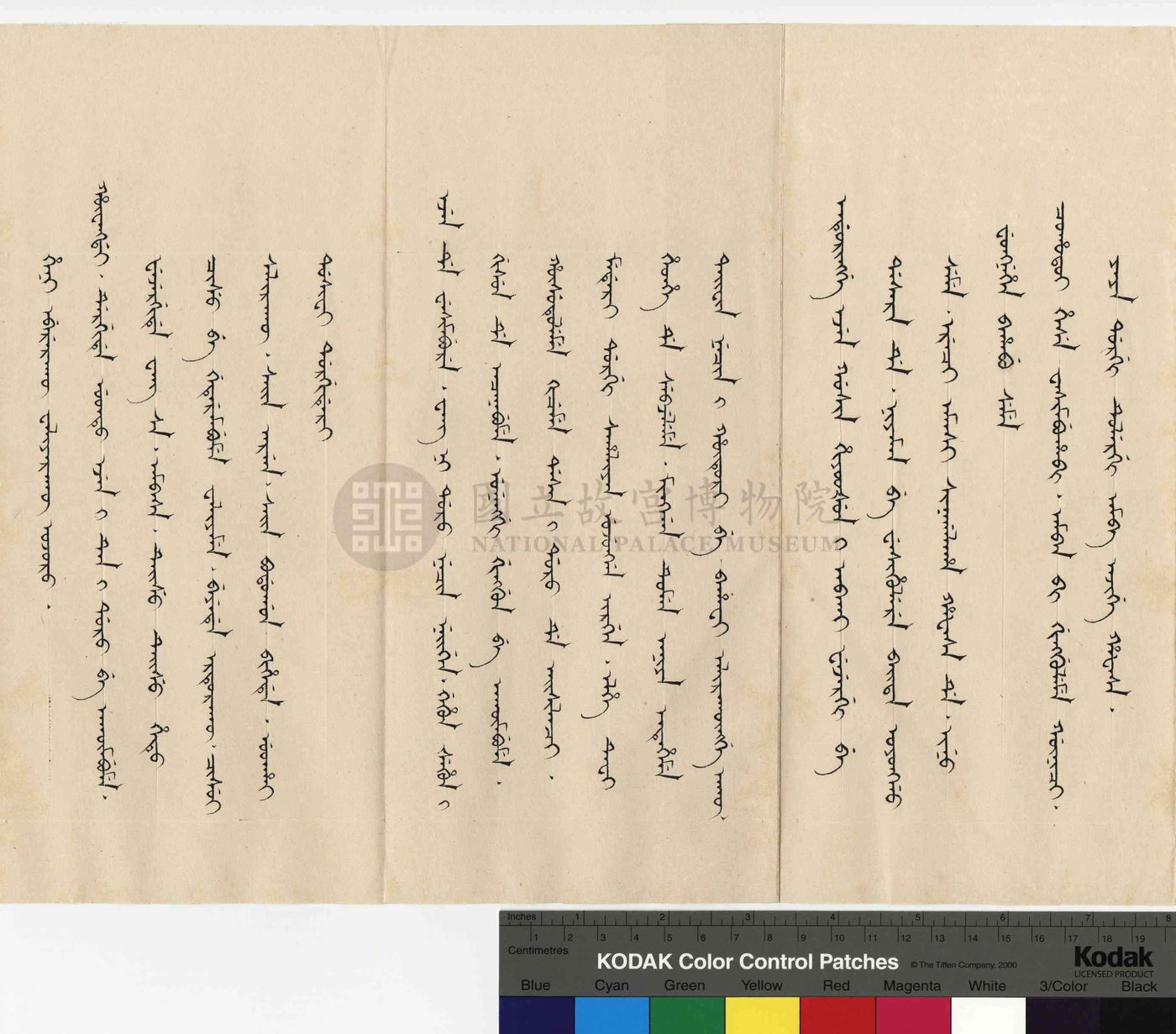
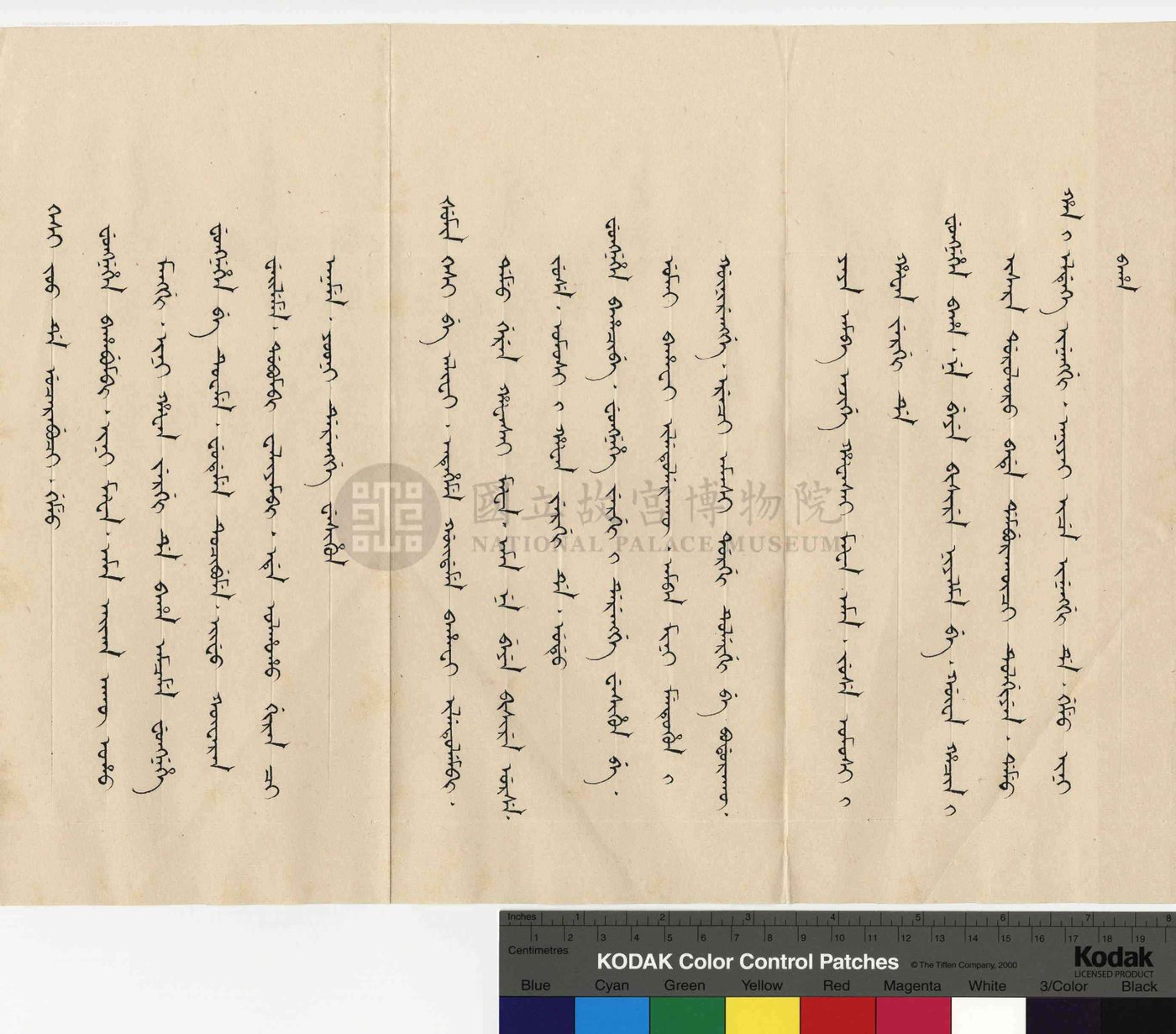
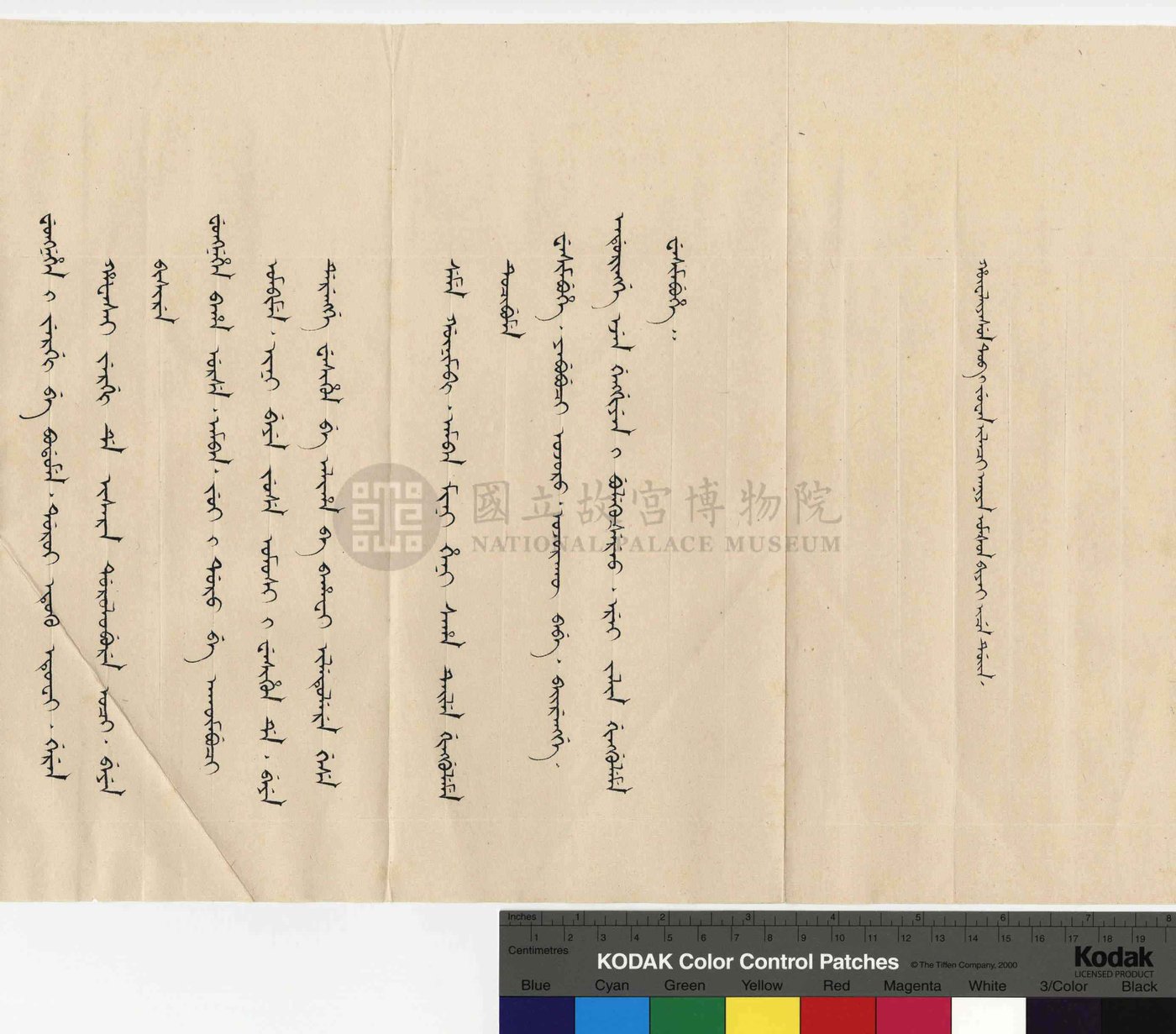
圖理琛(一個內閣侍讀學士)上了這道摺子。他先是花了大半篇幅歌頌雍正皇帝多孝順、多仁政,然後才提出真正的建議:他覺得現行制度只讓過世的官員祖父能風光追封,但那些還活著的祖父反而沒機會公開展示這個榮耀;所以他請求,以後碰上皇帝生日或元旦,應該讓這些還在世的祖父按兒子的官職品級穿禮服一起排班行禮,這樣既算盡了臣子本分又能顯擺兒孫的成就。
內閣學士兼禮部侍郎圖理琛上奏說: 我有一點知道的情況,想恭敬地寫出來,請皇上明鑑。 我圖理琛是個卑微渺小的人,天生愚笨遲鈍,脾氣又直,老是跟世俗風氣合不來,常被人騙、被人排擠,弄得差點一敗塗地。可我趕上了極好的時代,受過聖祖仁皇帝的疼愛培養,又蒙大行皇帝的教訓栽培,恩情廣闊。後來還屢次被重新起用,給了再生一樣的大恩,這才活到今天。如今聖上又降恩,讓我做了內閣學士,三代人都受到了皇上的恩典,這份恩情非常厚重。只要我這條命還在,就會使盡我這笨拙的力氣,盡一絲報答萬分之一。 大行皇帝昇天以後,每天要三次奠酒。我因爲是現任官員,起初只能排在衆官的末尾行禮。後來蒙恩賞給我官職品級,才得以進入大祭的行列裏行禮,這才走近了能夠瞻仰。皇上天生大孝,思念的心沒個窮盡,一會兒都忘不了,無數次到梓宮瞻仰祭拜,一看見雍和宮的大門就忍不住悲傷哭泣,祭完之後退下時,還止不住悲痛,遠遠望着宮門更是傷心得了不得,聚集在這裏的諸王大臣和子弟們全都難受得受不了。 皇上自從繼位以來,一切政務都效法聖祖仁皇帝,追隨大行皇帝,謹慎守着,一點兒不出格,一點兒不違背,還要更上一步。親自把守孝的禮節定爲三年,這是孝的極點。對八旗的孤寡施恩,又爲天下百姓的生計操心,想着讓八旗兵丁富足,老百姓都能過太平日子,費盡心思、周全計劃,都想讓他們睡上安穩炕。即使是眼下守梓宮的路、管街道的官兵,怕他們辛苦,就賞給飯喫;沿途做買賣的人,怕耽誤他們生意,都施以寬大的恩典,這是仁的極點。一繼位就立刻把朱軾等人叫來辦差,把高其倬等人從任上解下來,把李思等人抓起來交部議處,把曾靜、張熙抓解來京,把奸邪的人、讒佞的人遠斥開,把苛刻勒索的人治罪,這是英明的極點。 我圖理琛接任以後,在衙門裏看皇上發下來的諭旨檔案,見一切政務都是寬和有節制的,免除錢糧,減收稅賦,赦罪救人的事從快辦,給人恩典;人命案件審了又審,生怕有一個人受冤屈、喫苦頭,丟了生計,爲萬世的利益打算,種種諭旨寬仁到了頭。對聖祖仁皇帝的子孫,從親王以下都施恩提升了品級;允禩、允禟等人給了路祭,交辦議論;阿克那等人的子孫也交辦議論;因罪革退的宗室,也命比照康熙朝查例查奏。這是培植根本。現在又把這種心意擴大,治理天下,越久越牢固,不會有衰敗遺失。在上頭,皇帝這樣把君王的道理盡到了;在下頭,諸王大臣各自除去私心偏袒,丟掉小算盤,不自專,有了好主意就進宮當面陳奏。王的道理公平正大,話語一致,大家竭誠盡力輔佐政務,那麼四海里的黎民百姓就能安居樂業,千百年永遠太平得福,沒有誰不領受的。 聖上以仁孝治天下,以親厚親人關係爲要,所以今後丁憂的官員也讓得到封贈,特意下了諭旨。我圖理琛恭敬地想:凡內外大小官員,遇到恩詔都得到了封贈,他祖父、父親如果已經去世,就按他的官階追贈封典,修墳立墓,安葬祭祀,讓枯骨都沾光。可是,各官員的祖父、父親如果現在還活着,雖然子孫的官階得了封贈,卻一直沒辦法把封贈的榮耀顯擺出來。我的笨想法是:今後不論京內京外,所有大小官員的祖父、父親因爲子孫的官階而得了封贈、本人還活着的,除了其他集會的行禮場合不讓他們參加之外,單在皇上萬壽和元旦那天,都按他們所得的封贈品級,穿上官禮服,在衆官的班次裏一道集會行禮。這樣一來,活着的受封贈的人能夠盡到臣子的禮節,他本人、子孫的榮貴,自己也顯得沾了光榮,像是能夠顯揚的樣子。 我把所知道的一點恭敬寫出來上奏,可行不可行,請皇上明鑑。爲此恭敬上奏。 雍正十三年十一月初四日 (圖理琛上了這個奏摺,沒有議覆。)
奏:內閣侍讀學士兼禮部侍郎臣圖理琛謹奏,為略陳所知,仰祈聖鑒事。竊臣一介微渺卑賤之人,稟性愚魯,木訥執拗,動與時俗相違,常被世人輕侮擠陷,幾至傾覆。然生逢至聖之世,蒙聖祖仁皇帝恩養,世宗憲皇帝教訓造就,洪恩汪洋,既荷再造之德,復又疊蒙高厚,得以保全性命。茲蒙皇上恩授內閣侍讀學士,三世聖主之恩,至為深重。臣願竭盡綿薄,圖報萬一。世宗憲皇帝賓天後,臣一日三次赴奠,身為官員,在諸臣之末行禮。蒙恩賞給品級,得以入大祭之班行禮,始得近仰天顏。皇上秉賦大孝,思念無窮,無時或忘,屢次詣梓宮瞻仰,見雍和宮門即不勝悲痛哭泣。祭畢而退,猶不能抑止悲愴,遙望宮門,哀傷不已,在場諸臣諸子無不感愴。自皇上嗣登大寶以來,一切政務皆效法聖祖仁皇帝,遵從世宗憲皇帝,敬謹持守,無稍過越,無或違失。聖上益求聖,孜孜向治,以自身服喪之禮定為三年,孝之至也。恩澤之施,於孤寡獨夫亦加恩恤,更為天下蒼生籌劃,八旗兵丁使之寬裕殷實,萬民使之安居樂業,聖心勞思殫慮,務使各得衽席之安。即如今看守梓宮之道路、管理街道之官兵,恐其饑餓,賞給飯食;行路商賈,恐其耽誤貿易,致生勞苦,皆特施恩澤,仁之至也。大政既舉,即召朱軾等辦事,高其等人員去職,李熹等拿交,曾靜、張熙等逮捕解京,賢者親近,奸邪疏遠,宵小加以懲治,明之至也。臣到任後,敬查衙門所存皇上頒降上諭檔冊,見凡政務必求寬容簡約,蠲免錢糧,減輕關稅,緩繳查追,拯災速辦,施恩加惠,於人命案件詳之又詳,惟恐一人陷於困苦,失其生計,為萬世之利,種種諭旨,寬仁之至。聖祖仁皇帝子孫,自親王以下,皆加恩晉爵升級。允我、允禟等給予展墓之途,令其陳說,阿克那等之子孫處所亦令陳明。獲罪革退之覺羅等,俱照聖祖仁皇帝時查辦之例,查奏上聞,此乃培本之舉。今推廣仁恩,整飭天下,愈久愈固,無少減損,皇上於上極盡君道,於下王公大臣各各自除偏私,絕不委卸,不私行幹預,倘有善策良謀,即行入告,贊襄於內。王道平平,明白公正之言,務合至誠至敬,勤勉協助政事,則四海黔首,安居樂業,欣享太平,億萬斯年,永綏福祚,無有不享。皇上孝仁治天下,以篤親為重,此後守喪官員亦令得封贈,特諭頒下。臣敬思,凡內外大小官員,若遇恩詔,皆得封贈。其祖父若已故,則按品級追封,立碑修墳,祭奠展墓,自枯骨至於全體,同霑榮耀殊恩,長久顯揚。惟眾官員之祖父現在者,雖子孫官階得封,而封典榮名卻未得顯揚。臣愚以為,此後不論內外,凡大小官員之祖父,因子孫官職得封,現存者,除別項聚會行禮外,惟於皇上萬壽、元旦等日,俱按其所得封典品級,穿禮服與各官之班行禮,則現存受封者得盡臣子之禮,而自身於子孫之貴,亦得彰顯榮耀矣。臣謹以淺見陳奏,可否施行,仰祈聖明鑒察。為此謹奏。雍正十三年十一月初四日。圖理琛此奏未與人言。
Memorial: Your servant Tulišen, Academician Reader of the Grand Secretariat, additionally serving as Vice Minister of the Board of Rites, respectfully submits this memorial, humbly setting forth what little he knows and imploring the Imperial sagacious scrutiny. I am a person of mean and lowly birth, dull by nature, blunt and stubborn, always running counter to the customs of the age, and often slighted and pushed aside by others, nearly brought to ruin. Yet, having been born into this most exalted age, I was nurtured by the kindness of Emperor Shengzu Ren and instructed and cultivated by the Great Emperor of Exemplary Conduct (Shizong Xian); I have received vast grace like a flooding ocean. After being bestowed the favor of a second life, I have again repeatedly received profound favors, thus preserving my life. Now the Sacred Sovereign has further extended grace and appointed me as Academician Reader of the Grand Secretariat. The grace I have received from three generations of sacred Sovereigns is exceedingly weighty and generous. As long as I live, I will exert my meager, dull strength to the utmost and strive to repay one ten-thousandth of it. After the Great Emperor of Exemplary Conduct ascended to Heaven, I, as an official supported by the state, performed thrice-daily mourning rituals. Being among the last of all the officials, I performed the rites. After being granted a rank, I entered the ranks of the grand officials at the great sacrifices to perform the rites, and only then was I able to draw near and look up at the Imperial countenance. The Sacred Sovereign, endowed with great filial piety, cherishes the departed with boundless longing, never forgetting even for a moment. Countless times he went to the spirit hall to gaze upward, and upon seeing the gates of Yonghe Palace, he could not help but weep bitterly with grief. After the sacrifices concluded and he withdrew, he still could not contain his sorrow, gazing from afar at the palace gates with the deepest grief. All the assembled officials and their sons were moved beyond bearing. Since the Sacred Sovereign succeeded to the great throne, in all matters of governance he has emulated Emperor Shengzu Ren and followed the Great Emperor of Exemplary Conduct, reverently safeguarding the precedents without the slightest overstepping or error. Seeking to elevate the already exalted to even greater heights, he devotes himself wholeheartedly to governance, extending the mourning rites to three full years—the ultimate expression of filial devotion. In bestowing grace, he extends it even to the orphaned, widowed, and childless. Furthermore, he devises plans for all living people under Heaven: for the soldiers of the Eight Banners, he wishes them to be ample and well-supplied; for the common people, he wishes them to live in peace and happiness. The Sacred mind is wearied with planning, exhausting all thought, aiming to bring all to the comfort of their sleeping mats. Even now, for the soldiers guarding the roads and managing the streets near the spirit hall, fearing they might suffer hunger, he bestows food; for the merchants along the traveling routes, fearing their trade might be delayed and cause them hardship, he has dispensed overflowing grace in every case—the ultimate expression of benevolence. Having assumed the great governance, he immediately summoned Zhu Shi and others to handle affairs, removed Gao Qi and his like from office, ordered Li Xi and others arrested and handed over, and had Zeng Jing, Zhang Xi, and others apprehended and brought to the capital. He keeps the wise close and distances the crafty and crooked; he punishes the flattering and corrupt—the ultimate expression of sagacious clarity. After I assumed my post, I respectfully examined the registers of imperial decrees issued by the Sacred Sovereign within the yamen, and I observe that in all matters of governance, he always strives to be broad-minded and conciliatory, principled and orderly. He remits taxes, reduces customs duties, urgently carries out amnesties and relief measures, and grants grace liberally. In matters concerning human life, he scrutinizes them thoroughly, and beyond thoroughness, he scrutinizes yet again, fearing lest a single person fall into misery and suffering, or lose their livelihood, planning for the benefit of ten thousand generations. The various decrees he has issued represent the ultimate expression of magnanimity and tolerance. He has bestowed grace and elevated the ranks and titles of all the sons and grandsons of Emperor Shengzu Ren, down to the princes. He granted Yün-wo, Yün-tang, and others the path to visit their ancestral tombs and allowed them to present their explanations. He also ordered the places of the sons and grandsons of Akina and others to be clarified. He has ordered that the Gioro clansmen who had committed offenses and been dismissed be investigated and memorialized in the same manner as during the reign of Emperor Shengzu Ren—this is an act of tending to the roots. Now he expands and amplifies this grace, rectifying all under Heaven, so that the longer it endures, the firmer it becomes, without the slightest diminishment. The Emperor above thoroughly fulfills the duties of a sovereign, while the princes and ministers below each purge themselves of their personal biases, never shirking or interfering for selfish ends. When there are good strategies and plans, they immediately come forward and assist from within in the ruler's governance. If the Kingly Way is tranquil and steady, and clear and unequivocal words are brought into accord, and sincerity and reverence are exerted to the full, and strength is devoted to assisting the way of governance, then the black-haired people within the four seas will dwell in peace and joyfully enjoy their livelihoods; for a thousand, for ten thousand years, they will forever obtain the blessings of peace and tranquility, and none will fail to receive them. The Sacred Sovereign governs all under Heaven with benevolence and filial piety, deeming the exaltation of kinship paramount. Therefore, he has specially decreed that even mourning officials should be granted posthumous honors. I humbly consider that all civil and military officials, whether in the capital or the provinces, when receiving imperial grace, are bestowed posthumous honors for their ancestors. If their fathers or grandfathers are deceased, they are granted honors posthumously according to the official rank, and they erect tablets, build tombs, make offerings, and sweep the graves. From the bare bones upward, all receive this glorious, exalted, and profound grace, enduringly displayed. However, for those officials whose fathers and grandfathers are still alive, although they receive honors according to the ranks of their sons and grandsons, they do not yet have a way to fully display the glory and honor of those titles. I, in my stupidity, think that hereafter, regardless of whether they are in the capital or the provinces, all officials, high and low, whose living fathers or grandfathers have received posthumous honors through the ranks of their sons or grandsons—except when they are exempted from attending other types of ceremonial assemblies—on the Emperor’s Birthday and on New Year’s Day, should all be required to wear ceremonial robes according to the rank of the honor they have received and assemble among the ranks of the officials to perform the rites. In this way, those living persons who have received honors can fulfill the rites of subjects and sons, while they themselves, through the exaltation of their sons and grandsons, will also obtain a visible manifestation and display of their own honor and glory. I respectfully set forth the little I know, and I humbly submit it, begging the Sacred Sovereign to illuminate it sagaciously whether it may be implemented or not. For this reason, I reverently memorialize. Yongzheng 13th year, 11th month, 4th day. Tulišen has spoken of this memorial to no one.