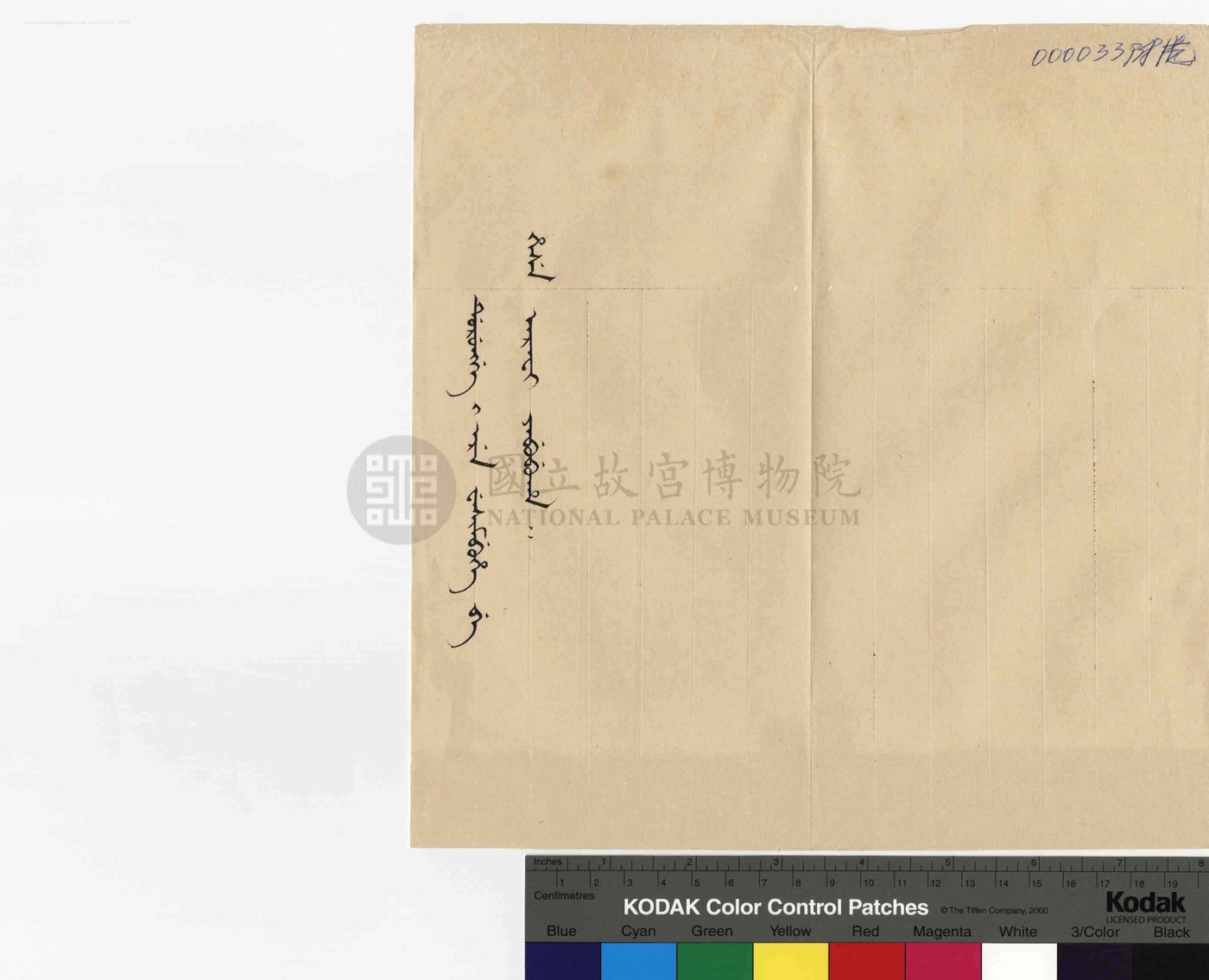
奏請八旗子弟凡遇父母喪事禁止舉行嫁娶事宜(附件:諭旨一道都隆阿此奏已有旨準行durungge i ere wesimbuhe be hese arafi yabubuha)
Yongzheng-era memorial
(無)
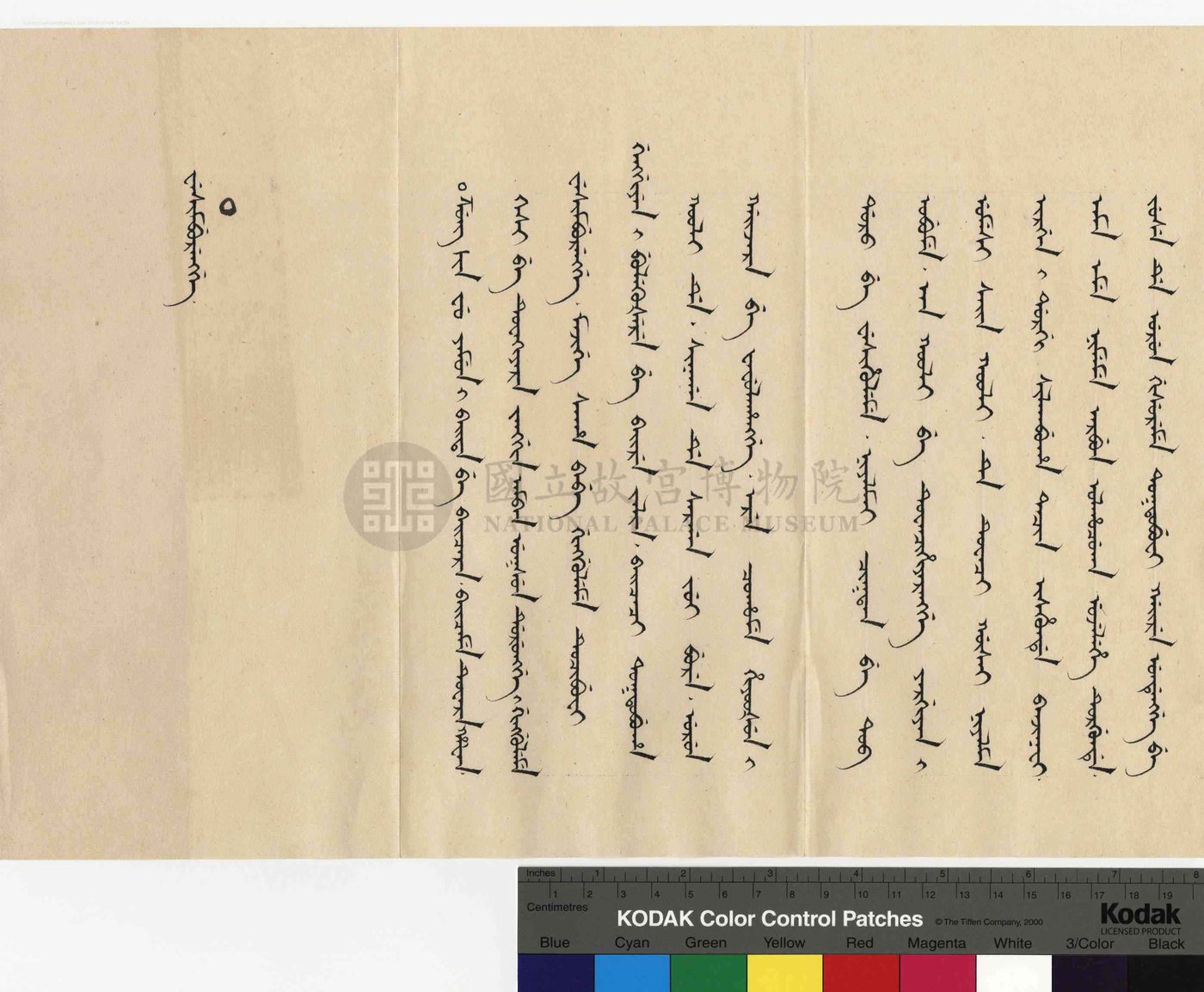
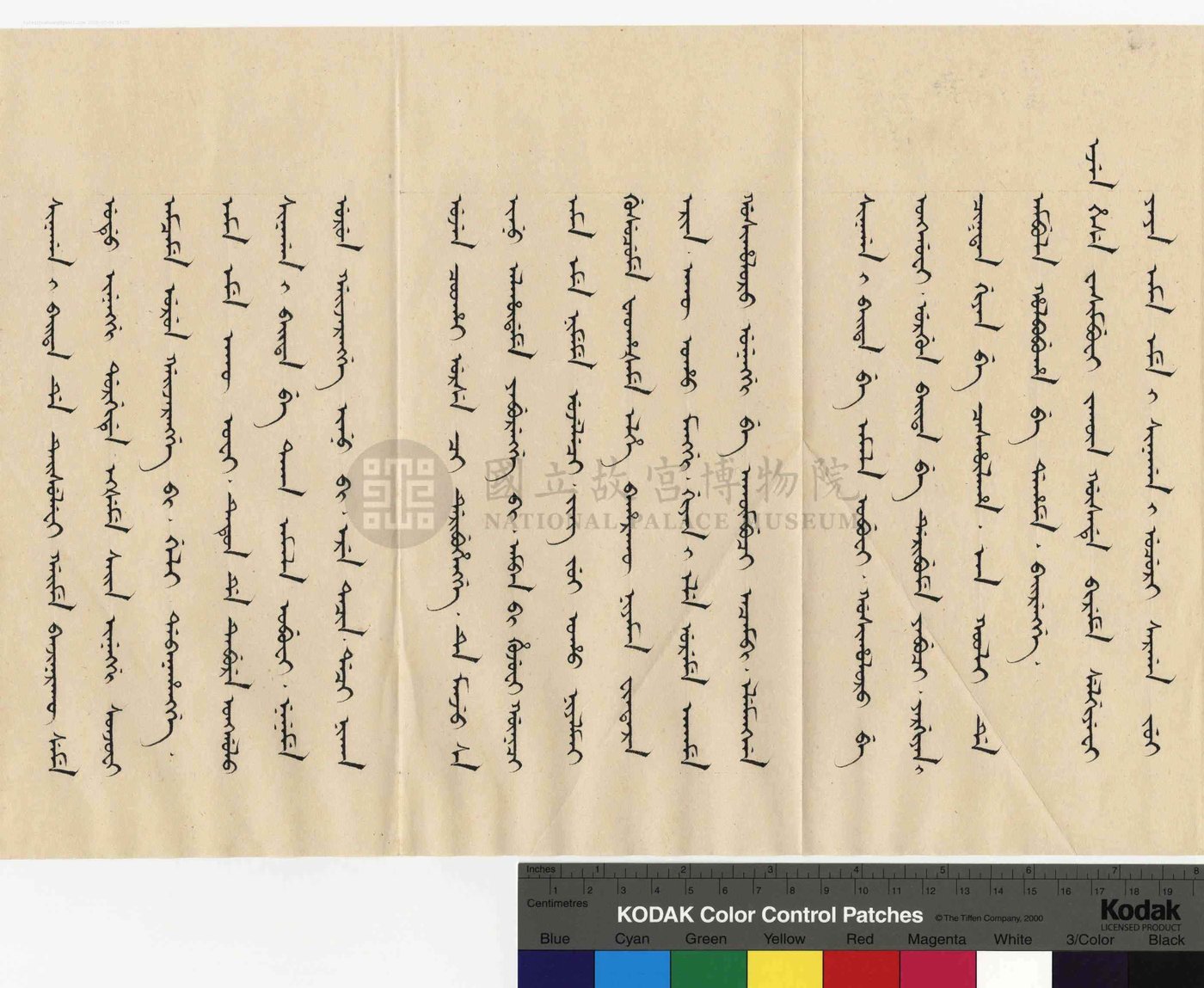
我是宗人府裏面負責查辦事務的巡按官、恩賞章京、宗室杜隆格,我恭恭敬敬地上奏,說說我知道的一點情況,請皇上明察。 我查了一下,定例明文規定:守喪期間禁止嫁女兒、娶媳婦。這是專門爲了推崇孝道,端正人心,維護常法,確實是非常好的規矩。 但現在來看,八旗的兵丁和百姓中間卻沾染上了一種風氣:彼此學樣,父母病重、情形危急的時候,那些還沒給兒女說定娶親成家的,遇到喪事,就說怕守孝耽誤不能嫁娶,於是幾天裏頭急急忙忙挑好日子,趕着把媳婦娶過門。甚至還有更過分的,父母去世了,還沒入殮到棺材裏,就先把喪事擱到一邊,趕緊娶媳婦的也有。 這種風氣原本是從漢軍旗人那裏興起來的,現在滿洲人也跟着學了。我仔細想了想,父母病重的時候,正是做兒女的心急如焚、不得安寧,像心要揪碎一樣的時刻;等父母沒了,按理更應該深切哀痛、盡到真正的悲傷纔是,反倒把喪事往後放,忘掉悲痛,先辦喜事,這實實在在是違背了倫常道理,跟法規大有關礙。 因此,懇請皇上降旨,普遍傳諭八旗,所有父母喪期內,嫁女娶媳婦這類事,都照杜隆格這次所奏,頒旨禁止施行。
奏宗人府衙門事務稽查察看官、恩守章京大臣、宗室杜隆額,敬謹奏聞:為將略知之處恭呈,乞請聖明鑒察事。查得定例內,於喪服期間嫁女娶媳者,悉予禁止。此正為崇尚孝道、端正人心、維持常例,實係極善之例。今觀之,八旗人等及民人內,所染習俗相互滋生:當父母病勢危重之際,為子女議定婚姻尚未迎娶者,遭逢喪事,輒藉口不娶,乃於數日內倉皇揀選吉日,追行迎娶者有之;更有甚者,父母去世尚未入殮以前,暫將喪事置後,先行娶媳者亦有之。此習俗原起於漢人綠營兵丁人等,今滿洲人等亦倣效行之。臣等伏思,父母病重時,正為子女者焦急奔走、無暇安寧,及至氣絕之後,理應愈加哀毀,盡其悲慟之誠,乃反將喪事置後,忘其悲痛,始行喜慶之事,實屬乖違倫常,與定例關係匪淺。是以懇祈皇上降旨,通飭八旗,凡遇父母喪期,子女……(將杜隆額此奏),奉旨著為令施行。
A memorial. The official for inspecting affairs at the Office of the Imperial Clan Court (Zongrenfu), the grace-guarding janggin, minister, imperial clansman Durungge, respectfully submits: To humbly present what little I have learned and beg for Your Majesty's enlightened scrutiny. It is found that in the established statutes, marrying off daughters or taking daughters-in-law during the period of mourning is strictly forbidden. This is precisely to promote filial piety, rectify the people's hearts, and uphold the constant ordinances—truly an excellent regulation. Now, observing among the personnel of the Eight Banners and among commoners, a tainted custom has grown and spread: when parents fall gravely ill and their condition becomes critical, marriages arranged for children but not yet celebrated are, upon encountering a mourning event, hastily carried out within a few days by hurriedly picking an auspicious day and rushing to wed, on the pretext that otherwise they cannot marry; what is more extreme, after the parents have died but before the body is placed in the coffin, some temporarily set aside the mourning rites and first proceed to take a daughter-in-law. This custom originally arose among the Han Chinese Green Standard soldiers and their like, and now Manchus also imitate and practice it. Your servants, prostrating in reflection, consider that when parents are critically ill, it is precisely the time for sons and daughters to be anxiously and busily attending them without a moment's peace; after they have breathed their last, one should by rights be all the more grief-stricken and fulfill the sincerity of bitter mourning. Instead, they postpone the mourning affairs, forget their sorrow, and begin joyful celebrations, truly contravening the principles of human relationships and gravely implicating the established regulations. Therefore, we beseech the Emperor to issue a decree, to be disseminated throughout the Eight Banners, that in all cases of parental mourning, sons and daughters... This memorial of Durungge has, by imperial command, been enacted as an edict and put into effect.