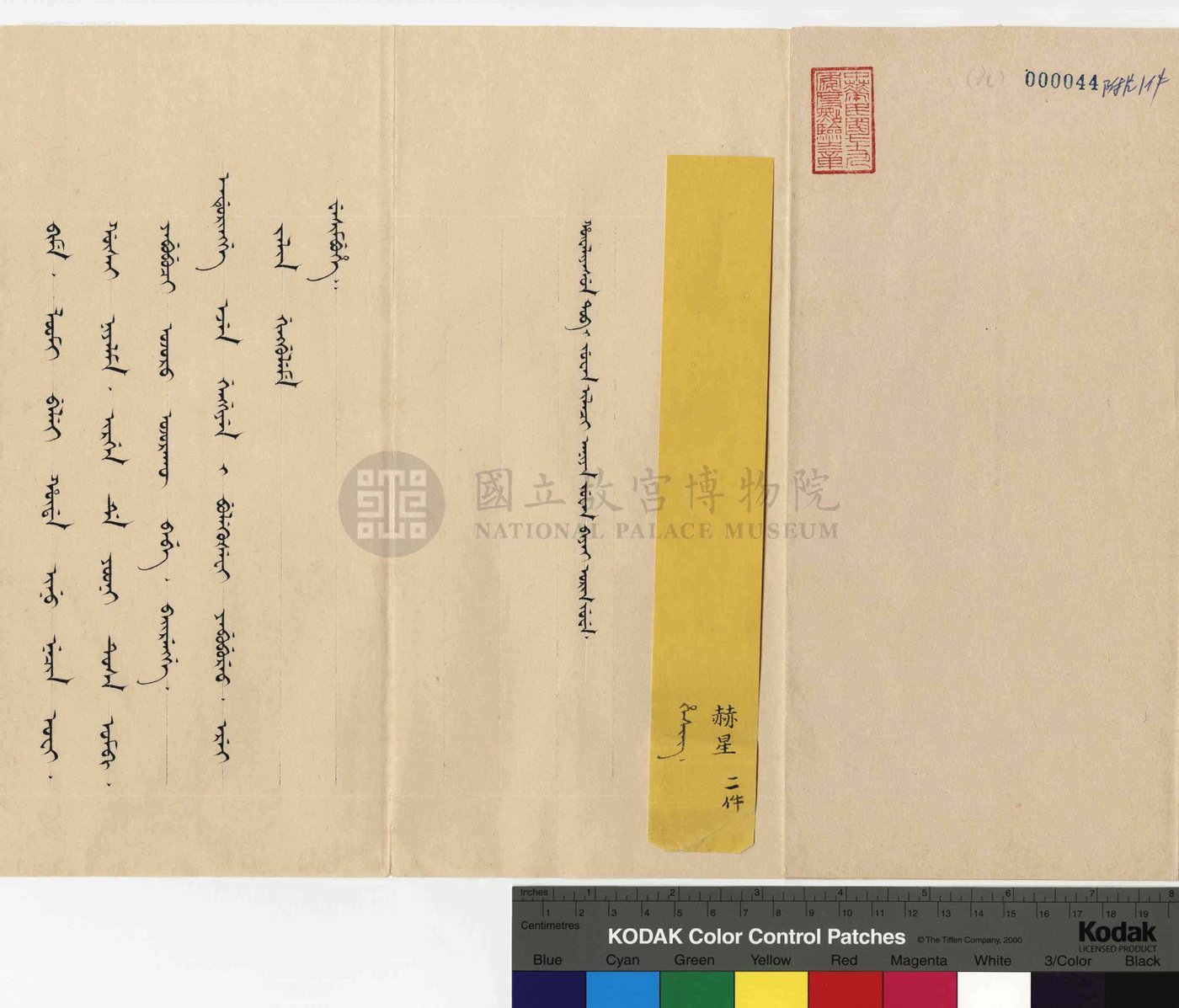
奏報調節米價存儲以利民生(附件:諭旨一道赫星此奏無庸議hesing ni ere wesimbuhe be gisurehakū)
Yongzheng-era memorial
(無)
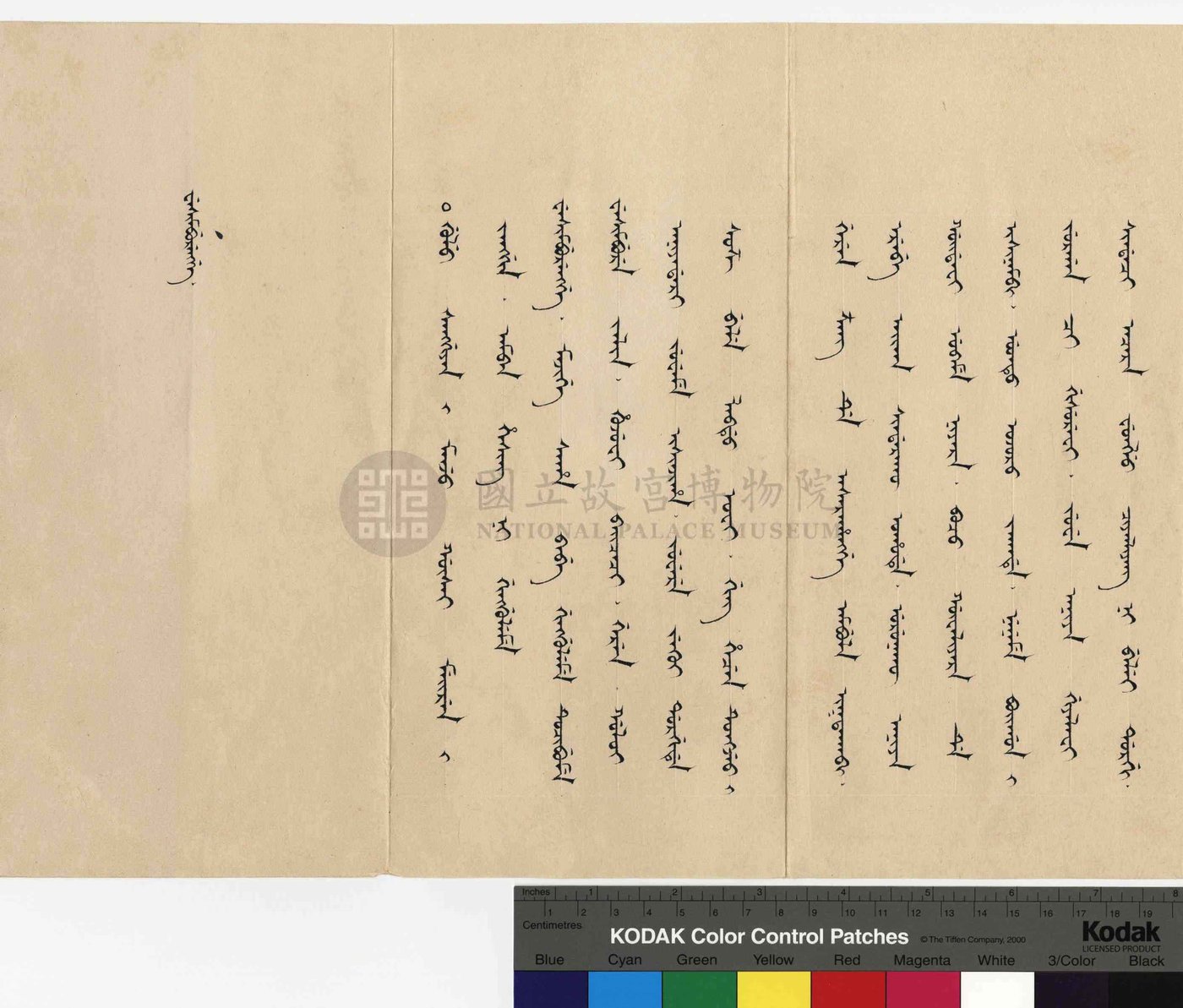
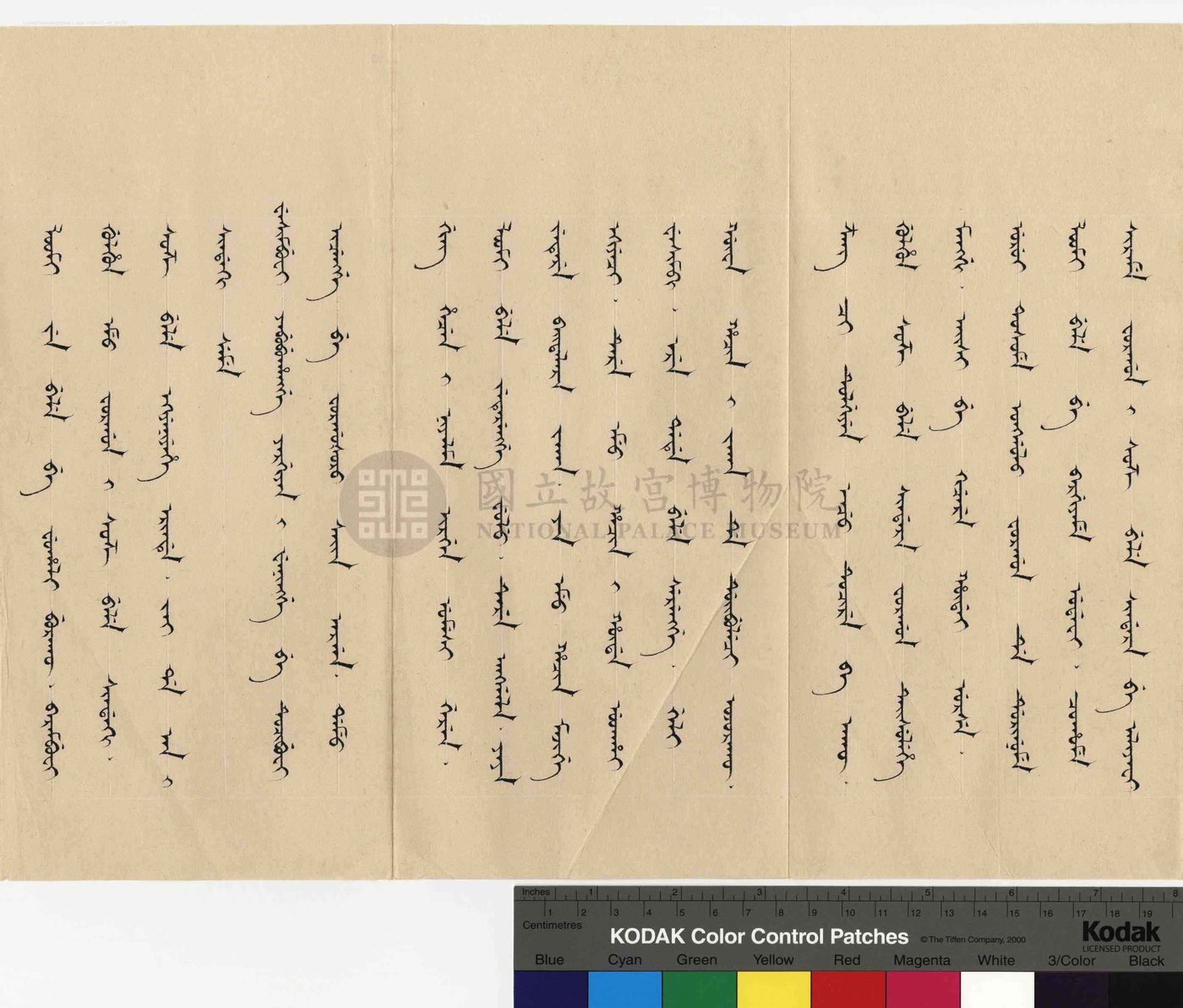
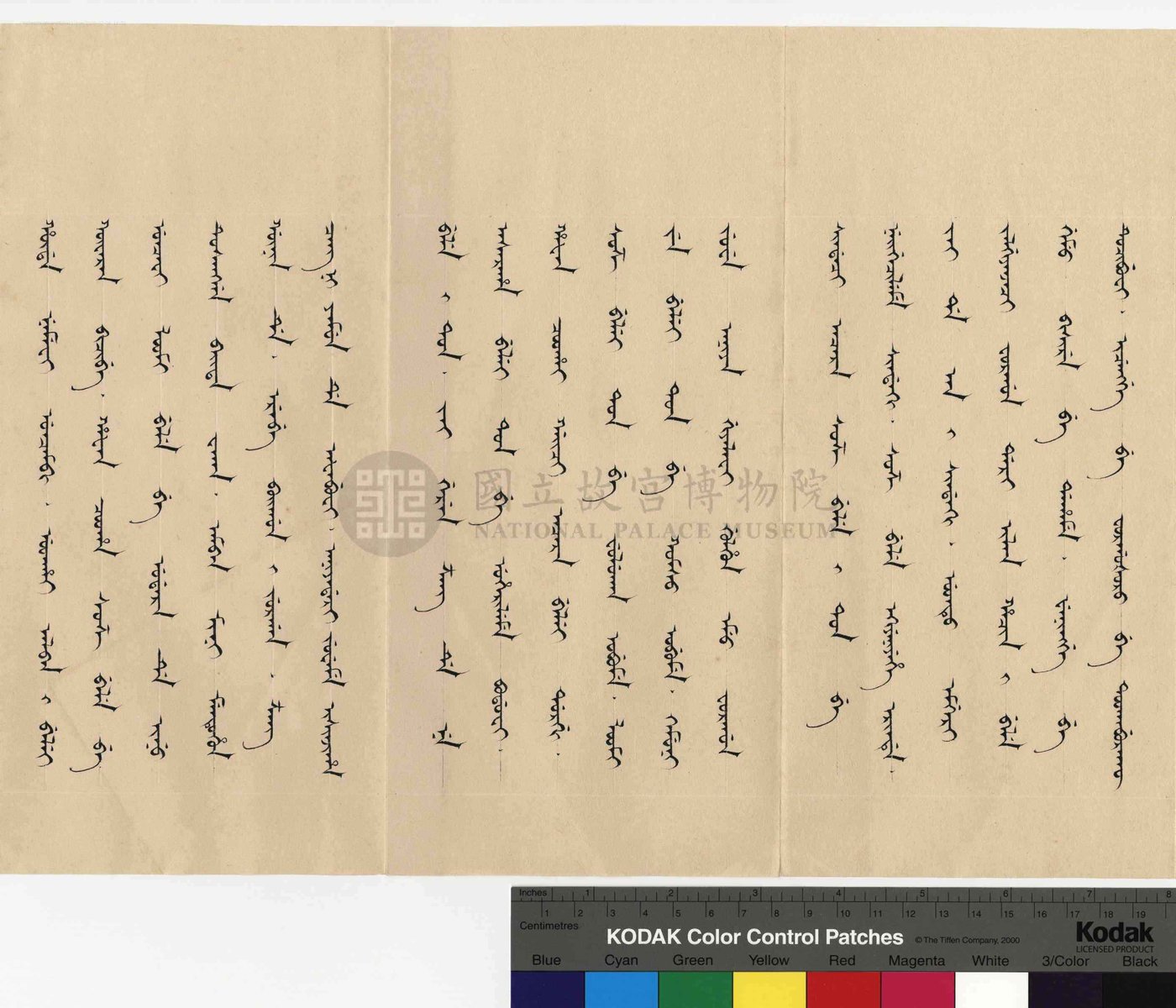
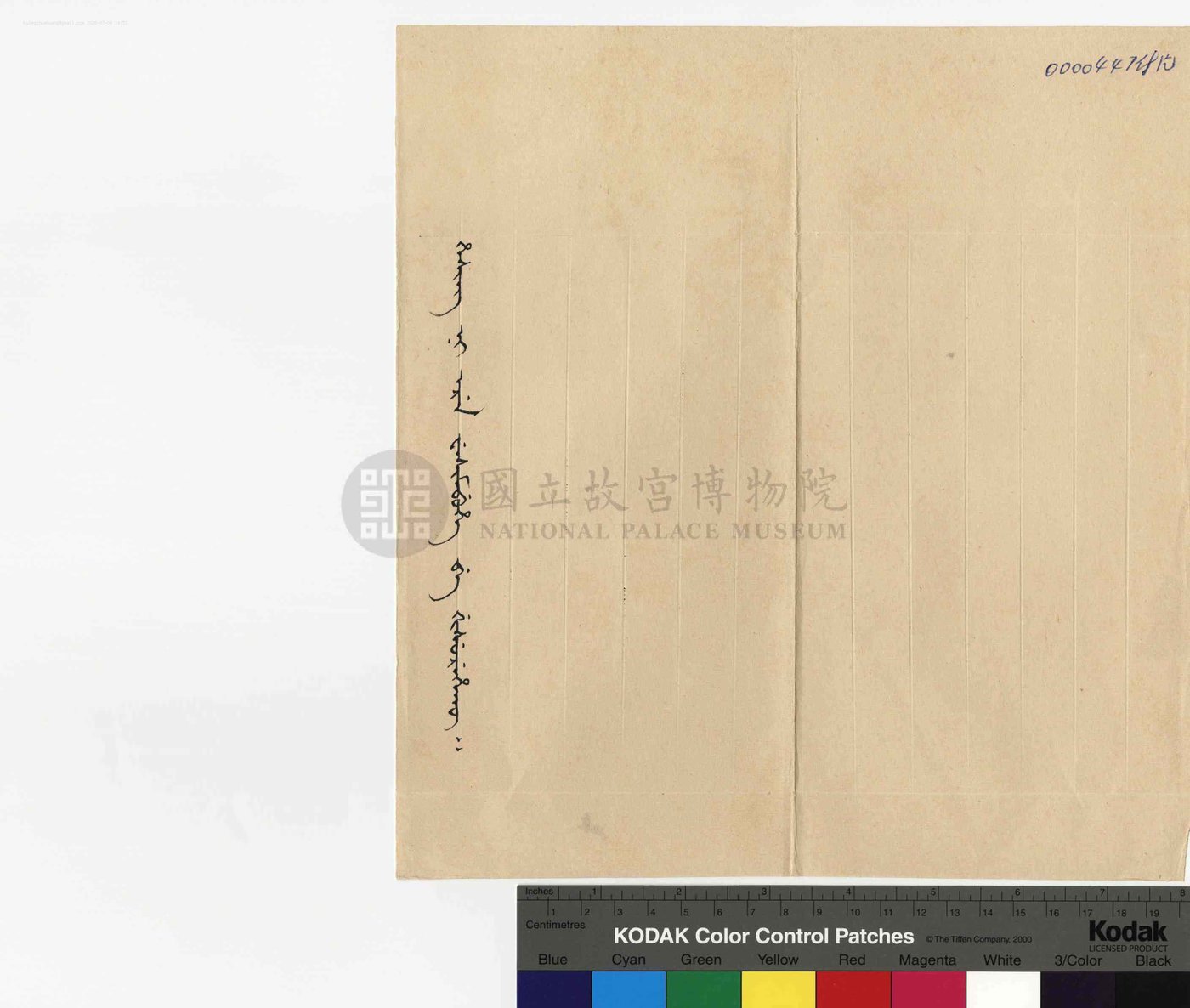
正白旗滿洲副都統大臣和興恭恭敬敬地上奏,把自己瞭解到的一點情況如實報告。 我查了一下,每年從各省運到京通州各倉的漕糧裏頭,帶殼的稻穀數量很大,京城的各處糧倉裏堆得滿滿的。這些糧食如果一直放着不發,年頭一久肯定會發黴變色,最後沒法喫。先前戶部曾經提過一個辦法,就是隔上兩年發放一次,在應發的俸祿和錢糧米里頭,乾脆不發老米,全都發成整季的“好米”(solzi米),等好米不夠的時候再按老規矩辦。這個辦法確實能推陳出新,是個好主意。 可是京城人口實在太多,喫老米的人佔多數。再說任何東西,只要稍微缺那麼一小樣兒,那樣東西的價錢立馬就往上漲。更不用說糧食這東西跟別的東西不一樣,除了糧倉,再沒有別的地方能出來。等到了發整季好米的時候,那些一門心思賺錢的商人就會提前囤積老米,專門等着下一季發放好米時趁機高價賣出。就算是官倉裏有糧,當兵的、當差的把自己那份好米賣掉再去買老米,也不是什麼划算的事兒。 依我的淺見,這事兒不如交給戶部和倉場衙門,讓他們把每年運到的糧食數量和各個倉庫裏現在存着的糧食數量攏在一塊兒算清楚。在應該發給官兵的糧食裏頭,把“糙米”(sodje米)的數量往下減一減,把老米的數量往上漲一漲,還是隔兩年發放一次,把應該發的那一整季“粟米”(some米)平均着發下去。等到好米確實短缺的時候,再按老規矩發放。這樣一調劑,每個季節三種米都有,既能推陳出新、不耽誤事情,老米的價格也能平穩下來,對八旗的人丁和普通老百姓都有好處。能不能這麼辦,懇請皇上明斷,批准施行。 爲此恭敬上奏。 雍正十三年十月二十二日,和興。這份奏摺沒有被討論。
正白旗滿洲副都統大臣赫陞謹奏,為略知之處恭陳奏事。竊查各省每年兩次運到之漕糧內,帶子米多,因此京城通州各倉存積甚多。若不發放,必定年久變色變味。因此之故,先由戶部議,隔兩年應發俸祿錢糧米內,老米等米全不發放,全一季放粟米,粟米缺乏時再照常發放,等因奏準施行。實為出陳易新之善策。但京城人民甚多,食老米者多。況且凡食用之物,任何一種稍缺,其價即漲。此且米者,又非他物可比,除糧倉外別無出處。當全放粟米之季到來時,牟利商人預先在上季大肆收買老米,專待下季發放粟米,抬高價格出售。即官米倉場,官兵將粟米出售買老米,亦非有益之事。臣愚意,將此交戶部倉場衙門,每年兩次運到米數及各倉現存米數統計,官兵應領米內,粟米數略增,老米數略減,仍隔兩年應發全一季粟米之數均勻發放。粟米缺乏時再照常發放。如此一旦調劑,每季三種米皆有之故,出陳易新既不遲延,且老米價亦平,於旗人人民皆有裨益。可否施行之處,懇請聖主睿鑒施行。為此謹奏。雍正十三年十月二十二日,赫陞此奏未議。
A memorial by Hsing, Deputy Commander of the Plain White Banner Manchu Division, respectfully submitted regarding a matter of which I have slight knowledge. Upon investigation, it is found that among the tribute grain transported twice annually from various provinces, there is a large amount of sandy rice. Consequently, the granaries in the capital city of Tongzhou have accumulated a substantial surplus. If this grain is not distributed, it will inevitably deteriorate over time, changing in color and fermenting. For this reason, the Board of Revenue previously proposed that, every other year, from the grain designated for salary and stipend disbursement, old rice and the like should be entirely withheld, and instead, a full season's supply of millet rice should be issued; when millet rice becomes scarce, then revert to the usual distribution method. This was memorialized and approved. Truly, this is a good strategy for rotating old stock and introducing new. However, the population of the capital is very large, and many consume old rice. Moreover, for any comestible commodity, any slight shortage drives up its price. Furthermore, rice is unlike other goods, as there is no alternative source beyond the granaries. When the season arrives for issuing a full supply of millet rice, profit-seeking merchants, hoarding in advance during the previous season, purchase large quantities of old rice in anticipation of the next season's millet rice distribution, thereby inflating prices and selling at a profit. Even for official grain depots and soldiers selling millet rice to buy old rice, it is not a beneficial practice. In my humble opinion, this matter should be entrusted to the Board of Revenue and the Granary Administration to calculate the total amount of rice transported twice annually and the current stock in all granaries. Within the rations due to officers and soldiers, the proportion of millet rice should be slightly increased, while that of old rice slightly decreased. Every other year, when a full season's supply of millet rice is due, it should be distributed evenly. When millet rice runs short, then revert to the usual method. By such a periodic adjustment, all three types of rice being available each season, the rotation of old and new stocks will not be delayed, and the price of old rice will remain stable, benefiting both bannermen and civilians alike. Whether this can be implemented is a matter for the Holy Lord's discerning consideration. I respectfully submit this memorial. On the 22nd day of the 10th month of the 13th year of the Yongzheng era, Hsing's memorial was not deliberated.