奏請將宗室各犯罪事項依法定律行之(附件:諭旨一道穡魯此奏議行seru i ere wesimbuhe be gisurefi yabubuha)
Yongzheng-era memorial
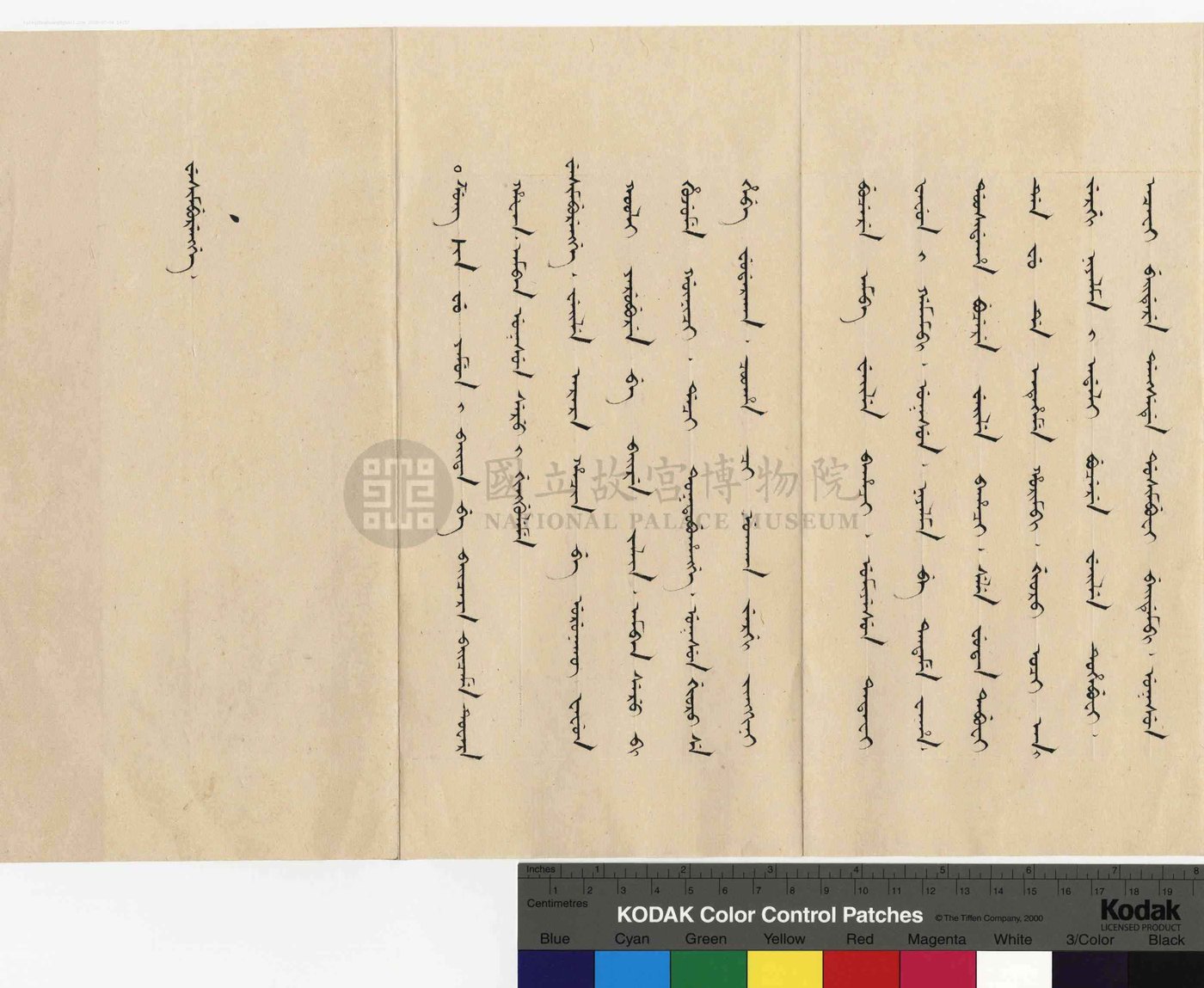
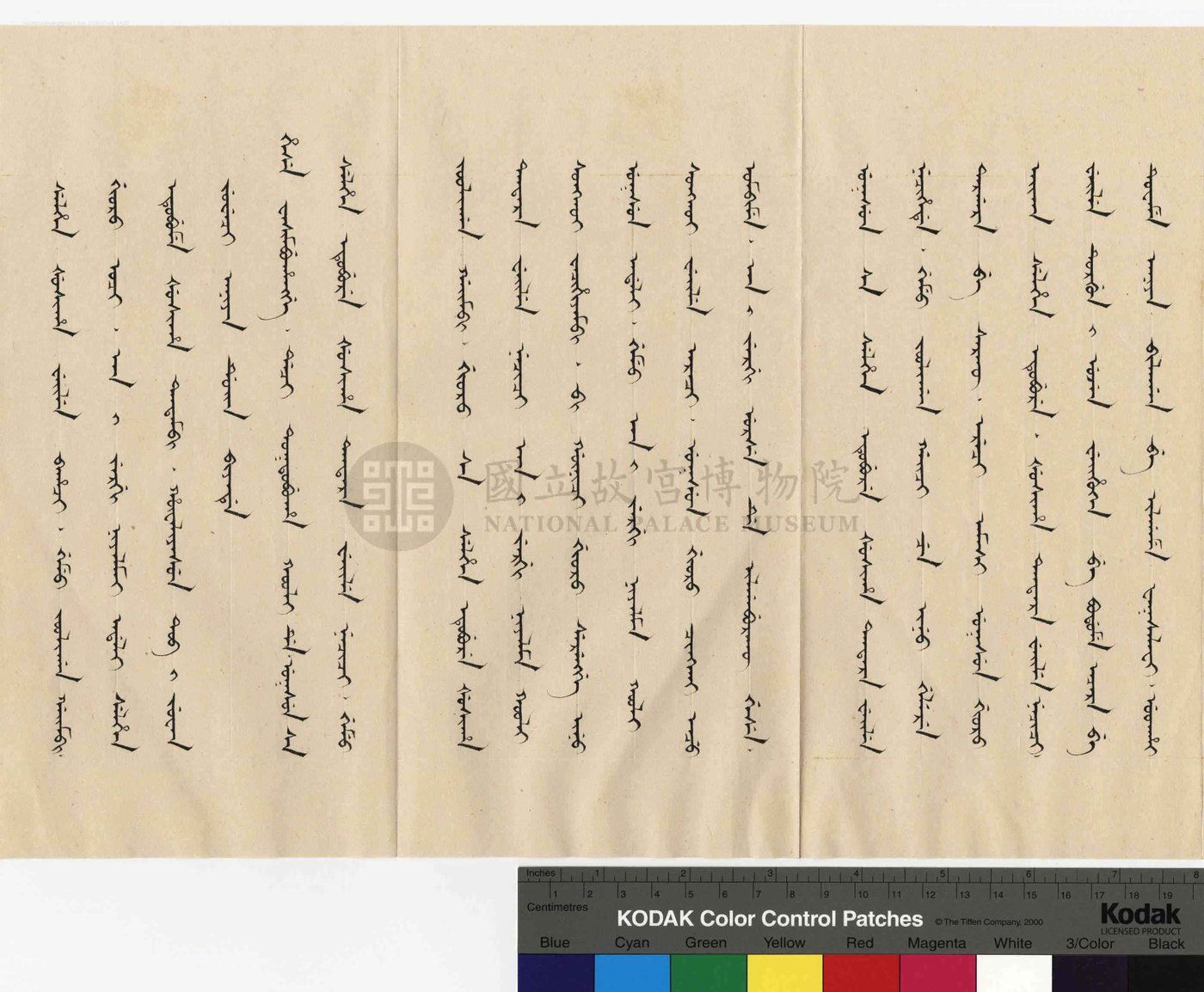
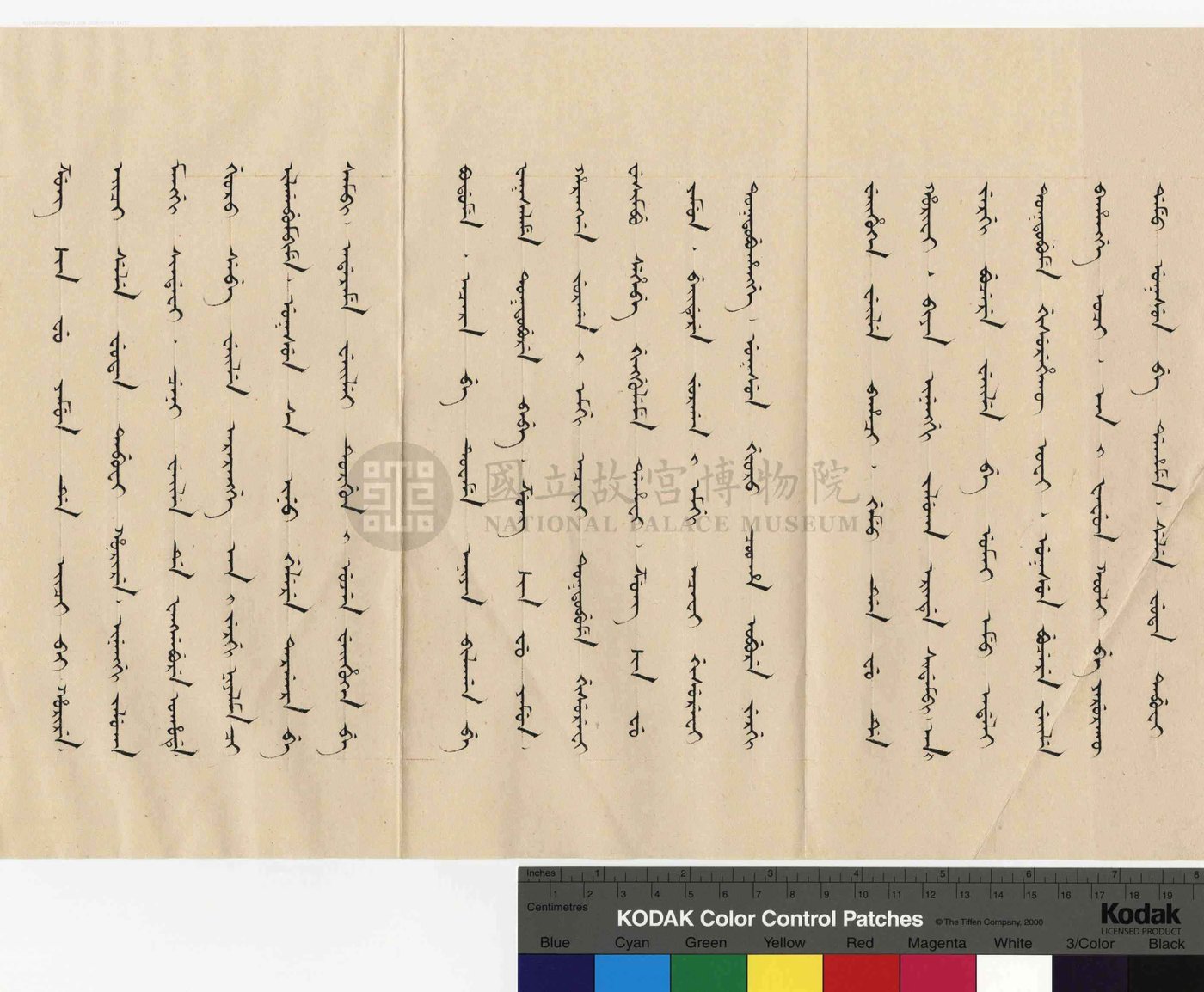
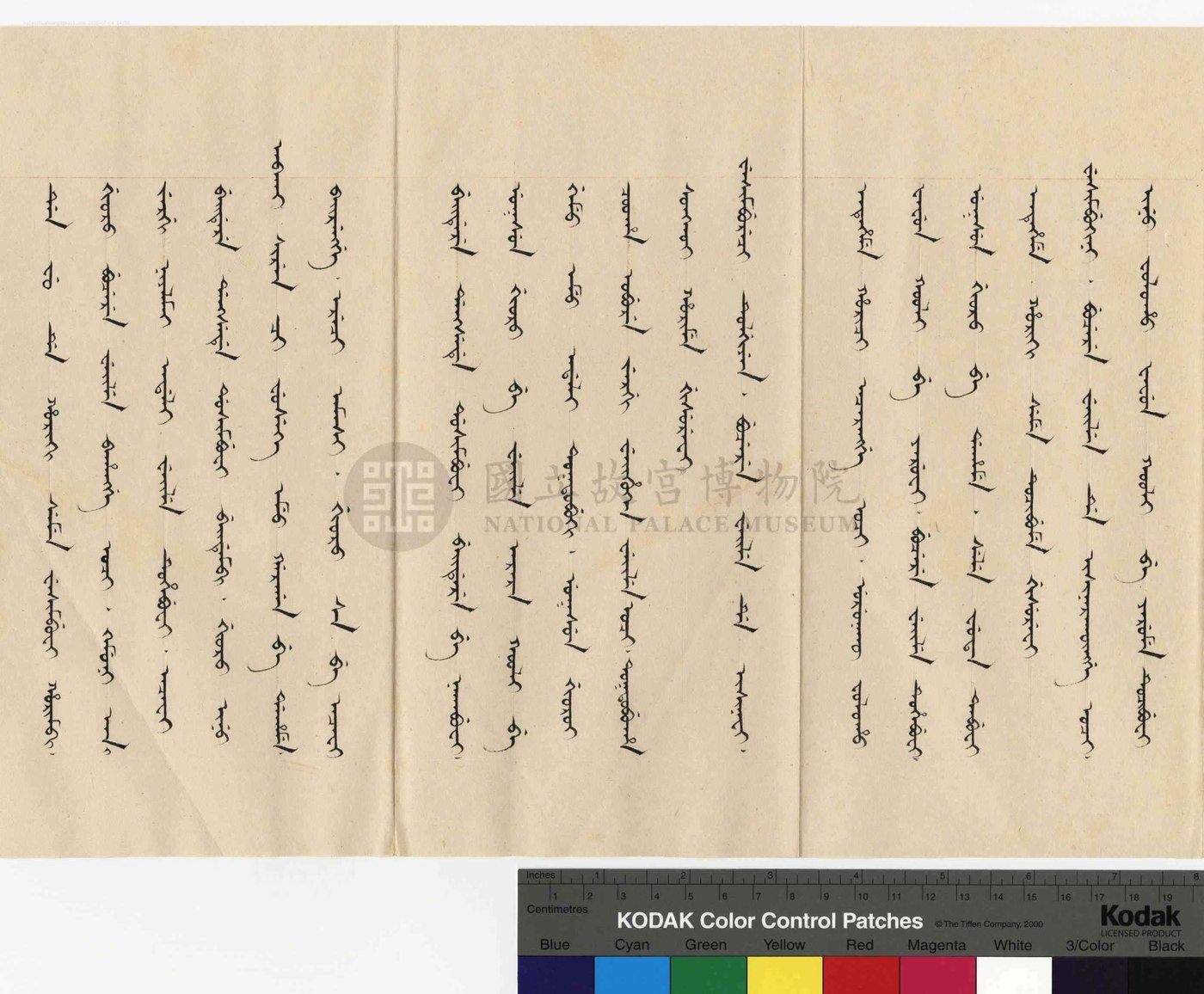
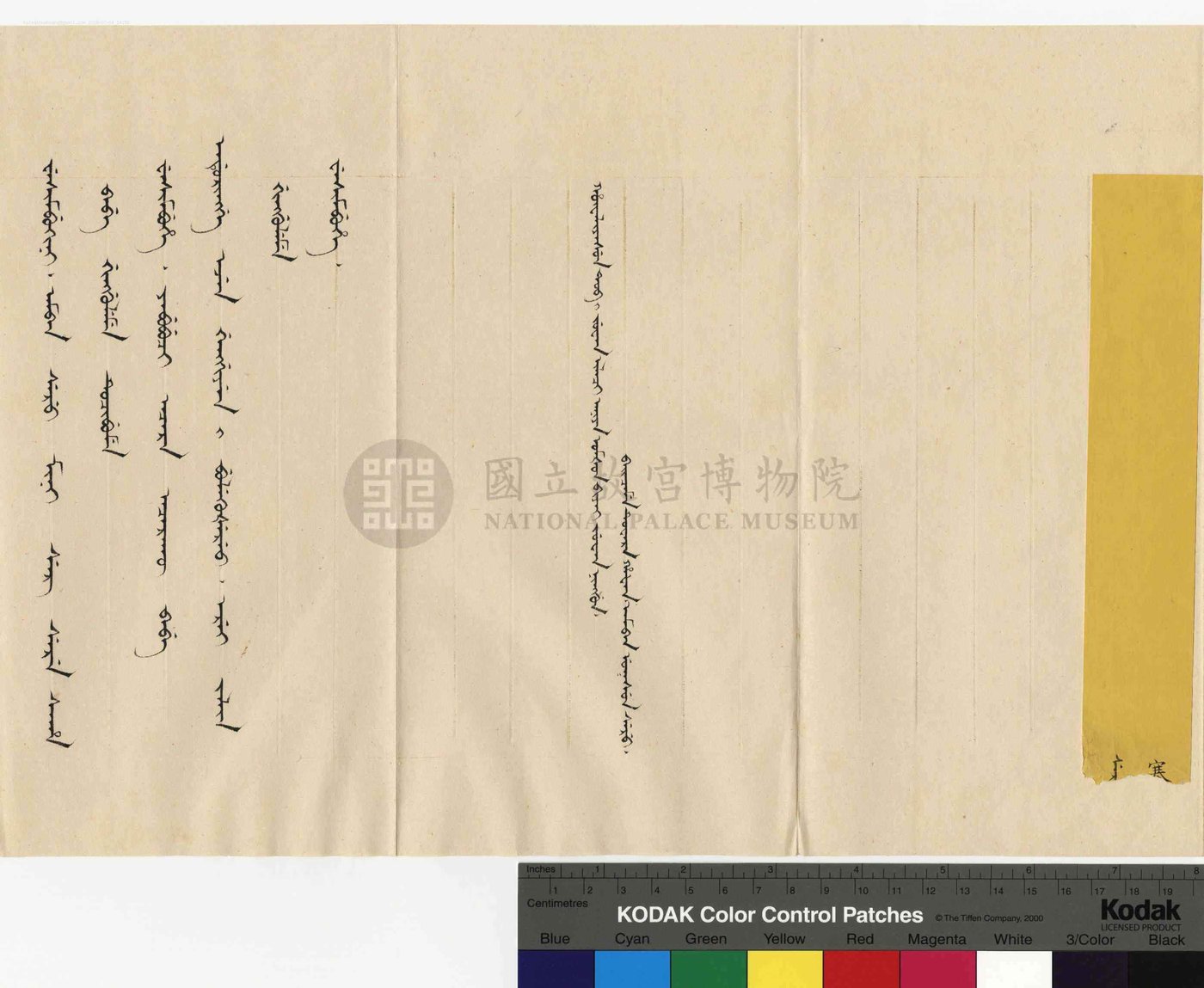
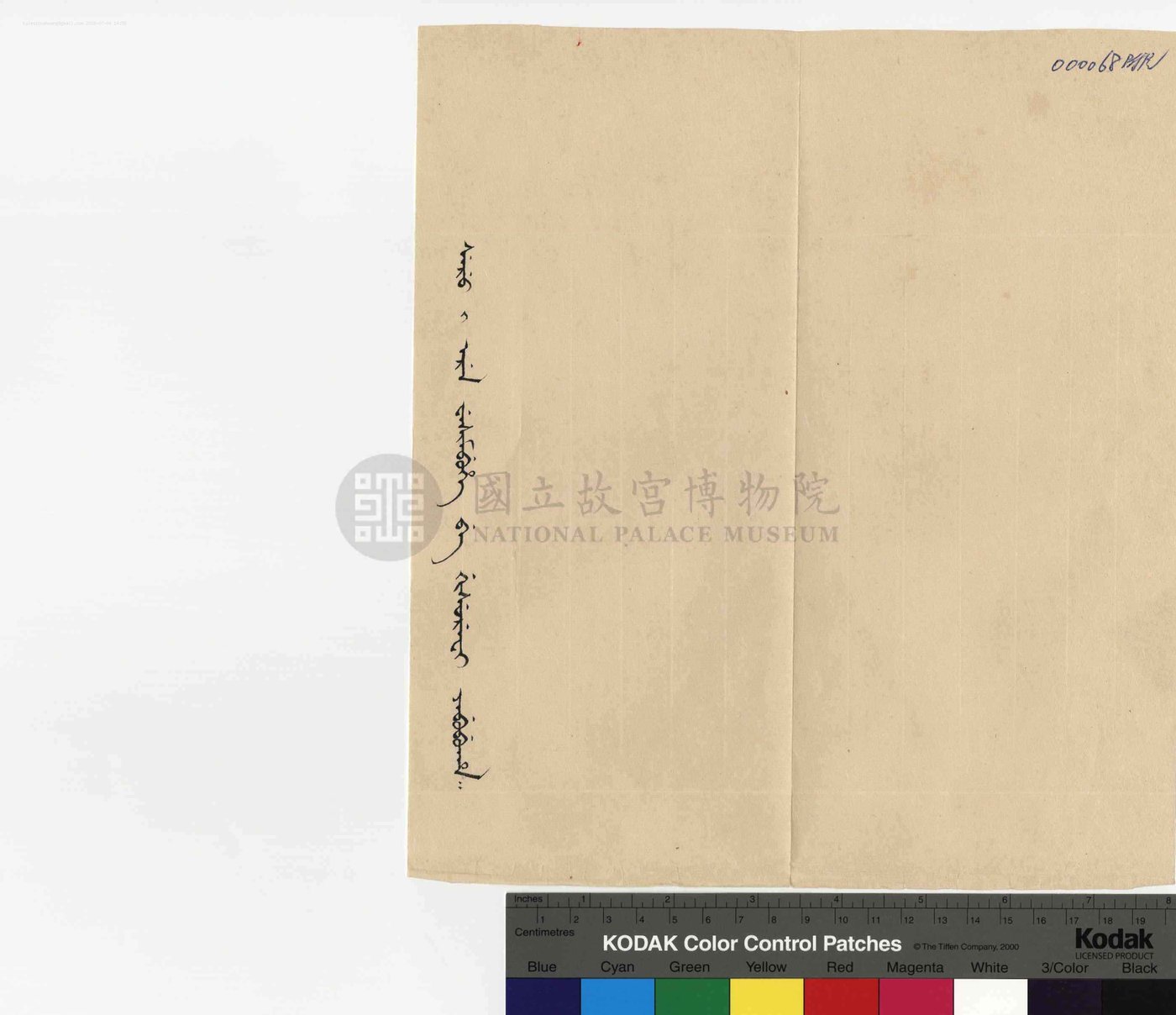
這是一位叫色爾謹的宗人府官員給皇帝上的奏摺,他覺得當時對皇族近支和遠支犯罪的處理不公平:犯了死罪的遠支覺羅居然要和普通百姓一樣交由刑部判死刑,而近支宗室卻能直接圈禁了事。他請求今後無論宗室還是覺羅,犯重罪都得先依據正式法律定罪,再照顧皇族身份改判終身監禁,皇帝同意了這個提議。
我是宗人府負責查辦案件的官員、大臣、宗室名叫 Seru。這次上奏,是爲請求把治罪時如何引用律例的事情講清楚。 臣 Seru 我仔細琢磨,原來定下的規矩是:宗室和覺羅,如果犯了叛逆、從軍營逃跑這類大罪,被判處死刑的,就革去腰帶,按照法律處置。宗室要是因爲毆打致人死亡、貪贓等罪判了死刑,就用鐵索鎖住,關在高牆裏永遠監禁。覺羅要是判了死刑,卻跟普通人一樣,定下死罪,會審之後記入檔案再審理。宗室犯了枷號、鞭笞的罪,都可以交贖金免刑;覺羅犯了這類罪,就跟普通人一樣,戴枷、挨鞭子。雍正十二年四月,皇上降旨說:原定的規矩,宗室犯枷號鞭笞的罪,都交贖金;覺羅犯同樣的罪,照常人的條例辦。我想,覺羅說到底也是宗室一支,如果全按常人的規矩治罪,那宗室和覺羅就相差太大了,跟平頭百姓沒什麼區別。而且宗室犯了枷號鞭笞的罪,都用贖金抵掉,他們也就不懂得害怕。從今往後,宗室覺羅如果再犯枷號鞭笞的罪,應該根據罪行輕重,分定年份期限,一律交給宗人府,要麼單純關押,要麼用鐵索鎖住關押,期滿就放出來,用這個來抵他們的罪。這樣一來,覺羅治罪跟普通人有了區別,宗室也能知道畏懼。至於如何根據罪行輕重分別定年限,命宗人府會同該管部門議定後上奏。欽此。我們恭敬地遵照旨意,會同刑部議定了:宗室覺羅如果犯充軍之類的輕罪,都關進高牆監禁,期滿釋放。但平常的死罪還沒有統一議定。如今宗室判了死罪的,不引用通常的法律,只因爲是宗室,就上奏請用鐵索鎖住關在高牆裏。覺羅判了死罪的,仍然像普通人一樣,定擬死罪,會審入檔審理。覺羅也是皇族的一支,請求從今以後,覺羅會審入檔審理的做法停止,宗室覺羅治罪的條例都歸於一。宗室覺羅犯充軍等輕罪的,照已經議定的上奏之外,如果犯死罪並應永遠監禁的,務必援引定例,定擬死罪,因是宗室覺羅,上奏請用十條鐵索永遠監禁。不到死罪的,也同樣援引定例奏報。臣 Seru 我把自己管見所及慎重地具折上奏。是否可行,請皇上明鑑裁定。爲此謹奏。雍正十三年十一月十六日。 本奏章經議政王大臣等會商討論後,准予施行。
宗人府稽查事務之稽查官大臣宗室色爾謹奏:為請將治罪各款必引律例事。臣色爾伏思,原定例載:宗室、覺羅等,凡犯從逆逃兵等項重大死罪者,縛帶正法;宗室毆斃人命等死罪者,繫鐵索圈禁高牆永遠監禁;若覺羅,則視同平人,擬定死罪,入於審擬檔案審理;宗室犯枷責之罪者,俱准折贖;覺羅則照常人之例,枷號鞭責。雍正十一年四月內頒降諭旨:原定例,宗室等犯枷責之罪者悉准折贖,覺羅等犯枷責之罪者照常人之例辦理。臣思覺羅亦係宗室一體,若概照常人之例治罪,則宗室與覺羅截然有別,似與常人無所區別;若宗室等犯枷責之罪悉准折贖,則彼等亦不知畏懼。嗣後宗室、覺羅若犯枷責之罪,應視其罪情輕重,酌量分別年分限期,即於宗人府衙門或白圈禁或繫鐵索圈禁,滿日釋放,抵其罪責。如此則覺羅治罪既別於常人,宗室等亦知懼戒。如何視罪行輕重酌量分定年限之處,著宗人府衙門會同該部一併妥議具奏。欽此。欽遵。經宗人府衙門會同刑部議定:宗室、覺羅犯充軍等輕罪者,俱圈禁高牆,期限滿日釋放;至如常例之死罪,未經一體議定。宗室犯死罪者,不引正律正例,僅以宗室之故,奏請繫鐵索圈禁高牆;覺羅犯死罪者,仍照常人之例擬定死罪,入於審擬檔案審理。覺羅亦屬天潢一派,請自今以後,停止覺羅等入於審擬檔案審理之例,將宗室、覺羅治罪之例,俱一體妥定。除宗室、覺羅犯充軍等輕罪,照依所定圈禁奏聞外,若罪至死罪應予永遠監禁者,必須援引奉頒律例擬定死罪,並以宗室、覺羅之故,奏請繫鐵索十道永遠監禁等因,逐細定議具奏;其罪未至死罪者,亦應援引奉頒律例擬定具奏。臣色爾謹將管見之處,繕摺奏陳。是否可行,伏候聖主明鑑。為此謹奏。雍正十三年十一月十六日,稽查侍衛莽古賚、辛丹、色爾奏。此奏得旨議行。
A memorial from Seru, the investigating official of the Office of the Imperial Clan, minister, and imperial clansman, respectfully submitted: concerning the matter of requesting that, in punishing crimes, the statutes and precedents must be cited. Your minister Seru humbly reflects that originally it was stipulated: when imperial clansmen (Uksun) and Gioro commit major capital offenses such as rebellion or desertion from the army, they shall be bound and executed according to law; when an imperial clansman kills a person by beating and thus deserves the death penalty, he shall be bound with iron chains and imprisoned inside the high wall in perpetual confinement; as for the Gioro, they shall be treated like ordinary people – the death penalty shall be proposed, entered into the trial files, and adjudicated; when imperial clansmen commit offenses punishable by cangue or flogging, all may redeem the punishment by paying a fine; the Gioro, however, shall wear the cangue and be beaten in accordance with the precedents for ordinary people. In the fourth month of the eleventh year of Yongzheng, an edict was issued: according to the originally established precedents, whenever imperial clansmen commit offenses punishable by cangue or flogging, they are all allowed to redeem the punishment, while the Gioro who commit such offenses are dealt with according to the precedents for ordinary people. Your minister thinks that the Gioro are also of the same imperial lineage; if they are all punished according to ordinary precedents, then imperial clansmen and Gioro will differ drastically, and yet they will not be distinguished from ordinary people; if imperial clansmen who commit offenses punishable by cangue or flogging are all allowed to redeem, they will neither know fear nor restraint. Henceforth, if imperial clansmen or Gioro commit offenses punishable by cangue or flogging, the gravity of the offense should be considered, and the period of years and months should be determined accordingly; then, at the Office of the Imperial Clan, they should either be confined in the “white” prison or bound with iron chains, and upon completion of the term they should be released, thus requiting their crime. In this way, the punishment of the Gioro will be distinguished from that of ordinary people, and the imperial clansmen will also know fear. As to how to assess the gravity of offenses and delimit the term of years accordingly, let the Office of the Imperial Clan together with the relevant boards deliberate and memorialize. Respect this. In respectful compliance, the Office of the Imperial Clan together with the Board of Punishments deliberated and decided: imperial clansmen and Gioro who commit minor offenses such as military banishment shall all be confined inside the high wall and released upon completion of their terms; as for capital offenses comparable to ordinary precedents, no uniform decision was made. When an imperial clansman commits a capital offense, the regular statutes and precedents are not cited; rather, because he is an imperial clansman, it is memorialized that he be bound with iron chains and confined inside the high wall. When a Gioro commits a capital offense, the death penalty is still proposed, the case entered into the trial files, and adjudicated as with ordinary people. The Gioro are also descendants of the Heaven-sent lineage. It is requested that from now on, the practice of entering the Gioro into the trial files and adjudicating be stopped, and the precedents for punishing imperial clansmen and Gioro be uniformly fixed. Apart from minor offenses such as military banishment for imperial clansmen and Gioro – to be handled by confinement as decided and memorialized – if they reach offenses deserving the death penalty and perpetual imprisonment, the codified statutes and precedents must be cited, the death penalty proposed, and because they are imperial clansmen or Gioro, it should be memorialized that they be bound with ten iron chains and confined in perpetuity, with careful deliberation and detailed memorials. For those who do not reach the death penalty, the codified statutes and precedents should likewise be cited and proposals submitted. Your minister Seru respectfully presents what he has heard and known; whether it is feasible or not is for the sagacious emperor to discern. Respectfully memorialized. Yongzheng 13th year, 11th month, 16th day. Investigating guard officers Manggūrai, Sindan, and Seru. This memorial was discussed and approved.