奏請收買無家產遊民為跟役事(附件:諭旨一道伊蘭泰此奏議行irantai i ere wesimbuhe be gisurefi yabubuha)
Yongzheng-era memorial
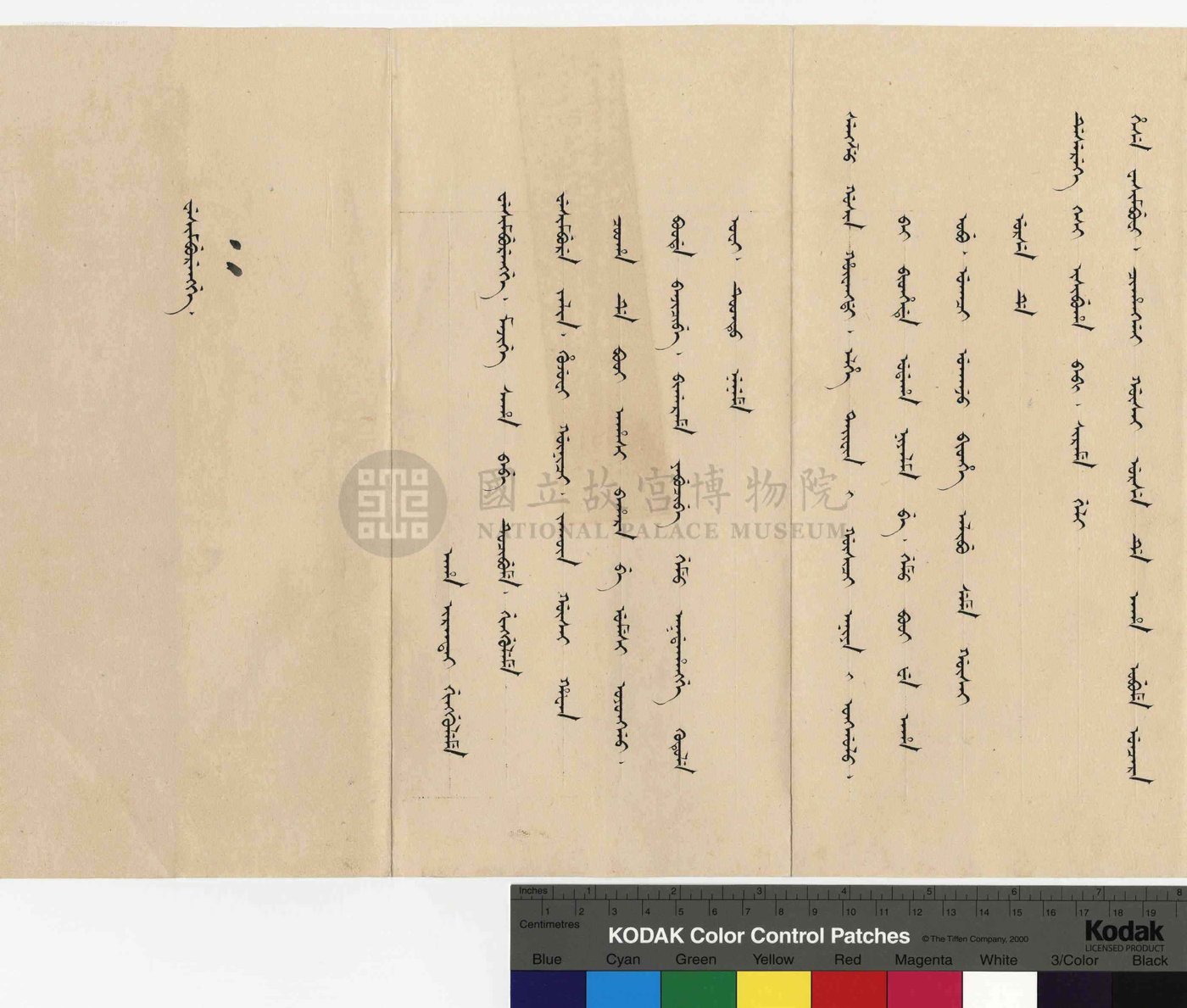
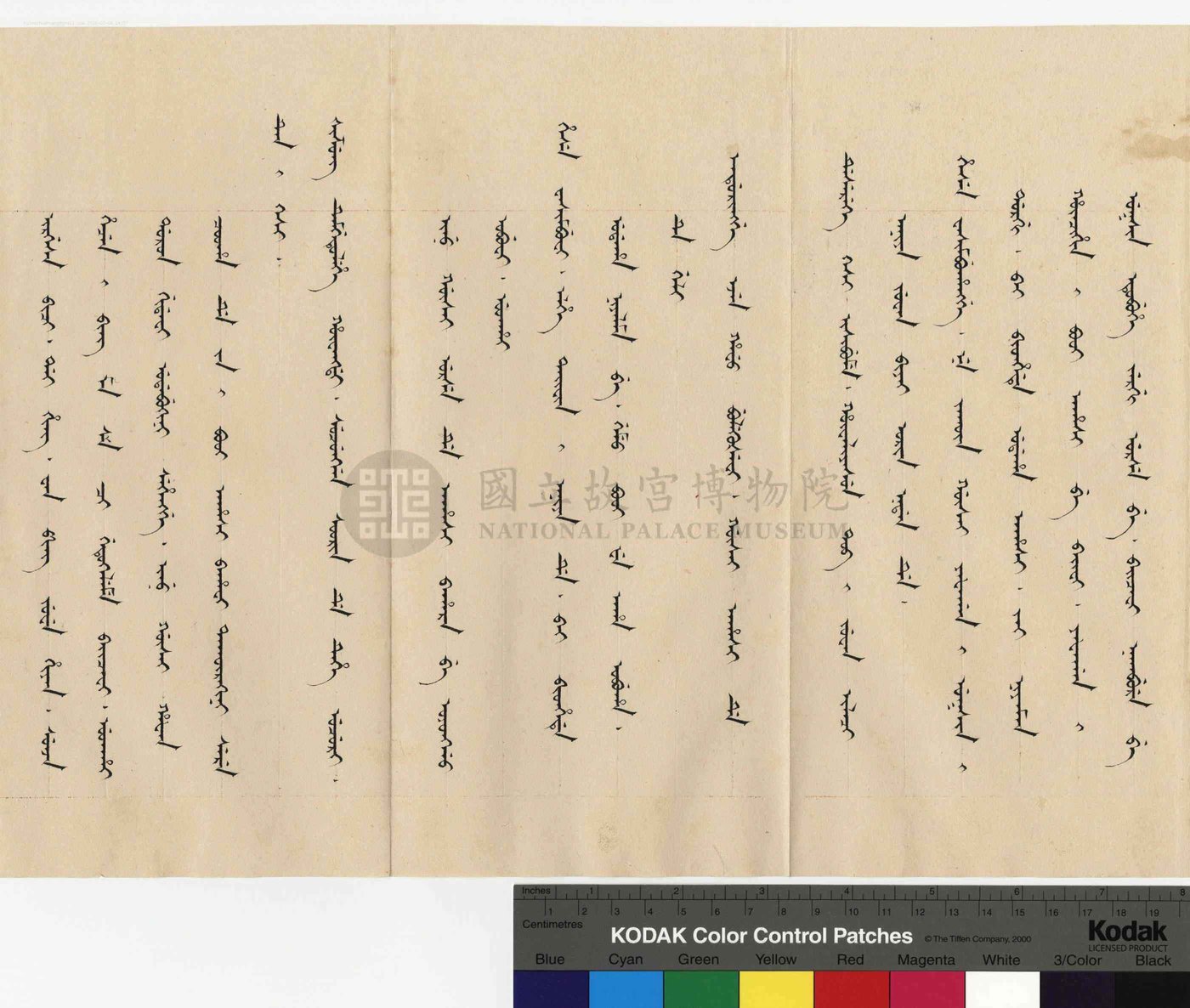
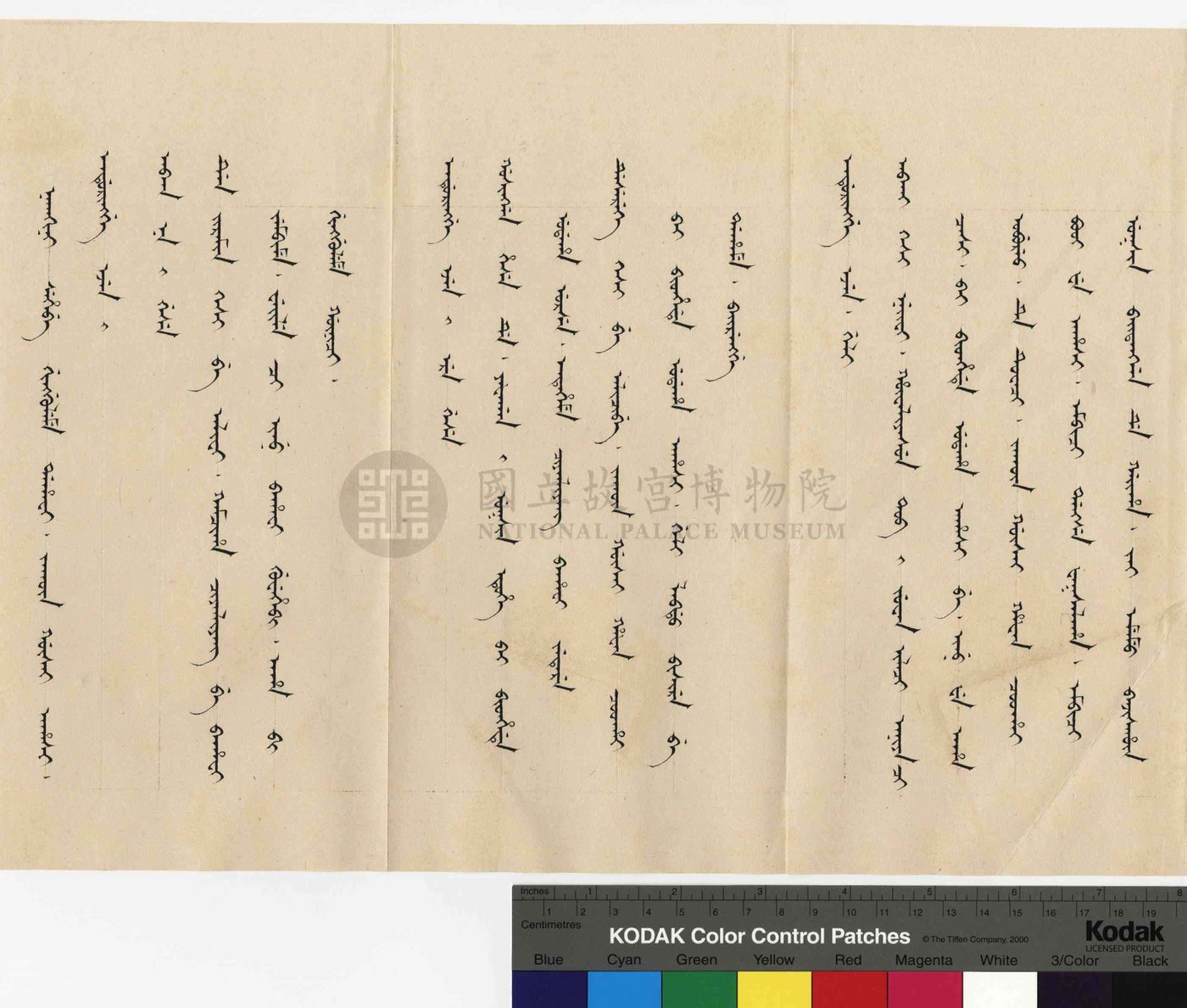
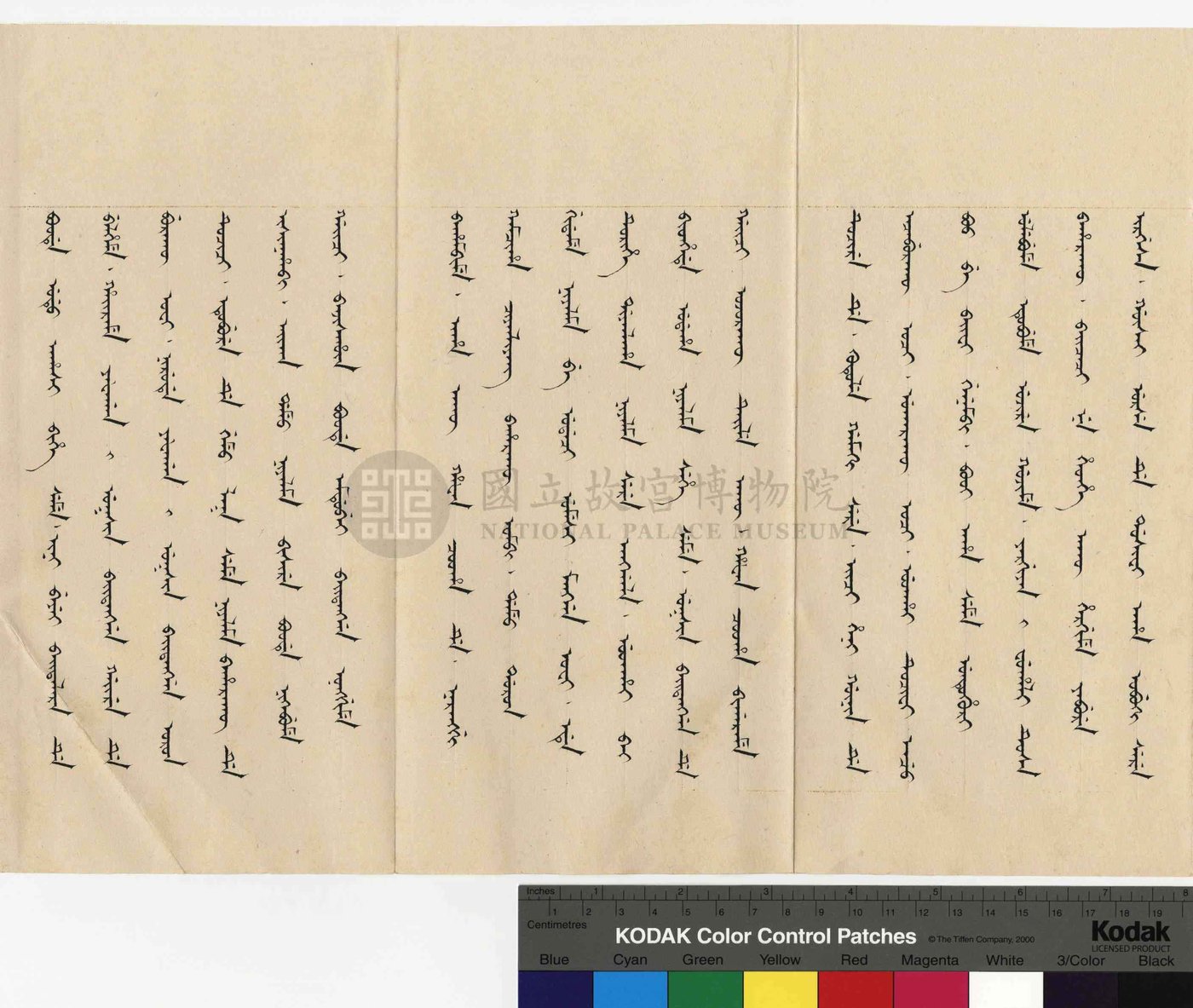
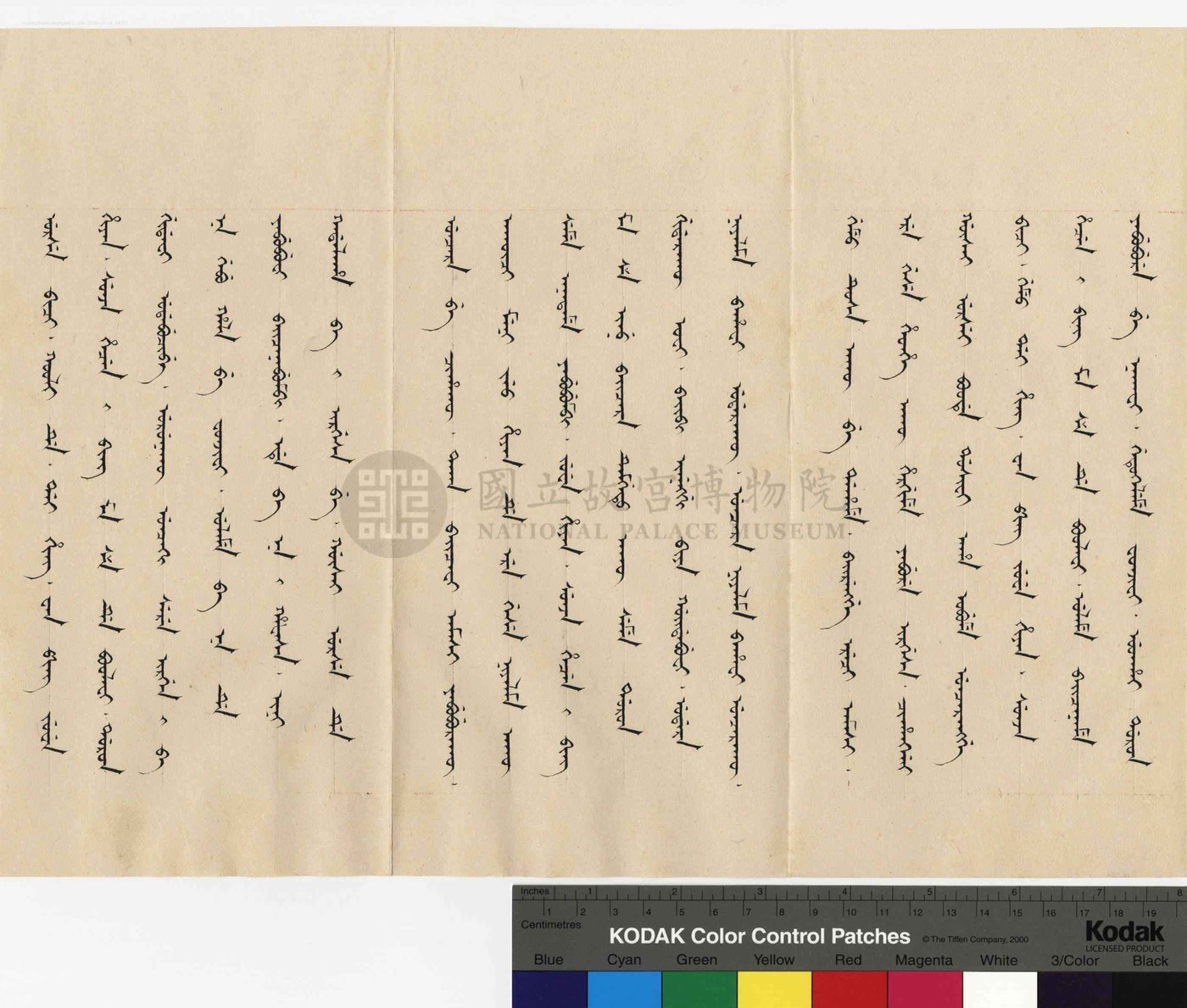
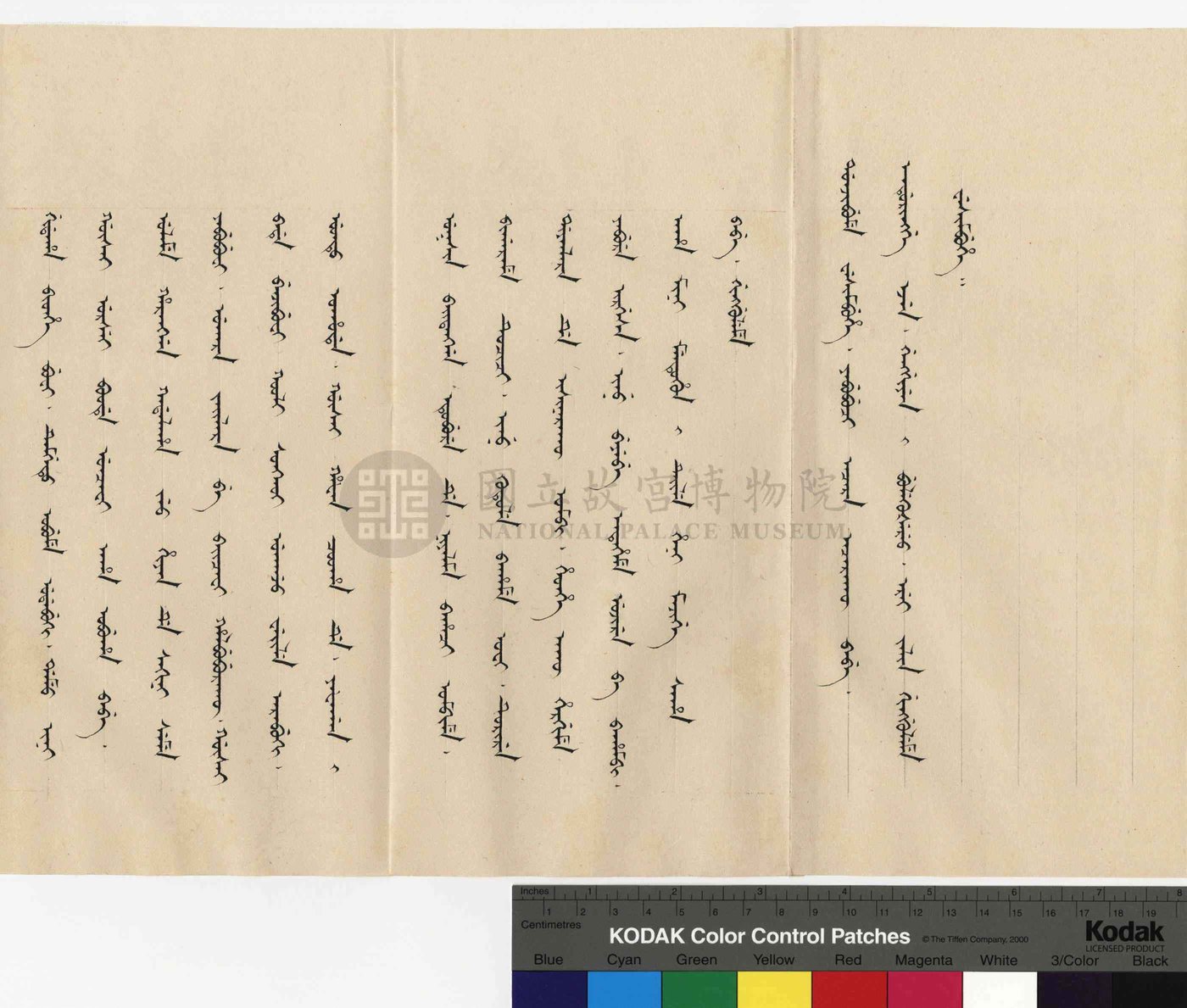
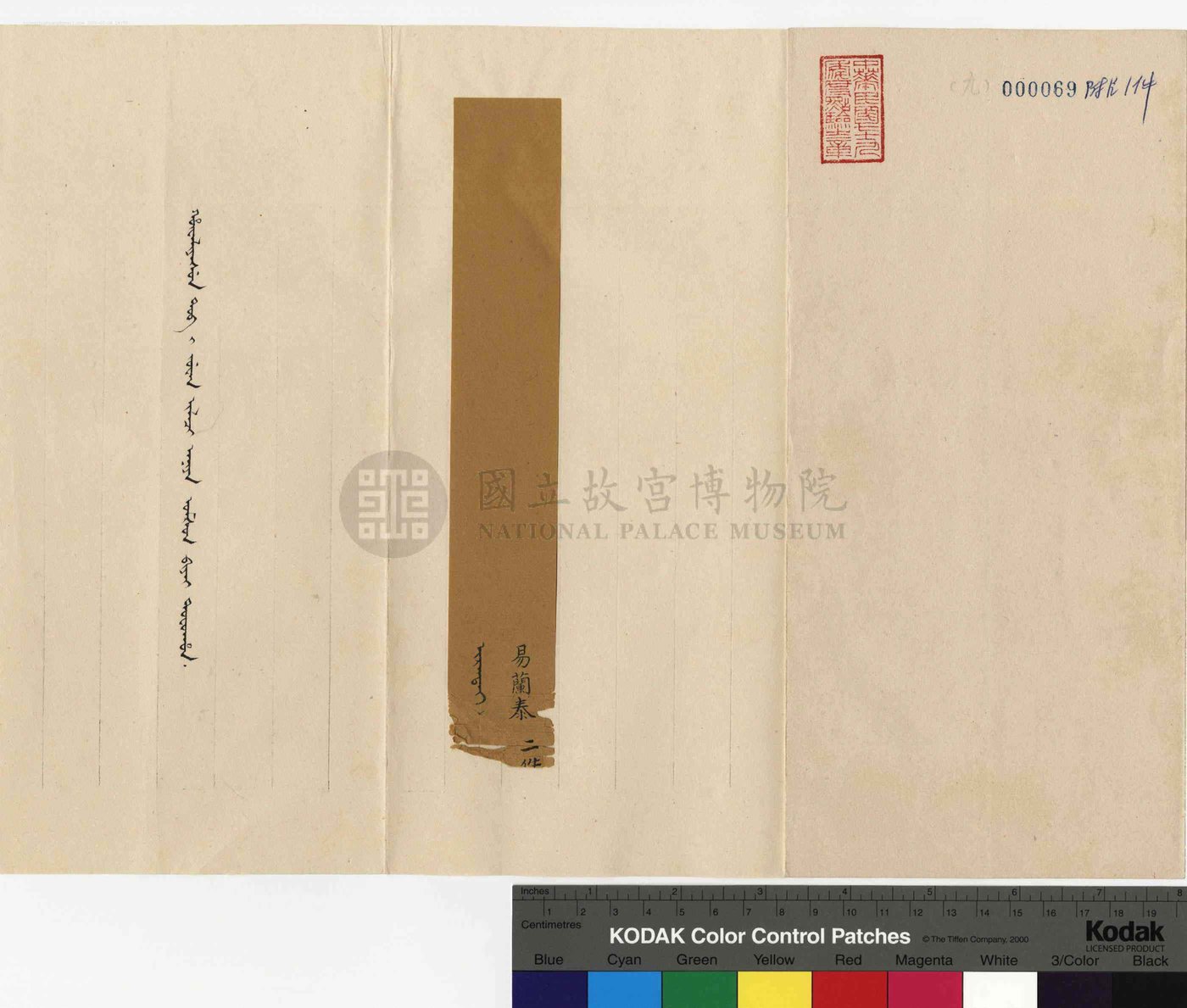
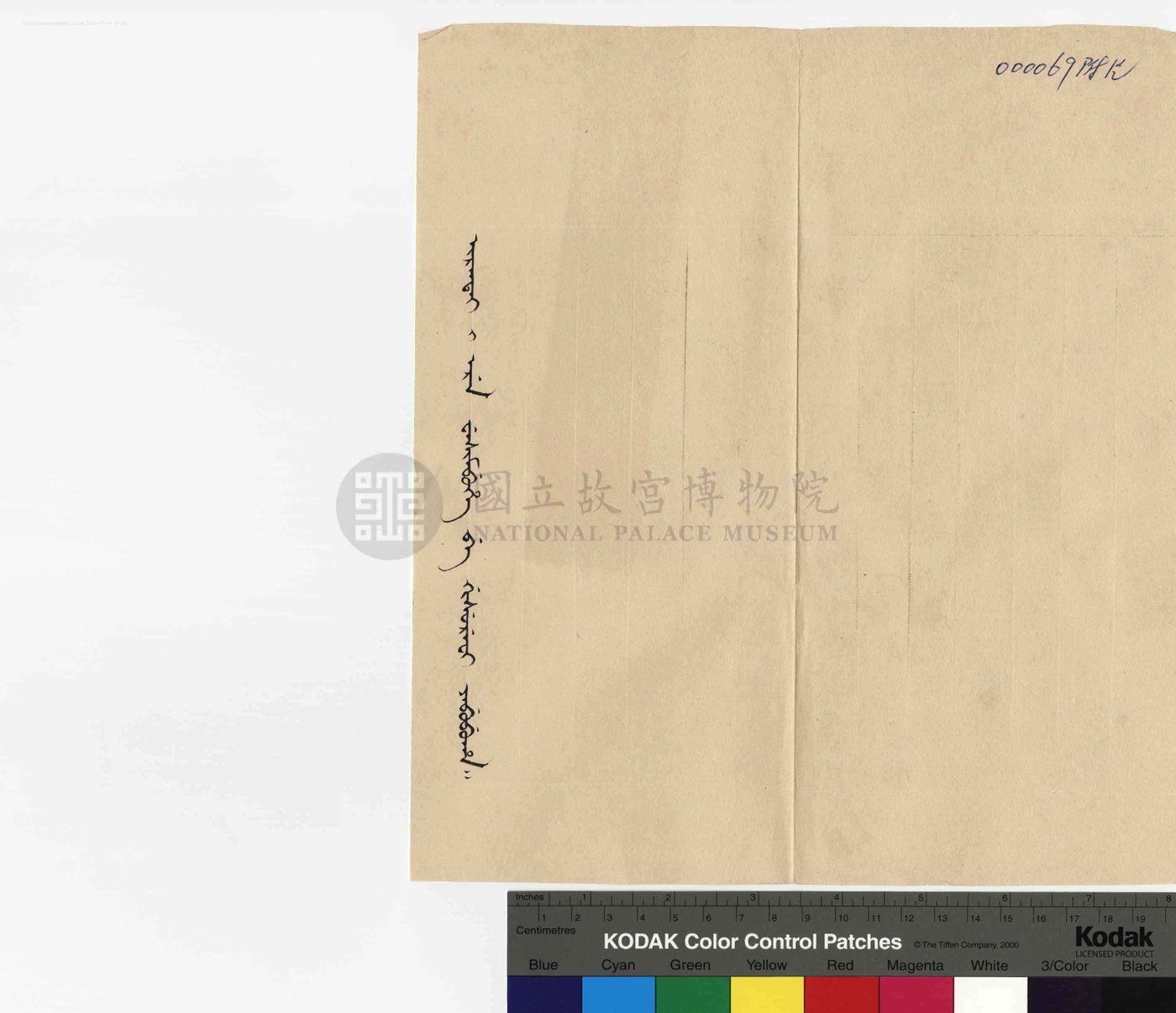
奴才伊拉依上奏,認為八旗官員和兵丁家裡很缺可供使喚的家奴,但現在買奴程序太麻煩,地方官府常常推託不給蓋印批准。他建議皇上簡化程序,讓想賣身的人直接在京城相關衙門報備蓋印就好,這樣八旗官兵可以方便買到人來當差或跟隨出征,窮困百姓也能有個活路,最後這建議被採納施行。
奴才伊拉阿恭謹上奏。我有一些粗淺的看法,想跟皇上說說。回想起來,八旗的官兵能得到家奴用,這件事特別重要。不管是在家過日子還是出門辦事,他們依靠的無非就是跟馬的奴僕。所以從前聖祖仁皇帝(康熙)年間,就降下過旨意,把民間用白契買來的人都一概算作戶下世代爲奴的陳人,還給逃走的奴僕立下交逃牌的辦法,這對旗人來說真是天大的恩典。接着,又下旨說,情願把自己賣給旗人當奴僕的老百姓,由大興、宛平兩個縣和五城兵馬司查問清楚之後,馬上蓋上官印准許買賣。這也是爲了讓八旗官員和兵丁能夠比較容易地得到家奴使喚,算是極重的恩典。世宗憲皇帝(雍正)剛登基的時候,也把讓旗人得到家奴看得很要緊,馬上降旨,把康熙年間白契買來的人都按戶下陳奴看待。如今皇上您聖明洞察,又屢次對旗人的家奴施加重恩。乾隆十三年十月二十七日下旨說:“現在八旗步甲兵裏頭,有的是用白契買家奴或者親戚的家奴頂替的,這類人要查出來,不許再這麼辦。”我奉命照辦之後,八旗那些家奴們承受了皇上像天高地厚一樣的恩德,得到了隨帶的錢糧,既能喫上飯,又免了罪罰。 我恭恭敬敬地想,皇上這樣的恩旨,讓那些本來被白契買去當步甲兵的人,得以長久地領錢糧,享受飽暖厚恩。可是八旗官兵裏,用白契買家奴的情況還有很多。因此我請求,懇請皇上再開天恩,把乾隆十三年以前白契買家奴的人,也照前例當作陳奴對待吧。 現今看八旗官兵家裏那些陳奴,有的因爲分檔立冊,有的被派了披甲的差役,還有些窮困人家雖然有幾個家奴,卻都留在自己身邊使喚,不肯派出去充當步甲差役。這麼一來,牛錄裏遇上步甲缺出二十個人要補的時候,就完全找不到人來頂。要是隻管往人口多的人家攤派,窮困的人家差役會越派越多,那些沒有家奴的官兵也會領不到隨帶錢糧。可是要蓋上官印順順當當買個人,又非常爲難。因此,不僅有人逃走、散失,就是那些白契買來的人,也沒法子正式頂補披甲差役。 官兵出去辦差想帶個跟班,要是這個家奴稍微不合他心意,不是偷偷跑掉,就是乾脆溜出去投了別的人家。名份上是家奴,實際上白白給他喫、給他穿地養着,仔細一想,真是一點好處都沒有。 再查現在有一些沒產業、四處遊蕩的老百姓,願意投到旗人家裏當奴僕。原本的規矩是把他們報到大興、宛平兩縣和五城兵馬司,經過蓋印準買,但必須問清楚賣身人的原籍、姓名,再發文讓原籍地方去查。那些地方官往往不樂意看到自己治下的百姓賣給旗人,查了之後就拖着不辦,或者乾脆迴文說“我們這州縣沒這個人”當作搪塞。兩縣和兵馬司也因爲沒拿到地方的查證憑據,不肯蓋印。就這麼白白拖上許多日子、許多月份,買主得不着人白忙活,賣主想賣也賣不出去,兩邊都沒好處。 因此,我請求今後這類沒產業、遊蕩的民人,凡是自己情願投靠旗人家裏做奴僕的,只消報到大興、宛平兩縣和五城兵馬司,不用再叫地方查來查去了;當面問清楚後,立刻就給蓋印文書作爲憑據,准許購買。只要把他們賣給某旗某家當奴僕的事情,發文告知該管的州縣官員知道,讓他們去查拿逃人時不至於疏漏,並將逃人解回旗裏按逃人例治罪就行了。 這樣辦的話,八旗的官員兵丁在派步甲差役時就有人可用,查拿逃人時也能帶上跟班,不至於發生逃散的情形;那些沒產業的遊民,也能借此長久養活自己。我見識愚昧,只把這一點兒觀察到的情形恭謹地奏報上去。可行與否,請皇上聖明鑑察。因此恭謹上奏。 乾隆十三年十一月十五日,伊林泰這份奏議,經過議論奉旨準行。
奏為奴才伊拉依謹奏,略知一二,為此具陳謹奏。伏思八旗官員兵丁得獲家奴,實為至要。居家度日,外出奔走,皆賴跟役。是以先於〔?〕天聰年間以前,將買賣人口盡歸舊奴,並令逃人遞交文書,以廣施恩澤於八旗人等。續又降旨,願將八旗人等為奴,賣與民人者,由大興、宛平二縣及五城兵馬司查明,即行蓋印,準其購買。此亦為使八旗官兵易得家奴,以供驅使,此乃極恩。神宗〔?〕憲皇帝初登寶位時,亦以八旗人等得奴為重,即降旨,於〔?〕安年間,將買賣人口盡歸舊奴。又,聖主洞鑒,廣施恩澤於八旗奴。於〔?〕十三年十月二十七日降旨:今八旗步兵及買賣之奴,並親戚家奴,求取步兵者,查即停止。欽此。欽遵。八旗奴仰承聖主天高地厚之恩,兼得錢糧而食,並從罪獲免。奴才竊思,聖主此等諭旨,步兵及買賣人等永得錢糧、食廣恩,然八旗官兵買賣之奴尚多,伏請聖主再開天恩,自〔?〕十三年以後,將買賣之奴亦作為舊奴否?今觀之,八旗官兵家奴,或經撥檔分散,或因步兵差使取用,再如貧困之家,雖有少奴,備以己用,不給步兵差使,以致每佐領下步兵差使二十人充差,竟無人可得。若但於有奴之家勒取,則貧困之家差使頻增,致無奴官員〔?〕,兼錢糧不得。因蓋印買人甚難,故窮困者無論,即買賣之人,亦不可為步兵差使,而官員兵丁苟且出征時,欲帶跟役,或稍不合意,即逃,即出另尋房舍而去,雖名為家奴而白白衣食豢養,實則全無益處。查現無業遊民有欲入旗為奴者,例於大興、宛平二縣及五城兵馬司呈報,蓋印準買,但必問賣民之地名姓名,轉行地方覈查。因此,地方官不欲以所管之民賣與旗人,暫為查而不行,或稱本州縣無此等人,以虛言結報。二縣五城兵馬司亦以無覈查憑證,不肯蓋印,枉費日月,致買人者不得買,賣人者不得賣,皆無益。伏請嗣後,凡無業遊民情願投旗家為奴者,俱於大興、宛平二縣及五城兵馬司呈報,停止轉行覈查,明白訊問,即給蓋印文書,作為憑證準買。但將賣與旗人為奴之處,轉行該管州縣知之,以備稽查逃逸,解回旗處,照例治以逃罪。如此,則八旗官兵得人以充步兵差使,且出征時亦得跟役,不致窮困。無業遊民亦得永為養活之所。奴才僅以愚昧,略知一二,謹奏聞。應行與否,聖主明鑒。為此謹奏。於〔?〕雍正十三年十一月十五日,伊林泰等議,此奏施行。
Memorandum: I, the slave Irai, humbly submit this memorial. I venture to think that obtaining household slaves is of utmost importance for the officials and soldiers of the Eight Banners. Whether staying at home or traveling outside, they all rely on slaves and footboys. Thus, earlier, before the Tiancong reign〔?〕, all persons bought and sold were made household slaves by old custom, and deserters were ordered to submit documents, thereby extending grace to the banner people. Subsequently, an imperial edict was issued again, allowing those who voluntarily sold themselves as slaves to banner people to be legally purchased after investigation by the Daxing and Wanping counties and the Wucheng military command, with official seals affixed immediately. This was also to enable banner officials and soldiers to easily obtain household slaves for service—an act of profound grace. When the Shenzong〔?〕Xian Emperor first ascended the throne, he also prioritized the acquisition of slaves by banner people, issuing an edict that, in the〔?〕peaceful year, all persons bought and sold should be made household slaves by old custom. Furthermore, the Holy Lord, with keen insight, extended abundant grace to the banner slaves. On the 27th day of the 10th month of the〔?〕13th year, an imperial edict decreed: "Now, among the Eight Banners infantry and those bought and sold as slaves, as well as relatives’ household slaves, those seeking to be taken as infantry shall be investigated and stopped." Respectfully obeying this, the banner slaves, bearing the vast grace of the Holy Lord, akin to Heaven and Earth, received additional stipends and food, and were even spared from punishments. I, your slave, humbly consider that under such edicts, infantry and those bought and sold may earn stipends and receive generous grace forever, but there remain many slaves bought and sold by banner officials and soldiers. I implore the Holy Lord to once more bestow heavenly grace: from the〔?〕13th year onward, might those slaves bought and sold also be made household slaves by old custom? Observing the present, the household slaves of Eight Banners officials and soldiers are either separated through registry reassignments or requisitioned for infantry duties. In impoverished households, even if a few slaves exist, they are kept for personal use and not assigned to infantry duties, so that when twenty infantry duties per company are allocated, no one can be found. If forced levies are imposed only on households with people, impoverished households will face ever-increasing duties, resulting in officials〔?〕 without slaves and the loss of combined stipends. Because purchasing people with official seals is extremely difficult, it causes hardship. Not to mention those bought and sold, even for infantry duties they cannot be taken. Moreover, when officials and soldiers go on campaigns, they wish to bring footboys. If there is any lack of accord, slaves flee, leave, and seek other homes, saying, "As household slaves, we are fed and clothed but gain no real benefit." Investigation shows that among the wandering and jobless commoners who wish to enter banners and become slaves, according to precedent, they should report to the Daxing and Wanping counties and the Wucheng military command, affix seals, and be authorized for purchase. However, the names and localities of the selling commoners must be inquired and forwarded to local authorities for verification. Consequently, local officials, unwilling to have people under their jurisdiction sold to banner people, temporarily investigate but delay forwarding reports, or falsely claim that no such persons exist in their counties. The two counties and the Wucheng command likewise refuse to affix seals due to lack of verification proof, wasting days and months. Thus, buyers fail to buy, sellers fail to sell, and none benefit. I implore that henceforth, for any wandering and jobless commoners who voluntarily enter banner households to become slaves, they shall all report to those two counties and the command; stop forwarding for verification; conduct clear inquiries and immediately issue sealed documents as proof of purchase. However, the fact of selling oneself as a slave to a banner household shall be forwarded to the responsible prefecture or county for acknowledgment, so as to facilitate checks on escapees, who shall be escorted back to the banners and punished according to the law for desertion. In this way, Eight Banners officials and soldiers will obtain people to fill infantry duties, and on campaigns, they will also have footboys, thus avoiding destitution. The wandering and jobless commoners will likewise gain a permanent means of livelihood. I, your slave, relying solely on my meager understanding, humbly present what little I know for consideration. Whether it is appropriate to implement, let the Holy Lord illuminate with his sagely discernment. For this purpose, I humbly submit this memorial. On the 15th day of the 11th month of the〔?〕13th year of Yongzheng, Irintai and others deliberated and implemented this memorial.