奏陳於黑龍江將軍衙門轄區補放官員教授翻譯人員及增設驛站等事
Yongzheng-era memorial
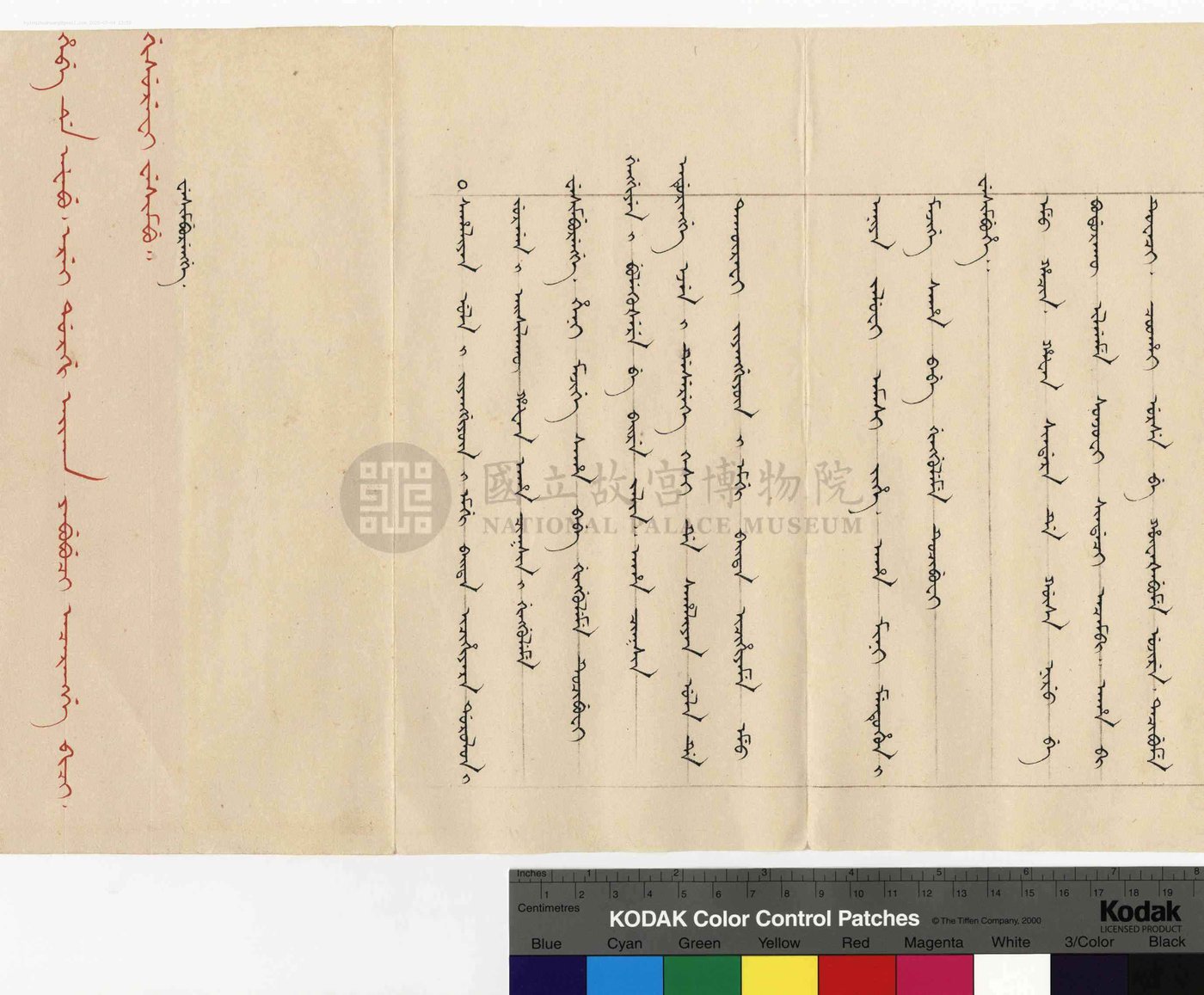
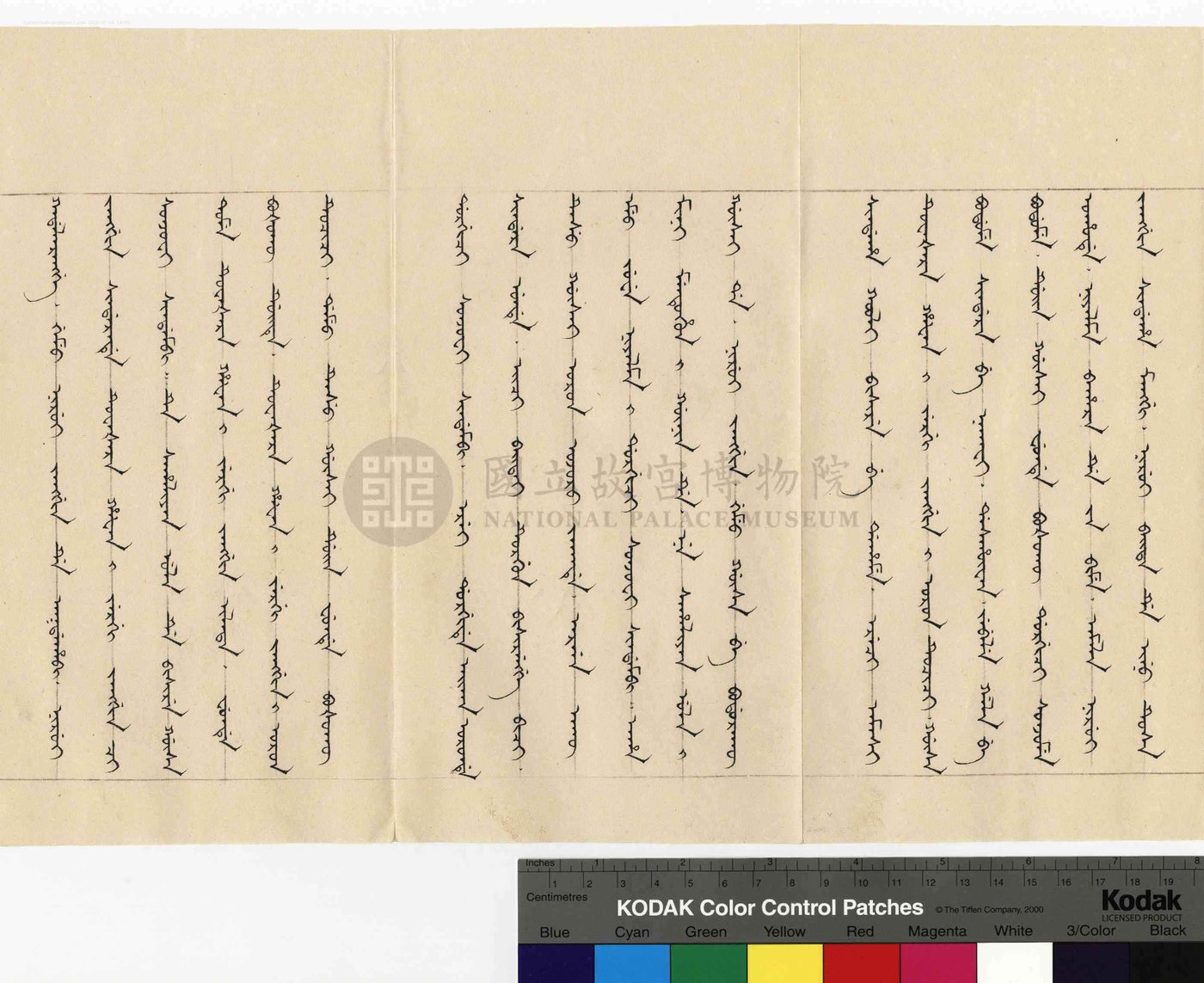
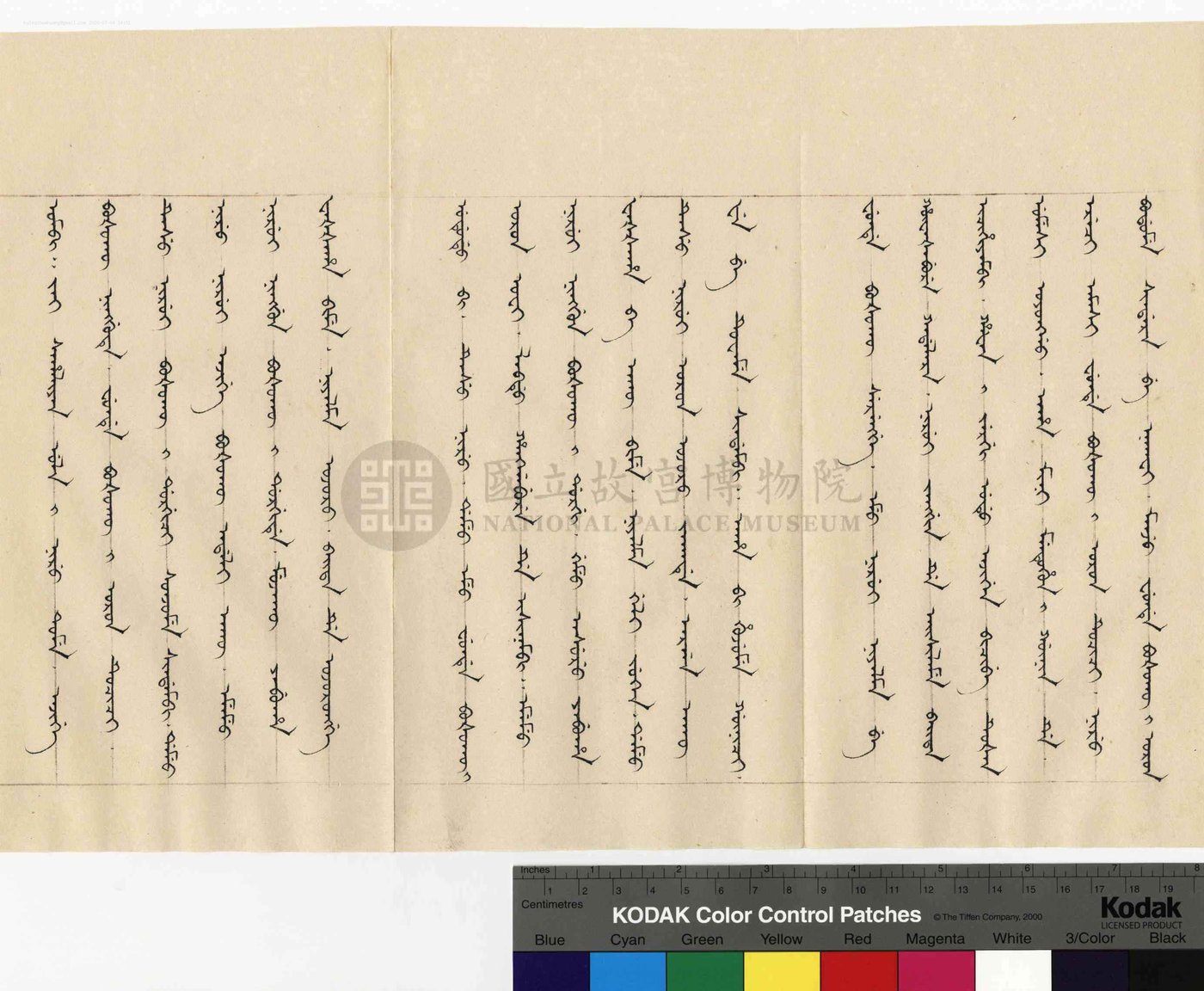
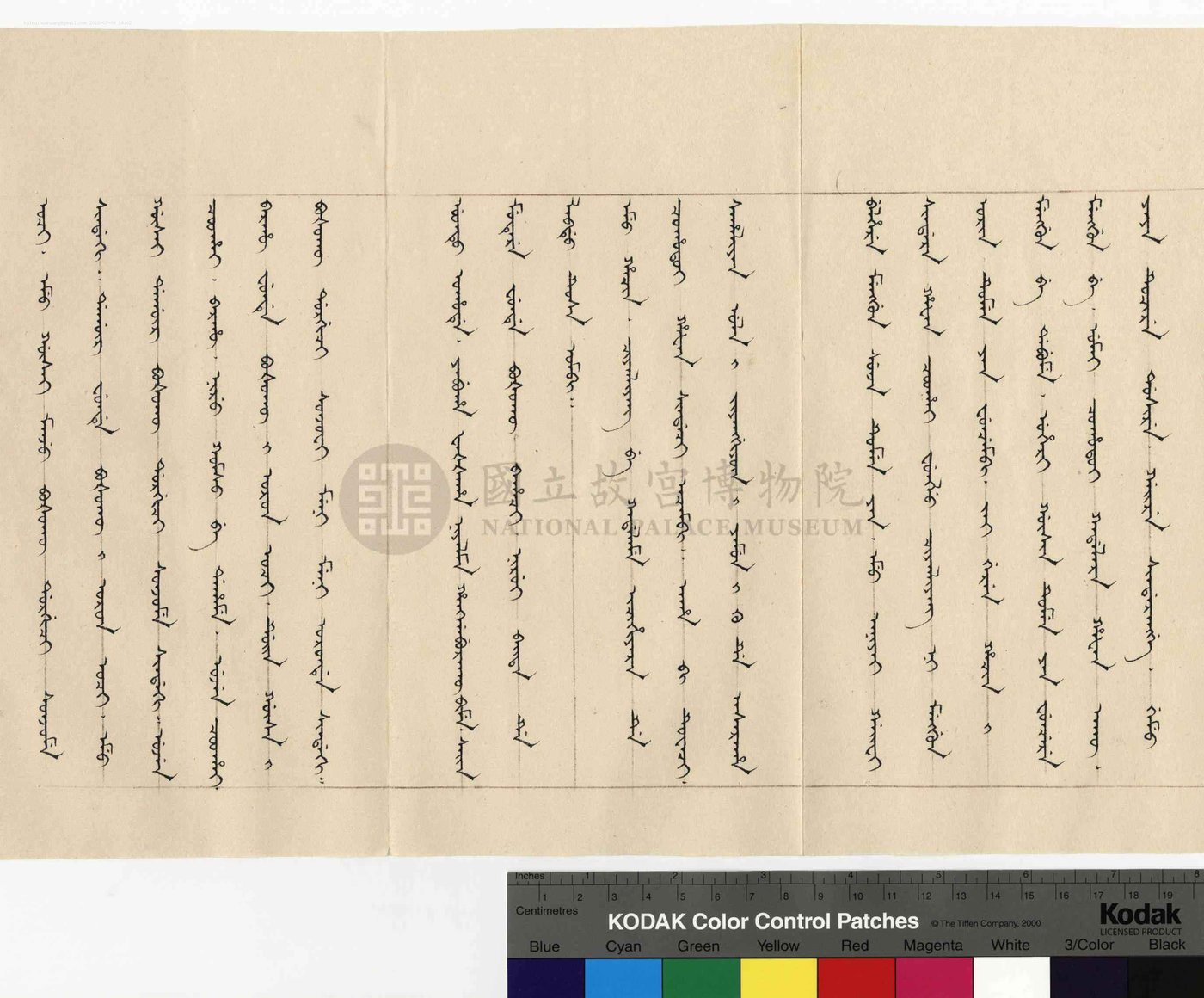

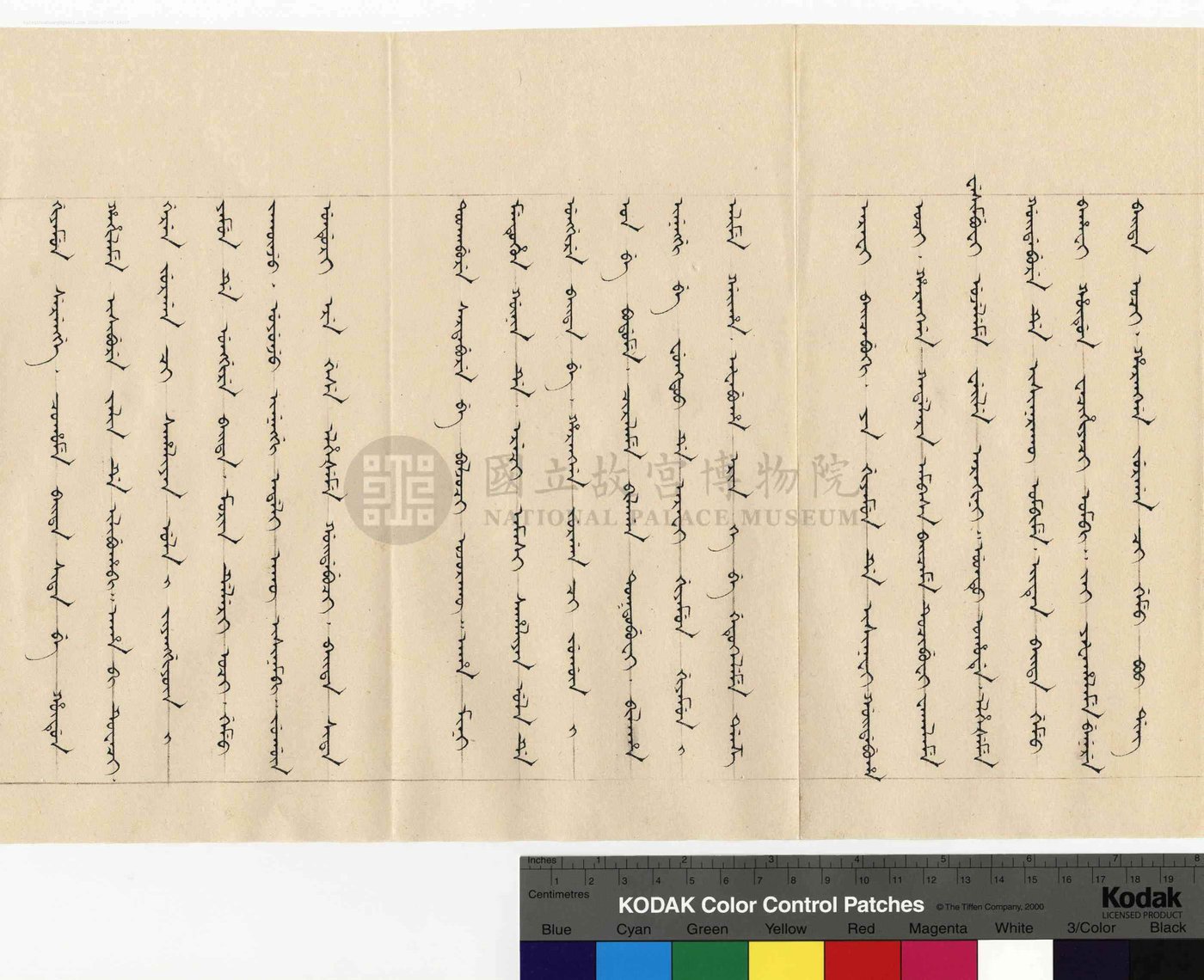
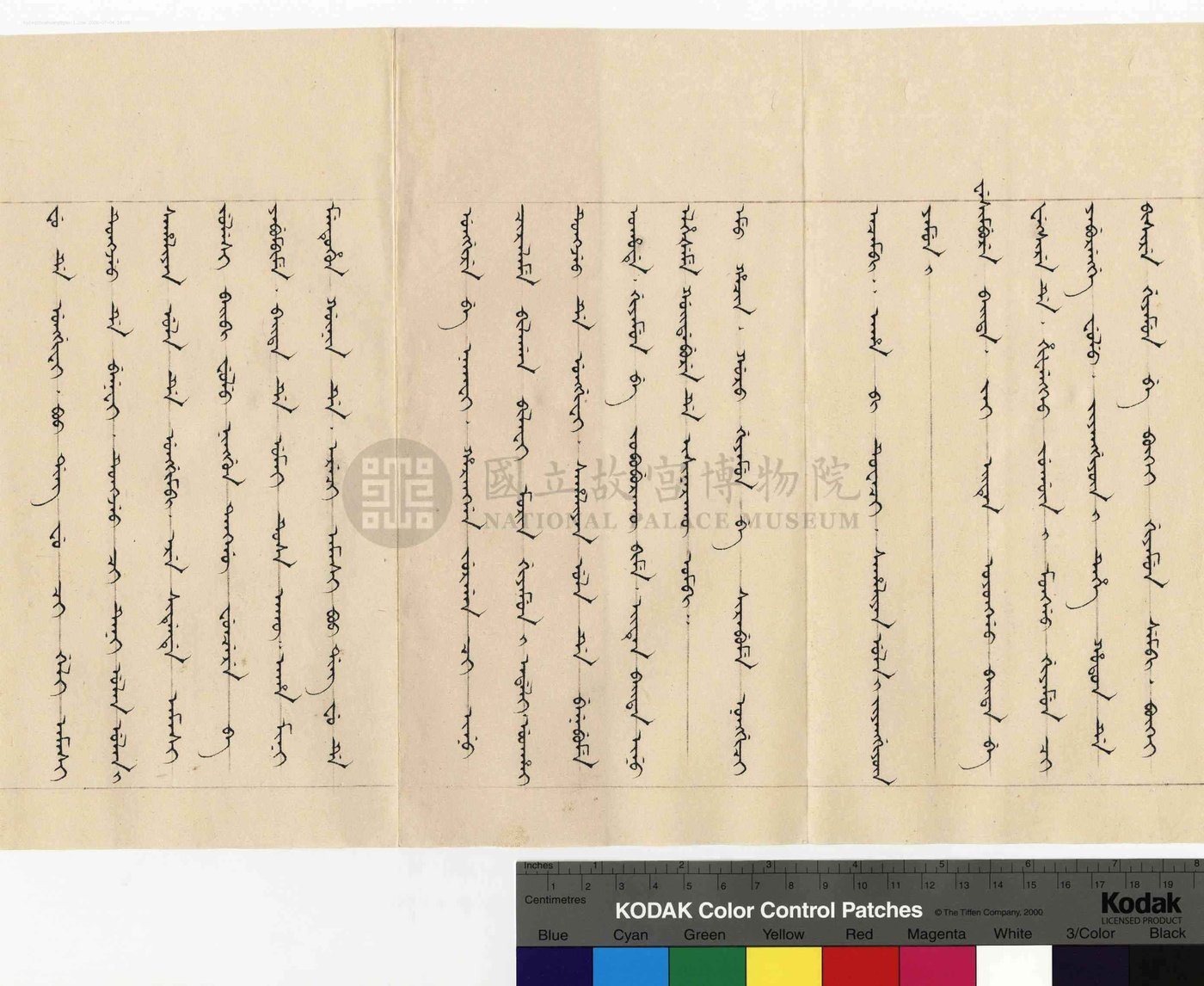

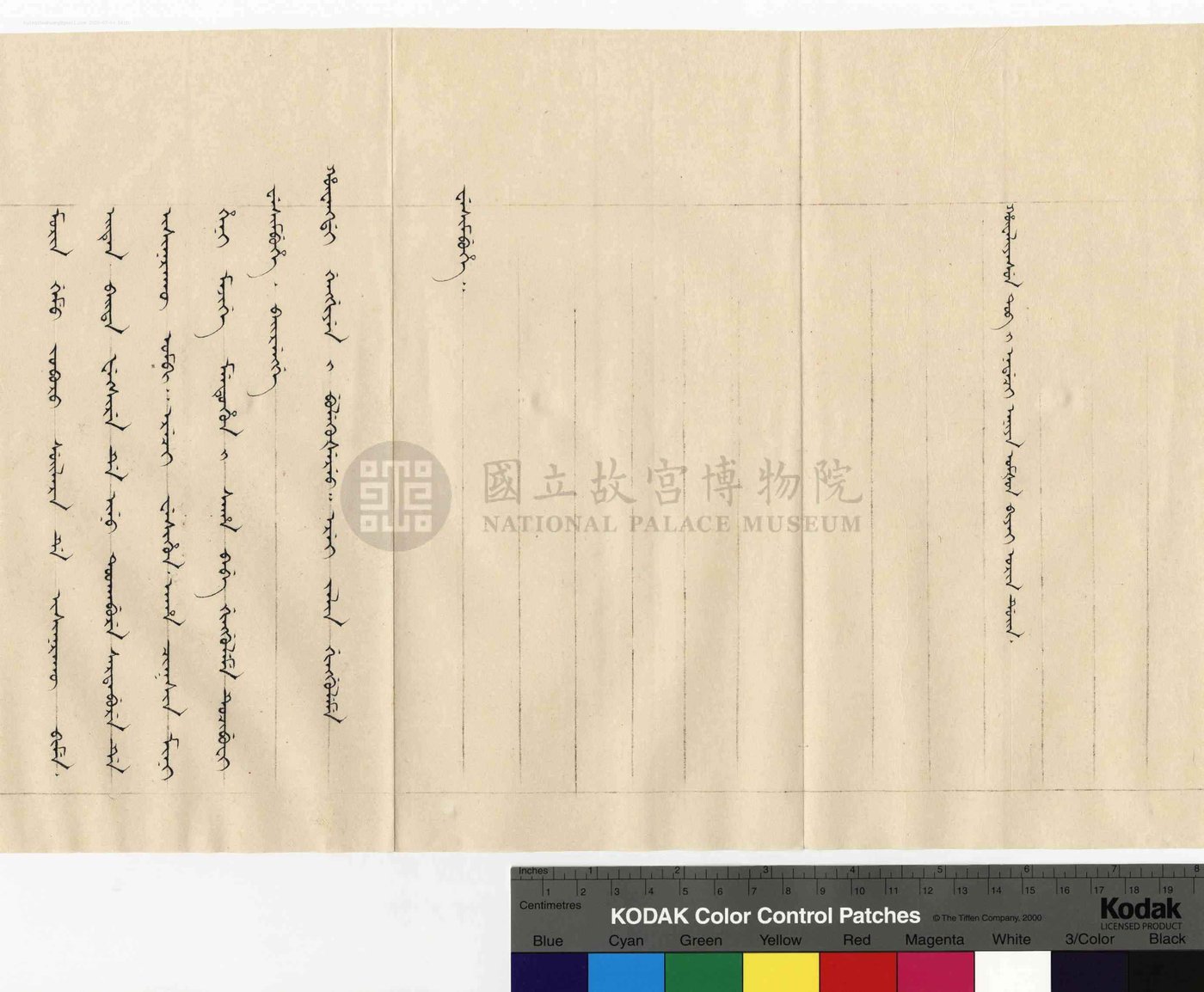

黑龍江官員慶錫向雍正皇帝彙報,他之前被派去黑龍江當了一年差,這次把觀察到的問題和建議寫成奏摺。他主要提了四件事:一是選官時別光在本旗本佐領的小圈子裏挑,要擴大範圍才能找到能人;二是衙門管着三十多萬兩銀子卻沒有專人負責,建議派專人管錢糧;三是將軍府缺少擅長滿漢翻譯的教官,希望能從各部院調個高手來帶帶本地的筆帖式;四是驛站路線太長,有的路段隔河難走還容易延誤,建議修改路線並在兩驛中間加設一個驛站。
我(欽)上奏說:之前承蒙皇上大恩,派我去黑龍江跟將軍一起辦事,待滿一年纔回來。我這個人笨,只是把自個兒知道的一點事兒據實說說,請皇上您明鑑。 一件事是關於官員補放。我覺得,補放官員時,不應該死守着某個旗、某個佐領的框框,得挑着選。我瞧着,當兵的培養、管理和訓練,都靠着佐領。而佐領又是從防禦、驍騎校裏選拔的。現在黑龍江各旗,每旗有三個防禦、四個驍騎校。每次防禦出了缺,光從本旗那四個驍騎校裏頭挑。要是驍騎校裏頭正好有人還沒補實缺,或者有別的情況,就只能在僅剩的一兩個裏頭湊合着選。我的傻主意是:反正現在黑龍江各旗的佐領也已經不按旗補放了,有例在先。從今以後,防禦出缺,別再死扣本旗補放,改爲按左右翼四個旗的驍騎校裏頭一塊兒挑。這麼着,人才容易找到,將來再從裏頭挑佐領,對佐領的事兒也有好處。還有,黑龍江每個佐領都有六個領催,驍騎校出缺,都是從本佐領的領催裏頭挑。可各佐領的領催情形不一樣,有的佐領六個領催裏頭,真有幾個很出力、挺能幹的,但就因爲缺兒只能在本佐領挑,往往只能照老規矩將就着補。我翻來覆去地想:驍騎校這個官,是幫着佐領管束一佐領的人、料理事情的,品級雖小,差使極要緊。我的傻念頭是,以後驍騎校出缺,都別死抱着本佐領不放了。滿洲驍騎校的缺,從一旗的滿洲領催裏頭挑;達呼爾驍騎校的缺,從一旗的達呼爾領催裏頭挑;漢軍和巴爾虎佐領少,漢軍、巴爾虎的驍騎校缺,就從四個旗的領催裏頭挑,各補各的缺。這麼一來,出過力的人不至於被埋沒,好樣的驍騎校也能得着,對佐領的事兒大大有好處。 另一件事是關於錢糧管理的。我看黑龍江將軍衙門的庫裏存着備用銀五萬兩,每年官兵的俸祿餉銀發完,還能剩下二十萬兩,加上其他雜項銀子,總共三十多萬兩。這麼大一筆錢,竟沒有一個專門管的官。所有出出進進、收收發發的活兒,都是黑龍江八旗的滿洲、漢軍筆帖式和閒散子弟在辦。他們也各自學點兒漢文翻譯,可因爲沒有好老師教,就算勉強譯過來,往往也不能把原文的意思完全講透。我的傻念頭是,從各衙門現任的筆帖式裏頭,挑一個翻譯功夫好的,派來當助理教習。將軍衙門所有翻譯的公文,統統交給他經手翻譯。除此以外,再建個學堂,讓所有筆帖式和閒散子弟都有地方唸書學習。這樣,將軍衙門所有翻譯的文書,就不至於出錯鬧笑話,同時,靠着皇上的恩典,黑龍江的筆帖式學生們也都有個正經學習的機會了。 又一件事是關於驛遞的,得給它定死期限,嚴辦拖拖拉拉的人。驛站這東西,本來就是爲了讓緊要公文飛速到才設的。我瞧着,各部衙門發給黑龍江將軍衙門的公文,要是走馬驛,動不動就得八九十天,路上快慢也沒個準。這樣沿路磨蹭、耽擱,保不齊就會誤了大事。我的傻念頭是,從今以後,但凡發往黑龍江的公文,該管衙門得算計好路程,嚴格定個期限,把限期日子寫在本匣封套上。每個驛站交接的時刻,都得明明白白登上檔冊,好查考。哪個站上給耽誤了,就把管站的官員查出來,指名參劾,嚴厲治罪。這麼着,就不怕再拖延,凡事也都能快點辦完了。再有,步遞的公文,該管衙門都發到保定府,保定府又轉回通州,通州才由烏拉發往黑龍江。這中間來回來去,多走六百多里路,對事情一點用處也沒有。我的傻念頭是,以後別再發往保定府了,該管衙門也得嚴格定個期限,跟馬遞一樣,直接發到通州,再轉黑龍江。這樣,驛站不用白白受累,事情也不至於給耽誤了。 還有一件事,得添設遠路的驛站。我瞧,黑龍江將軍衙門的奏摺以及一切緊要的馳報,大多走喜峯口外的蒙古驛站。將軍駐在城裏的驛站,叫博克依站。從博克依站到蒙古的哈岱喀站,有一百四十五里地。路遠不說,中間還隔着四五條河。平時來回也得兩三天,萬一是夏天雨多水大,冬天雪深,來回就得四五天。驛站馬匹太受累,公事的耽擱更沒法預料。我爲此親自走到哈岱喀站去看過,果然路遠道又不好走,好幾條河隔着,走起來實在費勁。在博克依和哈岱喀兩站之間,有個叫圖爾根的場所,地勢暖,草好,有水,地方也開闊,離博克依站七十里,離蒙古哈岱喀站七十五里。我的傻念頭是,反正喜峯口外全是蒙古驛站,在圖爾根這塊地方添設一個蒙古驛站,住紮下來。這樣,博克依站和蒙古哈岱喀站的馬就都不用那麼苦累,所有馳送的事情,也不至於再遲誤了。 以上就是我的一點傻見識,恭敬地寫出來上奏,請皇上明鑑。雍正七年十一月二十四日。
議覆。其中若有應行之事,著議奏。奏為將所知之處,謹陳請旨,仰祈睿鑒事。竊奴才慶錫謹奏。仰蒙聖主汪恩,差往黑龍江,協同將軍辦事,一年期滿回任。謹將奴才愚昧所略知之處,臚列具奏: 一、選官時不拘旗分佐領,揀選補授為宜。奴才看得,養育、教導、管轄兵丁,俱賴佐領。補授佐領時,向由委護軍校品級章京內揀選補放。現今黑龍江每旗所有委護軍校品級章京各三名、驍騎校各四名,遇委護軍校品級章京缺出,僅由該旗四名驍騎校內揀選補放。其中若有缺尚未補放、或因事故,只因該旗缺出,不得已由一二人內揀選補放。奴才愚見,今黑龍江各旗原任佐領皆不論旗分補放,既有成例,嗣後委護軍校品級章京缺出,停止計旗補放,按左右翼計四旗驍騎校內揀選補放,如此則易於得人,且日後補放佐領時,於佐領事務亦有裨益。又,黑龍江每佐領小領催各六名,驍騎校缺出自該佐領領催內揀選補放。惟各佐領之小領催不齊,有些佐領六名領催內,著實行走奮勉、且堪任事者甚多。本佐領僅一名驍騎校之中,並無甚行走奮勉之處,人亦平庸。但因本佐領缺出,無法,只可循舊補放。奴才籌思,驍騎校者,係幫同佐領教養管轄一佐領之人,辦理事務,官品雖微,職任綦重。奴才愚見,嗣後驍騎校缺出,停止計佐領補放,滿洲驍騎校缺,由一旗滿洲領催內揀選補放;達斡爾驍騎校缺,由一旗達斡爾領催內揀選補放;漢軍巴爾虎佐領數少,漢軍巴爾虎驍騎校缺,由四旗領催內揀選,各補各缺。如此則行走奮勉之人不致抑塞,且若得賢能驍騎校,於佐領事務大有裨益。 一、管理錢糧宜專員接辦。奴才看得,黑龍江將軍衙門庫存備用銀五萬兩,一年所收發放官兵俸餉錢糧之銀二十萬兩有餘,再各項銀兩合計,總三十萬兩有餘,並無專管之員。凡出入收放,俱由黑龍江八旗滿洲、漢軍筆帖式、官學生等各自學習漢文,勤力翻譯,但因無善教之人,雖經翻譯,不能盡意達理。奴才愚見,各部院衙門現任筆帖式內,揀選翻譯優長者,派設助教官一員,將軍衙門一切翻譯事務悉令承辦;翻譯之外,設立學舍,教習眾筆帖式及官學生。如此則將軍衙門一切翻譯事務不致舛錯遺漏,且蒙聖主之恩,黑龍江筆帖式、學生等各得學習。 一、驛遞事宜應嚴定限期,禁止遲延。驛站專為速遞公務而設。奴才看得,各部發往黑龍江將軍衙門事件,由馬遞者,俱八九十日不等投到,沿途如此遲延,恐致貽誤公事,難可預料。奴才愚見,嗣後發往黑龍江事件,由該部計路嚴定限期,將限期日期書於封筒,驛站逐站接遞時刻明白登檔稽查。若到某驛遲延,則該管大臣等查出,參奏從重治罪。如此,既不致遲延,且一切事件俱得速辦。又,步行遞送事件,由該部俱發往保定府,保定府復返送通州,由通州始以烏拉發往黑龍江。此間往返,徒然多行六百里餘,於事毫無裨益。奴才愚見,嗣後停止發往保定府,由該部亦嚴定限期,即同馬驛,逕發通州,遞送黑龍江,則驛站不致勞累,且一切事件亦不致遲延。 一、應增設接連遠處驛站。奴才看得,黑龍江將軍衙門奏事及一切要事馳遞,多由喜峯口路蒙古驛站行走。將軍所居城之驛站,稱為布開依驛。自布開依驛至蒙古哈代卡驛,計一百四十五里,路遠且隔四五道河。平常時,往返二三日;若遇夏雨水、冬大雪,往返四五日。驛馬甚勞,且貽誤事機,難以預料。由此奴才親至哈代卡驛看得,路遠道險,數河間隔,行走實難。布開依、哈代卡兩驛中間,有地名圖爾根,地土肥饒,水草佳美,地方寬闊。距布開依驛七十里,距蒙古哈代卡驛七十五里。奴才愚見,喜峯口外既皆蒙古驛站,若於圖爾根地方增設蒙古一驛駐劄,布開依驛、蒙古哈代卡驛馬匹不致勞瘁,而一切馳遞事務亦不致遲誤。以上,奴才慶錫將愚昧所知之處,謹繕摺具奏,伏乞皇上睿鑒。為此謹奏。雍正七年十一月二十四日。
Deliberative Reply. If there be matters within that require action, let them be discussed and memorialized. A memorial humbly presenting what is known and begging the luminous discernment of the throne. The slave Cingsi respectfully memorializes. Having received the overflowing grace of the Sacred Lord, I was dispatched to the Amur River to handle affairs together with the general for a full year and have since returned. Now I respectfully set forth what my dull understanding has slightly apprehended: 1. In appointing officials, it is advisable to select and appoint without reckoning by banner or company. I observe that the nurturing, instructing, and supervising of troops all depend on the company captains. When appointing company captains, they have been selected from the guard officers of the tuwašara hafan rank. At present, on the Amur, each banner has three such guard officers and four corporals (funde bošokū). When a guard officer vacancy occurs, the appointment is made only from among the four corporals of that same banner. If within this there is a vacancy not yet filled or there are other contingent reasons, one has no choice but to select from one or two men because it is a vacancy of that banner. In my humble opinion, since there is already a precedent of appointing original company captains without regard to banner on the Amur, from now on when a guard officer vacancy occurs, the practice of reckoning by banner should cease. Instead, by reckoning according to left and right wings and selecting from among the corporals of four banners, it will be easier to obtain suitable men, and later when company captains are appointed, it will also benefit company affairs. Furthermore, each Amur company has six junior corporals (ajige bošokū). When a corporal vacancy occurs, the appointment is made from among the sergeants of that same company. However, the junior corporals of different companies are not equal. In some companies, among the six sergeants there are many who have genuinely served with diligence and are capable in handling affairs, yet within that company’s single corporal there may be little record of diligent service and the person may be mediocre. Owing to the vacancy being in that specific company, there is no alternative but to appoint according to old practice. I have pondered: a corporal is one who assists the company captain in training and supervising a company’s personnel and in conducting affairs. Though the rank is low, the post is most important. In my humble opinion, from now on when a corporal vacancy occurs, the practice of reckoning by company should be set aside. For a Manchu corporal vacancy, select from among the Manchu sergeants of one banner; for a Daur corporal vacancy, select from among the Daur sergeants of one banner; since the Hanjun Barhu companies are few, for a Hanjun Barhu corporal vacancy, select from among the sergeants of four banners and appoint each to his respective vacancy. In this way, men of diligent service will not be overlooked, and if capable corporals are obtained, it will greatly benefit company affairs. 2. The management of provisions and pay should be undertaken by a specially designated official. I observe that in the treasury of the Amur general’s yamen there is stored a reserve of 50,000 taels of silver. The annual silver received and disbursed for officers’ and soldiers’ stipends and provisions exceeds 200,000 taels. Adding various other funds, the total exceeds 300,000 taels, yet there is no specially designated official to oversee it. All receipts and disbursements are handled by Manchu and Hanjun clerks and students of the eight banners on the Amur, who each study Chinese and exert themselves in translation. But because there is no good instructor, even though they translate, they cannot fully convey the intent or exhaust the meaning. In my humble opinion, from among the current clerks of the various boards and offices in the capital, one who excels in translation should be selected and appointed as an assistant instructor. Let all translation matters of the general’s yamen be entrusted to him. Apart from translation, establish a schoolhouse and have him teach the various clerks and students. In this way, translation errors and omissions will be avoided, and by the grace of the Sacred Lord, the clerks and students on the Amur will each be able to learn. 3. The matter of transmission by relay stations should be governed by strict deadlines to prevent delays. Relay stations are established precisely to convey public business swiftly. I observe that dispatches sent from various boards to the Amur general’s yamen by mounted courier all take between eighty and ninety days or more to arrive. With such delays along the route, it is impossible to predict how official business may be hindered. In my humble opinion, from now on, for dispatches sent to the Amur, the responsible board shall calculate the distance and strictly fix a time limit, writing the deadline on the envelope. At each station, the time of receipt and forwarding shall be clearly recorded in registers for inspection. If there is delay at any station, the supervising officials shall investigate, impeach, and severely punish the offenders. In this way, delays will be avoided and all matters can be swiftly concluded. Moreover, dispatches sent on foot are all forwarded by the boards to Baoding prefecture; from Baoding they are sent back to Tongzhou, and only from Tongzhou are they conveyed by ula to the Amur. This back-and-forth unnecessarily covers over 600 li and is of no benefit to affairs. In my humble opinion, henceforth dispatching to Baoding should be discontinued. The responsible board should likewise fix a strict time limit and, as with mounted couriers, send dispatches directly to Tongzhou for transmission to the Amur. This will relieve the relay stations of undue exertion and prevent delays in all matters. 4. An additional relay station should be established to connect distant posts. I observe that memorials and all important communications of the Amur general’s yamen are mostly carried via the Mongol relay route through Xifengkou. The station at the city where the general resides is called Buikei Station. From Buikei Station to the Mongol Hadaika Station it is 145 li, the road is distant and separated by four or five rivers. In normal times, the round trip takes two or three days; if encountering summer rains or heavy winter snows, it takes four or five days. The relay horses are greatly fatigued, and delays to business are unpredictable. I have therefore personally gone to Hadaika Station to inspect and found the road distant and difficult, divided by several rivers, truly hard to traverse. Between Buikei and Hadaika there is a place called Turgin; the soil is fertile, the pasture and water excellent, and the land broad. It is 70 li from Buikei Station and 75 li from Mongol Hadaika Station. In my humble opinion, since the area beyond Xifengkou is all Mongol relay stations, if an additional Mongol station were established and garrisoned at Turgin, the horses of both Buikei Station and Mongol Hadaika Station would not be overworked, and all express communications would not be delayed. Above are the matters that I, the slave Cingsi, have humbly set forth from my dull understanding, carefully compiled and presented, begging the Emperor’s luminous scrutiny. Respectfully memorialized. Yongzheng 7, 11th month, 24th day.