奏請恩賜孳生年幼之丁口入官學讀書
Yongzheng-era memorial
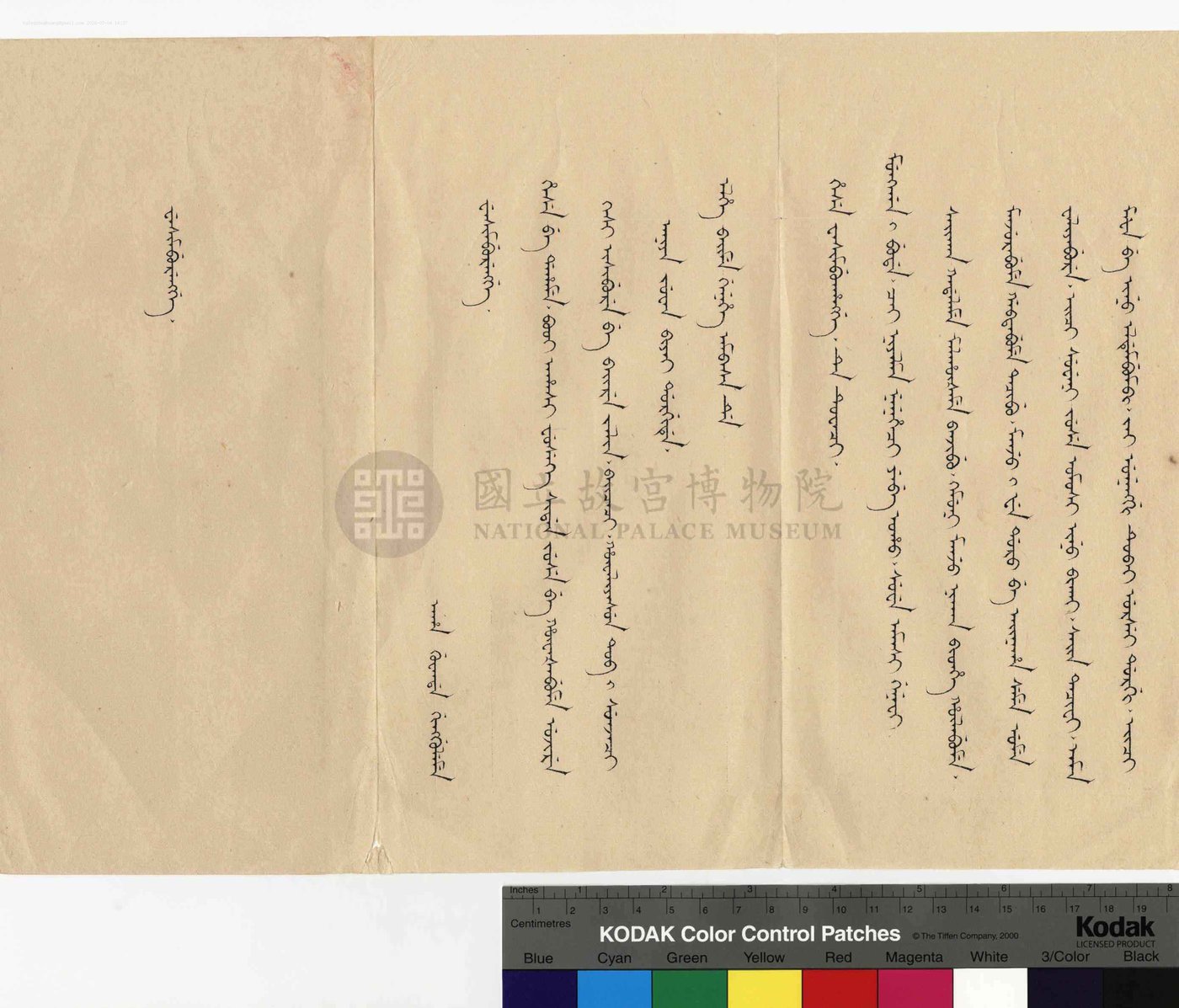
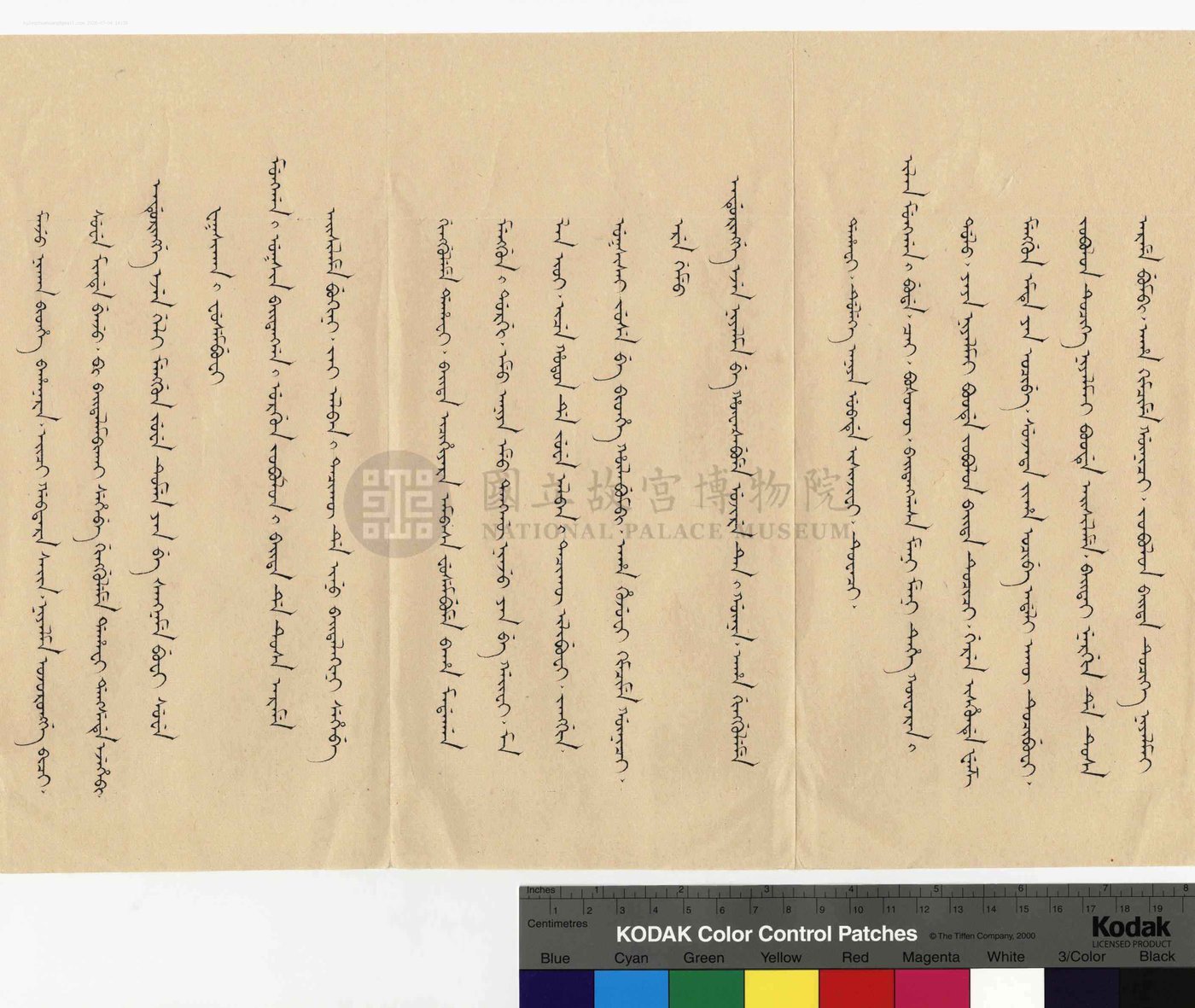
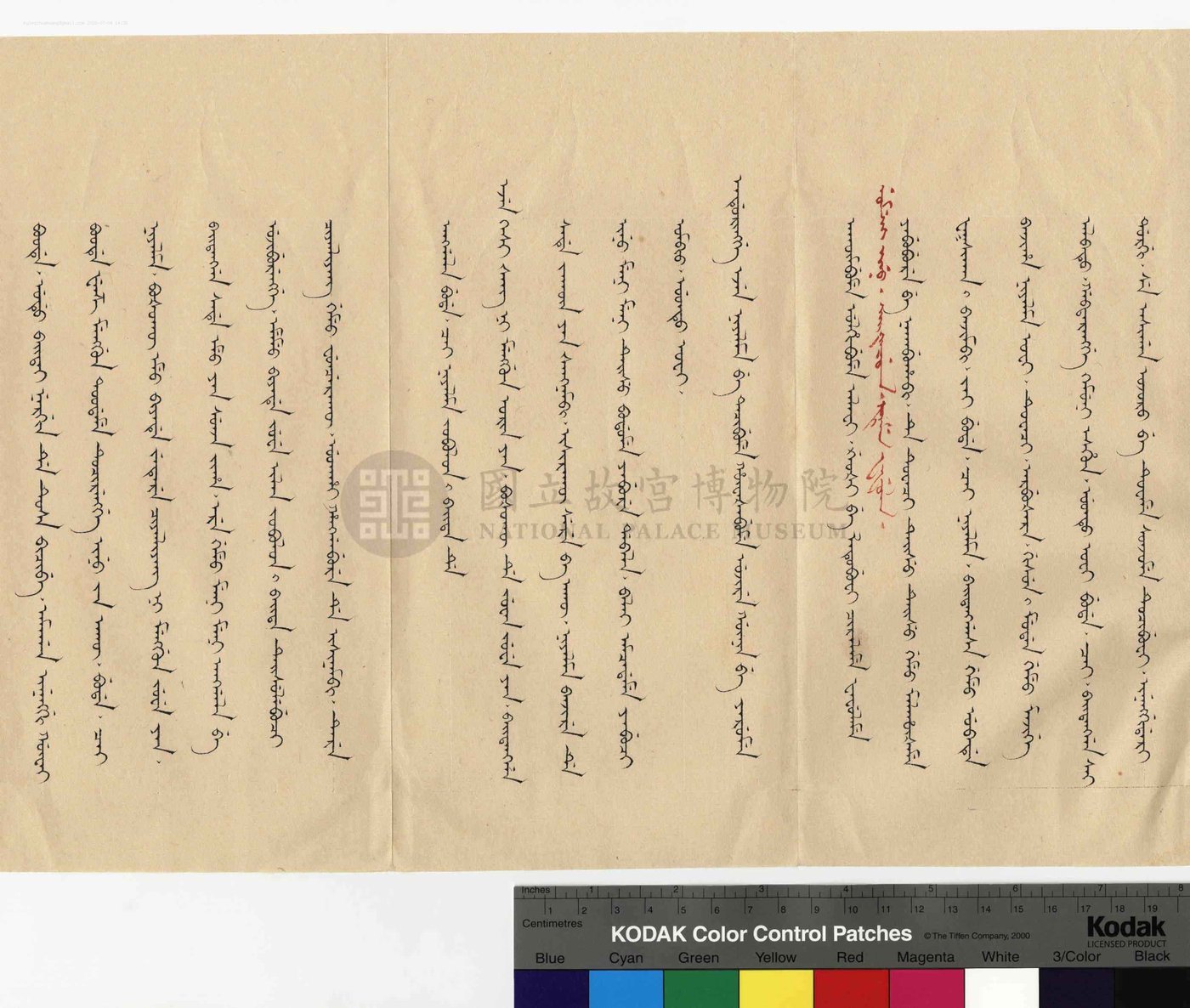
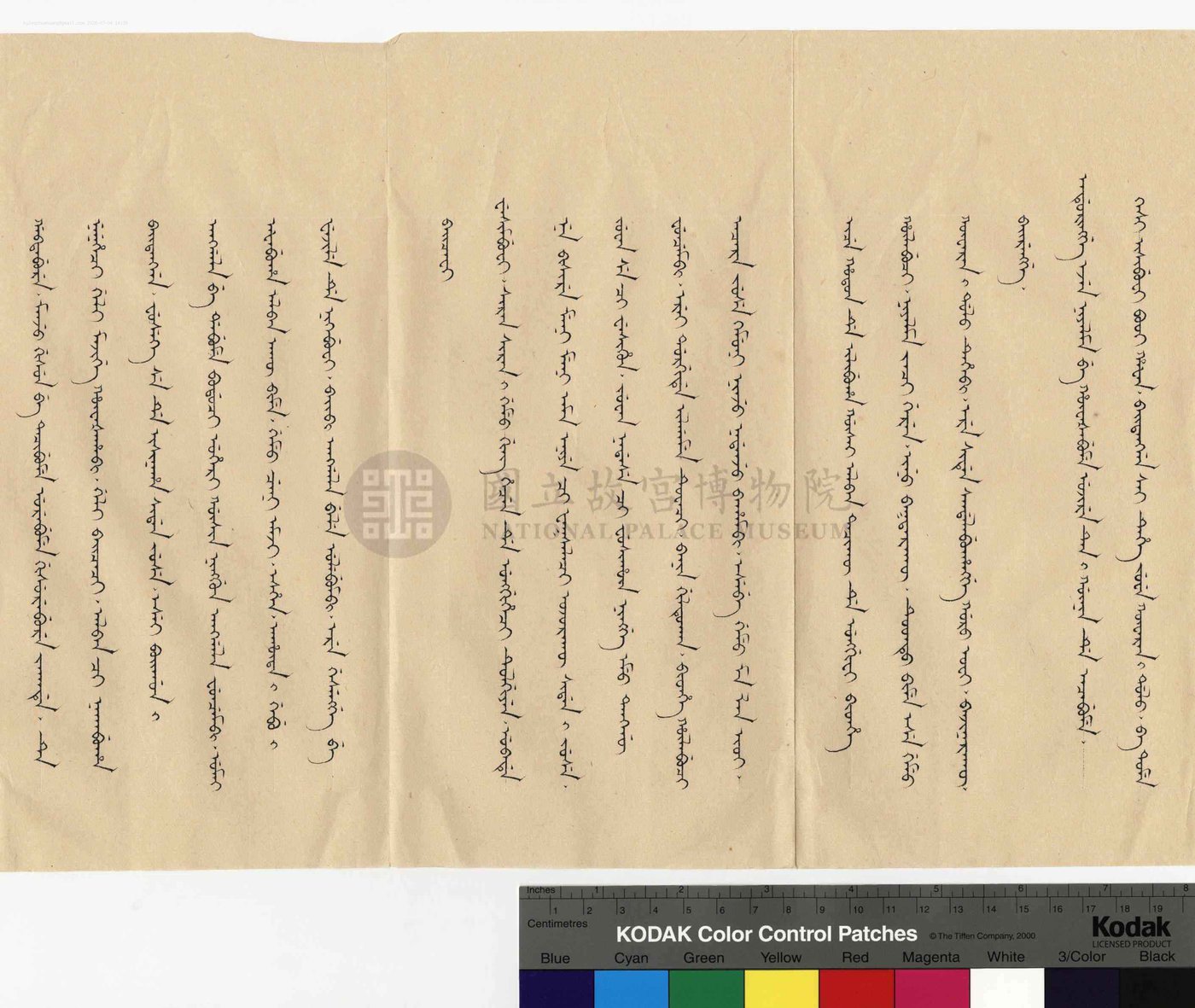
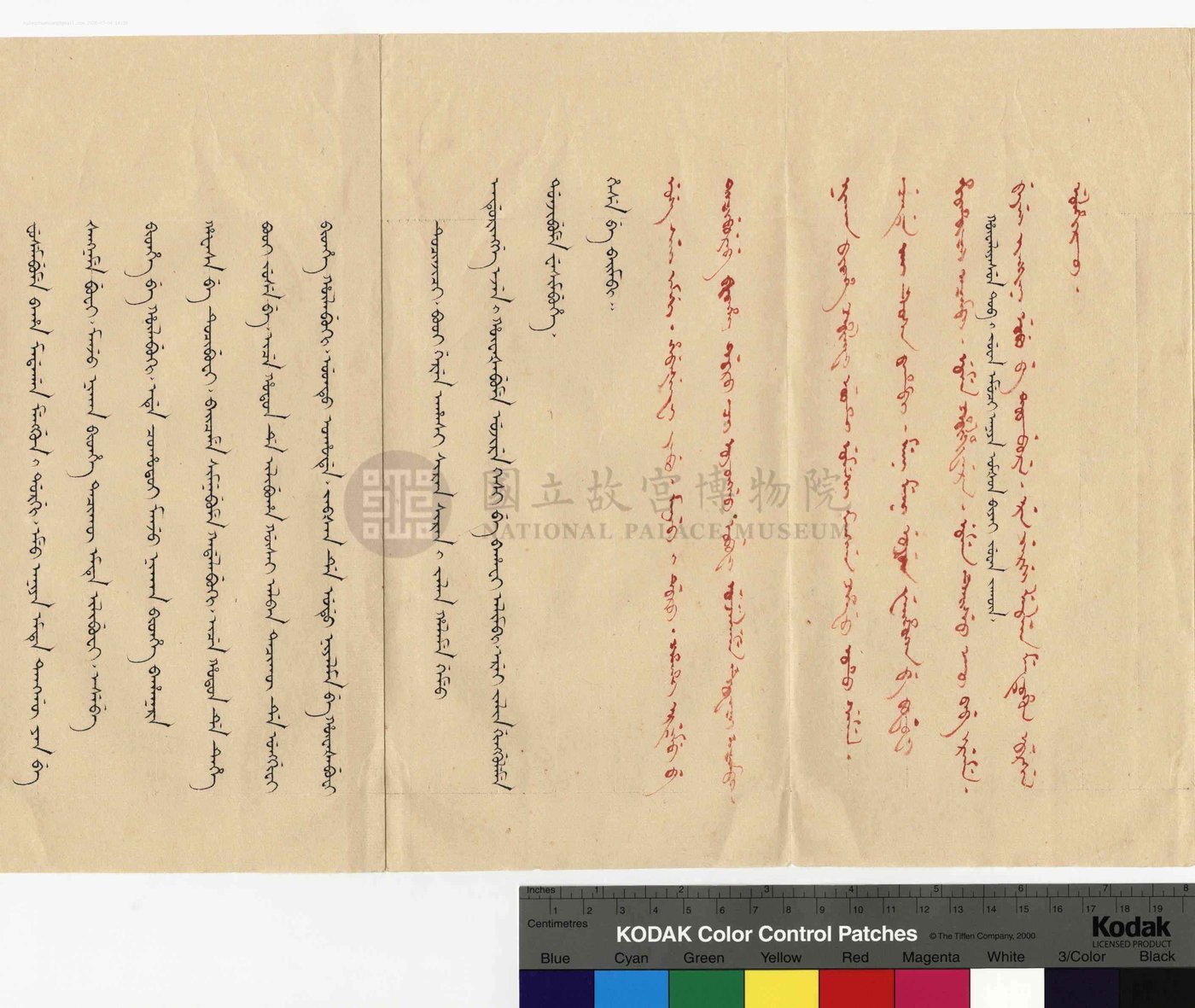

奴才關德上奏,說遵照皇上以前培養人才的指示,發現陵寢當差的奴僕子弟們本地口音重、射箭也不行。他請求在本地營房設立學校,派懂滿漢文的官員來教這些孩子,不用全送去京城,這樣既省事又能培養出人才,讓奴僕後代都沾皇恩。
奴才關德上奏說:這件事是爲了請求皇上施恩,讓包衣人家生養的孩子都能受到教養。查得雍正五年十月裏,去請安的大臣們帶回了皇上的諭旨,說:“現在看,陵上做飯的人比以前好了。你們回去後,要好好管束教導他們,還要讓他們讀滿文書和漢文書,學滿語,把滿洲的老規矩千萬不能丟掉。說不定你們的子孫也在裏頭,他們要是學好了,也能給父輩的官職增光。另外,那裏的人裏頭要是真有通曉滿漢文字或者射箭好的人,你們就給我送來,我要用他們。”這些旨意我們恭敬地遵守,都記在檔案裏了。皇上又賞了二萬兩銀子,讓我們靈活調劑使用,貼補旗人辦喜事喪事的開支,也用在官學上。我們遵照辦理,辦事大臣富爾根、巴哈、馬丹甘等人,每年從中領出一百六十兩銀子,在新城開設了兩處大臣主管的官學,讓章京、披甲這些人的子弟讀書。奴才們湊在一起認真想過,這都是皇上培養人才的苦心用意。奴才等遵旨到了這裏(敦克年?)查看,三公飯處的領催、撥什庫等人在各自住的營房裏,誰家有了喪事,大家就湊份子,貼補費勒銀、匠役銀什麼的。家裏有急事雖然能得些幫助,但將來別人家辦事還要還回去,也並不容易。飯茶人等一戶人家過日子,領催每月錢糧銀十兩,撥什庫等一兩,蘇克錢(?)……這些就是各人餬口的錢,一個月要是攤上兩三次喪事,錢糧就全用光了,根本接濟不上。再說,飯茶人遇到喪事,皇上恩賞銀子二十兩,領催賞十二兩,撥什庫賞八兩,沒有不夠用的道理。人過日子得各自按本分來,哪能亂爭呢?所以皇上教導養育的五條規矩,講得很透徹,我們照着去做。飯處要是事情接連不斷……現在看,各人都自己拿出來了,生計沒有着落。再就是飯茶人、撥什庫等都是本地生人,聽他們說話的腔調全是本地土音,說起來還很粗笨。所以從飯茶撥什庫裏挑了些年紀小的,每天報上奏,陸續都送到京城去了。除了這些,現在這裏在各自主人名下分不開的旗人孩子,從兩歲到十七歲以下的一百多個,從中挑選資質聰明、能讀書的,還有六七十人。如果把這些孩子都送到京城老城設立的八旗官學去讀書,人太多,也養不起。況且他們都住在營房裏,這中間散着……懇求皇上按照培養人才的極盡心意施恩,讓包衣官員、撥什庫等住的兩處營房裏,每處向上奏請的七個漢(?)之內一年腿生(?),教他們讀書。爲此專門派懂滿漢文的官員出來考試和管理。讓住新城的包衣孩子,就在新城設立的官學裏讀書。這樣辦的話,要是僥倖能培養出幾個人纔出來,那麼所有包衣奴才們世世代代都能沾上皇上教養的恩典了。爲這事恭敬奏報,請旨。因壞心思想……我心思想……〔?〕
奏為奴才關德謹奏,為遵旨將家中奴僕所生、放出之諸子教養成材,請施恩典事。竊查雍正五年十月內,奉旨前往問安之大臣等降諭曰:今察看陵寢飯上人等,較前有起色,爾等回去後,善加管束教養,仍令習讀滿漢書籍,教習滿語,不可任其荒廢滿洲舊道。或爾等之子孫亦在彼,若能好學,亦可榮顯父官。再該處人等內,若有能通曉滿漢書籍或善於騎射之人,即送來與我,我將用之用。欽此恭敬遵行,已記錄在案。聖主又賞銀二萬兩,著爾等妥善滋生,於護軍、拜唐阿之紅白事上,務使有實效,並用於官學。欽此恭敬遵行,辦事大臣等領取賞銀中每年一百六十兩,今在新城設立兩大官學,令章京、披甲人等之子弟讀書。奴才俯思詳察,此皆聖主養育人才之現今心意。奴才敬遵來此,視之,三陵飯上人、撥什庫、拜唐阿等各自居住營房內,凡人家遇有紅白事,眾人資助,每家出銀若干……〔下文有殘缺〕於事急之時雖有助益,日後償還他人銀錢亦非易事。飯茶人等、撥什庫一處,每月食用錢糧銀十兩,拜唐阿等處一兩,此皆各自養贍口糧,一個月內遇二三紅白事,錢糧即盡,立見拮据。況且飯上人等,皇上恩賞遇有紅白事,賞銀二十兩,撥什庫十二兩,拜唐阿等八兩,猶恐不足。人生活亦各有本分,按分而行,豈可妄行競求?因此,聖主教養人材,訓導官員,將五倫詳明曉諭,飯上人等若有事,接連整飭,以至誠堅固……今觀之,各自皆能改非向善。再飯上人等、拜唐阿等,皆本地生長之人,看來言語腔調皆帶本地土音,射箭仍生疏。因此,飯上、拜唐阿子弟內,視其年歲稍長者,選拔出,每日當差,陸續盡送往京城,先前由此處陸續送京,現有各自之主,不可分離。額丁之子弟,自二歲以上至十七歲以下者,尚有一百餘名,此內擇其天資聰敏、堪以讀書者,仍可得六七十名,若將此輩盡送往京城設立之旗官學讀書,人數過多,亦難存活。況彼等皆住營房之內,此際被額丁管束,不能遠離。所懇者,仰體聖主養育人才之至意,施恩於家內官員、拜唐阿等所居之二營房內,每處設立……〔殘缺〕七……〔殘缺〕年滋生,令眾子弟習讀。特此派出通曉滿漢書籍之官員,稽查考課管束。將住於新城之家生子,令於新城設立之……〔殘缺〕如此一來,若能教養出幾人,家中眾奴僕世世子孫,均得受聖主教養之恩。為此謹奏請旨。奴才之心……〔後文多處重複殘缺〕
Memorial of your slave Guwande, respectfully submitted: In compliance with the edict, I request imperial grace to raise and educate the children born to household slaves and those released, so that they may mature. On inspection, in the tenth month of the fifth year of Yongzheng, the high officials sent to convey the emperor’s greetings decreed: We observe now that the mess attendants at the mausoleum have improved compared with before. After you return, properly manage and teach them; have them continue studying Manchu and Chinese books and learn Manchu, and by no means allow the old Manchu ways to be abandoned. Perhaps your own children and grandchildren are also there; if they study well, they may also bring honor to their fathers’ offices. Moreover, if among the local people there are those who can master Manchu and Chinese books or excel in riding and archery, send them to me; I will employ them. Respectfully obeying this, it has been recorded. The Holy Lord also granted twenty thousand taels of silver, instructing you to skillfully increase its use, to truly assist in the weddings and funerals of the guards and baitangga, and to use it for the public schools. Respectfully obeying this, the officials in charge, having received the reward, took out one hundred and sixty taels per year and now have established two great public schools in the New City, where the children of company officers and soldiers are taught to read. Your slave, on reflection and careful thought, considers all this to be the present intention of the Holy Lord to nurture talent. Obediently, when your slave arrived here and looked into the matter, the mess attendants, bosokū, and baitangga of the three mausoleums each reside within the compound. Whenever a wedding or funeral occurs in any household, everyone contributes a certain amount of silver…〔text corrupt〕 Though helpful in times of emergency, repaying others’ money later is no easy matter. The meal and tea personnel and the bosokū in one place each receive ten taels of silver monthly for provisions, while the baitangga receive one tael—all this is for their own mouths. In a month if two or three weddings or funerals occur, their pay is completely exhausted, and they immediately reach hardship. Moreover, for the meal personnel, when a funeral or wedding happens, the Emperor graciously bestows twenty taels of silver, bosokū twelve, baitangga eight—and even this is said to be insufficient. In human life, one should live according to one’s own station and manage accordingly; how can one act recklessly? Therefore, the Holy Lord teaches people and instructs officials, clarifying the Five Relationships in detail. Should any incident happen among the meal personnel, they are to enforce discipline repeatedly with utmost sincerity… Observing now, each is able to correct faults and behave. Furthermore, the meal personnel and baitangga are all locally born; their speech and accent are all rustic, and their archery is still coarse. Hence, among the children of meal workers and baitangga, select those of suitable age, send them up for daily duty, and then gradually forward them all to the capital. Previously, some were sent gradually from here to the capital. Those presently here still have individual masters from whom they cannot be separated. The children of the “sectioned” (sindan) slaves, from two years upward to under seventeen years, number over one hundred. Among them, selecting those with keen natural intelligence suited for study, one can still get sixty or seventy. If we send all these to the banner public schools established in the capital to study, the students would be too many and it would be hard to sustain them. Also, they all live inside the compounds; being under section assignment, they cannot be moved far. What is requested is this: in accord with the Holy Lord’s supreme intention to nurture talent, bestow grace so that in the two compounds where the household officials and baitangga reside, a school be established in each place…〔incomplete〕…raise them for a year, and have the children read. Specifically assign officials proficient in Manchu and Chinese books to inspect, examine, and supervise. As for household-born children residing in the New City, let them be placed in the schools established in the New City…〔incomplete〕. If a few persons can be nurtured and emerge through this opportunity, then the multitudes of household slaves generation after generation will all receive the grace of the Holy Lord’s nurturing upbringing. For this reason I respectfully memorialize and request an edict. Your slave’s heart…〔much repetition/corruption follows〕