奏報嚴懲流徙邊地人犯逃脫並坐罪監管者
Yongzheng-era memorial
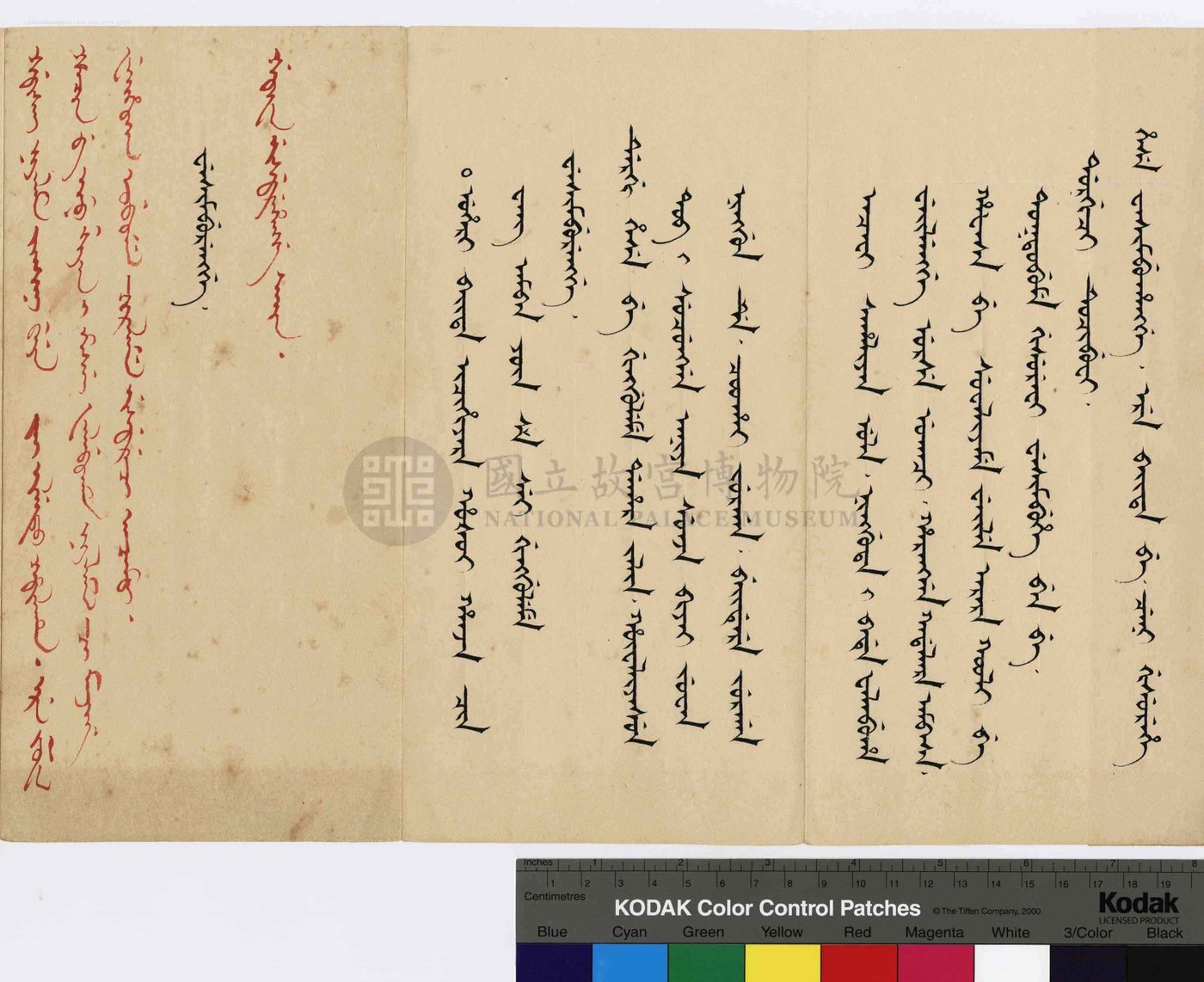
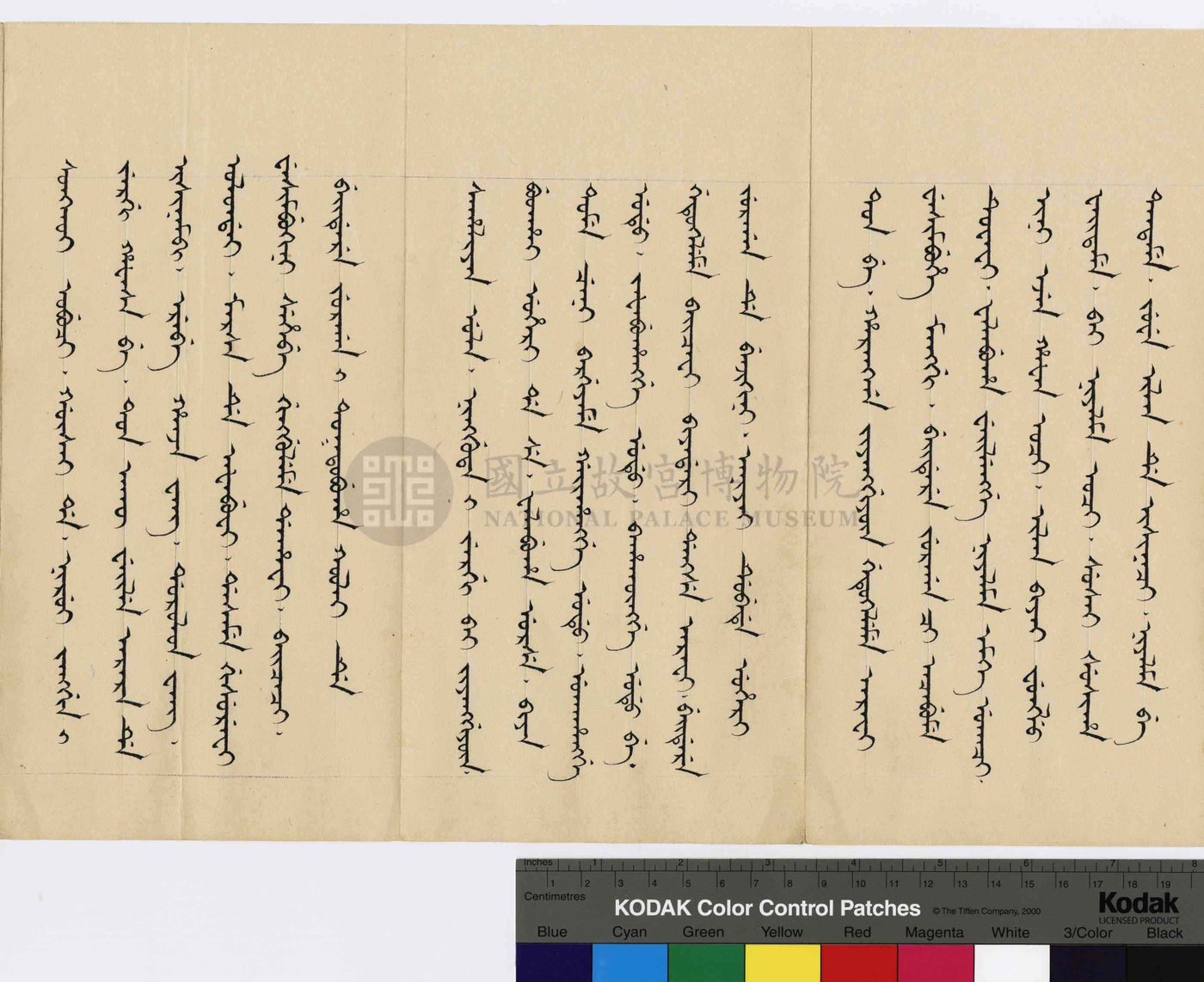
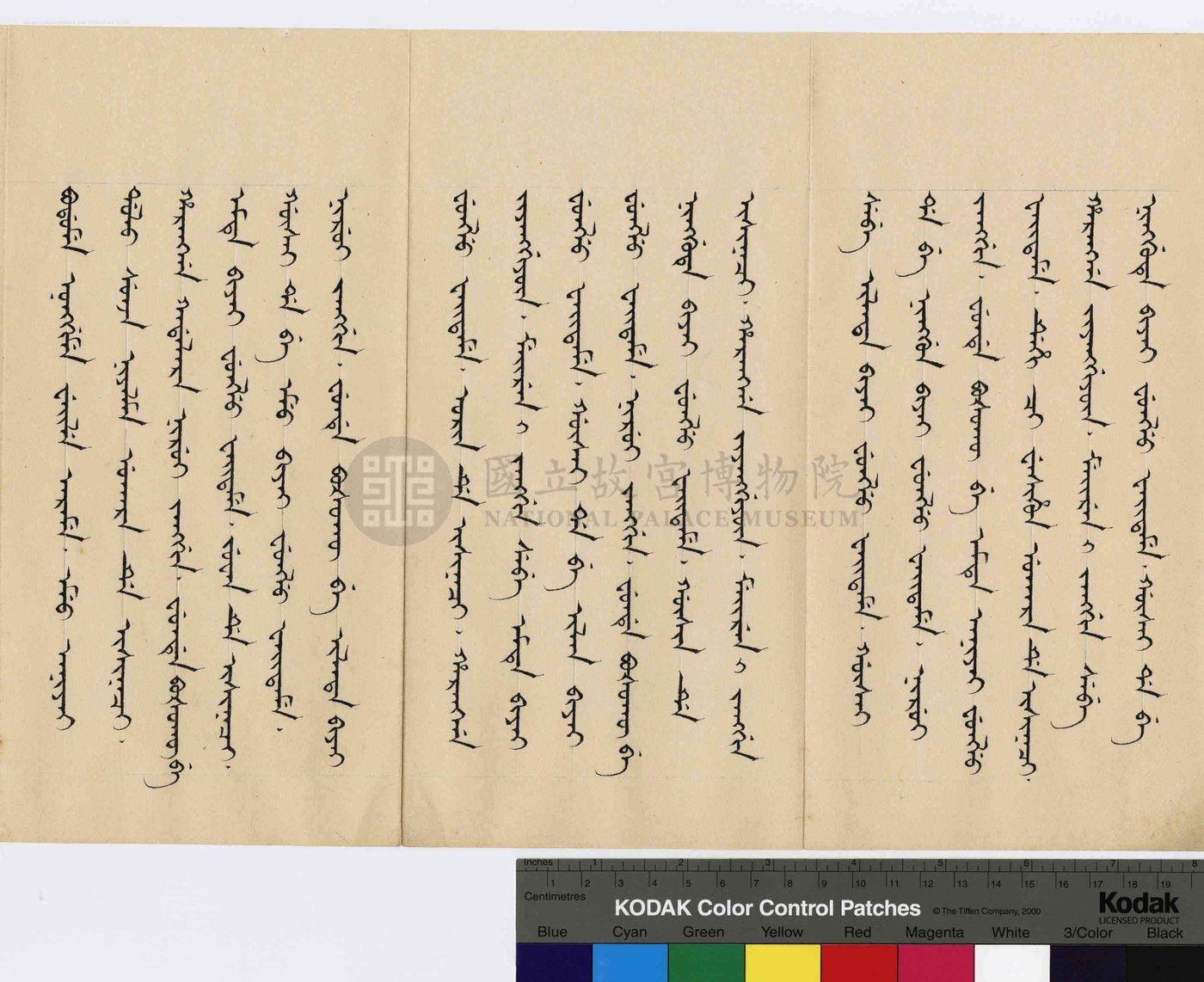
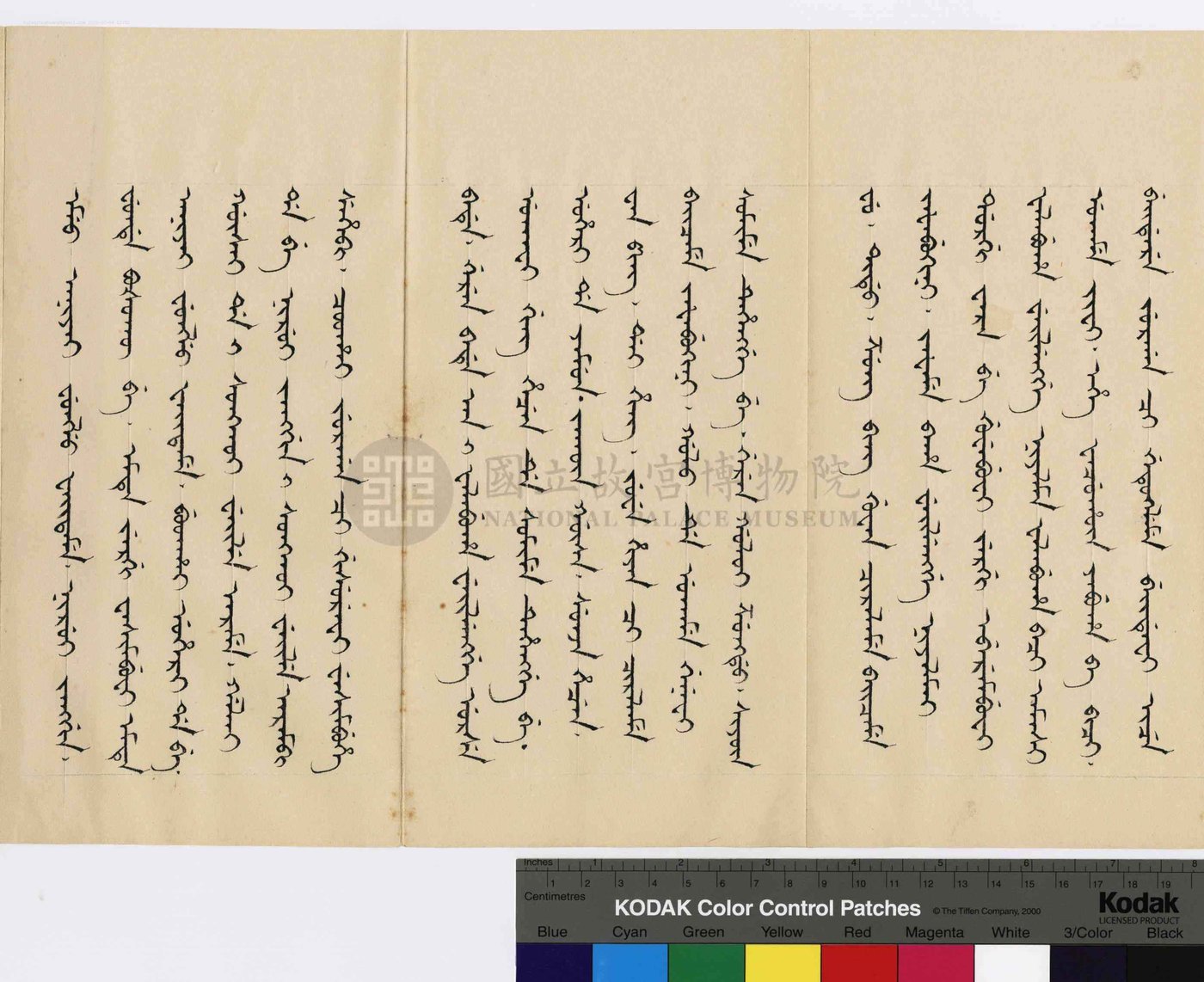
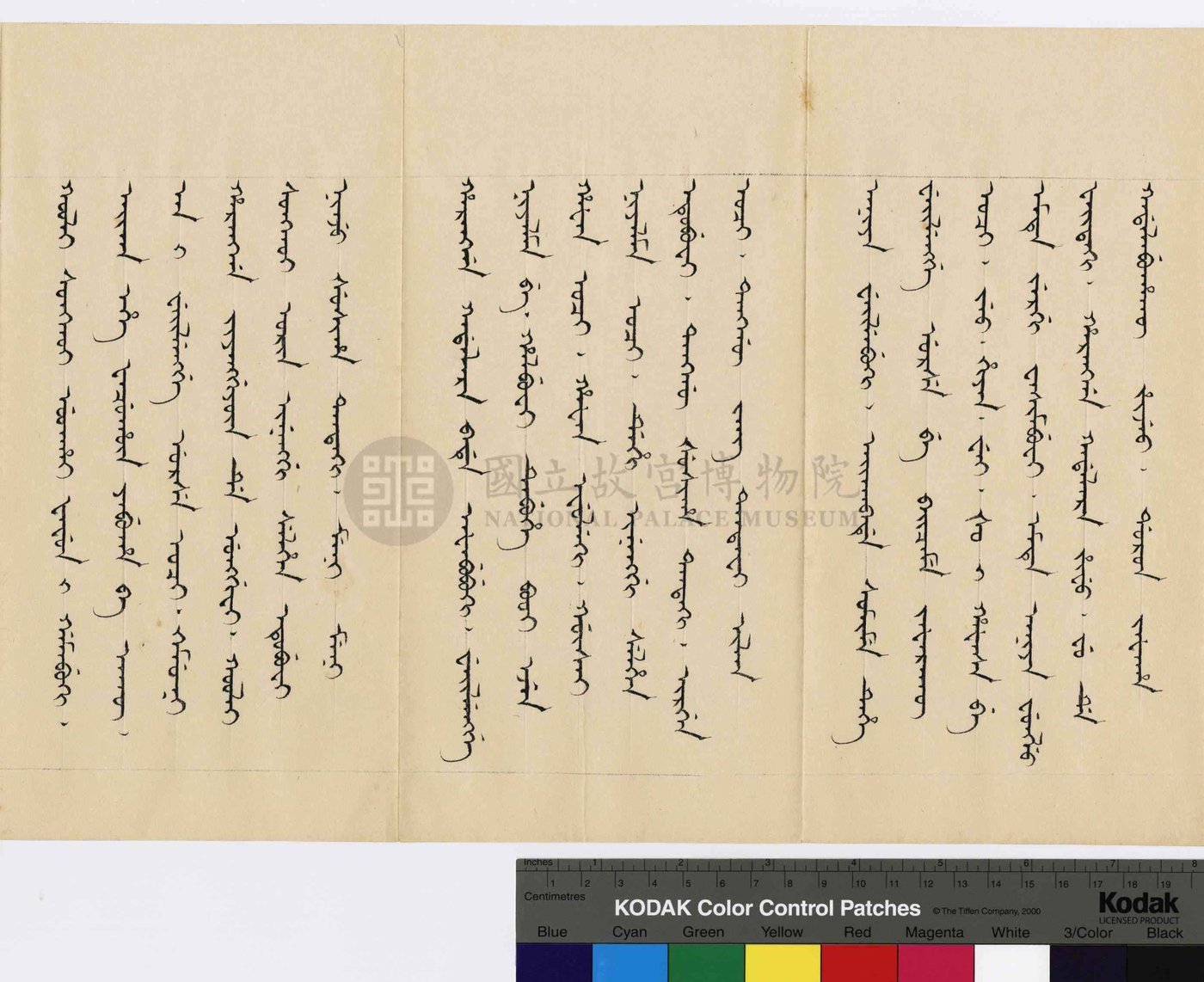
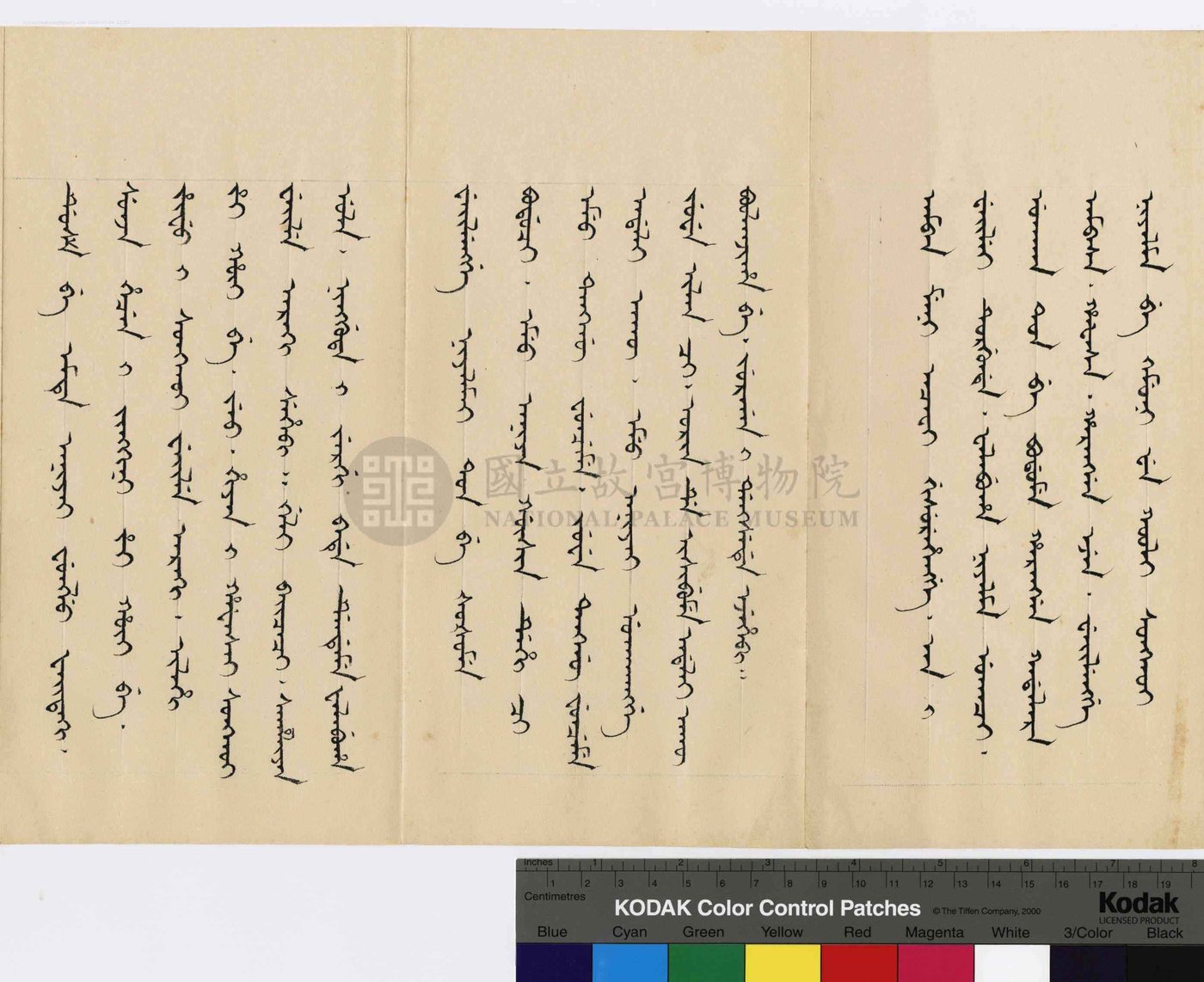
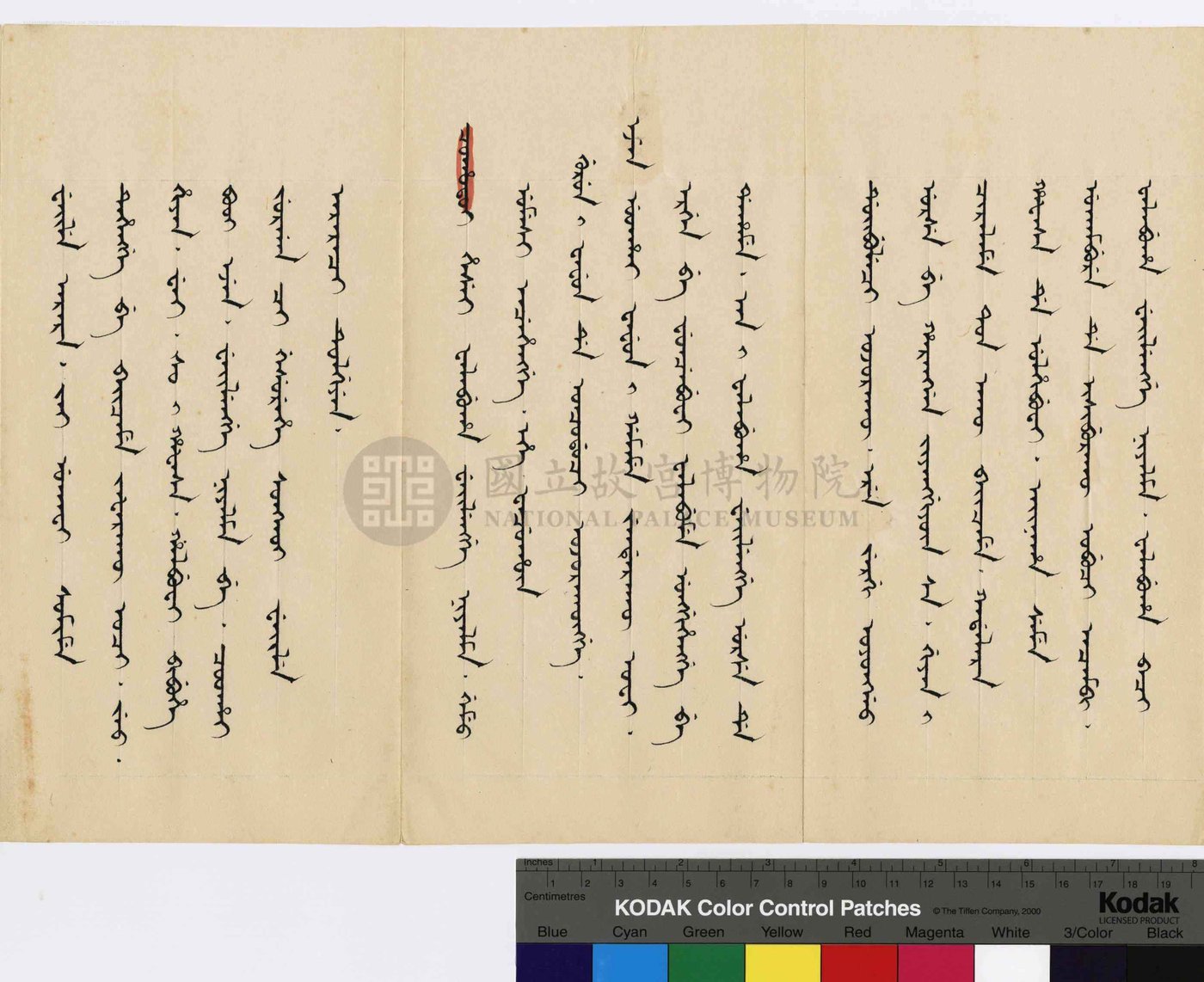
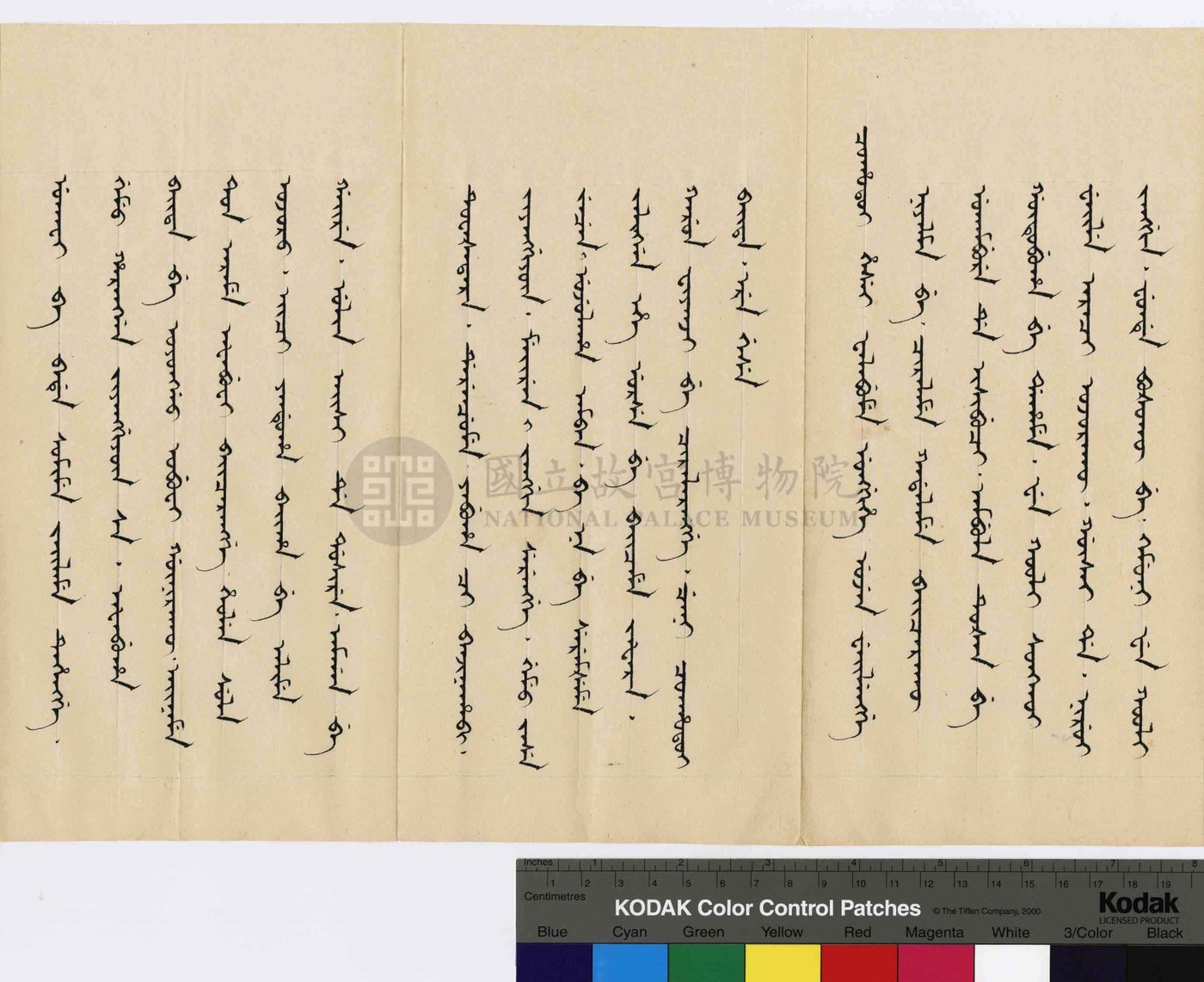
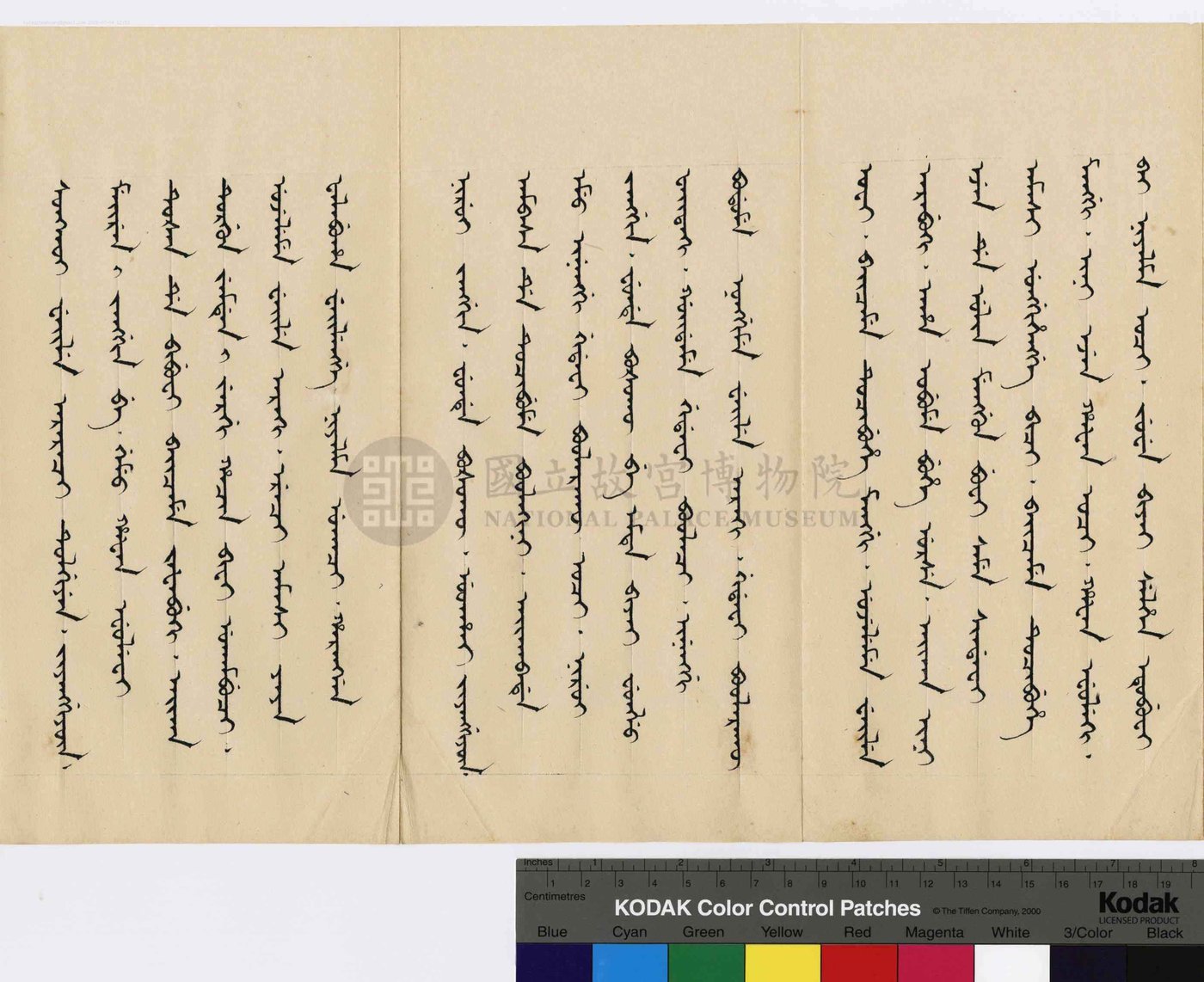
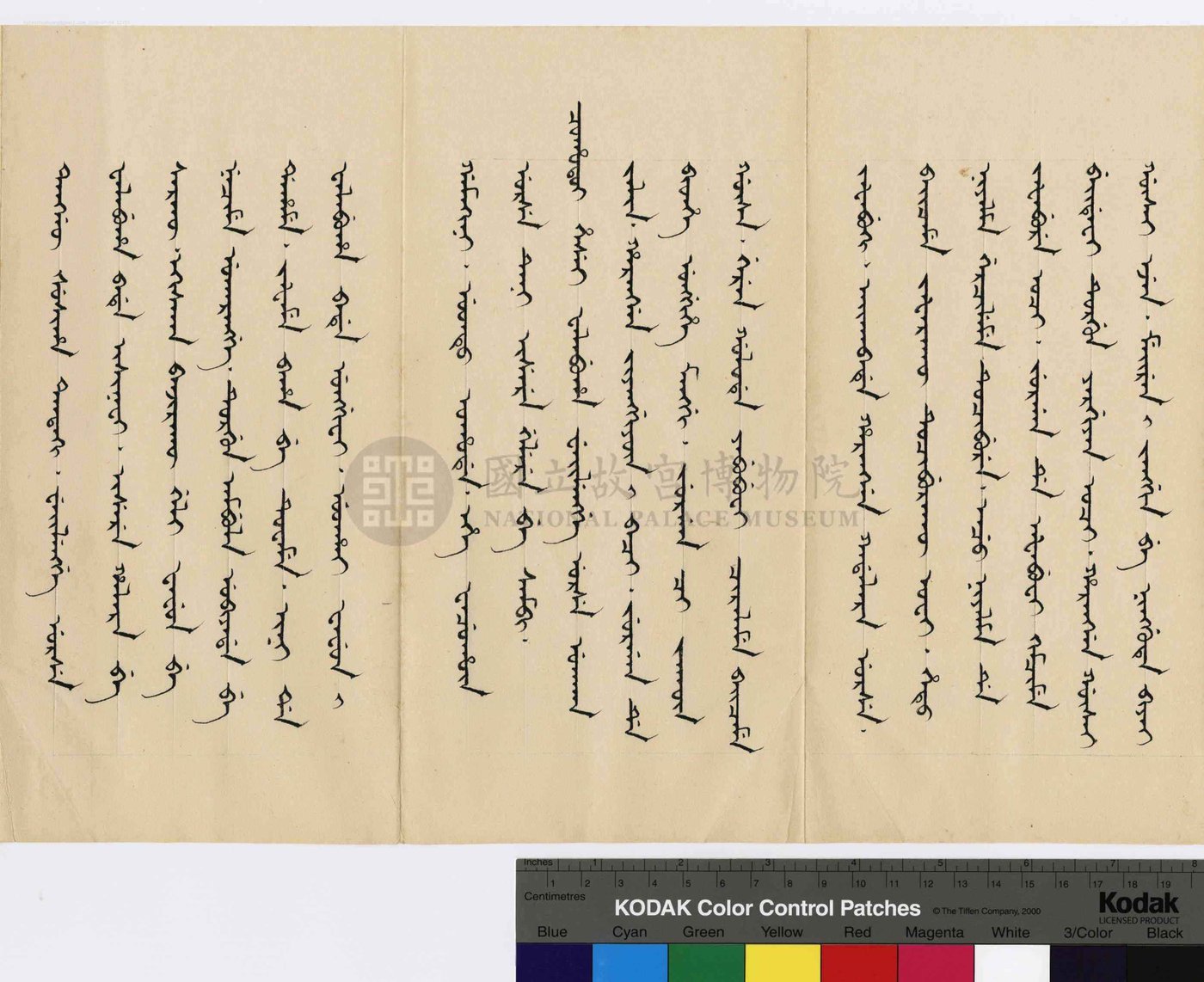
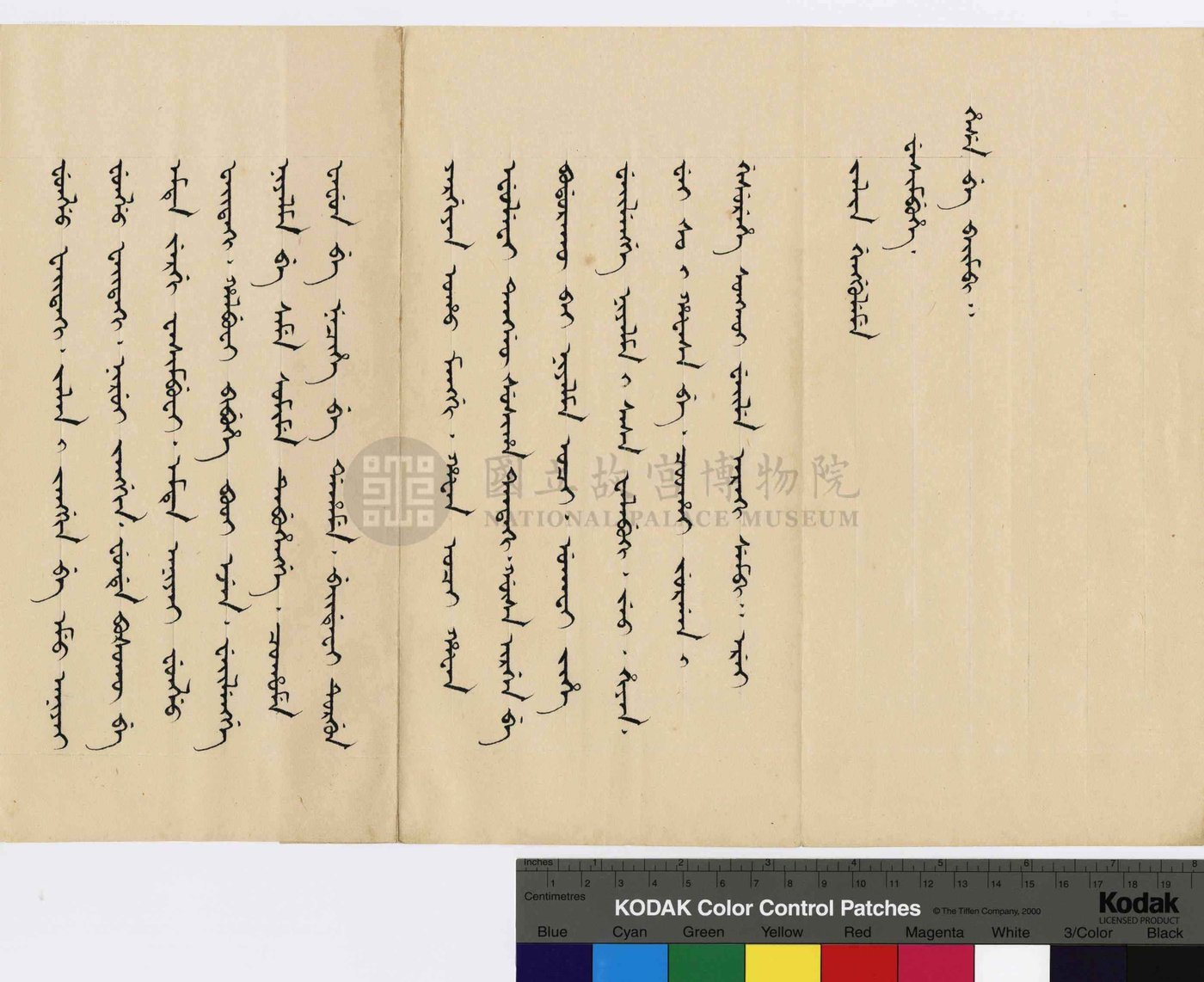
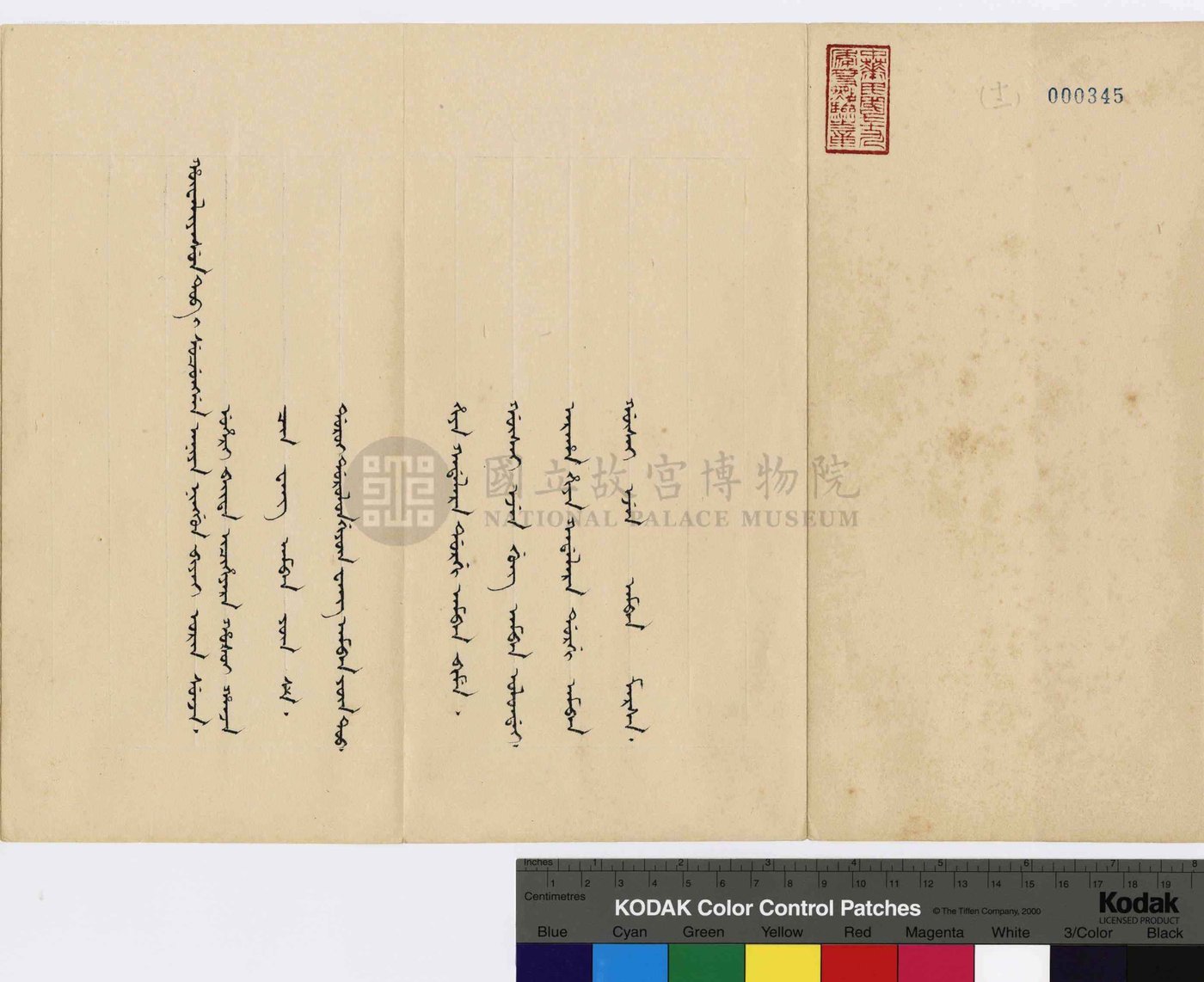
這是允祥等幾位王爺和大臣聯名上的摺子,向雍正皇帝彙報他們對流放犯人逃跑處罰規定的修改意見。他們把普通犯人和皇帝特批的重犯區別對待,規定如果重犯逃跑,負責看管的將軍和副都統就要被革職留任、限期抓人,犯人抓回來就立刻處死。
和碩廉親王允禩等人上奏說: 我們接到雍正元年五月十六日的諭旨,兵部和刑部原先會商定了關於黑龍江、寧古塔等地流放犯人逃跑後,該管大小官員一體治罪的條例,呈上去之後,皇上指示說:如果完全照他們議的辦,連旗裏的牛錄章京等官都要無限制地受處罰,這不合適;讓廉親王、禮王、護軍統領馬爾薩等人重新商議再奏。我們遵旨查了一下,刑部原來定下的規矩是:黑龍江、寧古塔等處的將軍、打牲總管等官,每月都要把流放犯人的在押人數、逃跑人數、找回人數、沒找回人數,一一查明,按月登記造冊送到刑部;年底再彙總總數,由該管將軍清楚造冊上奏,刑部覈對後,如果流犯逃走一名,管他的主官是官員的,罰三個月俸祿,是平民的,打五十鞭子;逃亡人數達到兩三個,就按人數遞增加罰;一年之內逃跑達到五人,該管領催、驍騎校各罰一個月俸祿;達到十人,旗內佐領罰一個月俸祿,領催、驍騎校各罰三個月俸祿;達到二十人,該管將軍、副都統各罰一個月俸祿,佐領罰三個月俸祿,領催、驍騎校各罰六個月俸祿;達到四十人以上,將軍、副都統各罰六個月俸祿,佐領罰一年俸祿,領催、驍騎校降一級、罰一年俸祿;打牲總管照佐領的例處罰,翼長照領催的例處罰。 兵部此前提出的辦法是:各處普通流犯逃回京城藏匿的,由總管內務府、八旗、宛平、大興二縣嚴查緝拿;逃到外省藏匿的,由各省的總督、巡撫、提督、總兵嚴查緝拿;抓到逃犯之後,如果其中是死罪減免一等發配的重犯,又逃回來並且又幹壞事的,由刑部審明,按新例立即正法;如果只是普通流犯,沒有幹壞事,仍舊發回該管將軍處,照例枷號二十天、打六十鞭子,交各該管地方管束;收留窩藏犯人的房主,是官的革職,是旗人的枷號四十天、打一百鞭子,是民人的打一百杖、徒刑三年;如果逃犯藏匿,不認真查拿,宛平、大興的知縣、巡檢司官降一級、罰一年俸祿,該管知府、如州、掌印都司各罰一年俸祿,五城的正指揮照知府的例處罰,副指揮照知縣的例處罰。 我們重新會商之後認爲:因爲普通罪案流放的人逃跑,按逃跑人數來定該管官員、該管主人的罪,仍照舊例執行,這可以;但對於那些由皇上特旨發遣的流犯,他們全是罪大惡極,國法難容,只是皇上不忍心立刻殺掉,才饒他們一命發配出去,所以絕不能和普通流犯相比。這類緊要犯人,該管將軍本來就應該嚴加清點,叮囑管兵官,千萬不能讓他們有逃跑的可能。這些流放的犯人之所以能從流放地逃走,在各地潛藏躲避,全是該管將軍等人不把交代的事當要緊事辦,敷衍了事、虛應數目,甚至是收了請託賄賂,徇私貪利,包庇放縱造成的。將軍、副都統都是鎮守邊關、保護地方、嚴查奸人、整飭卡倫哨所的大員,這是他們專管的事;像這樣特旨發遣的要緊重犯,不加嚴管,以致脫逃,這是嚴重失職,不能照舊例輕輕處罰了事。除了領催、驍騎校仍照舊例處罰之外,將軍、副都統都應革職,暫留原任,戴罪緝拿;如有受賄、徇情等情節,從重治罪。從今以後,凡有流犯逃跑,該管領催、驍騎校要立即向將軍等官稟報;如果延遲一日不報,領催、驍騎校各罰一個月俸祿;長久隱匿不報,按日數遞增加罰;如果隱匿不報被查出,從重治罪。家奴如果給主人錢物,求情私放逃犯的,查出後,主人是官的革職,是平民的枷號兩個月、打一百鞭子。犯人到流放地之後,不懂得畏懼收斂,又犯法逃跑,實在是情節可惡,被抓之後,看情形就發回原流放處,立即正法。這樣奸惡之徒才能知道害怕和收斂。 凡是特旨流放的犯人逃跑,該管將軍行文到部後,本部立即行文八旗、各省,嚴加緝拿。如果該管各官不認真查拿,被人告發,或從別處抓獲,交與本部詳審,如果情實,該旗的都統、副都統各罰六個月俸祿,參領罰一年俸祿,領催、驍騎校各降一級、罰一年俸祿;收留窩藏犯人的房主,屬明知故犯,審實後,是官的革職、打一百鞭子,是旗人、平民的,不論,照庶民例,與逃來的犯人一起發遣;宛平、大興的緝捕官等,照兵部前議處分。 爲此奏請皇上批示。 雍正元年六月二十日 總理事務和碩廉親王臣允禩、禮親王臣允祹、領侍衛內大臣公臣俄倫岱、領侍衛內大臣都統臣馬爾薩
總管內務府和碩廉親王臣允祀等謹奏,為欽遵上諭事。雍正元年五月十六日,兵部、刑部會議,議定黑龍江、寧古塔等處發遣人犯,若逃亡,將該管文武官員一併治罪之例,繕摺具奏。奉旨:此事若照所議辦理,旗佐領、驍騎校等官,將被議處無數。著交廉親王、禮親王鄂倫岱、馬爾薩等,另行妥議具奏,欽此。欽遵查得,刑部現行之例,黑龍江、寧古塔等處將軍、打牲總管等,將發遣人犯每月實收若干、逃亡若干、拏獲若干、未獲若干,逐一查明,造冊按月送刑部查覈。年終,將總數該將軍等開明具奏後,刑部逐一覈對。若發遣人犯逃脫一名,本主係官則罰俸三月,係平人責四十鞭;逃脫二三名,按人數遞加治罪。一年內逃脫至五名,將該管佐領、驍騎校罰俸一月;至十名,協領罰俸一月,佐領、驍騎校罰俸三月;至二十名,該將軍、副都統罰俸一月,協領罰俸三月,佐領、驍騎校罰俸六月;協領罰俸六月,佐領、驍騎校罰俸一年。逃脫至四十名以上,該將軍、副都統罰俸六月,協領罰俸一年,佐領、驍騎校降一級罰俸一年;打牲總管照協領例治罪,翼長照佐領例治罪。又議覆尋常發遣人犯,逃回京城藏匿者,令都統衙門、八旗、五城、宛平、大興二縣嚴查緝拏;逃往各省藏匿者,令各省總督、巡撫、提督、總兵官嚴查緝拏。拏獲人犯內,除死罪減等發遣者,若有逃回原發遣地後行惡事擾亂,刑部嚴審,照新例即行正法;如無行惡事擾亂,仍發回原發遣地,照例枷號二十日、責六十鞭,交各該管地方管束。窩藏人犯之人,係官則革職,係旗人枷號四十日、責一百鞭,係民人責一百杖、徒三年。若不行查拏藏匿人犯,州縣衛所官員降一級罰俸一年,該管知府未經察出者、知府掌印都司罰俸一年,五城正指揮照知府例治罪,副指揮照州縣例治罪。再查黑龍江、寧古塔等處陸續發遣人犯,總計一年或三四十名至百餘名、二百餘名不等,一年逃亡自二三名至二十名不等,報部存案。臣等會同議得,尋常犯罪發遣人犯逃亡,按其逃脫人數,該管文武官員、本主,仍照舊例治罪。至逃亡後藏匿,不行查拏,州縣衛所官員、窩藏留住人犯,照兵部所議治罪外,特旨發遣之犯,俱係極惡作亂、國法不容、免死減等、發遣遠方之人,與尋常發遣人犯不同。此等緊要人犯,該將軍等理應嚴加稽察,飭令管轄官兵,斷不致有脫逃情事。若將發遣人犯縱容脫逃,各處藏匿躲避,該將軍等不以所交事件為重,虛應故事,敷衍塞責,或受賄徇私,日後事發查出,皆由疏忽懈怠所致。將軍、副都統俱係鎮守邊疆大臣,地方防守、稽察奸宄、整飭卡倫,乃其專責。如此特旨發遣重犯,不加意嚴管,致有脫逃,深負職守,不可仍照常例治罪。除佐領、驍騎校仍照舊例治罪外,將軍、副都統均革職留任,勒限嚴緝。若有受賄情弊,從重治罪。嗣後凡發遣人犯脫逃,該管佐領、驍騎校,即報明將軍大臣等。若過一日隱匿不報,佐領、驍騎校罰俸一月;日久隱匿不報,按日遞加治罪;隱匿不報,經查實後,從重治罪。發遣為奴人犯,若其主受財縱放,經查實後,本主係官革職,係平人枷號二月、責一百鞭。人犯至發遣地後,不知收斂,復行犯法脫逃,情尤可惡。拏獲後,解回原發遣地即行正法。如此,奸惡之徒知所畏懼。特旨發遣人犯脫逃,該將軍處行文到部後,部中諮行八旗各省,嚴查緝拏。若該管官不查拏、不稟報,經旁人舉首、被他人拏獲,交部嚴審,情實,該旗都統、副都統罰俸六月,參領罰俸一年,佐領、驍騎校降一級罰俸一年。窩藏留住人犯,係故意犯法,審實後,官則革職、責一百鞭,旗人則發遣邊遠,平民與逃犯一併發遣。州縣衛所官員,照兵部所議治罪。為此謹奏,請旨。雍正元年六月二十日,總理事務和碩廉親王臣允祥、禮部尚書王臣允祹、領侍衛內大臣兼都統公臣鄂倫岱、領侍衛內大臣都統臣馬爾薩。
A respectful memorial from Prince Lian of the First Rank, Grand Minister Superintendent of the Imperial Household, and others, Your Servants Yūn-sy, on the matter of reverently obeying the Imperial decree. On the sixteenth day of the fifth month of the first year of Yongzheng (i.e., June 19, 1723), the Board of War and the Board of Punishments jointly memorialized, having deliberated on the regulations for punishing the responsible civil and military officials when exiled convicts in places like Sahaliyan Ula (Heilongjiang) and Ningguta escape. The memorial was issued from within, and the Imperial decree stated: “If this matter is handled according to their discussion, the number of banner company commanders, platoon commanders, and such officials to be punished will be countless. Entrust this to Prince Lian, Prince Li Olondai, Marsa, and others to discuss anew and memorialize.” We have reverently obeyed and, upon investigation, the regulations previously established by the Board of Punishments state: The generals of Sahaliyan Ula, Ningguta, and similar places, and the chief directors of hunting, shall each month clearly ascertain, for the exiled convicts, how many were received, how many have escaped, how many were captured, and how many are unaccounted for, and shall compile registers monthly to be sent to the Board of Punishments. At the end of the year, the total numbers shall be clearly set forth by the respective generals in a memorial, after which the Board of Punishments shall collate and check. If one exiled convict escapes, if his master is an official, his salary shall be suspended for three months; if a commoner, he shall be beaten with fifty lashes. If two or three escape, the punishment shall be increased according to the number of persons. If in the course of one year the number of escapees reaches five, the responsible company commander and assistant platoon commander shall have their salaries suspended for one month; if it reaches ten, the regimental commander shall have his salary suspended for one month, and the company commander and assistant platoon commander for three months; if it reaches twenty, the respective general and deputy lieutenant general shall have their salaries suspended for one month, the regimental commander for three months, and the company commander and assistant platoon commander for six months; the regimental commander shall have his salary suspended for six months, and the company commander and assistant platoon commander for one year. If the number of escapees reaches forty or above, the respective general and deputy lieutenant general shall have their salaries suspended for six months, the regimental commander for one year, and the company commander and assistant platoon commander shall be demoted one grade and have their salaries suspended for one year. The chief director of hunting shall be punished according to the precedent for a regimental commander, and the wing commander according to that for a company commander. The Board of War further memorialized and stated: Of the ordinarily exiled convicts, those who escape and hide in the capital city, the office of the commander-in-chief, the Eight Banners, the Five Wards, and the two counties of Wanping and Daxing shall strictly search and apprehend them. Those who escape to the provinces and hide, the governors-general, governors, provincial commanders-in-chief, and brigade-generals of each province shall strictly search and apprehend them. Among the captured convicts, those exiled after a commutation from a death sentence, if after escaping back from the place of exile they commit evil and cause disturbances, the Board of Punishments shall clearly adjudicate and immediately execute them according to the new regulations. If they have not committed evil or caused disturbances, they shall still be sent back to their original place of exile, and according to the regulations, shall wear the cangue for twenty days and be beaten with sixty lashes, then be handed over to their respective supervisory authorities. Any person harboring and lodging such convicts—if an official, he shall be dismissed from office; if a bannerman, he shall wear the cangue for forty days and be beaten with one hundred lashes; if a civilian, he shall be beaten with one hundred strokes and sentenced to three years’ penal servitude. If the officials of a department, district, guard post, or station do not search and apprehend the hidden convicts, they shall be demoted one grade and have their salaries suspended for one year. If the responsible prefect fails to discover them, the prefect and the seal-holding brigade vice-commander shall have their salaries suspended for one year. The chief commander of the Five Wards shall be punished according to the precedent for a prefect, and the deputy commanders according to that for department and district officials. We have further investigated: In places like Sahaliyan Ula and Ningguta, the number of convicts successively exiled totals, for one year, variously from thirty or forty to over one hundred, or over two hundred, and the number of escapees in a year varies from two or three to as many as twenty—all of which is recorded in the board’s registers. We, your ministers, having jointly deliberated, conclude: For convicts exiled on ordinary charges, when they escape, the responsible civil and military officials and the masters shall still be punished according to the old regulations. Furthermore, apart from punishing, as suggested by the Board of War, the officials of the department, district, guard post, or station who fail to search and apprehend, and those who harbor and lodge hidden convicts, the convicts exiled by special Imperial decree are all exceptionally heinous and disorderly persons, such as the laws of the state cannot pardon and whose lives have been spared only to be exiled. They are not to be compared with ordinarily exiled convicts. Such important convicts, the respective generals and others ought to strictly and meticulously investigate, and instruct the supervising officers and troops that under no circumstances should they be allowed to escape. If the exiled convicts are allowed to abscond and hide or take refuge in various places, this situation arises because the respective generals and others handle the entrusted matters as unimportant, carelessly going through formalities and making superficial reports, or because they accept bribes and personal gains, with later repercussions stemming from their insolent and lax behavior. The generals and deputy lieutenant generals are all grand ministers entrusted with the frontier defenses; patrolling the territory, guarding against enemies, apprehending evildoers, and strictly managing the guard posts are their particular duties. If, with respect to such heavy convicts exiled by special decree, they fail to strictly supervise and manage them, allowing them to escape, they greatly disgrace their offices, and cannot be dealt with according to the old regulations. Apart from the company commander and assistant platoon commander still being punished according to the old regulations, the generals and deputy lieutenant generals shall all be dismissed from office but retained at their posts, with a time limit set to strictly apprehend the fugitives. If there are circumstances such as corrupt malfeasance, they shall be severely punished. Henceforward, whenever any exiled convict escapes, the responsible company commander and assistant platoon commander shall immediately report to the generals and grand ministers. If they conceal the matter for one day and do not report, the company commander and assistant platoon commander shall have their salaries suspended for one month; if they conceal it for a prolonged period, the punishment shall be progressively increased according to the number of days; if after investigation they are found to have concealed and not reported, they shall be severely punished. If a master of a convict enslaved by exile, having received money or goods, privately releases and sends back the convict, after investigation, if the master is an official, he shall be dismissed from office; if a commoner, he shall wear the cangue for two months and be beaten with one hundred lashes. After the convicts arrive at the place of exile, if, not knowing fear, they do not live quietly, and again violate the law and escape, their offense is greatly detestable. Once captured, they shall, according to the circumstances, be sent back to their original place of exile and immediately executed according to law. If it is done thus, then evildoers and troublemakers will know awe and fear. Because of the escape of convicts exiled by special decree, when the respective general sends a dispatch to the board, the board shall issue orders to the Eight Banners and all provinces to strictly search and apprehend them. If the responsible supervisor fails to search and apprehend and does not report, and others report or capture the fugitive, the case shall be handed to the board for close adjudication; if the facts are proven, the commander-in-chief and deputy lieutenant general of the concerned banner shall have their salaries suspended for six months, the regimental commander for one year, and the company commander and assistant platoon commander shall be demoted one grade and have their salaries suspended for one year. Any person harboring and lodging a hidden convict, having deliberately violated the law, after adjudication and confirmation of the facts, if an official, shall be dismissed from office and beaten with one hundred lashes; if a bannerman or commoner, without regard to status, shall be exiled together with the escaped convict. The officials of the department, district, guard post, or station shall be punished as suggested by the Board of War. For this reason, we reverently memorialize and beg for an Imperial decree. On the twenty-sixth day of the sixth month of the first year of Yongzheng (i.e., July 28, 1723), Prince Lian of the First Rank, Grand Minister of the General Affairs Office, Your Servant, Prince Li of the First Rank, Your Servant, Grand Minister of the Imperial Bodyguard and Banner Commander-in-Chief, Your Servant Olondai; Grand Minister of the Imperial Bodyguard and Banner Commander-in-Chief, Your Servant Marsa.